

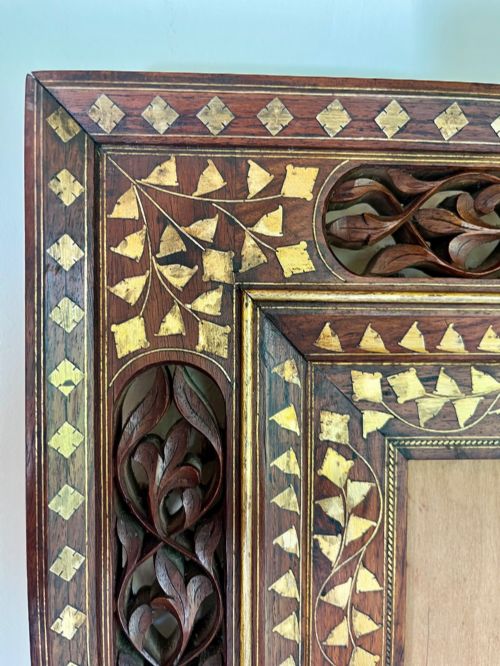


Rosewood Framed Mirror
A rosewood framed mirror brings rich dark grain and warm metallic accents to a room, offering both depth and timeless decorative presence.
Rosewood Framed Mirror
A rosewood framed mirror serves as a striking focal point in a home, combining deep timber tones with reflective glass to brighten interior spaces. When exploring this selection, buyers encounter pieces spanning the nineteenth and early twentieth centuries, alongside distinct Regency and Victorian examples.
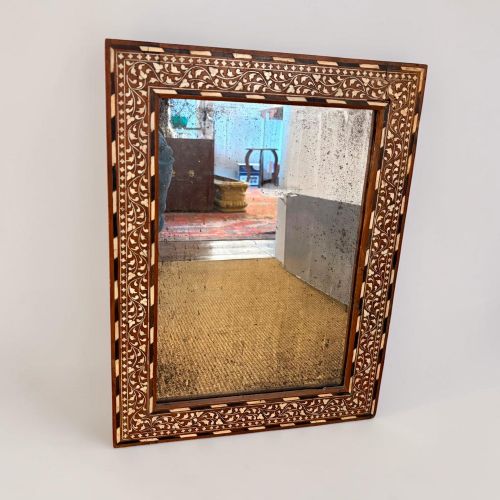
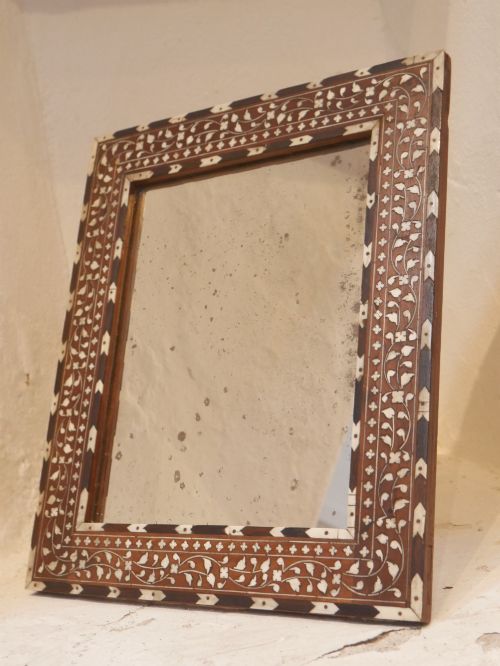
The inventory ranges from grand overmantle mirrors designed for chimney breasts to smaller wall-hanging pieces and pairs of pier mirrors. Regional interpretations such as Anglo-Indian and Indo-Portuguese work also appear, bringing intricate carved detail and contrasting materials to the dark timber ground.
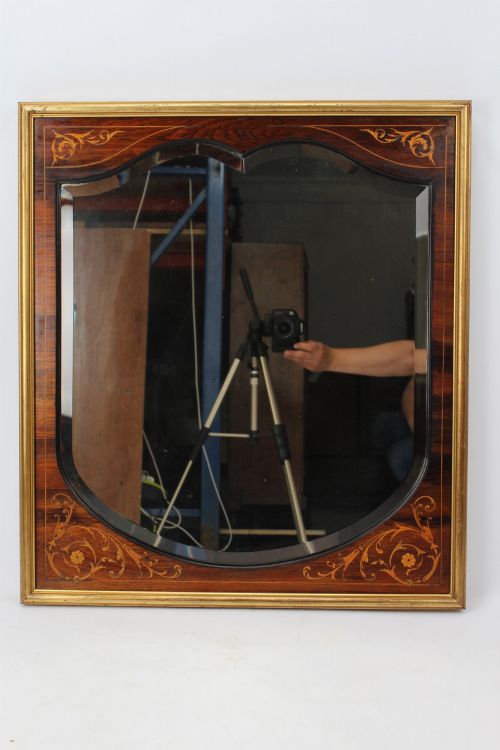
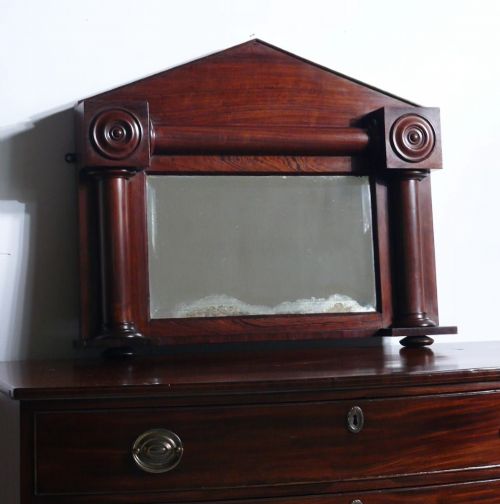
Most items on this page fall into the Victorian and Regency eras, with Edwardian marquetry pieces and later twentieth-century Swedish designs appearing alongside them. These domestic and imported variants offer distinct visual weights, from heavy cushion-moulded frames to delicate inlaid compositions.
Materials and Construction
Makers utilised solid rosewood or applied fine rosewood veneers over secondary hardwoods, often incorporating kingwood or padauk to achieve rich tonal variations. Frames frequently feature giltwood or parcel-gilt details, creating a sharp contrast between the dark polished timber and bright metallic highlights.
Intricate decoration was achieved through various techniques including bone inlay, marquetry, and deep relief carving, particularly seen in Anglo-Indian Hoshiarpur work. Glass plates were inset with beaded slips or brass mounts, securing the mirror plate within its heavy wooden rebate.
Rosewood Framed Mirror Retail Price Guide 2026
Typical asking prices for rosewood framed mirror among the pieces listed under this phrase on Sellingantiques today, from the lower quarter to the upper quarter. They describe what is for sale here now, not the wider market.
Some Victorian mirrors managed to wear both simulated wood and real giltwood at the very same time without blushing.
Assessing Quality and Execution
Superior examples display crispness in their carved ornament and precision in their marquetry or bone inlay, where every component sits flush within the timber. The depth of colour and grain figure in the rosewood also signal higher grade material chosen by the cabinetmaker.
The preservation of the original mercury or silvered mirror glass, along with intact backing boards and structural joints, distinguishes finer survivals from heavily altered pieces. Proportion and balance in the frame mouldings separate masterwork items from standard commercial production.
The Rosewood Framed Mirror Glossary
- Rosewood
- A dense, heavily grained hardwood prized for its dark purple-brown colour and oily lustre. It takes a high polish and was favoured for luxury furniture throughout the nineteenth century.
- Overmantle Mirror
- A wide mirror specifically proportioned to hang on the wall directly above a fireplace mantelpiece. These pieces often feature arched tops or gilt slips to reflect light downward.
- Marquetry
- Decorative patterns formed by the insertion of thin veneers of contrasting wood, bone, or other materials into a solid wood ground. This technique creates pictorial or geometric surface designs.
- Pier Mirror
- A tall, narrow mirror designed to hang on the wall space between two windows, often placed above a matching pier table. They maximise natural light in Victorian and Edwardian interiors.
- Cushion Frame
- A convex, rounded frame profile that swells outward toward the outer edge. This bold moulding style was particularly popular during the Regency period to catch ambient light.
Rosewood Framed Mirror: Frequently Asked Questions
How do I date a rosewood framed mirror?
Dating relies on identifying stylistic markers such as Regency cushion moulding, Victorian proportions, or Edwardian marquetry patterns. Construction methods and wood backing types also offer clues to the period of manufacture.
Examining the mirror glass itself, including bevelling style and silvering oxidation, helps confirm the age of the piece relative to its frame.
Where should I hang an overmantle mirror?
An overmantle mirror is traditionally positioned centrally above a fireplace mantelpiece to anchor the room's decorative scheme. It should sit comfortably within the width of the fireplace surround.
Ensure the wall fixings are rated to support the considerable weight of hardwood and glass assemblies.
How do I care for antique rosewood?
Maintain rosewood frames by dusting gently with a dry, soft cloth and avoiding silicone-based polishes or harsh cleaning agents. Keep the timber away from direct sunlight and excessive heat sources to prevent veneer cracking.
Occasional application of specialist wax preserves the moisture and natural depth of the dark grain.
What is Hoshiarpur mirror work?
Hoshiarpur mirrors originate from the Punjab region of India and feature dense, intricate carving across wooden frames. They frequently incorporate contrasting materials such as bone or shesham wood in geometric floral motifs.
These imported pieces gained popularity in British homes during the late nineteenth century alongside Anglo-Indian decorative arts.