




Regency Wine Sarcophagus
A regency wine sarcophagus brings architectural presence and classical form to a dining room, designed originally to keep bottles chilled near the table.
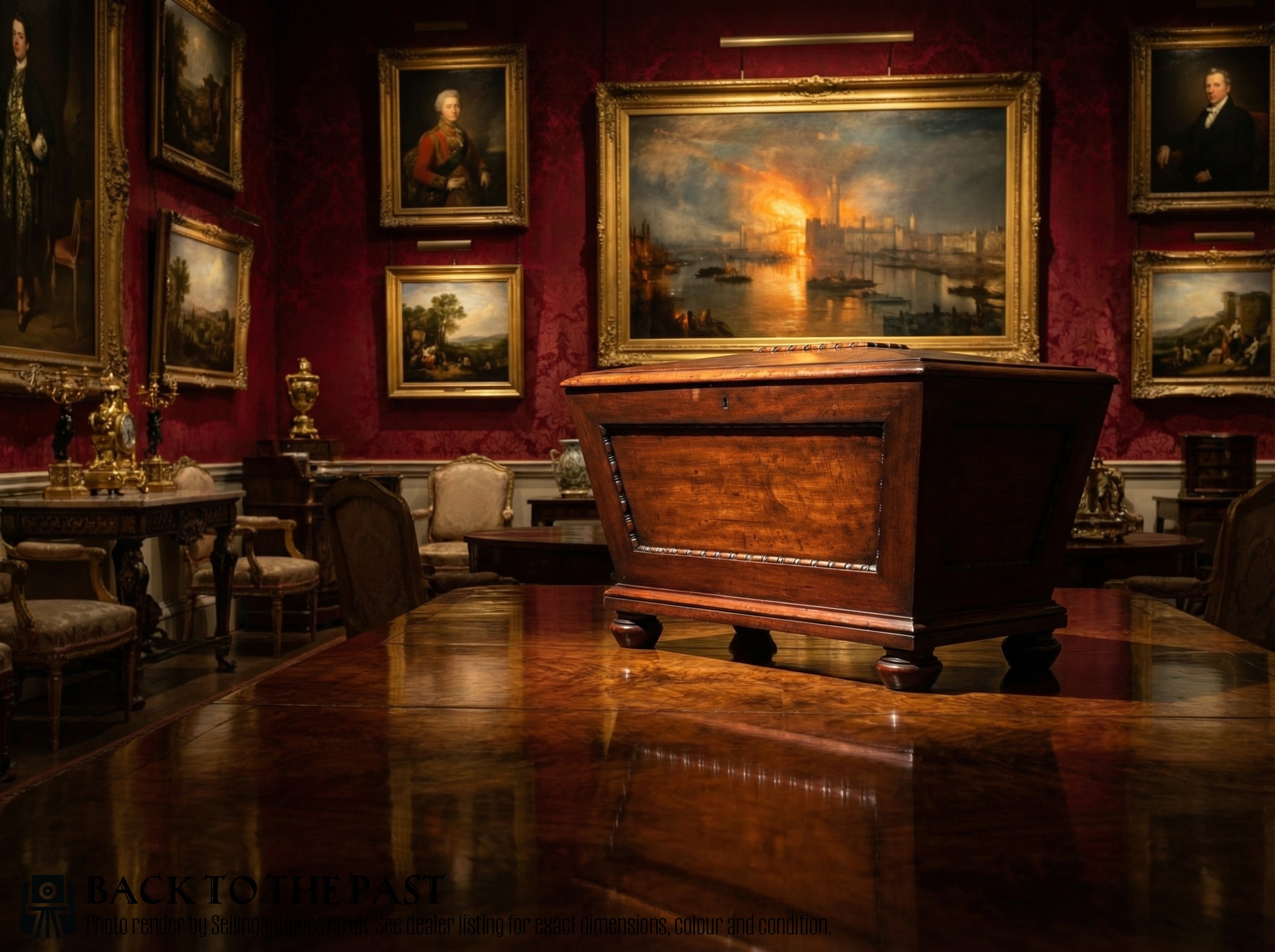
Regency Wine Sarcophagus
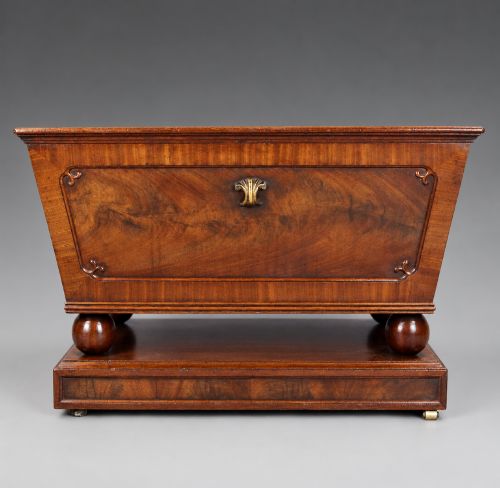
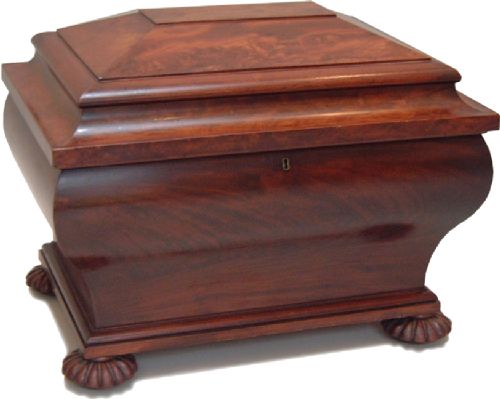
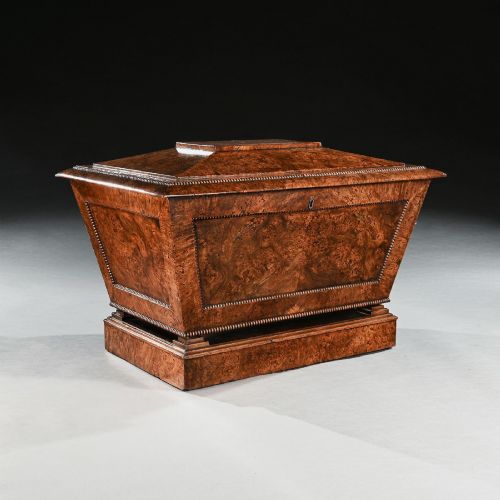
A regency wine sarcophagus is a grand, classical form of cellarette designed to hold wine bottles in ice during formal dining. These pieces typically take the shape of miniature stone sarcophagi, drawing on ancient Roman and Greek architectural motifs that dominated furniture design in the early nineteenth century.
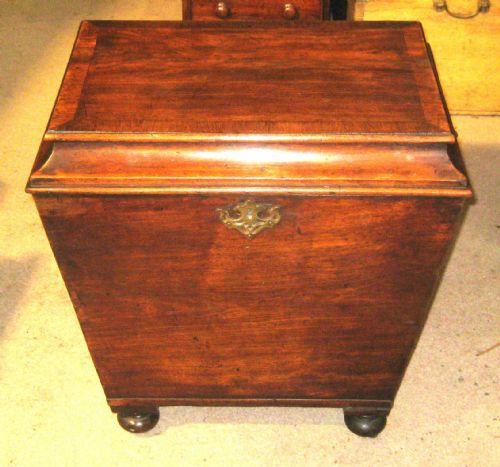
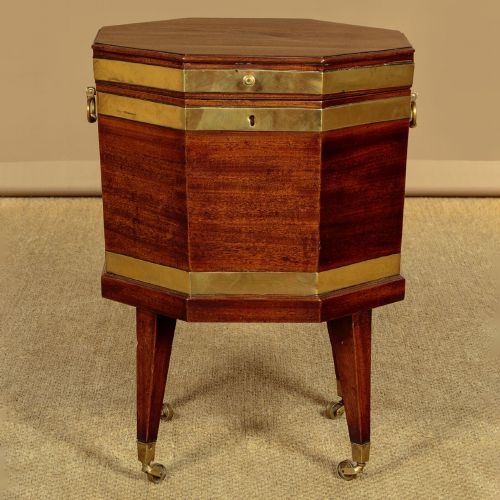
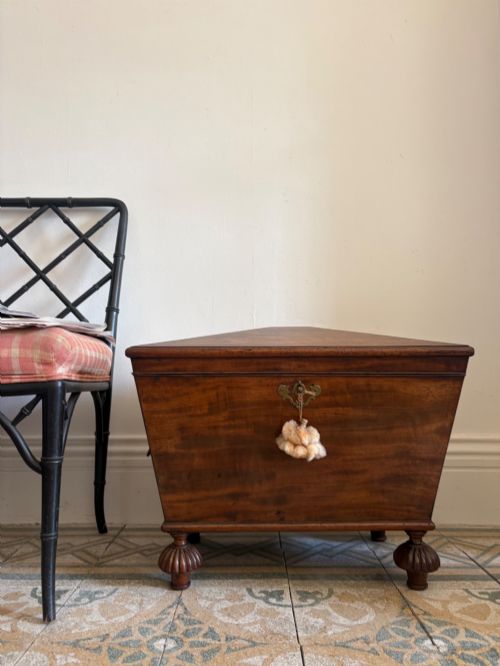
Most examples encountered on this page date from the Georgian, Regency, and William IV periods, spanning the early to mid nineteenth century. They appear primarily in rich timbers such as mahogany and flame mahogany, often raised on carved feet or plinth bases.
Makers produced these large storage vessels to stand freestanding beneath sideboards or within dining room bays. The interiors frequently retain their original lead linings, which held ice and water for cooling bottles during extended meals.
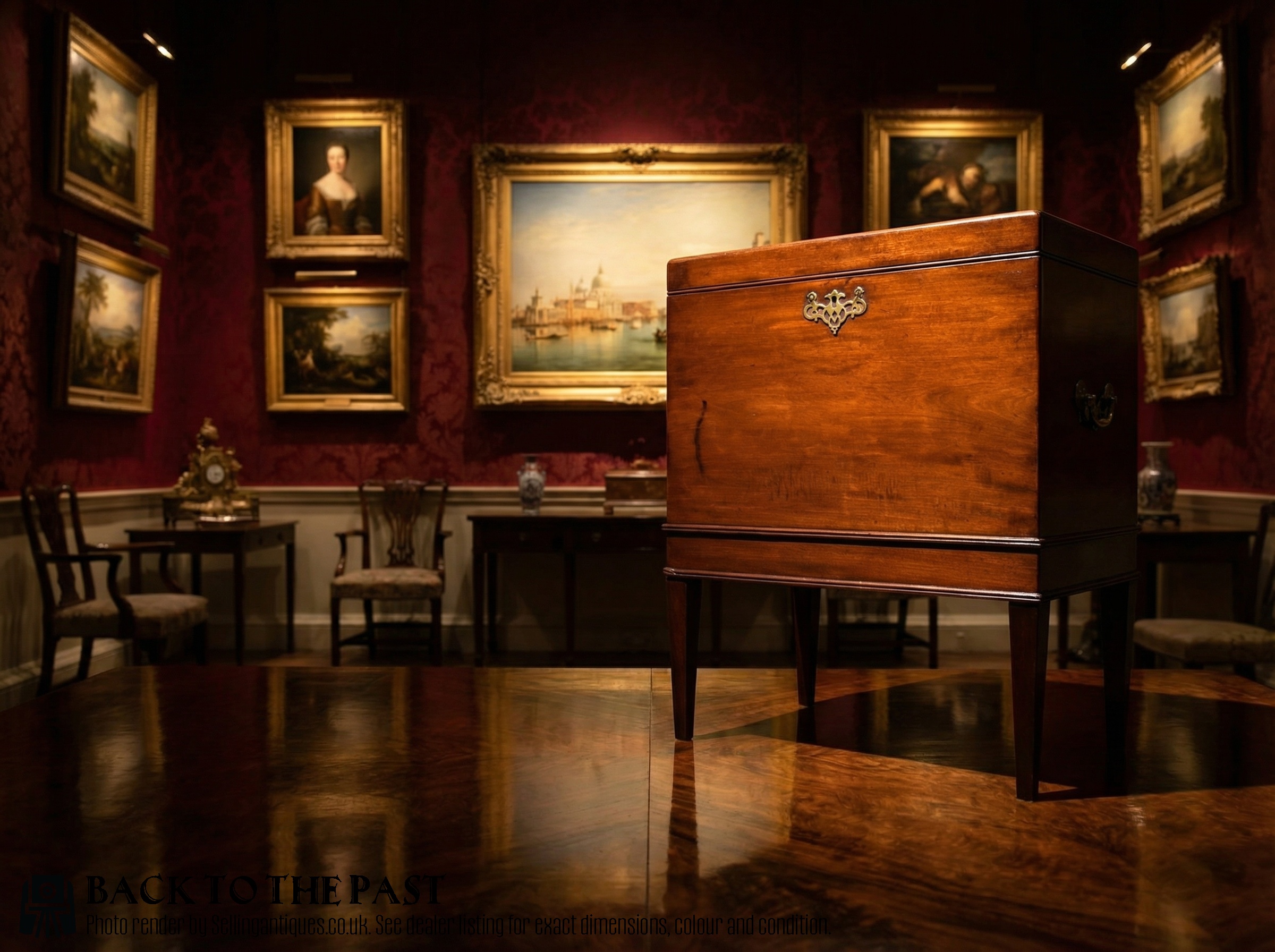
Materials and construction
Cabinet makers utilised dense native and imported timbers, notably solid mahogany, flame mahogany veneers, and occasional pollard oak. These woods were chosen for their figured grain and polished to a deep lustre.
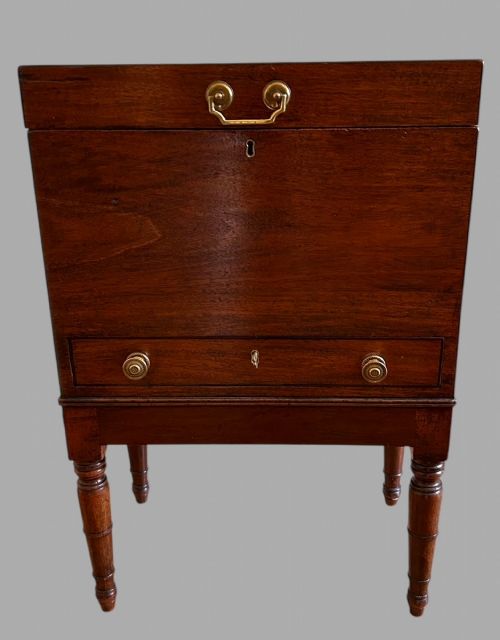
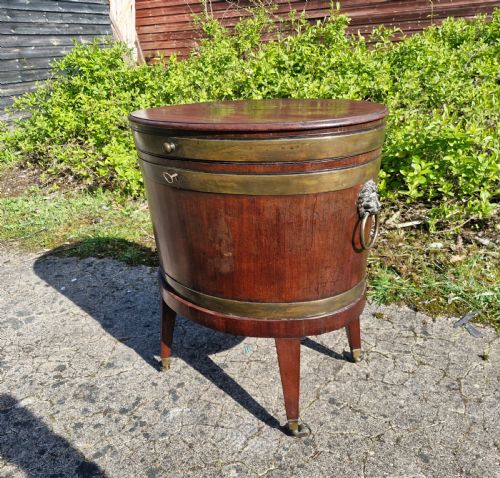
Metal components played a structural and decorative role, with brass banding, ormolu mounts, and lead interior linings fitted to contain ice. Many pieces incorporate brass handles and detailed cast feet to support the substantial weight of the timber and liquid.
Regency Wine Sarcophagus Retail Price Guide 2026
Typical asking prices for regency wine sarcophagus among the pieces listed under this phrase on Sellingantiques today, from the lower quarter to the upper quarter. They describe what is for sale here now, not the wider market.
Listings feature items from the 18th century, Regency, Georgian, and Victorian periods, constructed primarily in mahogany with brass and lead elements.
Factors of distinction
Quality rests heavily on the selection of timber veneers and the crispness of the carved classical details, such as paw feet, lion masks, or reeded mouldings. Superior examples display symmetrical flame mahogany figures across the expansive curved surfaces of the sarcophagus lid and body.
The internal architecture and hardware further separate standard production from masterwork pieces. Original lead liners, dividing partitions, and robust brass fittings indicate careful original commissions, whereas later replacements or simplified interiors alter the integrity of the piece.
Thomas Hope·Charles Heathcote Tatham·T. Feetham·Gillows of Lancaster and London·Maples and Co·Robert Strahan and Co
The Regency Wine Sarcophagus Glossary
- Cellarette
- A lockable container used for storing and cooling wine bottles in the dining room. These vessels evolved through the eighteenth and nineteenth centuries into elaborate freestanding items of furniture.
- Lead liner
- A protective metal insert fitted into the interior of a wine cooler to hold ice and water without damaging the timber. Original liners often show weathering from nineteenth century use.
- Ormolu
- Gilt-bronze mounts applied to furniture for decorative contrast against dark timbers. This technique reflects the neoclassical taste prevalent during the Regency period.
- Flame mahogany
- A decorative veneer cut from wood where the branch meets the trunk, producing a rippling, flame-like pattern. Cabinet makers reserved this timber for the primary display surfaces of high-status furniture.
Regency Wine Sarcophagus: Frequently Asked Questions
What is a regency wine sarcophagus used for today?
Modern collectors utilise these substantial vessels as distinctive side tables, log bins for fireplaces, or statement storage pieces in reception rooms. Their generous internal capacities make them practical for contemporary homes.
While their original purpose involved chilling wine with ice, their architectural presence allows them to function purely as decorative antiques in modern dining spaces.
How do I date a mahogany cellarette?
Dating relies on examining the secondary woods, such as oak or pine linings inside drawers, alongside the stylistic vocabulary of the mounts and feet. Regency and Georgian examples display hand-cut dovetails and classical motifs like paw feet or heavy brass ring handles.
Later Victorian interpretations often feature heavier proportions and machine-sawn elements, distinguishing them from the lighter neoclassical lines of the 1800s.
Did these wine coolers always have lead linings?
Many fine examples retain their original lead interiors, which were soldered into place to prevent water leaks from melting ice. The presence of these metal liners confirms the piece served its intended dining room function.
Some pieces lack liners due to later removal, though surviving lead often bears the scars and oxidation of nineteenth-century use.
Where should I place a wine sarcophagus in a room?
These pieces were originally designed to stand freestanding beneath sideboards or in the bays of large dining rooms. Their finished backs and panelled sides allow them to sit away from walls without losing visual impact.
In a modern interior, they suit large hallways, living rooms, or dining spaces where their considerable width and sculptural form can be fully appreciated.