

Regency Tallboy Chest
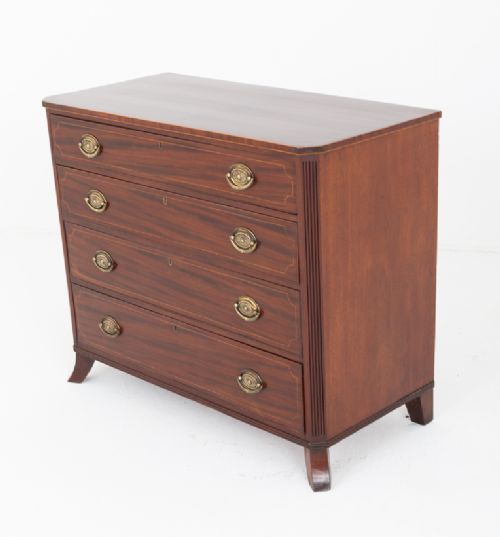
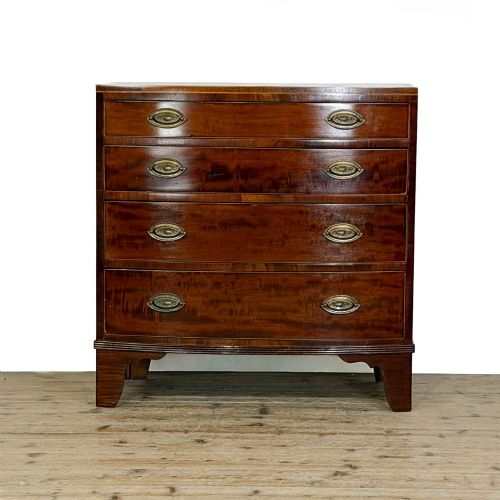
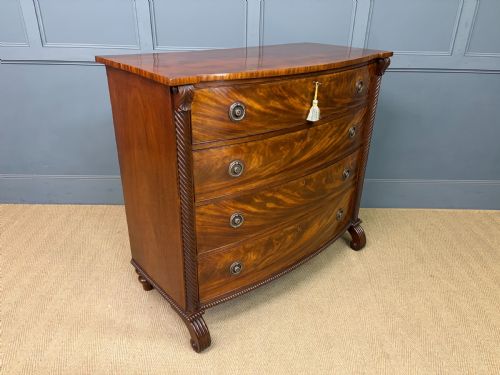
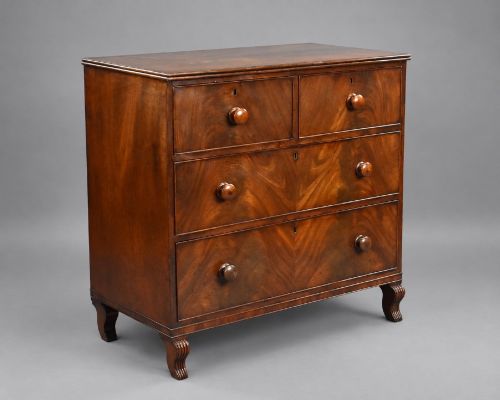
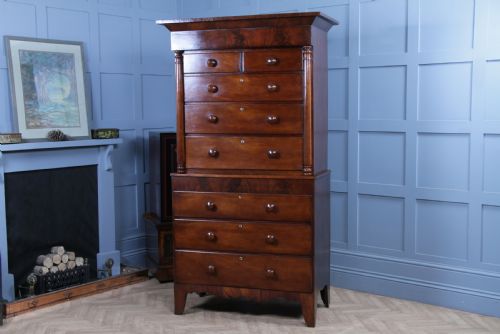
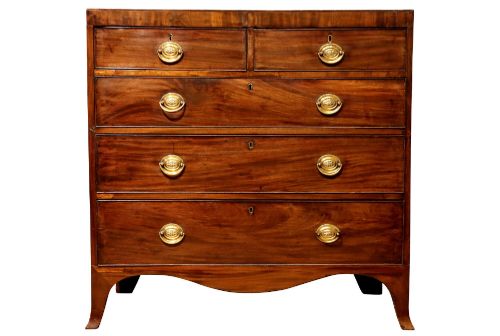
A regency tallboy chest brings vertical proportion and finely figured mahogany into a room, offering generous storage without taking up much floor space.
Regency Tallboy Chest
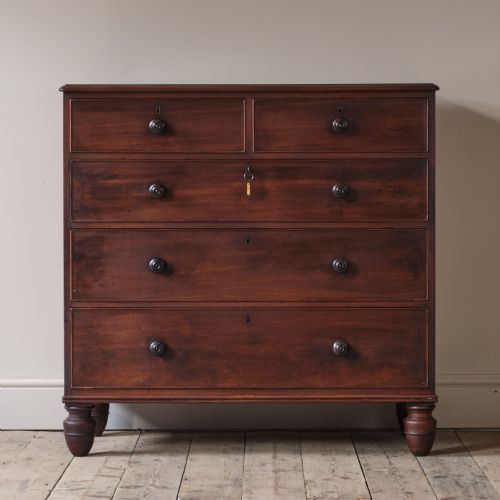
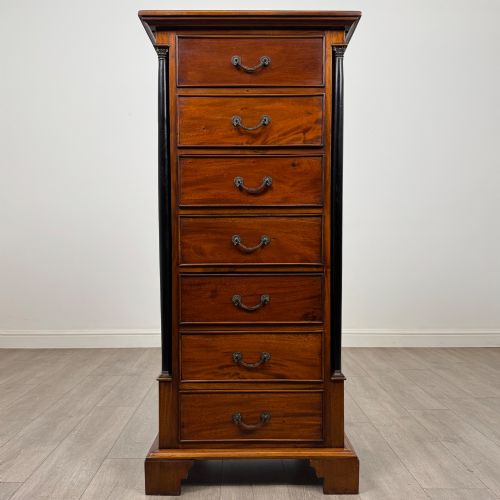
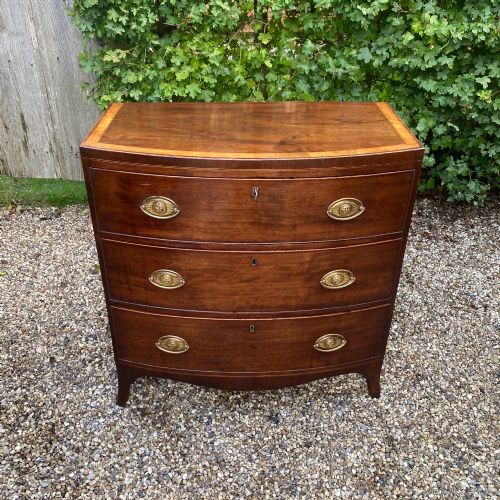
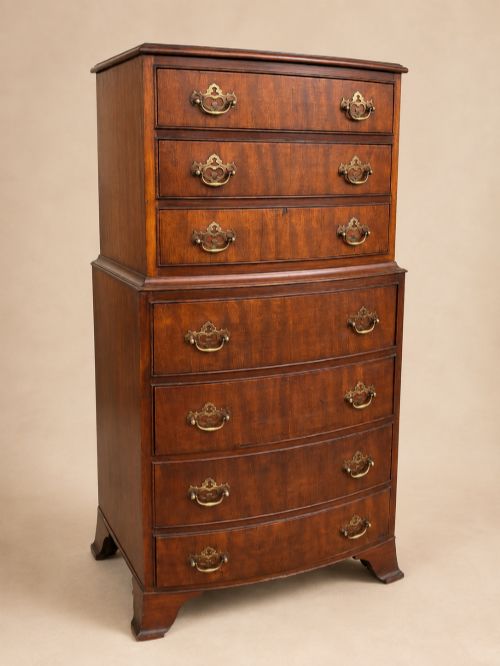
When you search for a regency tallboy chest, you are looking at substantial case furniture designed to hold garments and linens in stacked drawers. The evidence shows these pieces appearing as chests on chest or tall upright chests of drawers.
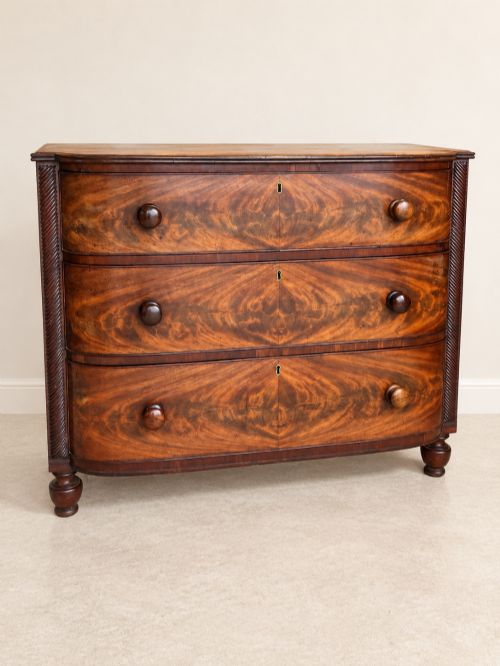
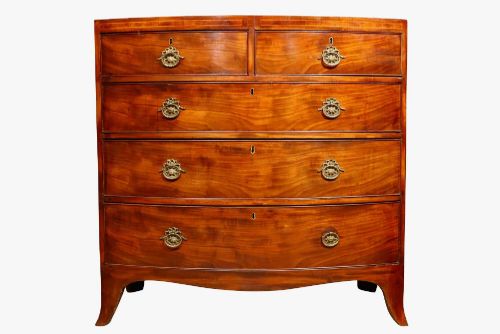
You are most likely to meet mahogany examples from the nineteenth century, including the Regency and Georgian periods. Many feature bow fronts, flame mahogany veneers, or satinwood banding, originating from English and Scottish workshops.
How they were made
Cabinet makers relied primarily on solid mahogany and flame mahogany veneer applied over secondary timbers such as pine and oak. These surfaces were often enhanced with contrasting satinwood banding, rosewood details, and inlaid stringing.
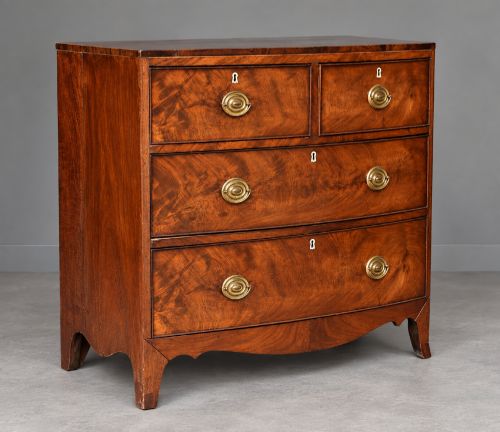
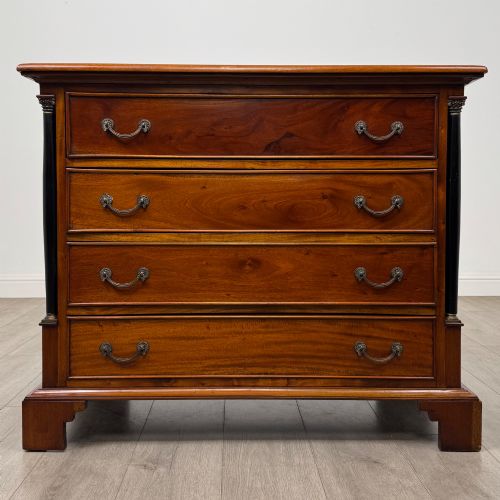
Construction involved joining separate upper and lower sections on tall chests, fitted with brass drawer pulls and sometimes bone escutcheons. Drawers were built with traditional tongue and groove joints and lined with timbers like oak.
Regency Tallboy Chest Retail Price Guide 2026
Typical asking prices for regency tallboy chest among the pieces listed under this phrase on Sellingantiques today, from the lower quarter to the upper quarter. They describe what is for sale here now, not the wider market.
Listings feature nineteen-century periods including Regency, Georgian, and William IV, alongside later Edwardian interpretations.
What varies in quality
The choice of timber creates a clear distinction across the range, separating plain surfaces from pieces chosen for richly figured flame mahogany veneer. Careful matching of grain patterns across multiple drawer fronts signals superior cabinet work.
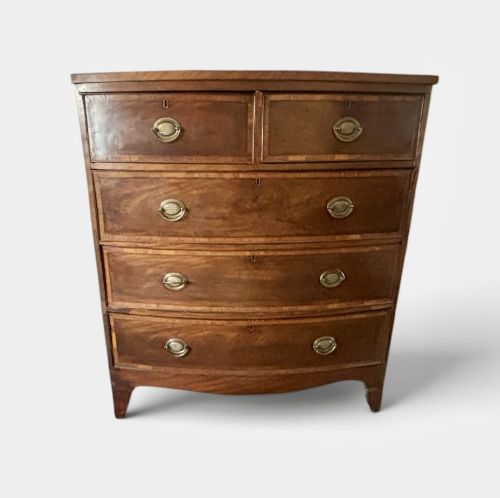
Proportion and detail separate standard examples from finer pieces. Refined execution shows in delicate satinwood crossbanding, well-turned feet, and crisp brass hardware rather than heavy or plain secondary woods.
T & G Seddon
The Regency Tallboy Chest Glossary
- Tallboy
- A tall chest of drawers, often built as a chest on chest where a smaller upper section sits upon a larger lower base.
- Bow front
- A convex, curved front profile that projects outward from the centre, frequently seen on Regency case furniture.
- Flame mahogany
- A highly figured timber veneer displaying a distinct flame-like pattern caused by the way the wood is cut from the log.
- Crossbanding
- A narrow strip of veneer laid perpendicular to the main grain along the edges of a drawer front or tabletop.
- Escutcheon
- A protective plate surrounding the keyhole of a drawer, commonly fashioned from brass or bone.
Regency Tallboy Chest: Frequently Asked Questions
What is a regency tallboy chest used for?
These pieces were built to store clothing, linens, and personal items in tall, vertically stacked drawers that maximised storage capacity while conserving floor space in bedrooms.
Their substantial height made them practical for domestic rooms where wardrobe space was limited.
How do I tell a tallboy from a standard chest?
A tallboy is significantly taller because it is typically constructed in two separate sections, placing one chest directly on top of another.
Standard chests of drawers are lower single units designed to sit at waist height, whereas tallboys rise well above eye level.
Where were these chests made?
The recorded pieces originate largely from English and Scottish cabinet makers working during the Georgian and Regency eras.
Regional preferences emerge in the construction, with Scottish examples frequently utilising oak linings alongside flame mahogany veneers.
How do I fit a tallboy into a modern room?
Because of their vertical build, tallboys occupy minimal floor area while offering deep capacity, making them suitable for corners or blank wall spaces.
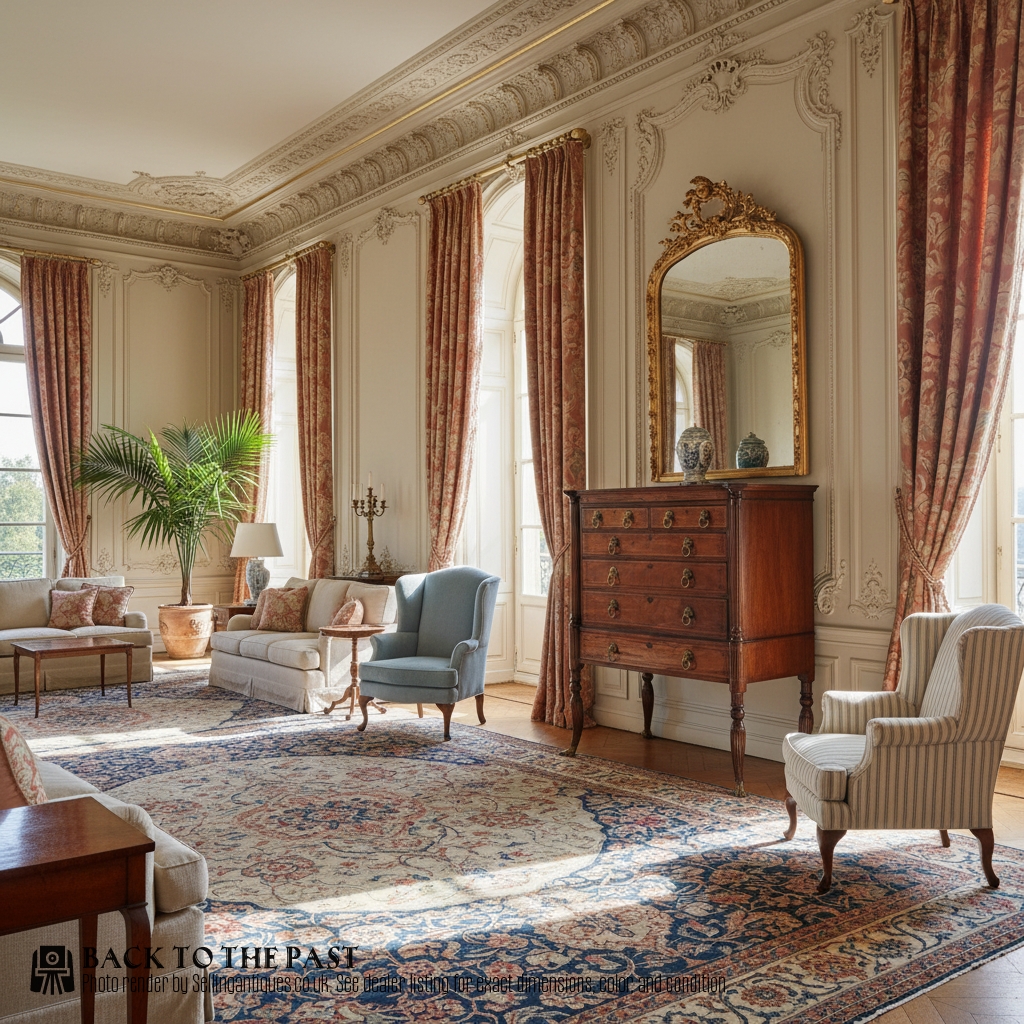
Their dark mahogany tones pair well with neutral walls, allowing the figured wood grain to act as a focal point.