


Regency Tall Table
Regency tall table pieces are slender, elevated furnishings that elevate a room's vertical line, and you want one for their refined proportions and period utility.
Regency Tall Table
When you search for a regency tall table, you encounter a specialised group of elevated furnishings designed to stand high against a wall or beside a seat. These pieces include torchere stands, pedestal plant holders, urn kettle stands, and tall occasional furniture.
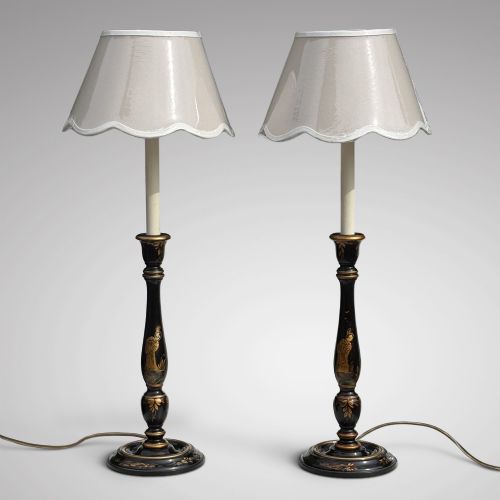
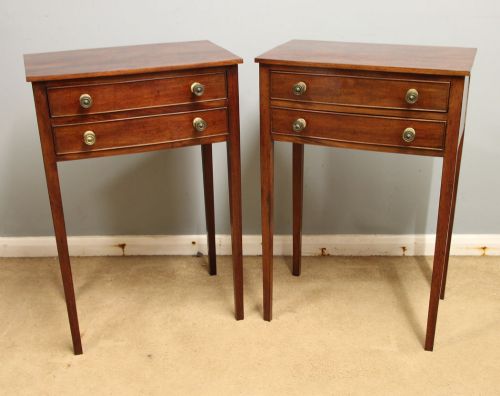
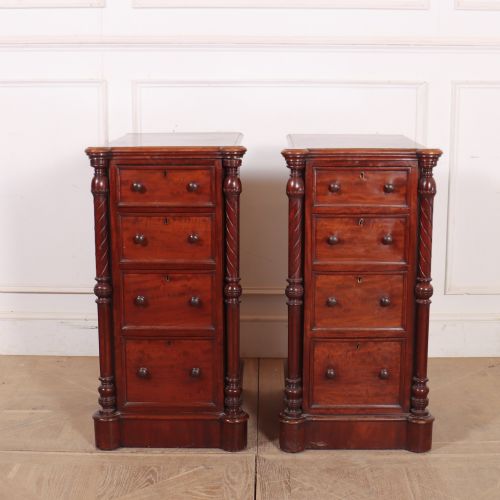
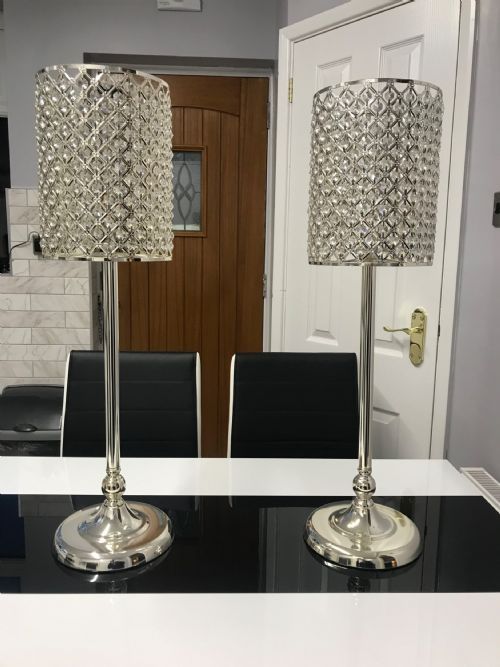
The selection on this page leans heavily into the Regency period and its later revivals, alongside pieces from the nineteenth and early twentieth centuries. You will find slender lamp tables, bedside chests, and brass column lamps sharing this vertical emphasis.
Materials and construction
Timber selection dictated the character of these tall pieces, with dense hardwoods like mahogany, rosewood, yew, and amboyna chosen for their strength and rich grain. Cabinetmakers also utilised walnut, lacquered wood, and painted finishes to achieve varied surface textures.
Cast metals and gilded elements frequently appear in the support structures and lighting mounts. Brass, bronze, silver plate, and giltwood provide structural rigidity and reflective contrast against the dark timbers.
Listings feature mahogany, brass, and lacquered wood applied to nineteenth-century torchere stands, bedside chests, and column lamps.
Assessing quality and finish
The distinction between ordinary utility items and superior examples lies in the crispness of the carving and the selection of timber veneers. Better pieces display precise turning on columns, tightly fitted joinery, and well-figured mahogany or exotic woods.
Proportion and stability determine the success of these tall forms, as height demands careful balancing of base weights and slender shafts. Superior workshops ensured that pedestals remained firm and upright without heavy bracing.
Gillows
The Regency Tall Table Glossary
- Torchere
- A tall, slender stand designed to hold a candle or lamp. These pieces often feature tripod or pedestal bases supporting an elevated platform.
- Pot cupboard
- A small bedside cabinet or enclosed table designed originally to house a chamber pot. They frequently exhibit tall proportions with a single door and drawer.
- Pricket candlestick
- A candleholder featuring a sharp metal spike upon which a large wax candle is mounted. They are typically cast in heavy brass.
- Column lamp
- A lighting standard fashioned to resemble a classical architectural column. They often incorporate Corinthian or Doric capitals in brass or bronze.
Regency Tall Table: Frequently Asked Questions
What is a regency tall table used for?
These elevated surfaces served practical roles in historic interiors, holding lighting, kettles, or decorative plants at a convenient height. Their narrow footprints allowed them to fit into tight corners or beside seating without crowding the room.
Today, they function well as lamp stands, bedside surfaces, or display plinths for ceramics and sculptures. Their height helps break up flat expanses of wall in rooms with high ceilings.
How do I spot a true period piece?
Examine the construction methods, timber patination, and wear patterns around high-contact areas like edges and feet. Period pieces generally show hand-cut joinery and signs of age consistent with nineteenth-century workshop practices.
Compare the turning style and decorative motifs against documented examples from the Regency era. Neoclassical details such as reeded legs, brass mounts, and flame mahogany veneers provide strong chronological clues.
Where should I place a tall table?
Position these pieces in corners, beside doorways, or flanking larger items of furniture where a vertical accent is useful. Their slender profiles make them ideal for adding function to transitional spaces like hallways and landings.
Ensure that tall, narrow stands rest on level flooring to maintain stability, particularly if they support heavy lamps or decorative vessels. Avoid placing delicate polished woods in direct, harsh sunlight.
How do I care for antique mahogany furniture?
Dust the surfaces regularly with a soft, dry cloth to prevent abrasive particles from accumulating on the finish. Avoid using silicone sprays or heavy commercial polishes that can build up and dull the timber over time.
Maintain a stable indoor humidity level to prevent the wood and veneers from drying out and splitting. Apply a quality beeswax sparingly when the timber appears dry to nourish the grain.