
Pair of Display Stands
A pair of display stands serves to elevate objects or furnish corners, uniting form and function across centuries of British and continental design.
Pair of Display Stands
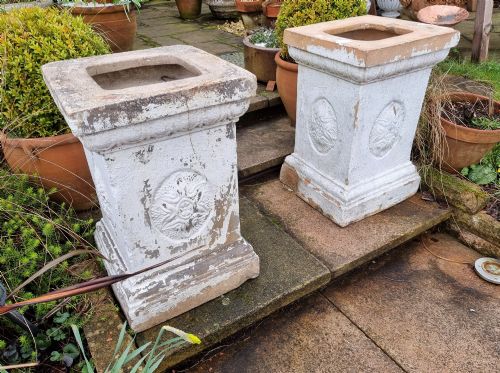
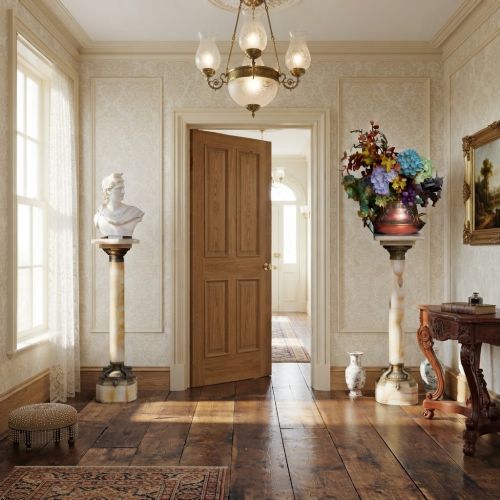
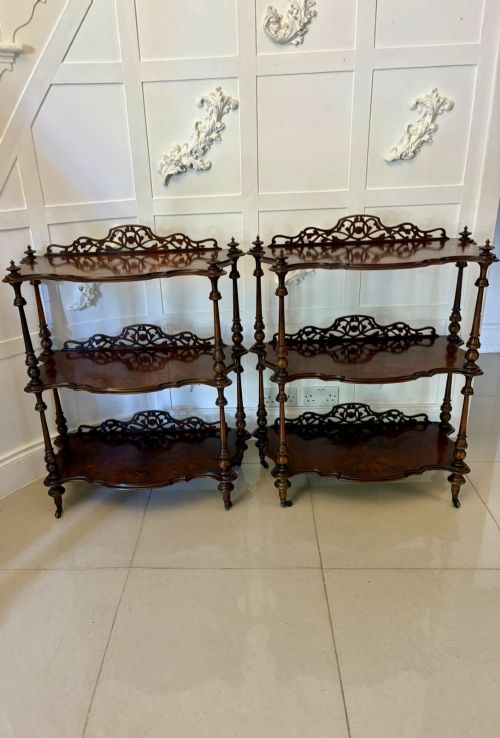
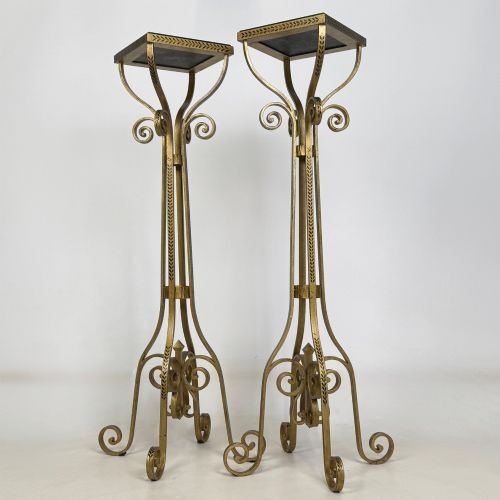
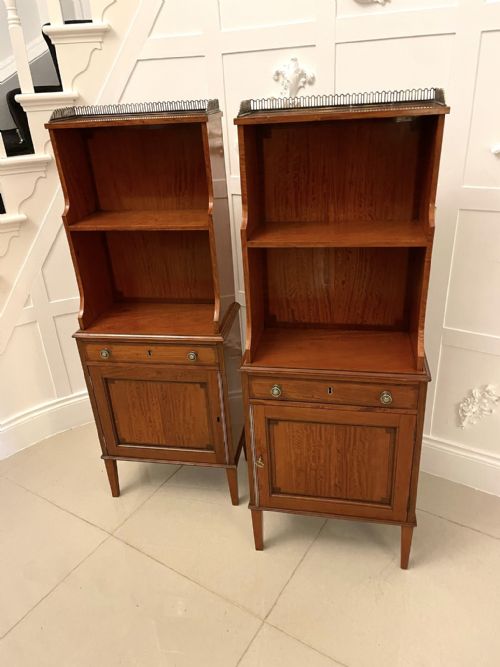
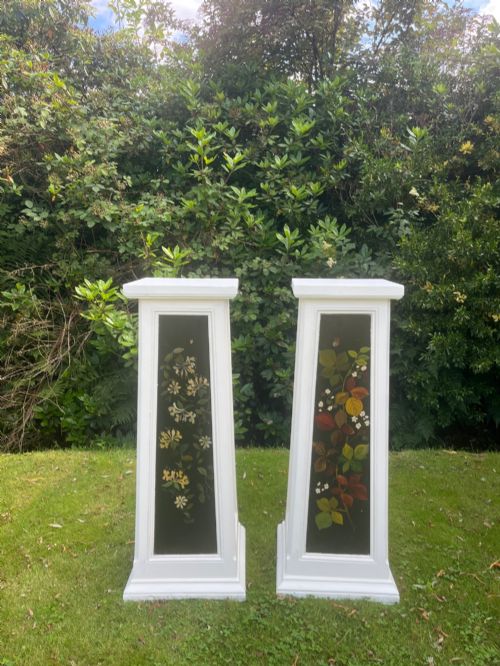
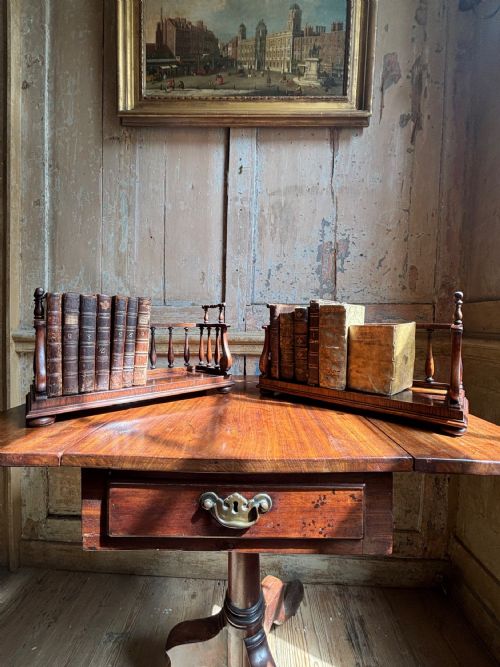
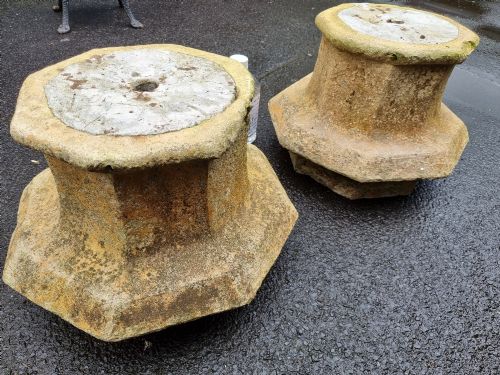
A pair of display stands encompasses pedestals, torcheres, whatnots, and specialised holders intended to showcase items within domestic and commercial interiors. When searching for a pair of display stands, buyers encounter items ranging from tall columns to low plant holders.
The evidence records forms stretching from the eighteenth century through the Edwardian era, spanning mahogany, marble, rosewood, and hardwood. These pieces serve practical roles as plant supports, sculpture columns, or tier-based display units.
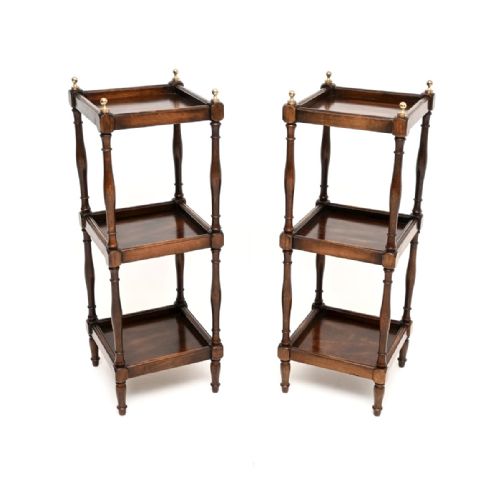
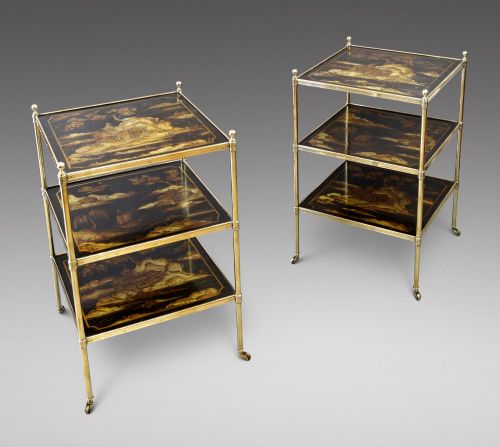
Victorian and nineteenth-century examples dominate the selections, alongside Edwardian and earlier Georgian iterations. Buyers regularly find corner units, classical columns, and multi-tiered wooden shelves sharing the category.
Materials and construction
Cabinetmakers utilised dense timbers like mahogany, rosewood, walnut, and oak alongside exotic hardwoods such as Chinese varieties. Turning, joining, and carving methods define the structural integrity of these wooden frames.
Stone elements incorporate marble, alabaster, and composite stone, frequently combined with cast brass, ormolu collars, and bronze mounts. Surface treatments involve polished wood finishes, lacquer, and paint.
Construction techniques balance weight distribution, particularly in tall torcheres, marble columns, and multi-tier whatnots where stability supports the displayed object.
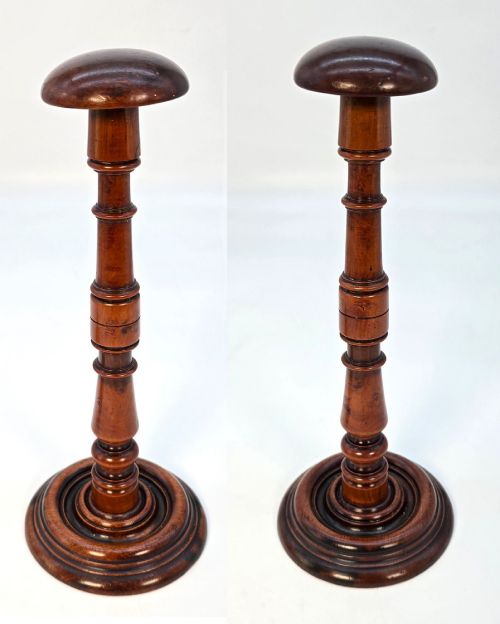
Historical milliners utilised specialised wooden wig and hat stands to shape and display headwear in nineteenth-century shops.
Distinctions in construction and material
Execution of carved detail and the selection of figured timbers distinguish finer examples from standard production. Grain matching in burr walnut or satinwood indicates maker intent.
Integration of secondary materials, such as cast bronze mounts or matched marble sections, influences the overall coherence of the piece. Joinery precision affects stability in taller columns and multi-tiered stands.
Gillows·Edwards & Roberts·George Smith·Thomas Hope·Heals
The Pair of Display Stands Glossary
- Torchere
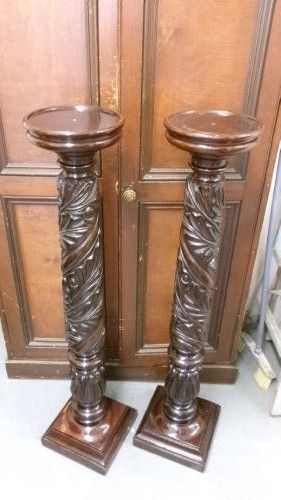
- A tall, slender stand designed specifically to support a lamp, urn, or figure. These pieces frequently feature carved wooden shafts or classical column forms.
- Whatnot
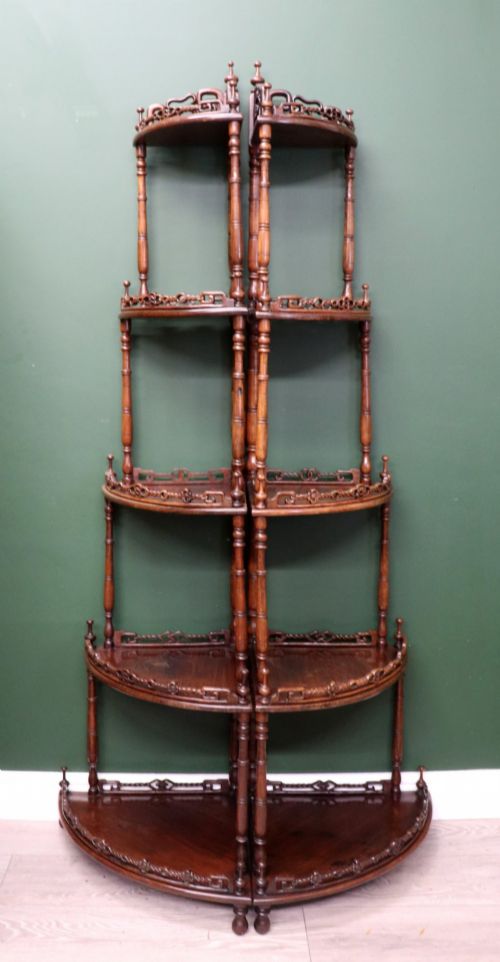
- A multi-shelved open cabinet or stand utilised for displaying ornaments and small objects. They appear in corner and freestanding configurations across the nineteenth century.
- Ormolu
- Gilded bronze applied as decorative mounts, collars, or feet on furniture and marble columns. This technique enhances classical revival designs.
- Pedestal
- A structural support or column raised to display a bust, vase, or sculptural work. They employ marble, hardwood, and plaster materials.
Pair of Display Stands: Frequently Asked Questions
What is a torchere?
A torchere is a tall, slender stand originally designed to hold a light source and later utilised for displaying figures or urns. They feature prominently in nineteenth-century interiors.
These pieces elevate decorative items to eye level, using materials like mahogany, bronze, and brass.
How do I use a whatnot?
A whatnot provides multiple open tiers for displaying small ceramics, books, or decorative objects. Corner versions make efficient use of difficult room angles.
They function well in living spaces and hallways to add vertical interest.
What are marble columns used for?
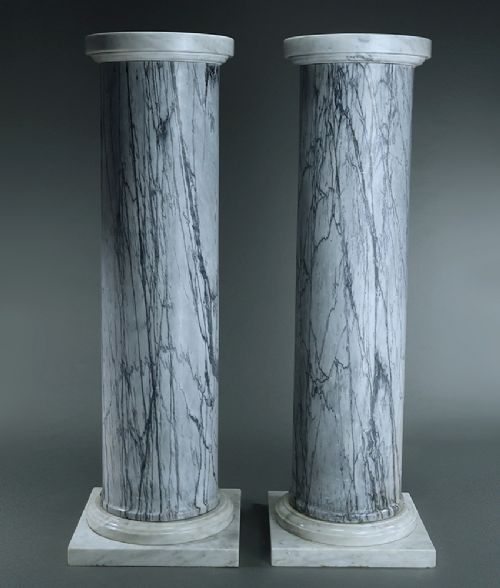
Marble columns serve as sturdy pedestals for heavy items such as bronze sculptures, clocks, or large vases. The stone provides both mass and a classical appearance.
Many examples incorporate brass or ormolu collars at the capital and base.
How do I date a wooden stand?
Dating relies on timber choice, construction methods, and stylistic cues such as Regency revival or Aesthetic Movement details. Elm, oak, and yew indicate earlier periods, while satinwood and burr walnut gain prominence later.
Secondary woods and joinery marks provide further confirmation of the manufacturing era.