
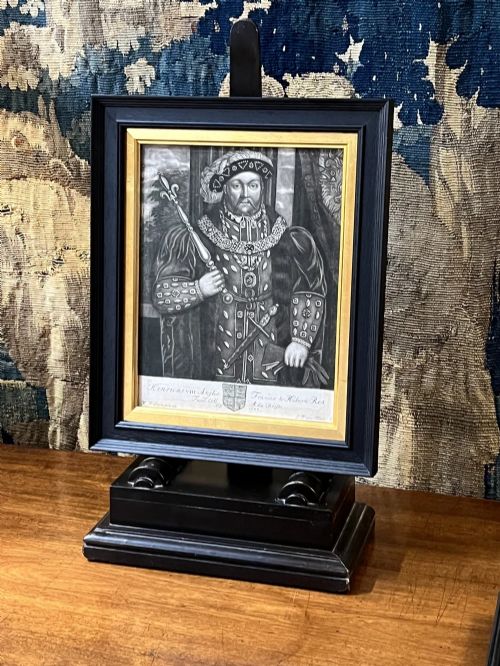


Ebony and Gilt Table
An ebony and gilt table combines dark dense woods with radiant metallic enrichment, creating a striking centrepiece for a traditional interior.
Ebony and Gilt Table
When you search for an ebony and gilt table, you encounter diverse forms ranging from nineteenth-century centre pieces to Victorian writing furniture and occasional tables. These pieces utilise dark ebonised finishes alongside contrasting metallic highlights.
The selection frequently includes French round tables alongside nineteenth-century examples and parcel gilt occasional pieces. The forms span from compact side furniture to larger centre tables bearing elaborate gilt enrichment.
Makers and styles stretch across the Victorian era, the Aesthetic Movement, and the Regency period, demonstrating how cabinet makers utilised contrasting dark wood and gold leaf over generations.
Materials and construction
Craftsmen built these tables using solid woods or secondary timbers finished with ebonised treatments to simulate expensive tropical hardwoods. Surface decoration relied upon gold leaf and parcel gilt detailing applied to carved mouldings and turned supports.
Makers incorporated brass and ormolu mounts alongside glass components where the design required structural or decorative enrichment. Cabinet makers selected dense woods such as walnut or amboyna as carcasses before applying dark finishes and metallic gilding.
Some tables require an exceptional level of dusting discipline, as black surfaces expose every single speck of household lint.
Evaluating quality and execution
Quality reveals itself in the crispness of the carving and the depth of the ebonised finish applied to the timber carcass. Superior examples display refined proportions and precise application of gold leaf rather than heavy paint.
The integrity of the underlying wood construction and the preservation of original parcel gilt highlights distinguish finer specimens from later adaptations. Attention to detail in the joinery and mountings separates standard production from exceptional cabinet work.
Paul Sormani·Henry Clay·Jonathon Lowndes·Joseph Windmills·William Speakman
The Ebony and Gilt Table Glossary
- Ebonised
- Wood treated with stain or paint to imitate true ebony. This process allowed cabinet makers to achieve a dense black finish on more accessible timbers.
- Parcel Gilt
- Partial gilding applied to specific decorative elements of a piece. It highlights carved details and mouldings against a dark background.
- Ormolu
- Gilt bronze mounts used for decorative enrichment on fine furniture. French makers utilised this technique extensively on nineteenth-century pieces.
- Aesthetic Movement
- A late nineteenth-century design style emphasising visual qualities over narrative content. It produced furniture featuring dark wood finishes and delicate gilt decoration.
Ebony and Gilt Table: Frequently Asked Questions
What is an ebony and gilt table?
An ebony and gilt table is a piece of furniture featuring a dark ebonised or ebony wood surface combined with gold leaf or parcel gilt highlights. These pieces range from nineteenth-century centre tables to Victorian writing furniture.
Craftsmen created them to provide striking contrast within formal rooms, pairing dark wood tones with reflective metallic enrichment.
How do I care for ebonised wood?
Care for ebonised and gilt surfaces by dusting gently with a dry microfibre cloth to protect the delicate metallic leaf. Avoid liquid cleaners and harsh polishes that can degrade the dark finish.
Keep the furniture away from direct sunlight and excessive humidity to prevent the wood beneath from moving and cracking the finish.
Which periods produced these tables?
These tables appear primarily from the nineteenth century, encompassing Regency and Victorian eras as well as the Aesthetic Movement. Makers during these times revived earlier decorative techniques.
French workshops also produced gilt round tables and centre furniture utilising traditional styles during the eighteen-eighties and nineties.
How do I identify a Victorian example?
Victorian examples often incorporate specific design movements such as the Aesthetic style, pairing burr thuya or walnut with parcel gilt details. Construction methods and secondary timbers help confirm the nineteenth-century date.
Examine the joinery and the application of the ebonised finish to distinguish genuine Victorian production from later copies.