




Regency Silver Jug
These regency silver jug pieces offer fine metals and classic forms that suit any dining table.
Regency Silver Jug
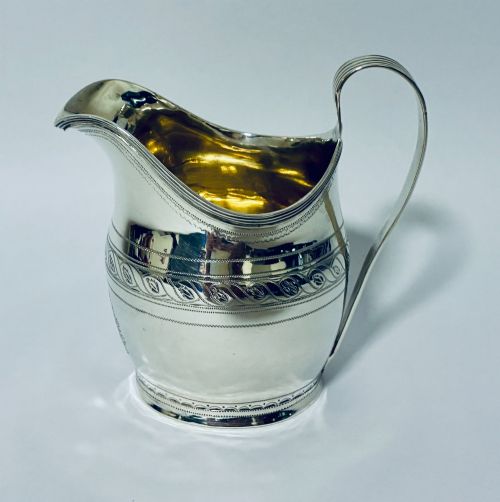
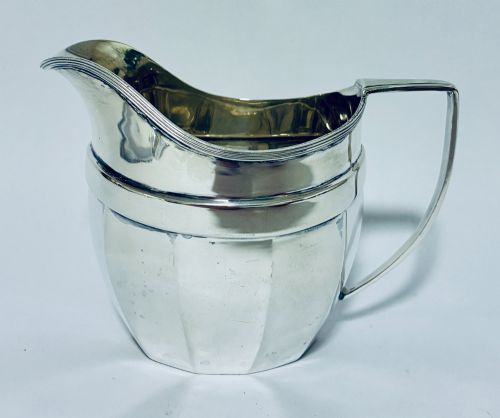
When you search for regency silver jug, you are looking at functional vessels designed for serving cream, milk, wine, or coffee during formal tea and dining services. These objects originate from the Georgian and Regency periods, alongside later nineteenth and twentieth-century interpretations.
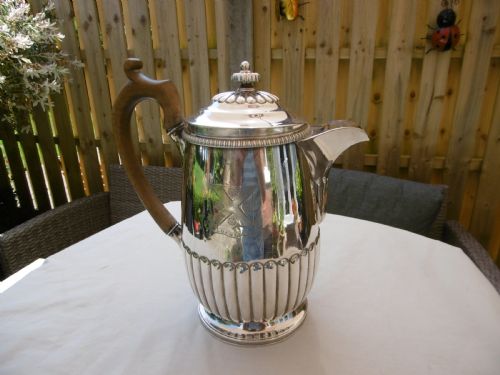
The selections available on this page include cream jugs, milk jugs, coffee pots, wine ewers, pitchers, and complete tea sets. Forms range from provincial cream jugs to large coffee pots and decorative wine ewers bearing family crests or coats of arms.
Materials span sterling silver, silver plate, and Old Sheffield plate, occasionally featuring gilt or gold wash interiors and wood handles. Many examples date from the early nineteenth century, reflecting the classic styles of the Regency era.
How they were made
Silversmiths utilised traditional techniques to shape sterling silver and silver plate into sturdy, elegant bodies. Handles and spouts were securely attached, while decorative elements such as grape vine and leaf motifs were applied with precision.
Old Sheffield plate combined copper and silver through thermal fusion, creating durable vessels with a rich metallic sheen. Master makers oversaw the melting, hammering, and finishing processes to ensure structural integrity and visual balance.
Listings feature sterling silver, silver plate, and Old Sheffield plate across Georgian and Regency periods.
What varies in quality
The distinction between standard items and superior examples lies in the weight of the metal and the crispness of the chased or engraved details. Heavier pieces with crisp crests, coats of arms, and fully legible hallmarks represent higher manufacturing standards.
Makers such as Matthew Boulton or Edward Power achieved notable distinction through refined proportions and intricate decorative borders. The presence of original gilding, intact wooden elements, and matched tea set components further elevates the standing of an individual piece.
Matthew Boulton·Edward Power·Benjamin Smith·William Hunter
The Regency Silver Jug Glossary
- Sterling silver
- A silver alloy containing 92.5 percent pure silver by mass and 7.5 percent other metals, usually copper. This standard composition provides durability while maintaining a bright metallic appearance.
- Old Sheffield plate
- An early method of fusing a thin sheet of silver to a thicker copper base. It is identifiable by a thin line of copper visible at cut edges or wear points.
- Hallmark
- An official stamp applied by an assay office to indicate the purity of the metal, the year of manufacture, and the maker. These marks provide reliable documentation for dating antique silver.
- Ewer
- A large jug with a flared spout and a curved handle, traditionally used for holding and pouring wine or water. Regency examples often feature classical proportions and decorative crests.
- Gilt
- A thin layer of gold applied to the interior or exterior surface of a silver vessel. This technique protected the metal from the corrosive effects of acidic liquids like cream.
Regency Silver Jug: Frequently Asked Questions
What is Old Sheffield plate?
Old Sheffield plate is an early fusion material made by bonding silver to a copper core. This technique predates modern electroplating.
Items made this way display a distinct copper edge upon close inspection where the metals meet.
How do I clean antique silver?
Antique silver requires gentle cleaning with a soft cloth and specialised silver polish to preserve the metal. Avoid harsh abrasive cleaners that can remove fine details.
Frequent light dusting prevents tarnish accumulation better than harsh scrubbing.
Are these jugs safe for daily use?
While these vessels were originally made for dining tables, many collectors prefer to display them as decorative art. Sterling silver and silver plate remain safe for serving liquids if cleaned properly after use.
Care should be taken with pieces featuring original wood handles or delicate gilt interiors.
How can I date my silver jug?
Dating relies heavily on reading the hallmarks stamped into the metal by official assay offices. These marks indicate the specific year and city of manufacture.
Stylistic elements like shape, handle design, and decorative motifs also help identify the period.