


Regency Reading Desk
A regency reading desk combines practical utility with refined cabinetmaking, offering adjustable surfaces for study and correspondence.
Regency Reading Desk
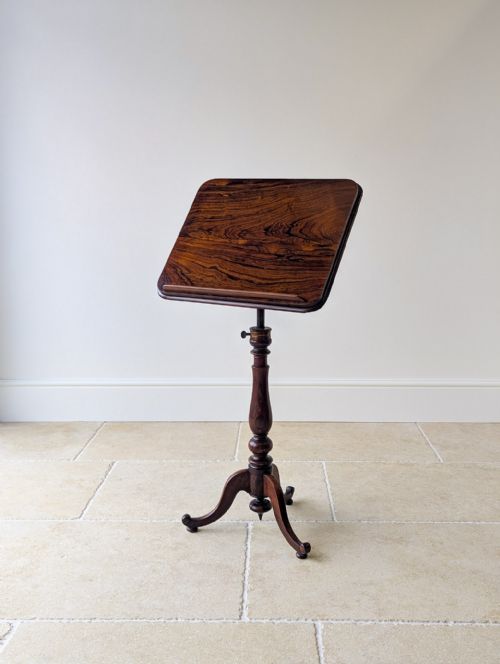
A regency reading desk encompasses specialised stands, tables, and adjustable writing furniture designed for study and correspondence. These pieces originate primarily from the 19th Century, drawing on Georgian, Regency, and William IV styles.
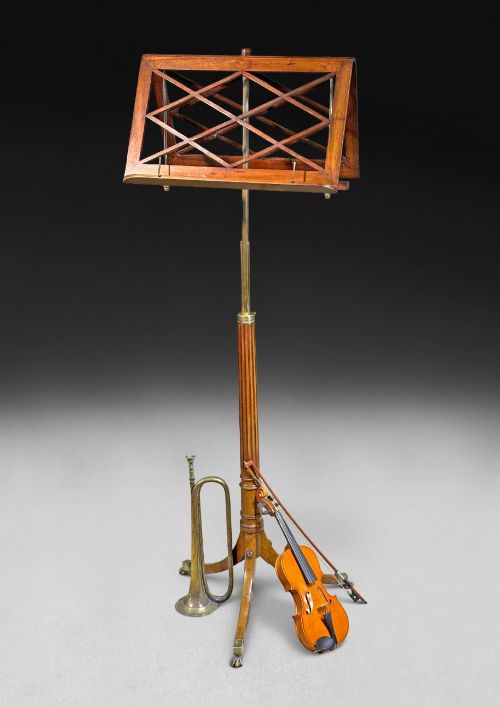
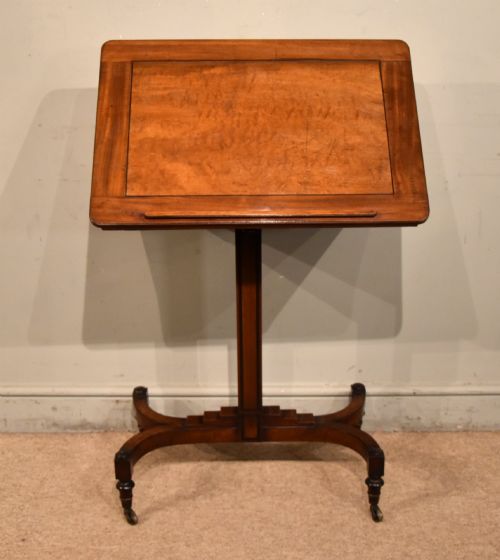
The selection frequently includes reading tables, campaign table top reading stands, and adjustable reading or music tables. Mahogany and rosewood form the structural backbone of these utilitarian yet elegant forms.
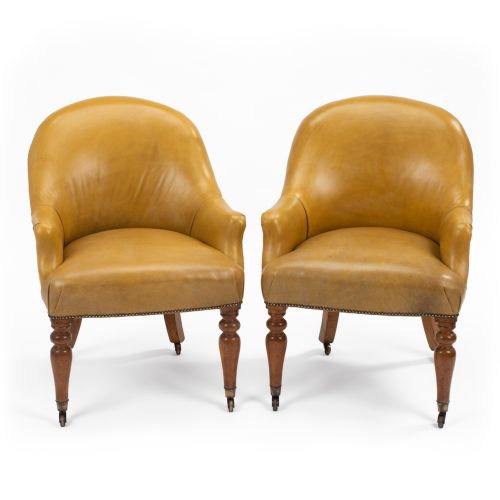
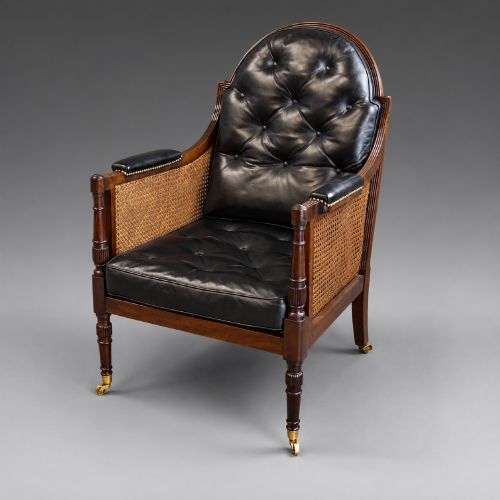
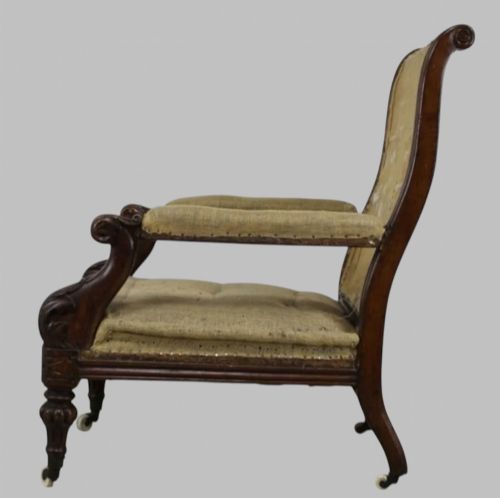
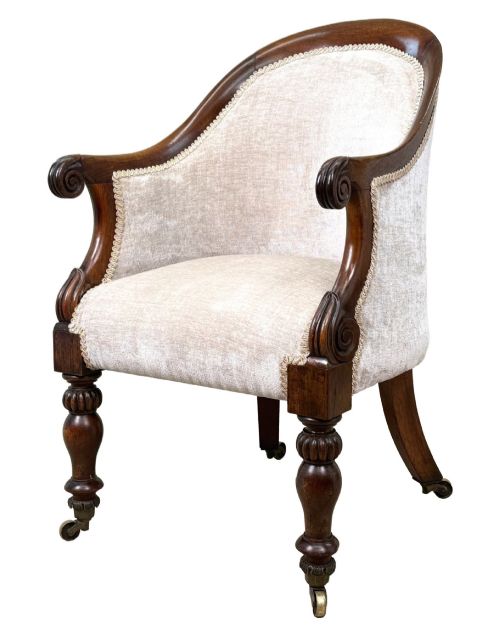
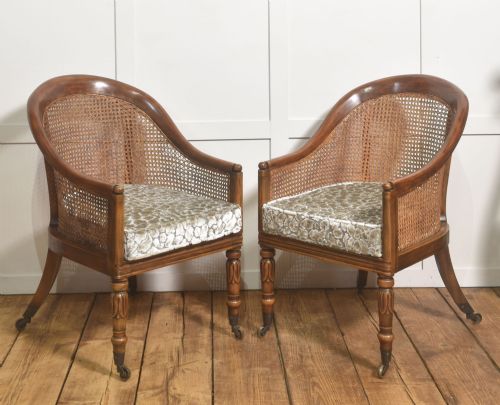
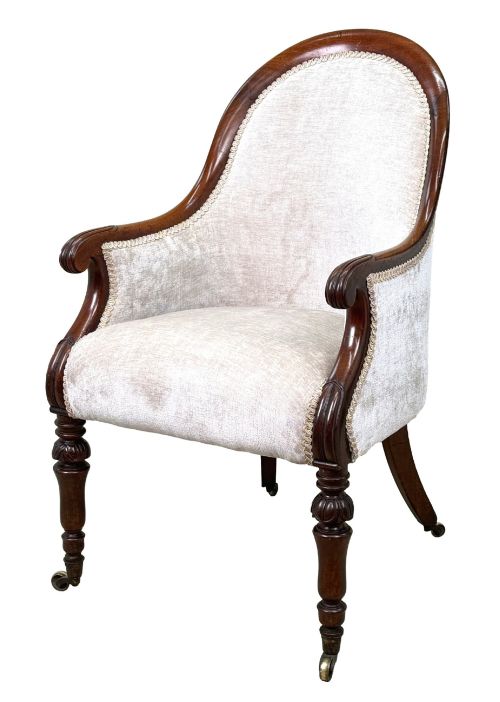
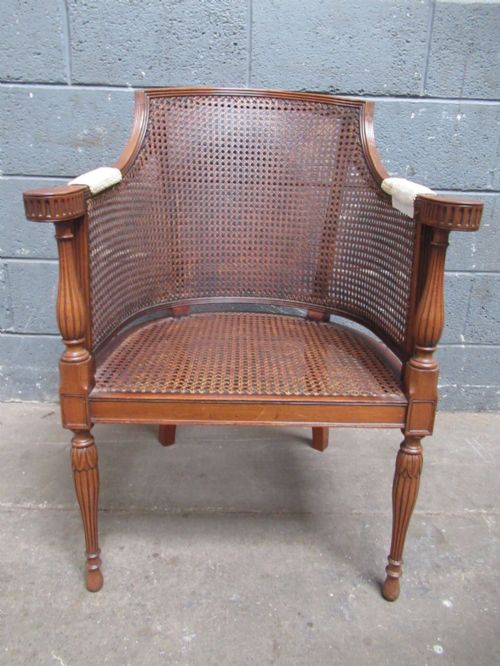
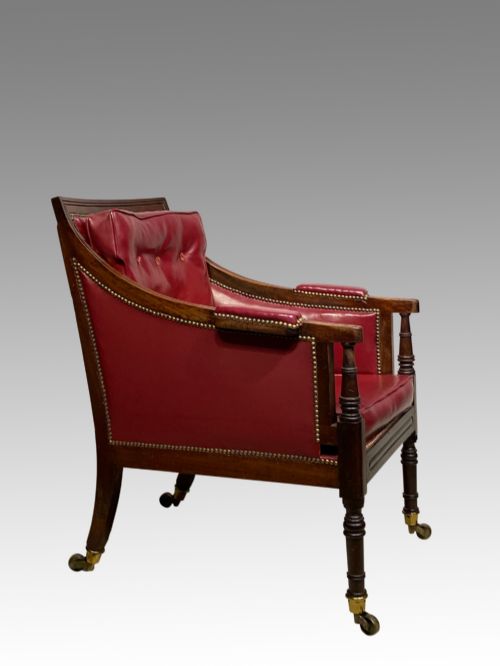
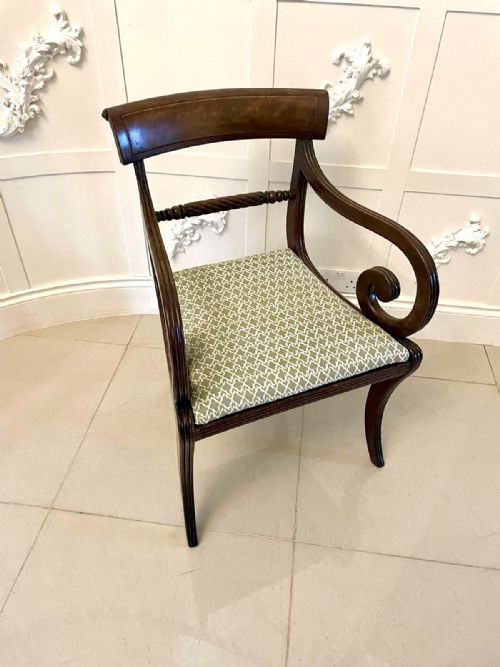
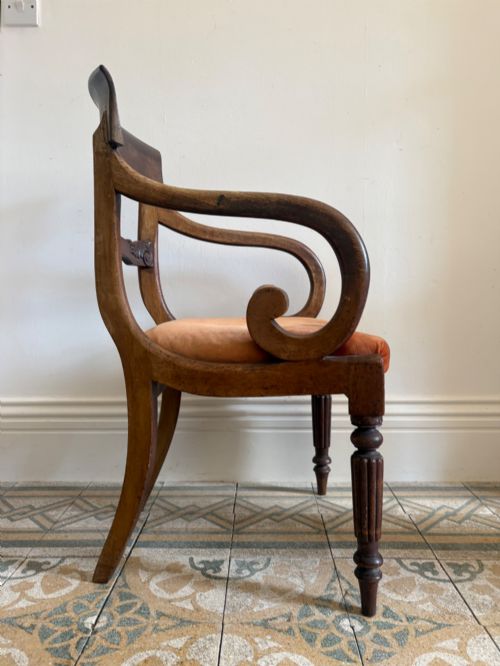
Armchairs and library chairs with reading adaptations also appear among the offerings. These seating options often feature leather upholstery or caned bergère panels suited to prolonged use.
Materials and construction
Cabinetmakers utilised dense timbers such as mahogany and rosewood to build stable reading stands and desks. These hardwoods provided the necessary durability for adjustable ratchets and folding reading surfaces.
Metal components in brass, ormolu, and bronze frequently reinforced moving parts or added decorative detail. Leather inserts provided a suitable writing surface atop mahogany foundations.
Regency Reading Desk Retail Price Guide 2026
Typical asking prices for regency reading desk among the pieces listed under this phrase on Sellingantiques today, from the lower quarter to the upper quarter. They describe what is for sale here now, not the wider market.
Some reading stands include folding ledges designed specifically to keep heavy leather-bound folios from sliding onto the floor.
Factors of distinction
The sophistication of the mechanical adjustment mechanisms separates standard pieces from finer examples. Smoothly operating ratchets and solid brass fittings demonstrate superior workshop practice.
Timber selection and secondary wood choices dictate the overall integrity of the piece. Well-figured mahogany and rosewood veneers applied to sound carcases distinguish the top of the range.
Gillows·Messenger
The Regency Reading Desk Glossary
- Bergère
- An enclosed upholstered armchair with cane or wicker side panels. These chairs often feature loose squab cushions.
- Ormolu
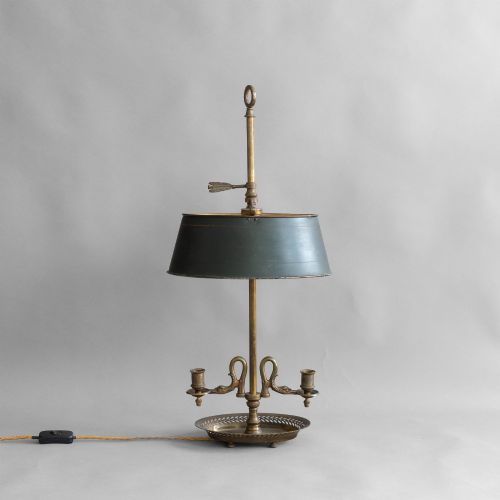
- Gilt bronze ornamentation applied to furniture and lamps. The technique involves mercury gilding on a bronze base.
- Ratchets
- Toothed metal racks that hold an adjustable desk or reading stand at a chosen angle. They allow precise positioning for the reader.
- Gonçalo Alves
- A dense exotic hardwood used in cabinetmaking. It displays distinctive contrasting dark brown grain patterns.
Regency Reading Desk: Frequently Asked Questions
What is a regency reading desk?
A regency reading desk is an adjustable piece of furniture designed to hold books or writing materials at a comfortable angle. These items reflect the functional design priorities of the early nineteenth century.
Craftsmen built them using dense hardwoods like mahogany and rosewood, incorporating brass ratchets for height and angle adjustments. They served scholars, readers, and writers in libraries and studies.
How do I use a reading stand today?
Reading stands and tables adapt easily to modern living spaces as side tables or book display surfaces. Their adjustable tops hold books, tablets, or laptops at ergonomic angles.
Placing one beside an armchair creates a functional spot for reading or writing. The movable mechanisms allow you to alter the height and slant according to your preference.
How do I identify the Regency period?
The Regency period spans the early nineteenth century, characterised by classical proportions and restrained ornament. Furniture from this era often shows neoclassical influences inspired by ancient Rome and Greece.
Look for reeded legs, brass inlay, and dark mahogany or rosewood timbers. Design motifs like ormolu mounts and bronze details also signal this stylistic era.
Are these desks suitable for daily use?
These pieces were built for utility and remain robust enough for daily tasks in a contemporary home. Their solid timber construction and mechanical joints withstood generations of use.
Treating the polished wood and leather surfaces with care ensures they endure further decades of service. They combine practical workspace utility with historical character.