

Regency Porcelain Cup Saucer
A regency porcelain cup saucer represents the peak of British ceramic artistry, offering collectors a refined vessel from the early nineteenth century that elevates any cabinet or morning routine.
Regency Porcelain Cup Saucer
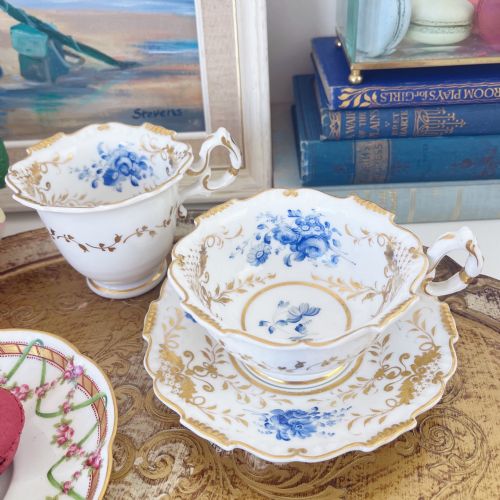
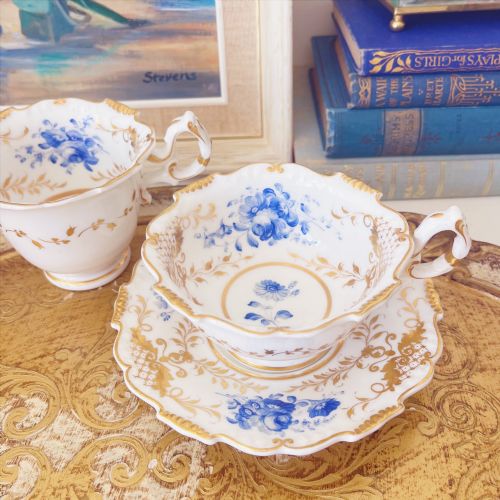
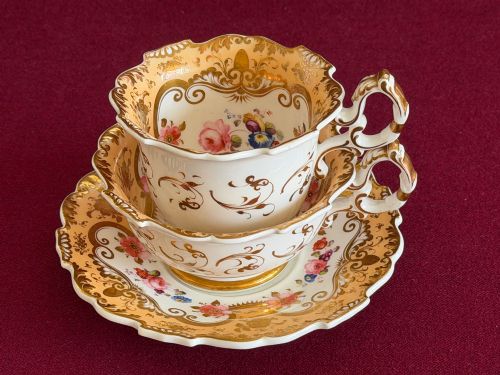
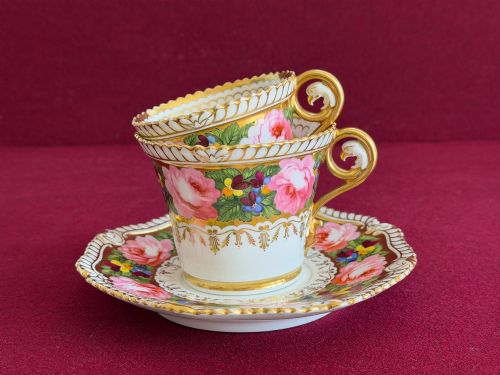
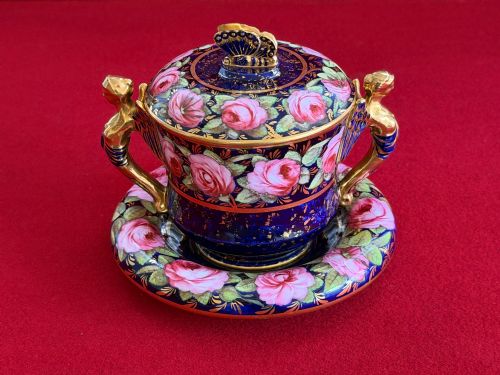
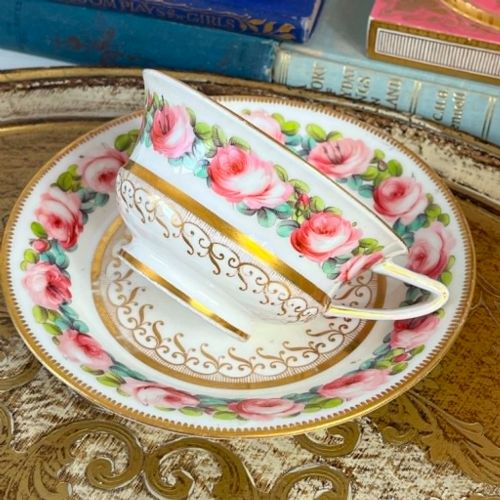
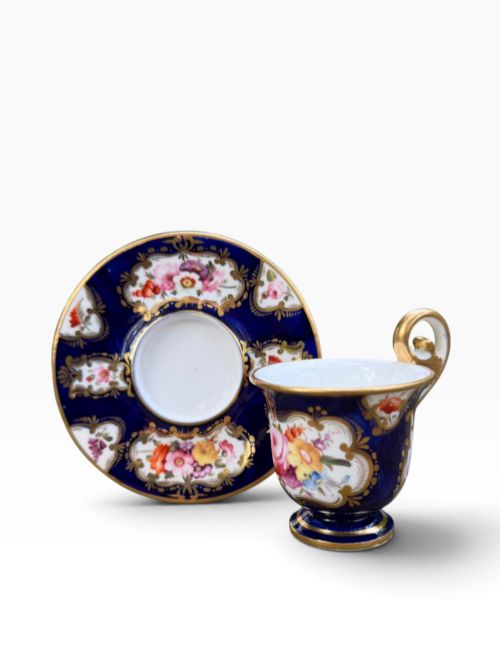
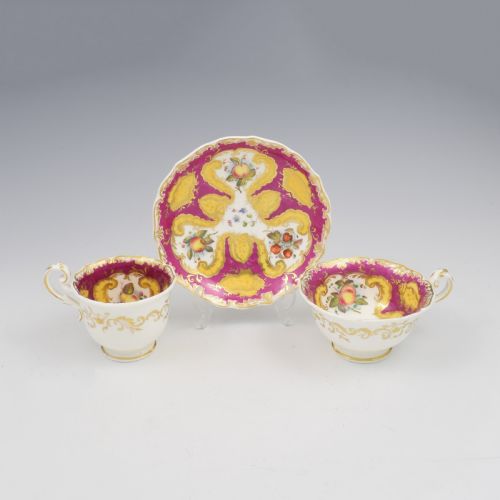
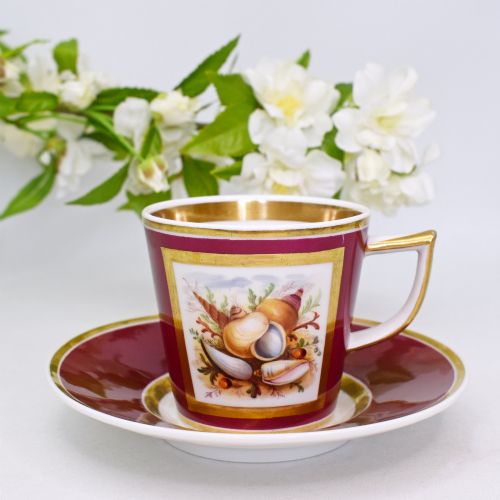
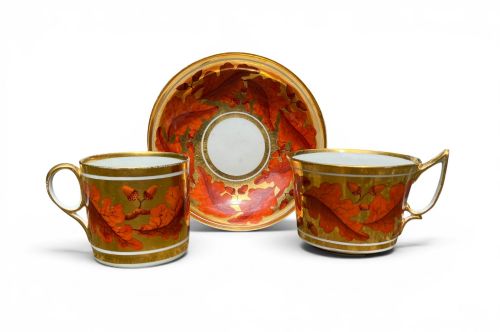
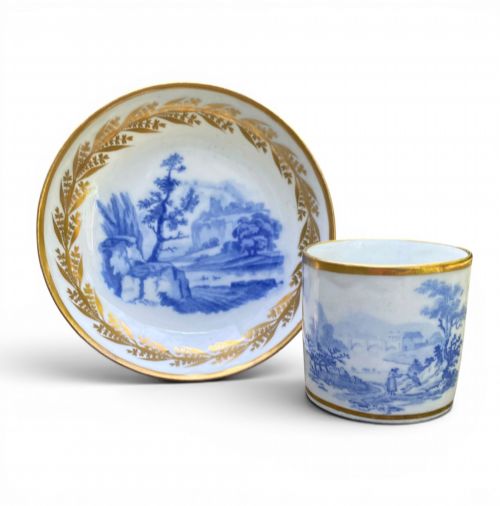
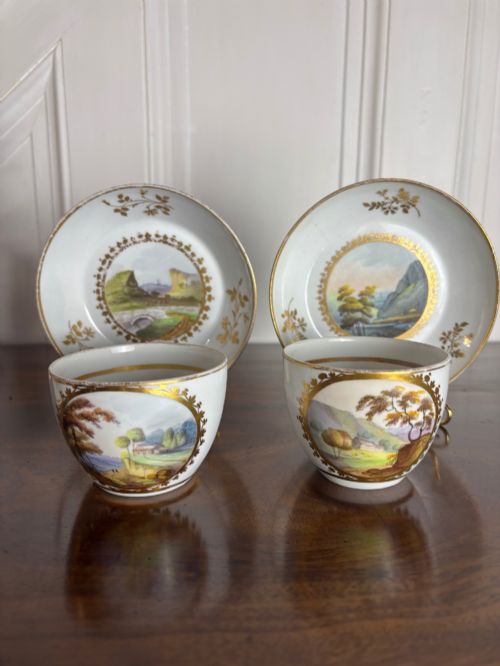
A regency porcelain cup saucer encompasses delicate teacups, coffee cans, chocolate cups, and matching saucers produced across various British factories. Most examples on this page date from the Regency and Georgian periods, spanning roughly the years between 1800 and 1830.
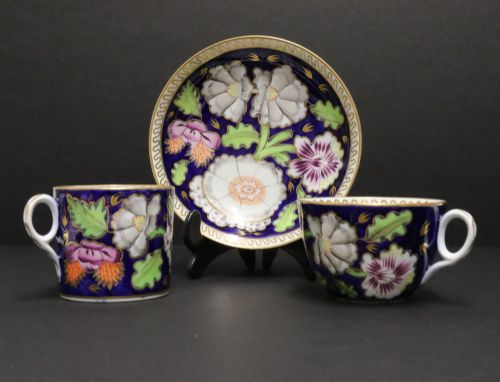
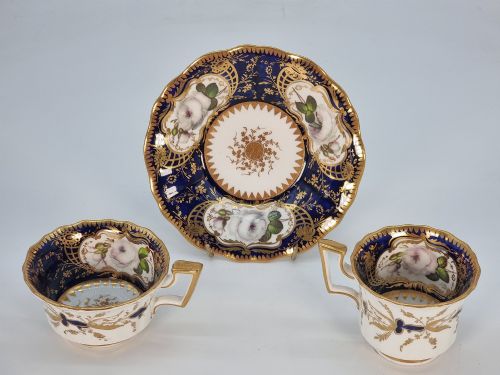
Forms range from individual duos to expansive trios that include both a teacup and a coffee cup alongside the saucer. Collectors frequently encounter cabinet cups and stands designed primarily for display rather than daily use.
How they were made
Potters utilised fine porcelain and bone china bodies, often shaping them into distinct forms such as the London shape or specialised image handles. Artisans then applied handpainted motifs, cobalt enamel, and rich gilding using gold leaf and gold gilding.
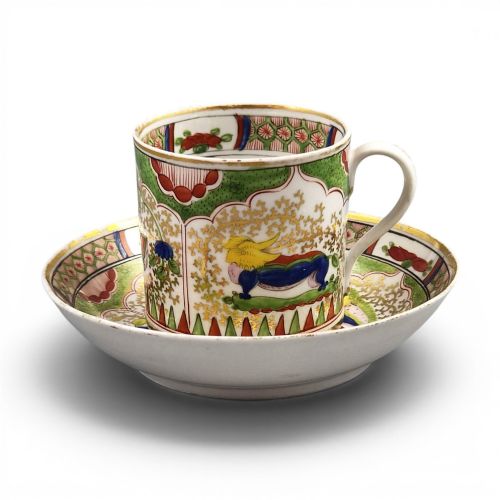
Firing techniques of the era allowed for intricate polychrome decorations, including Imari patterns and detailed landscapes, which were frequently executed by named porcelain painters of the workshops.
Listings feature porcelain and bone china vessels decorated with cobalt enamel, gold leaf, and handpainted motifs from the Regency and Georgian periods.
What varies in quality
The standard of a regency porcelain cup saucer rests upon the crispness of the moulding and the precision of the handpainting. Pieces featuring elaborate gilt work, armorial crests, or named botanical and landscape studies generally command greater attention from discerning collectors.
The translucency of the porcelain body and the complexity of the pattern, such as multi-fired Imari designs or specific factory shapes, further distinguish standard production wares from exceptional cabinet pieces.
H & R Daniel·Chamberlain Worcester·Spode·Coalport·Flight and Barr·New Hall·Minton·Derby·Rockingham·Ridgway
The Regency Porcelain Cup Saucer Glossary
- Trio
- A matched set consisting of a teacup, a coffee cup, and a saucer. This combination became particularly popular during the early nineteenth century.
- Coffee Can
- A straight-sided cylindrical cup designed specifically for drinking strong coffee. These pieces often feature delicate loop handles.
- Imari
- A decorative style inspired by Japanese export porcelain, typically utilising a palette of cobalt blue, iron red, and abundant gilding. It remains a hallmark of Regency ceramic design.
- Cabinet Cup
- A decorative cup, sometimes accompanied by a cover and stand, made primarily for display in a glass-fronted cabinet rather than practical tea service.
- Shrewsbury Shape
- A specific moulded ceramic contour utilised by period potteries such as H & R Daniel. It defines the profile of the vessel.
Regency Porcelain Cup Saucer: Frequently Asked Questions
What is the difference between a teacup and coffee cup?
Period sets often distinguished between wider, shallower teacups and taller, straighter coffee cans or cups. Coffee was traditionally served strong and hot after tea, requiring a different vessel shape.
Trios combined both cup styles with a single saucer, allowing the host to serve guests either beverage from a unified service.
How do I date a Regency piece?
Dating relies heavily on factory marks, pattern numbers, and stylistic shifts between the Georgian and Regency eras. Shape profiles, such as the popular London shape, also provide strong chronological clues.
Archival research into specific decorators and pattern books helps narrow down production years to specific decades like the 1810s or 1820s.
Why are some cups called cabinet cups?
Cabinet cups were produced strictly for visual appreciation rather than functional dining. They often feature elaborate stands, covers, or highly intricate painted scenes that would wear away with heavy use.
Wealthy households purchased these to showcase their refined taste and the technical skill of contemporary English potteries.