

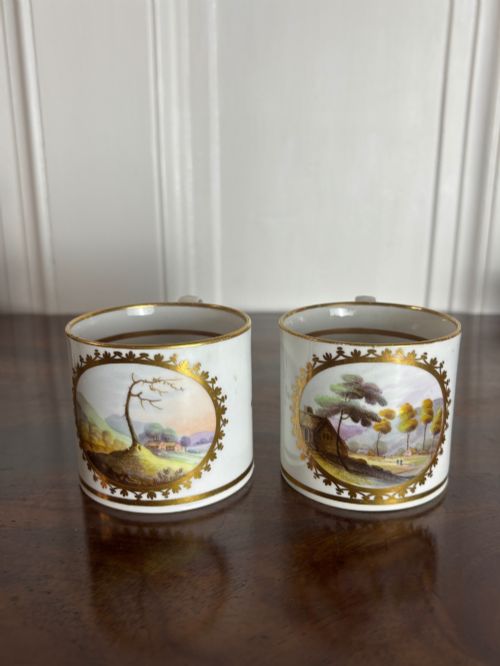
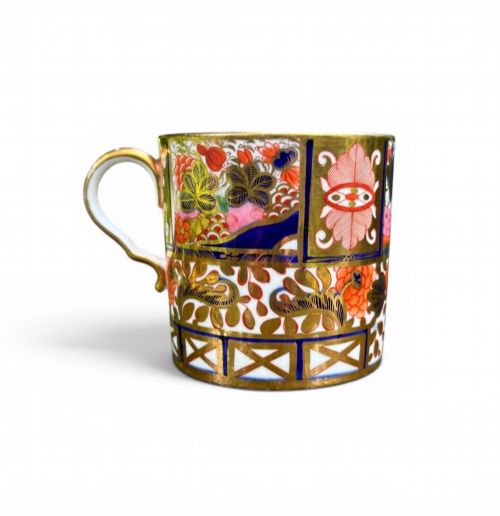

Regency Porcelain Coffee Cup
A regency porcelain coffee cup brings bright neoclassical style and fine gilt details to the table.
Regency Porcelain Coffee Cup
A regency porcelain coffee cup represents small-scale ceramic artistry from the early nineteenth century, encompassing forms such as cylindrical coffee cans, demitasse cups, and matching saucers. These pieces frequently appear in trios alongside teacups, reflecting the social drinking habits of the Georgian and Regency periods.
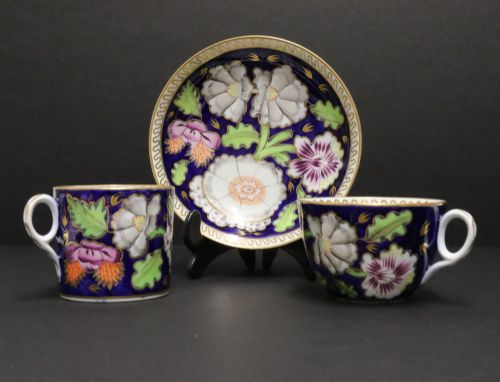
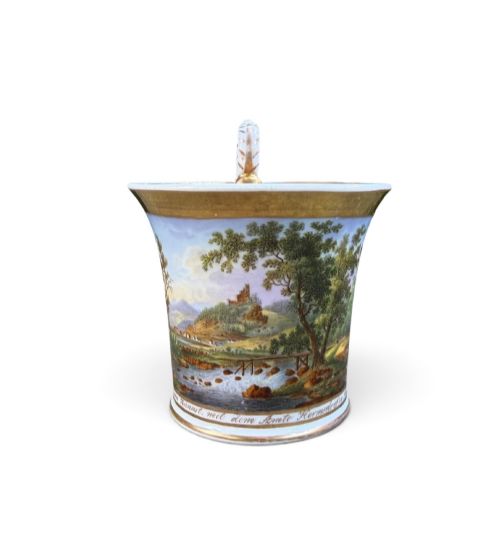
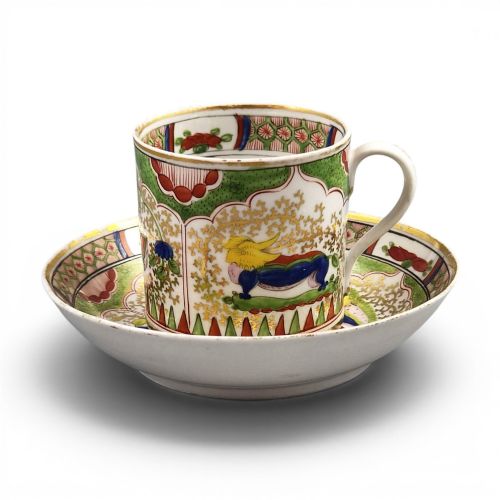
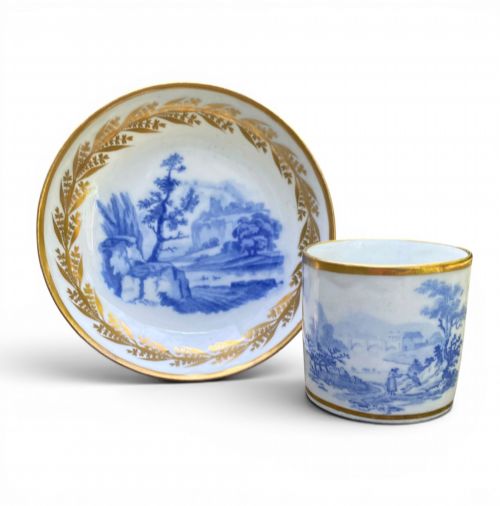
The objects span English factories like Spode, Minton, and Worcester, alongside continental makers, and are grouped within the broader nineteenth-century timeline. Surviving examples showcase handpainted landscapes, Imari patterns, and detailed floral motifs typical of the Regency style.
Materials and Techniques
Potters utilised hard-paste porcelain and bone china to form the delicate bodies of these cups and saucers, shaping them into cylindrical coffee cans or flared vessels. Kiln firing prepared the smooth ceramic surface to receive colourful enamels and handpainted decoration.
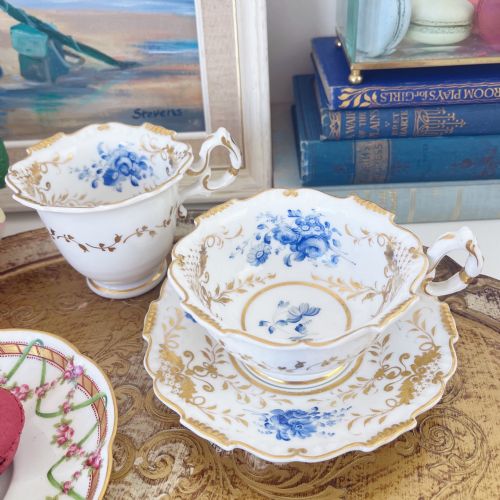
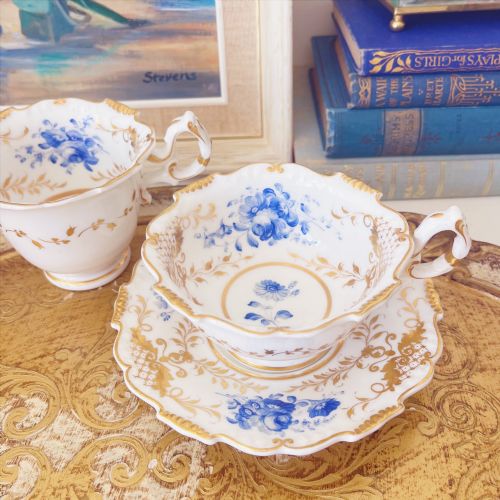
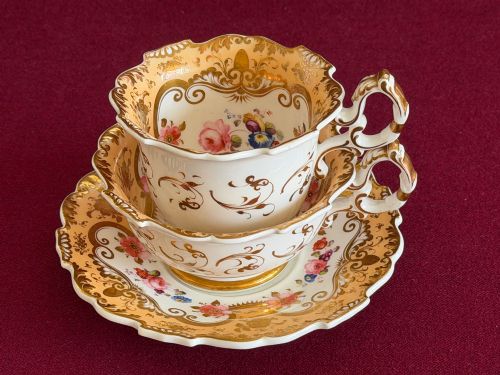
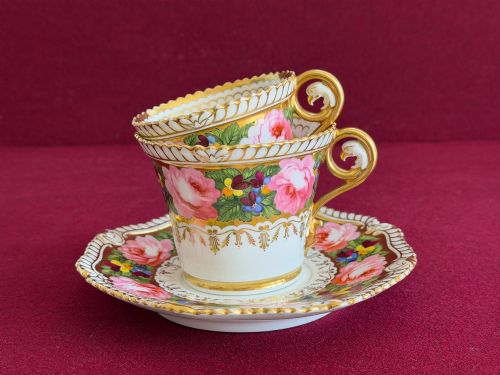
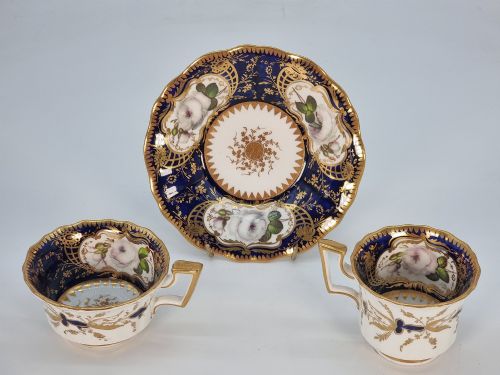
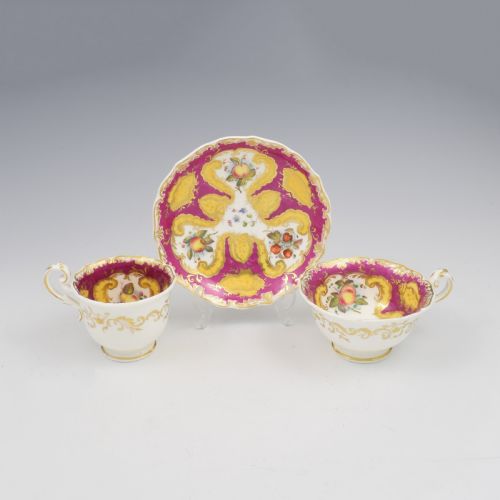
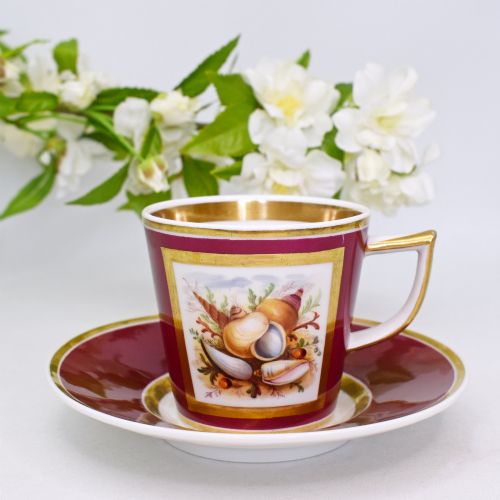
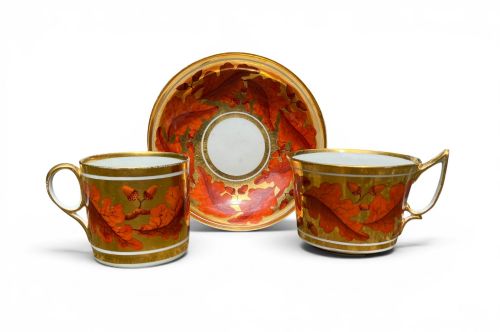
Gilding and gold leaf were applied by hand to rims, handles, and borders, often combining with rich cobalt blue or polychrome painted scenes. The union of fine porcelain body and metallic gold accenting defines the visual standard of the period.
Regency Porcelain Coffee Cup Retail Price Guide 2026
Typical asking prices for regency porcelain coffee cup among the pieces listed under this phrase on Sellingantiques today, from the lower quarter to the upper quarter. They describe what is for sale here now, not the wider market.
Makers painted lively domestic scenes and exotic animals onto porcelain, including patterns whimsically titled 'Crazy Cow' and 'Bengal Tiger'.
Distinctions in Quality
Quality in a regency porcelain coffee cup rests upon the precision of the handpainted work and the complexity of the pattern. Pieces featuring named topographical scenes or intricate multi-coloured motifs demonstrate higher artistry than simpler monochrome designs.
The application of gold leaf and the crispness of moulded porcelain details further separate standard production wares from fine cabinet cups. Well-preserved gilding and unmarked transfer or painted execution indicate superior craftsmanship from major period factories.
H and R Daniel·Chamberlain Worcester·New Hall·Coalport·Flight and Barr·Rockingham·Derby·Minton·Spode·Meissen·Davenport
The Regency Porcelain Coffee Cup Glossary
- Coffee can
- A straight-sided cylindrical cup designed specifically for drinking coffee during the early nineteenth century. This form lacks the flared rim typical of standard teacups.
- Trio
- A matching set consisting of a teacup, a coffee cup or can, and a saucer. Collectors find these grouped sets together from major English and continental factories.
- Demitasse
- A small cup used for serving strong black coffee. These miniature vessels often feature delicate handles and matching saucers.
- Imari
- A decorative style inspired by Japanese export porcelain, characteristically combining underglaze blue with iron red and gold leaf. Spode and other English makers adopted this palette during the Regency era.
- Hard-paste porcelain
- A durable ceramic composition fired at very high temperatures using kaolin and petuntse. It provides a bright white, vitreous body suitable for detailed enamel painting.
Regency Porcelain Coffee Cup: Frequently Asked Questions
What is a coffee can?
A coffee can is a straight-sided cylindrical cup made during the late eighteenth and early nineteenth centuries. These vessels were formed without the curved sides of standard teacups.
They appear frequently in Regency porcelain collections, often paired with matching saucers and teacups as part of a breakfast or tea trio.
How do I date these cups?
Dating relies on factory marks, pattern numbers, and stylistic markers such as neoclassical shapes or Imari palettes. Evidence on this site spans the Georgian and Regency periods from around 1800 to 1850.
Cabinet cups and marked factory pieces often provide clearer clues to their precise decade of manufacture through recorded pattern archives.
Are these cups safe to use?
These antique porcelain cups are delicate cabinet pieces and collectors' items rather than modern tableware. Their overglaze enamels and gold leaf decorations can wear away with regular use and modern washing.
Displaying them safely in cabinets preserves the fragile handpainted surfaces and historical gilding for the future.
What is a porcelain trio?
A porcelain trio comprises three matched items: a teacup, a coffee cup or can, and a saucer. They were produced by factories like Spode, Minton, and New Hall during the Regency era.
Finding a complete trio together offers a complete view of early nineteenth-century table service design.