


Regency Period Drawers
Regency period drawers bring architectural precision and rich timber grains into a room, offering functional storage with the refined proportions of the early nineteenth century.
Regency Period Drawers
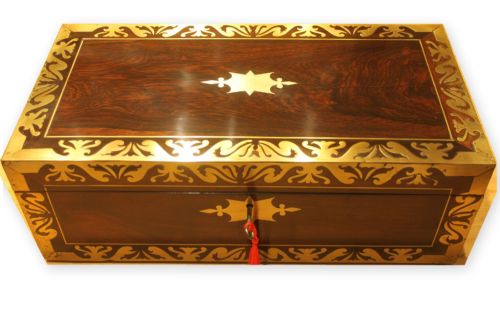
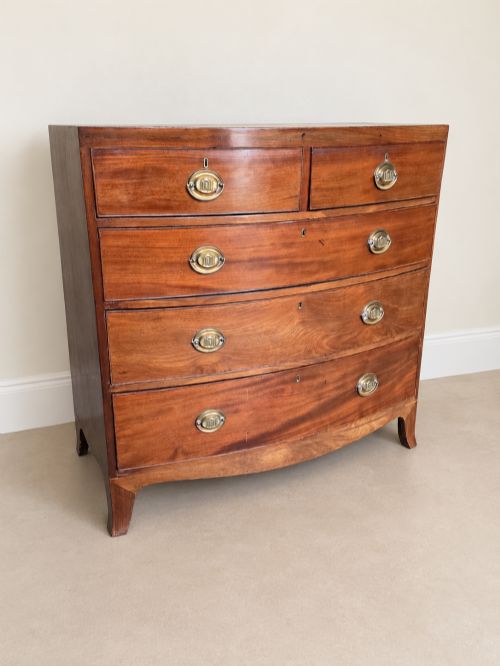
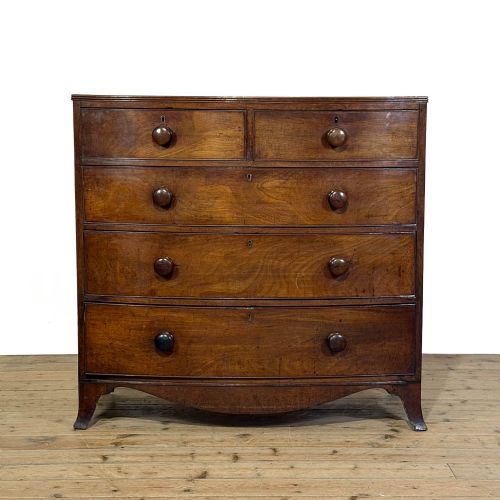
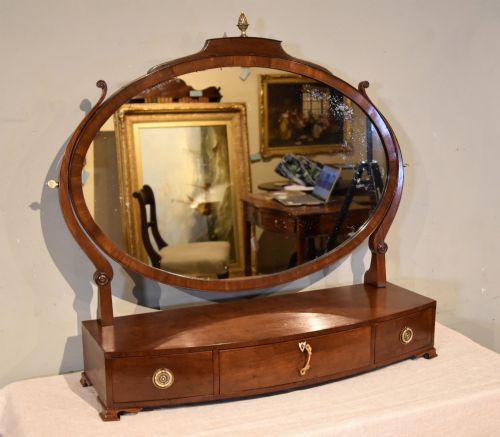
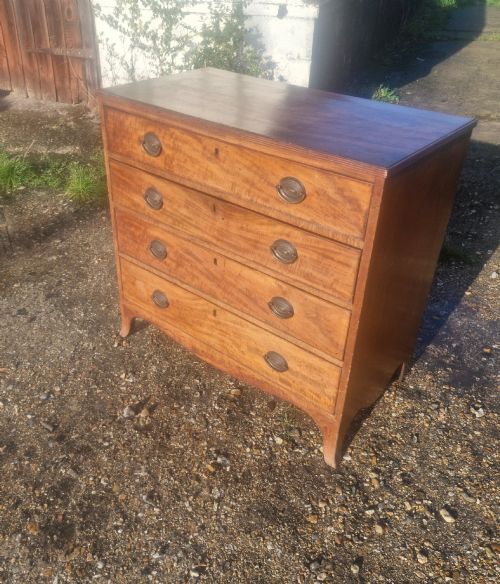
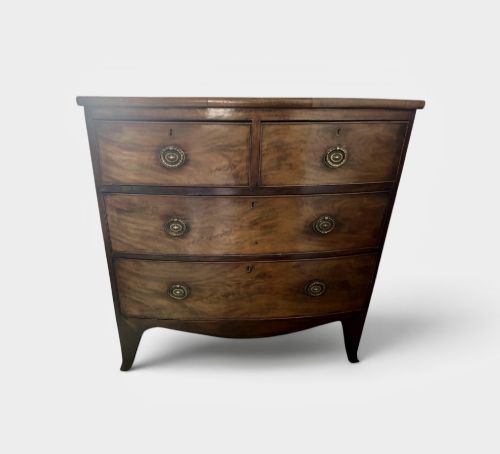
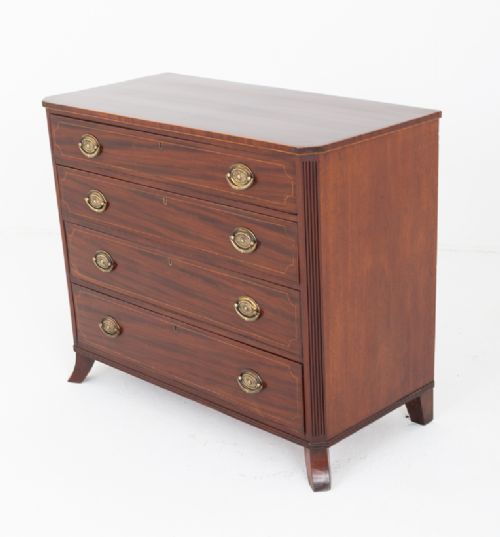
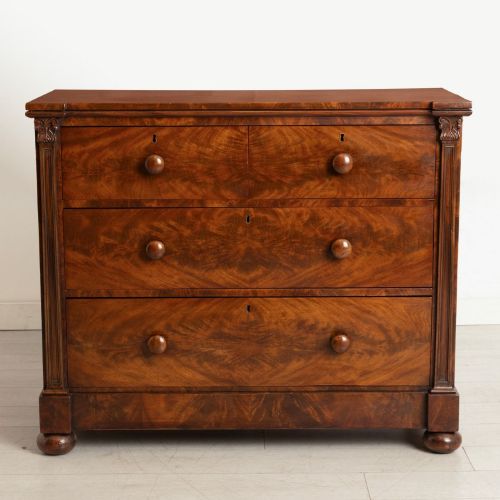
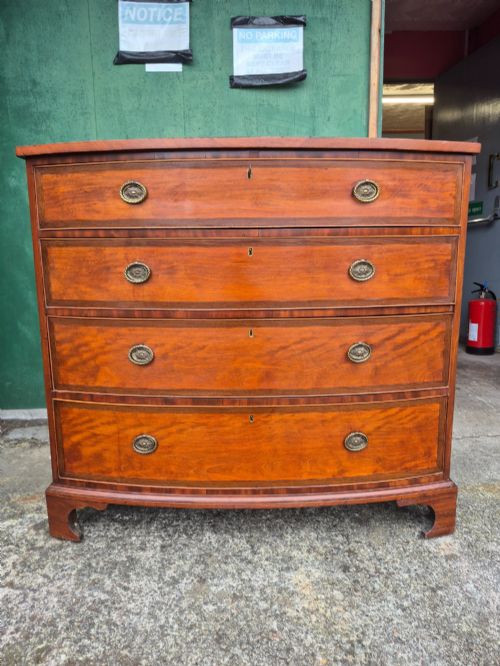
When searching for regency period drawers, collectors encounter an array of case furniture dominated by mahogany, satinwood, and rosewood chests. The most frequent form on this page is the bow front chest of drawers, alongside rectangular configurations and secretaire variants.
The periods and styles span the Regency proper, George III, George IV, and the wider nineteenth century, capturing the transition from austere neoclassical lines to more robust revival aesthetics. Pieces range from standard four-drawer models to compact small formats and low linen presses.
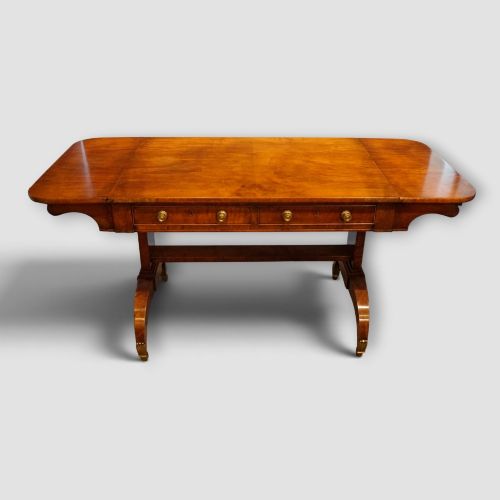
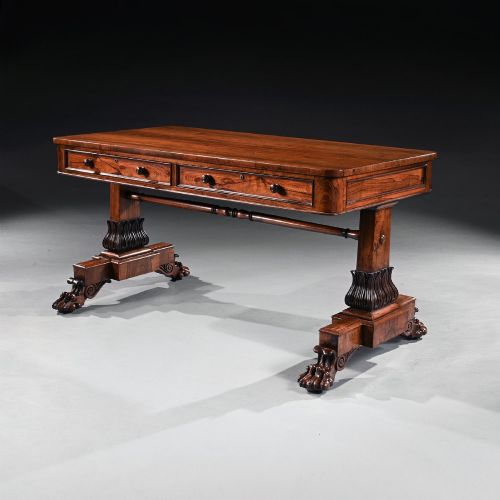
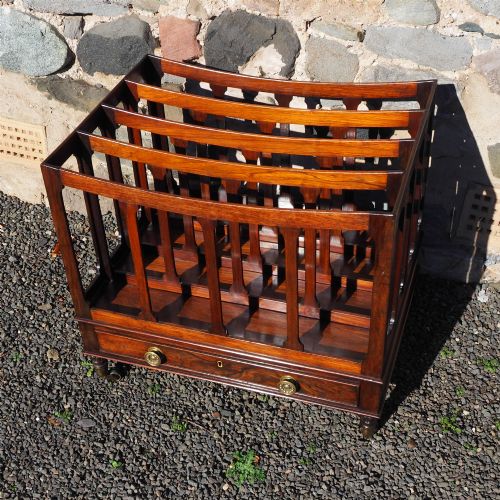
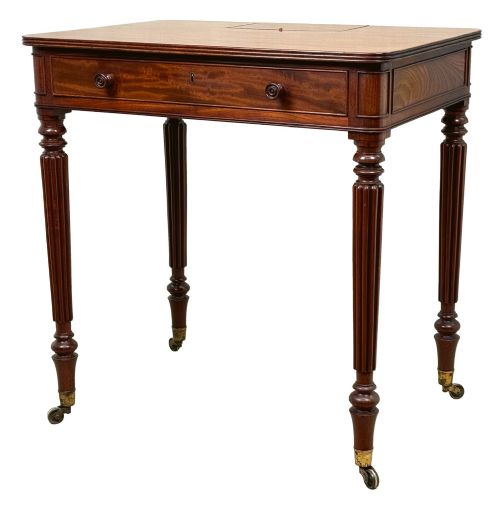
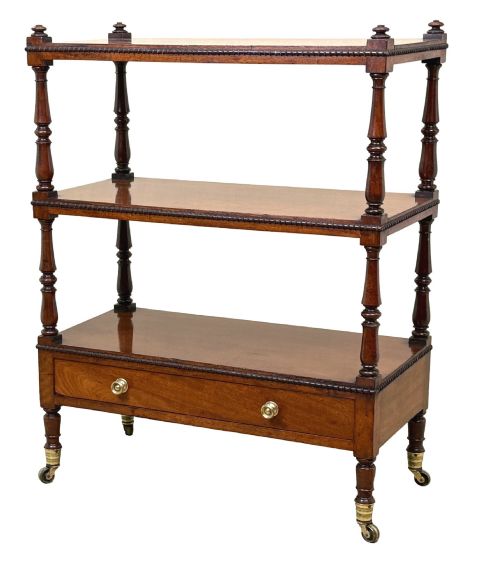
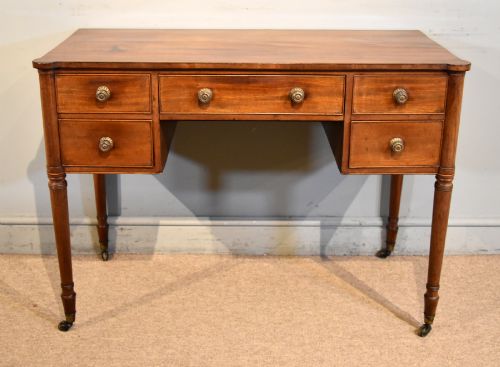
Beyond standard chests, related storage and writing forms occasionally appear under the wider umbrella of the era, including campaign chests in teak and specialised work tables. These items maintain the same architectural discipline and cabinetmaking standards expected from the period.
Materials and Construction
Cabinetmakers of the era relied heavily on solid and veneered mahogany, supplemented by decorative veneers such as satinwood, rosewood, and plum pudding mahogany. Secondary timbers like oak and pine appear in carcass construction and drawer linings.
Metal mounts in brass, alongside bone details and glass elements, provide contrasting highlights on handles, escutcheons, and inlaid banding. Joinery utilises traditional dovetails for drawer construction, paired with bracket feet or turned legs.
Regency Period Drawers Retail Price Guide 2026
Typical asking prices for regency period drawers among the pieces listed under this phrase on Sellingantiques today, from the lower quarter to the upper quarter. They describe what is for sale here now, not the wider market.
Some chests hide sliding writing surfaces behind deceptively deep top drawers for secret correspondence.
Evaluating the Pieces
The distinction between ordinary and superior pieces rests on the choice of timber and the precision of the cabinet work. Highly figured mahogany or carefully matched satinwood veneers elevate a piece significantly above standard straight-grained examples.
Gillows
The Regency Period Drawers Glossary
- Bow front
- A cabinet front curved outward in a convex arc, typical of many chests of drawers from the era. This curved profile softens the rectangular geometry of the room.
- Secretaire
- A chest of drawers featuring a fitted top drawer that pulls down to reveal a writing surface and small pigeonholes. It combines a writing desk with standard drawer storage.
- Campaign chest
- A modular chest built in sections with brass corners and inset carrying handles designed for military transport. These pieces utilise durable timbers like teak for resilience.
- Linen press
- A tall piece of furniture featuring linen storage shelves enclosed by upper doors, placed above a base of wider drawers. Low linen presses offer a more compact horizontal profile.
Regency Period Drawers: Frequently Asked Questions
How do I identify a genuine Regency chest?
Authentic pieces display period-appropriate timbers like mahogany, rosewood, and satinwood, combined with hand-cut dovetail joinery inside the drawers. Look for structural characteristics specific to the early nineteenth century rather than relying solely on applied brasses.
Examine the secondary woods, such as oak or pine, which should show age and traditional tool marks. The overall proportions should reflect neoclassical restraint and balanced geometry.
Where should I place a Regency chest?
These chests suit bedrooms, hallways, or living spaces where their architectural presence can anchor the room. Their compact proportions allow them to function as surface tables as well as storage.
Keep them away from direct heat sources and strong sunlight to protect the fragile polished veneers and rich natural wood tones.
How do I care for mahogany surfaces?
Maintain the timber by dusting regularly with a dry, soft cloth and applying a quality beeswax sparingly when the wood appears dry. Avoid silicone-based polishes that can degrade antique finishes over time.
Maintain stable humidity levels in the room to prevent the solid timbers and delicate veneers from splitting or warping.