
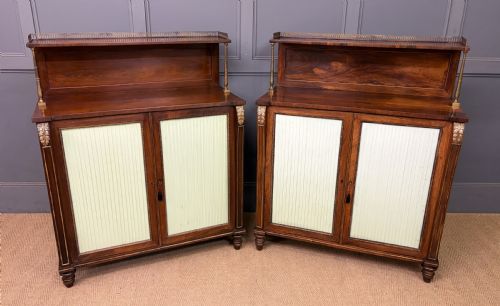
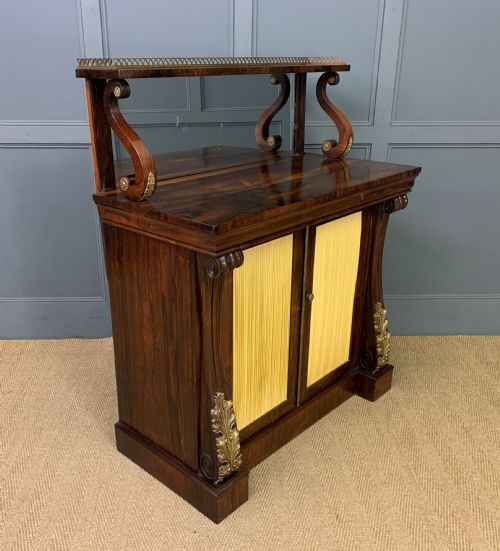

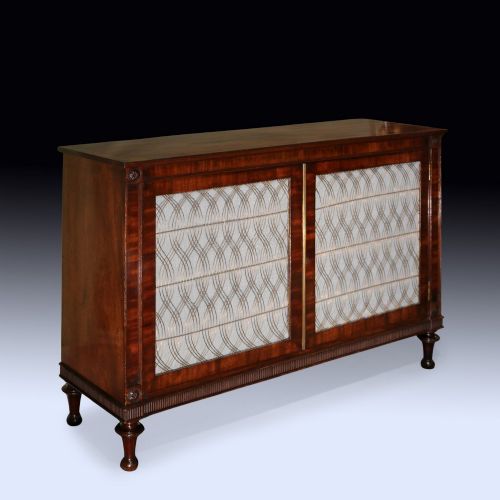


Regency Period Brass Cabinet
These regency period brass cabinet designs combine rich timbers with crisp metalwork, offering both refined display space and classic proportions.
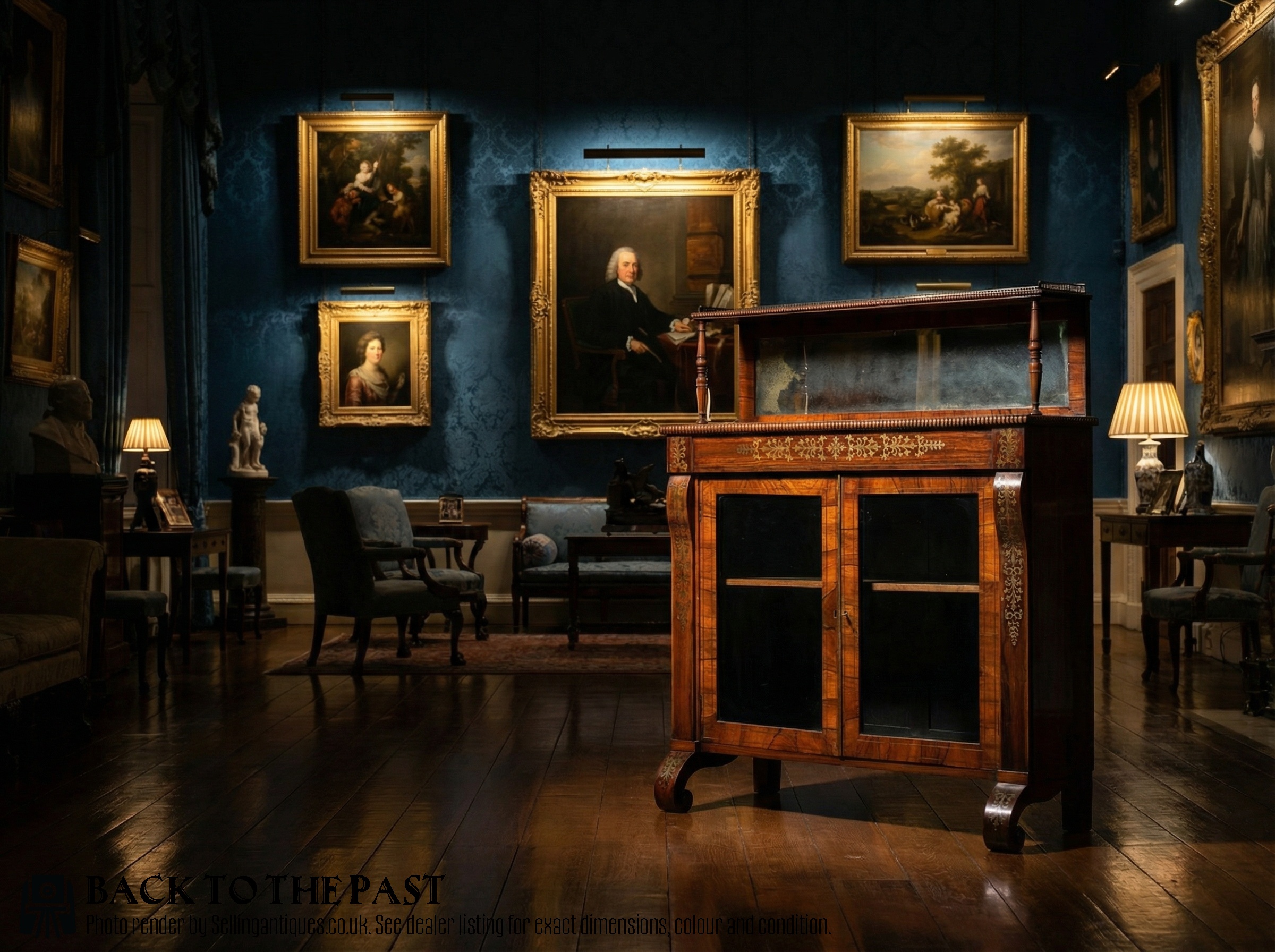
Regency Period Brass Cabinet
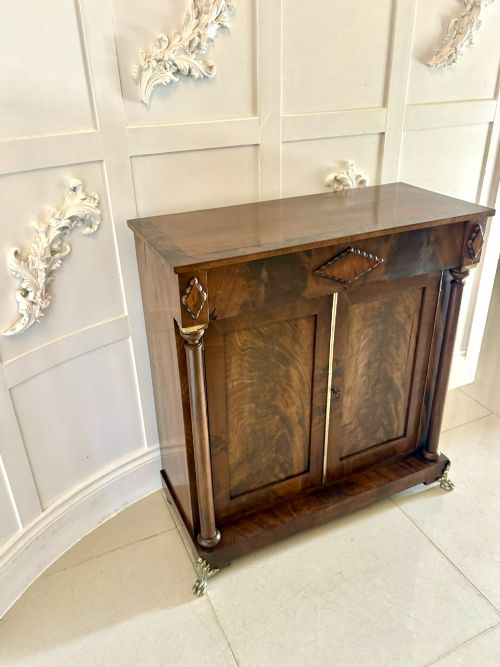
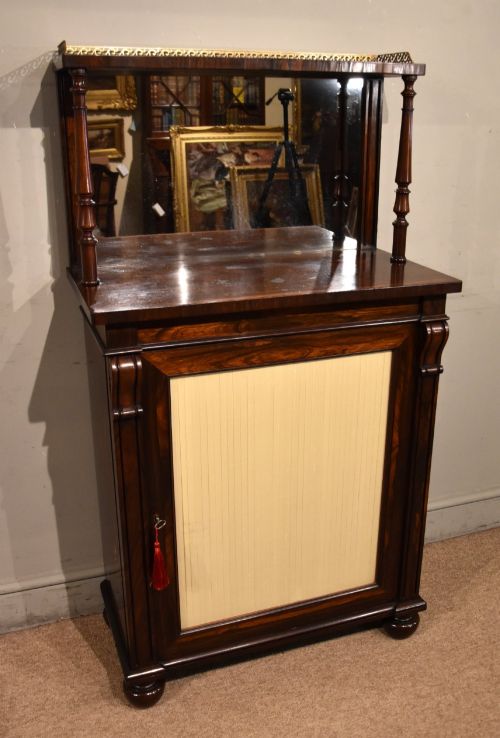
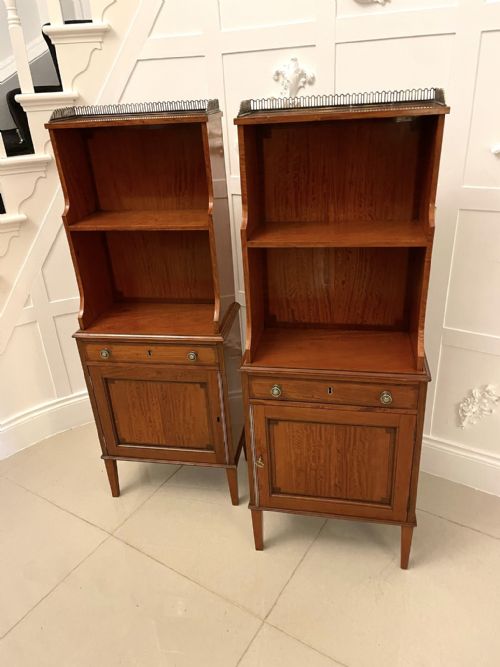
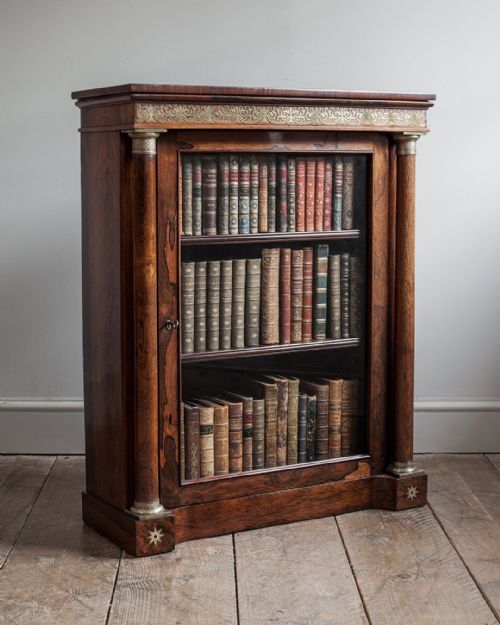
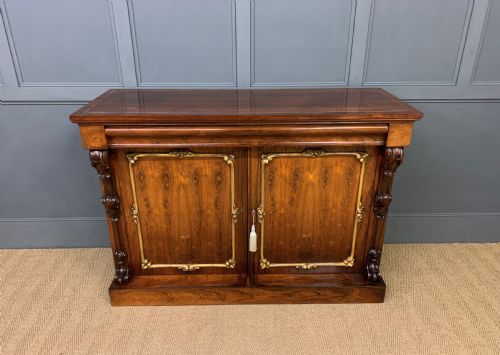
A regency period brass cabinet bridges the gap between functional storage and formal display, appearing primarily as side cabinets, chiffoniers, and bookcases. The pieces encountered most frequently on this page date from the Regency and George IV eras, often constructed in rich native and exotic hardwoods. Makers utilised varied forms, ranging from bow-fronted chests to open bookcases and glazed corner cupboards.
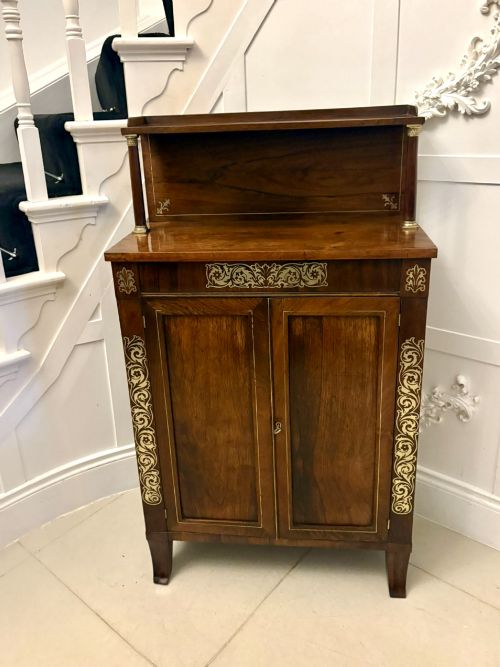
The aesthetic vocabulary spans standard Regency classicism alongside distinct variants like the Regency Egyptian Revival and George IV styles. Proportions remain balanced and architectural, frequently incorporating plinth bases, columns, or mirrored backs. Buyers often find these works executed in rosewood and mahogany, frequently embellished with intricate brass work.
Materials and construction methods
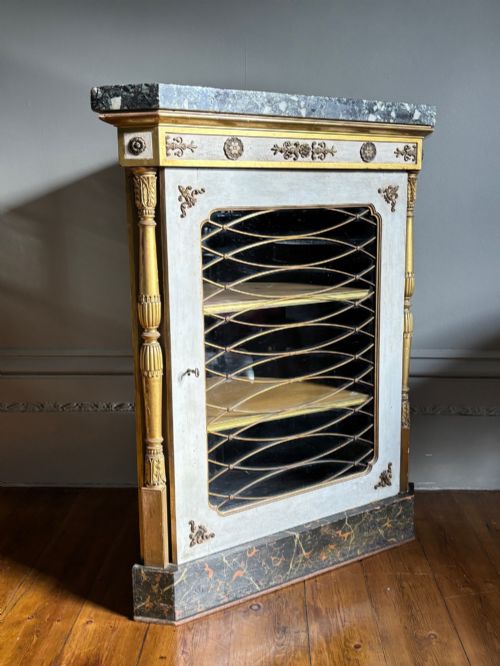
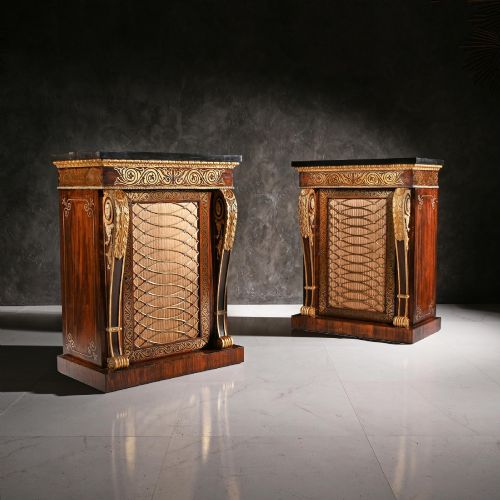
Cabinetmakers relied heavily on dense timbers such as rosewood and mahogany, occasionally employing amboyna or satinwood for figured grain effects. Surfaces received elaborate embellishments including precise brass inlay, brass grilles, and gilt-bronze mounts. These metallic elements provided sharp linear contrast against the dark, polished timber surfaces.
Periods represented span from the 18th Century through the Regency, Georgian, and Victorian eras.
Distinctions in craftsmanship
The refinement of the brass inlay separates standard regional joinery from the output of premier workshops. Precise cutting of brass strings and motifs requires expert hand-fitting into the timber substrate to ensure flush, durable surfaces.
Selection of timber grain dictates visual appeal, with master cabinetmakers utilising highly figured rosewood, fiddle-back mahogany, and amboyna veneers. Superior examples display cohesive grain matching across doors and drawer fronts, maintaining structural integrity alongside ornamental ambition.
Gillows·Louis Constantin Le Gaigneur·Harrods·Pitcher
The Regency Period Brass Cabinet Glossary
- Chiffonier
- A low sideboard or cabinet featuring shelves or a raised superstructure, popular during the Regency period. It typically combines enclosed cupboard space below with display areas above.
- Gilt brass
- Brass that has been treated to yield a gold-coloured metallic finish, frequently utilised for mounts and decorative trims on fine cabinetry. This material offers durability alongside a bright, reflective accent.
- Brass grille
- A fine open lattice of woven or cast brass wire fitted into cabinet doors instead of wood or clear glass. It allowed ventilation while partially concealing the contents.
Regency Period Brass Cabinet: Frequently Asked Questions
What is a regency period brass cabinet?
It is a refined storage or display piece from the early nineteenth century, typically fashioned from rosewood or mahogany and accented with brass inlay or grilles.
These items reflect the classical tastes of the Regency and George IV eras, serving practical functions in dining rooms, libraries, and drawing rooms.
How do I identify Regency furniture?
Look for balanced classical proportions, architectural elements like columns or plinths, and dark timbers enhanced by contrasting brass work.
Decoration often draws upon classical antiquity, Egyptian motifs, or delicate stringing rather than heavy carving.
Where were these cabinets used?
They originated in formal parlours, libraries, and dining spaces of substantial townhouses and country estates.
Owners utilised them to store books, display ceramics, or house household linens and silverware.
How do I care for rosewood?
Maintain stable indoor humidity levels and keep the timber away from direct sunlight to prevent fading and veneer lifting.
Dust gently with a dry, soft cloth and avoid applying modern silicone-based polishes that can damage antique finishes.