


Regency Old Sheffield Plate
Regency old sheffield plate brings together fused metal dining vessels and lighting from the Georgian and Regency periods, prized for their genuine warmth and historical substance.
Regency Old Sheffield Plate
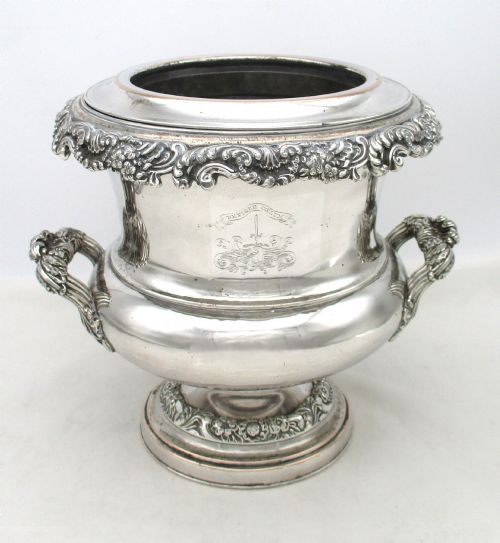
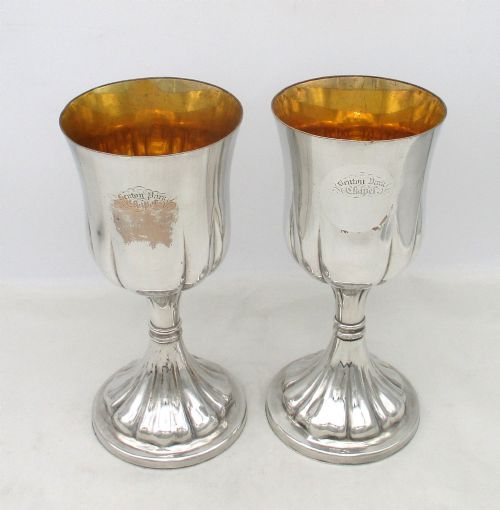
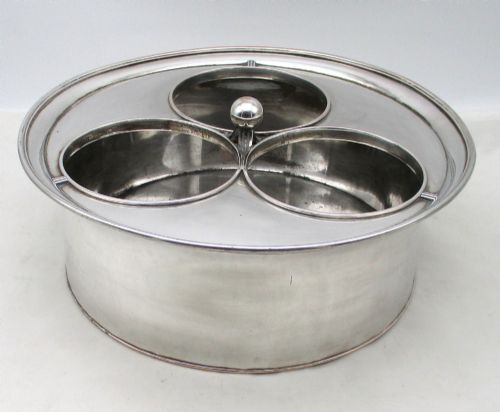
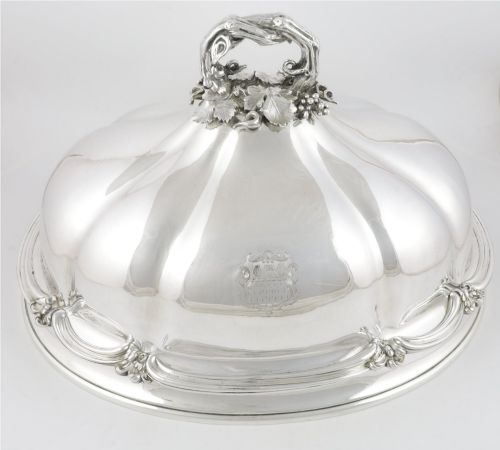
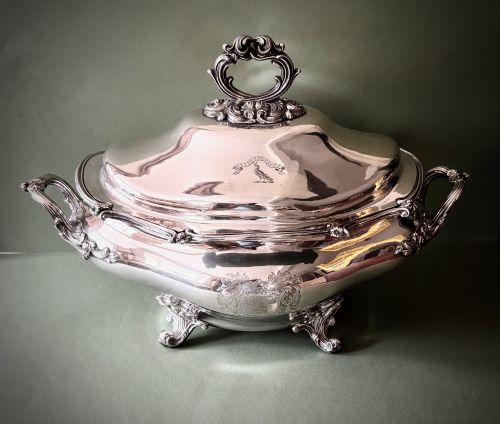
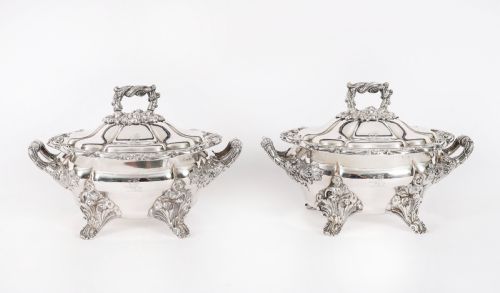
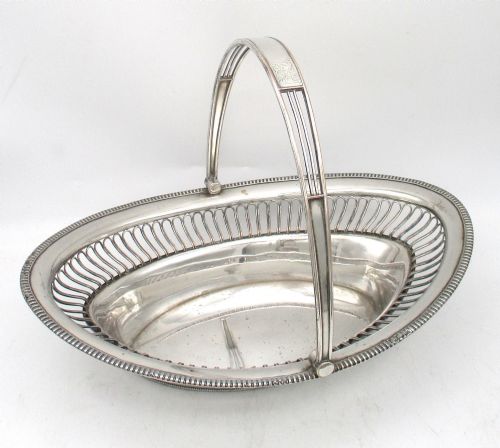
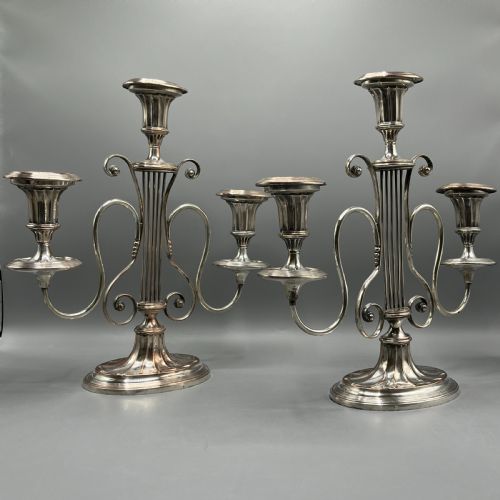
When searching for regency old sheffield plate, collectors encounter items spanning the 18th and 19th centuries, predominantly bearing Georgian, Regency, and William IV stylistic traits. The selection focuses heavily on dining and serving accessories such as wine coolers, candlesticks, sauce tureens, and meat domes.
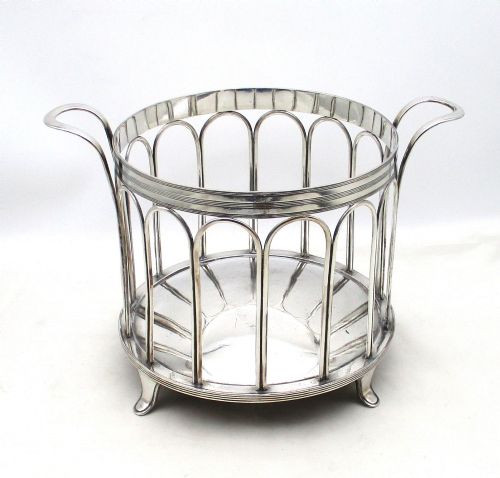
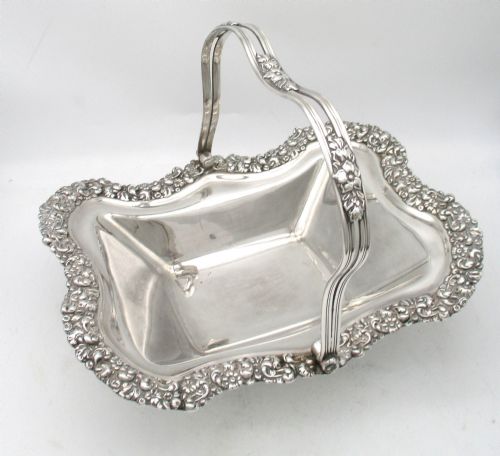
Vessels on this page range from campana-shaped wine coolers and telescopic candlesticks to wirework baskets and tea urns. The predominant periods recorded in the evidence are the 19th Century and Georgian eras, reflecting the peak years of this specific fusing technique.
Materials and Method
These items are produced using a fused plating method where a thin sheet of silver is melted onto a thicker copper base, sometimes incorporating wooden bases, cut glass inserts, or bone handles. This process leaves characteristic copper edges visible at seams and wear points.
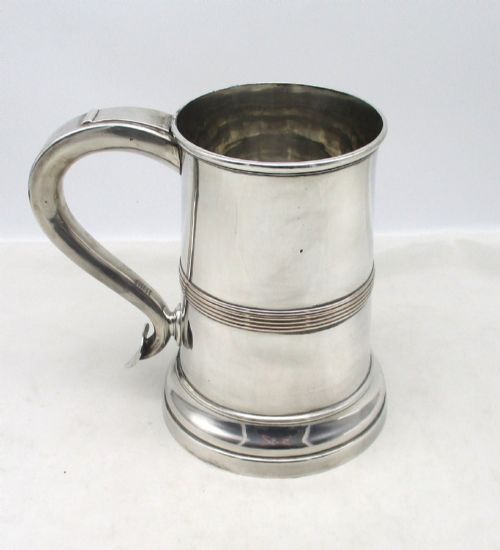
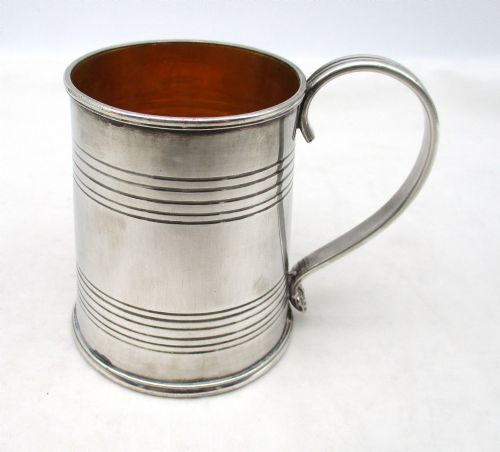
Makers shaped the fused metal sheet into complex forms like candelabra branches, tankards, and coffee pots, often adding applied silver wire borders to conceal the underlying copper line.
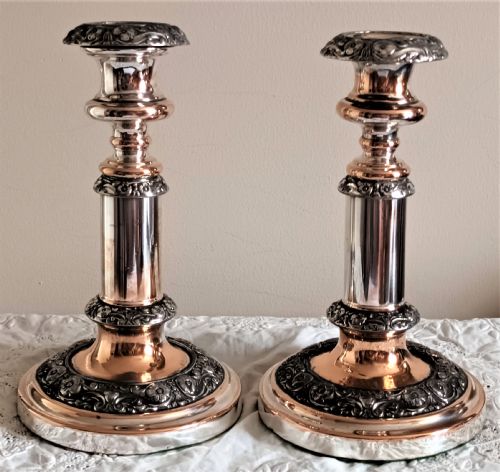
Some telescopic candlesticks adjust in height, proving that Georgian engineers understood the importance of tailoring table lighting to the height of the conversation.
Judging Quality and Execution
Quality in these pieces rests upon the crispness of the applied ornamentation, such as cast silver mounts and armorial crests, relative to the underlying plate. Finer examples maintain a balanced weight and proportion, with the silver layer remaining thick enough to resist excessive copper bleed-through from decades of polishing.
The integration of secondary materials like turned mahogany bases in bottle coasters or cut glass inserts in cruets dictates the overall integrity of the piece. Pieces that retain their original threaded components and unblemished silver surfaces command greater appreciation.
Roberts Cadman·Creswick·Walker Knowles·Matthew Boulton
The Regency Old Sheffield Plate Glossary
- Old Sheffield Plate
- A composite material made by thermally fusing a sheet of silver to a copper ingot before rolling them into thin sheets together.
- Campana
- A bell-shaped vessel profile frequently utilised for wine coolers and ice pails during the Regency period.
- Meat Dome
- A large domed cover, also known as a food cover, designed to keep roasted joints warm upon the dining table.
- Telescopic Candlestick
- A lighting form featuring a sliding shaft mechanism that allows the overall height of the stick to be adjusted.
- Samovar
- A large heated metal urn utilised for boiling water for tea, often elaborately decorated with handles and spigots.
Regency Old Sheffield Plate: Frequently Asked Questions
What is old sheffield plate?
Old sheffield plate is a composite material created by fusing silver and copper together through heat and pressure before shaping. This technique predates modern electroplating.
Items made this way display distinct physical properties, including microscopic copper edges where the base metal shows through natural wear.
How do I identify a piece from the regency period?
Regency items typically exhibit classical motifs such as reeding, paw feet, campana shapes, and distinct armorial crests or engravings. These stylistic elements reflect the neoclassical taste of the early nineteenth century.
Examining the construction methods and any accompanying maker marks helps confirm the date of manufacture alongside these visual cues.
Can I use these items for dining today?
Most pieces function well for modern dining and display, particularly wine coolers, coasters, and baskets. Careful handling preserves the historical surface.
Hand washing with mild soap and gentle drying protects the thin silver layer from abrasive damage during routine maintenance.
Why does copper show through the silver?
Copper bleed-through occurs naturally when centuries of polishing gradually wear away the thin outer layer of fused silver. This phenomenon confirms the traditional fusing technique used in production.
Many collectors view this underlying copper tone as a sign of authenticity rather than a defect.