
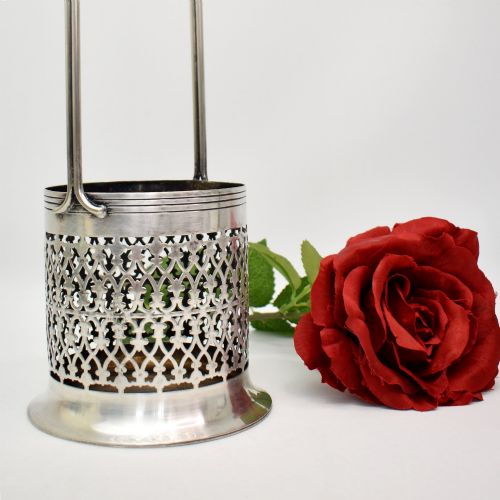


Antique Silver Decanter Coasters
Antique silver decanter coasters protect polished timber surfaces while framing fine bottles with gleaming metal and turned wood bases.

What these coasters are
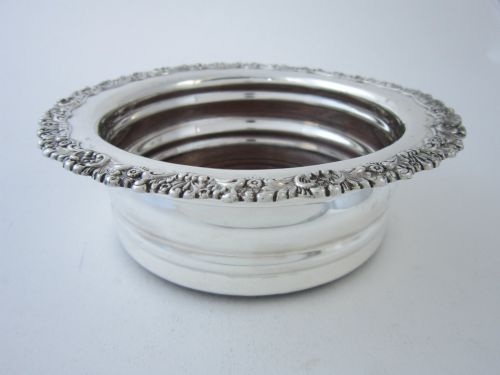
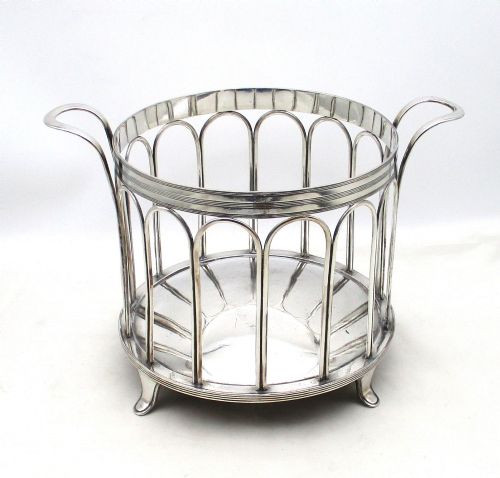
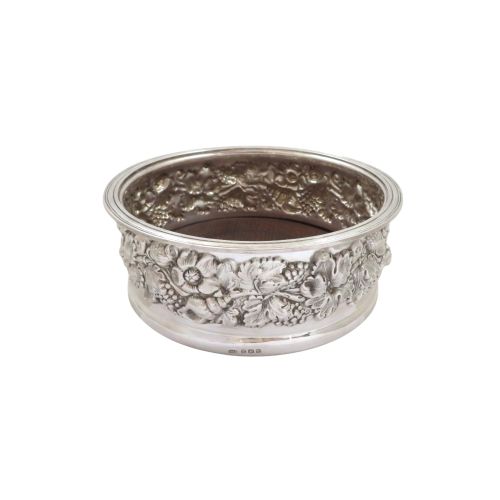
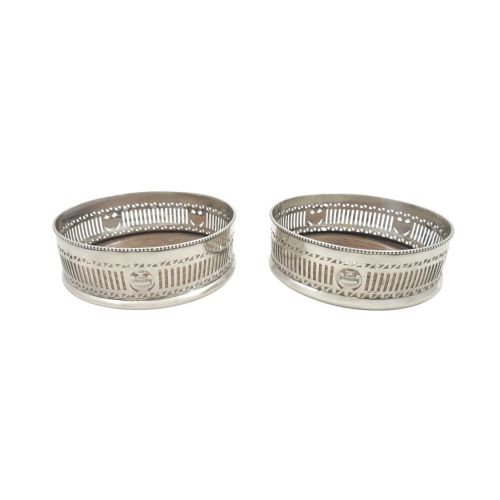
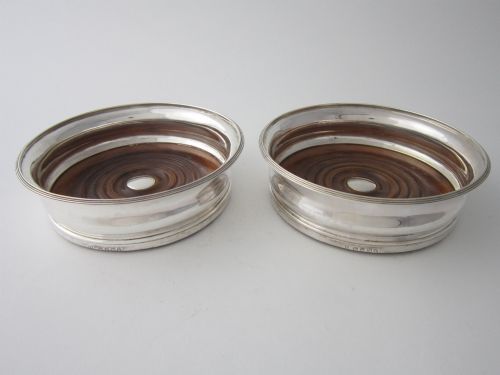
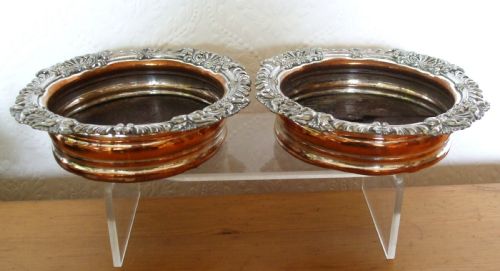
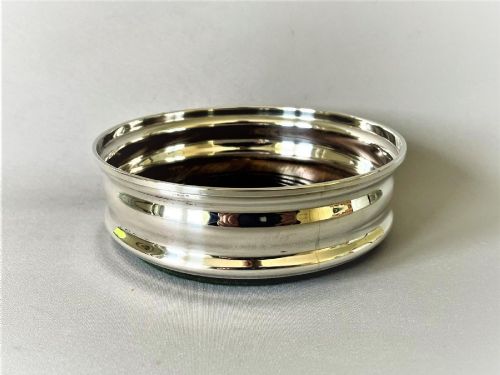
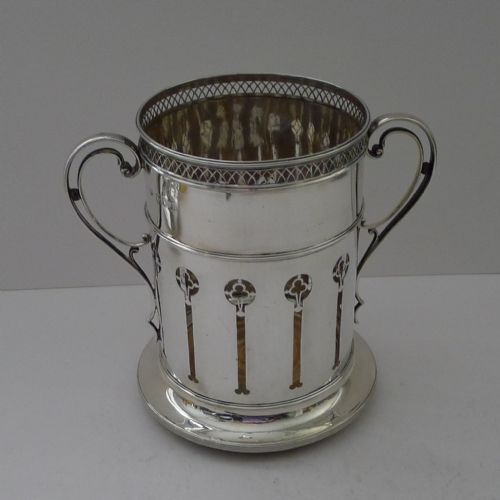
Antique silver decanter coasters are functional table accessories designed to hold wine bottles and decanters securely during dining. The pieces on this page span the Georgian, Regency, Victorian, and George V periods, showing both matched pairs and larger sets.
Most examples combine precious metal with turned timber bases, featuring distinct forms known historically as wine coasters or decanter coasters. Buyers most frequently encounter silver plated and Old Sheffield plate pairings with mahogany or other dense woods.
How they were made
Early nineteenth-century pieces utilise traditional Old Sheffield plate methods, fusing silver and copper sheets together before forming. Later items employ Victorian and twentieth-century silver plating techniques over base metals.
Retail Price Guide 2026
Typical UK retail prices for silver decanter coasters, calculated from the Sellingantiques database of over a million retail prices indexed since 2003. This retail price guide relies exclusively on Sellingantiques data; no external sources or auction records are used, so the figures do not describe the wider market.
Some nineteenth-century models feature fierce lion's head garlands keeping watch over the claret.
What varies in quality
Quality rests upon the crispness of the metalwork, the weight and grain of the turned wood base, and the integrity of the original lining. Superior examples display sharply cast or chased decorative borders and substantial gauge metal rather than thin plating.
The distinction between standard silver plate and Old Sheffield plate shifts the character of the piece, with fused plate carrying distinct historical weight. Preservation of the maker's mounts and the original relationship between wood and metal dictate the standing of a piece.
The Antique Silver Decanter Coasters Glossary
- Old Sheffield plate
- A composite material made by fusing a thin sheet of silver to a thicker copper base before rolling and shaping. This early technique leaves a characteristic copper seam visible on raw edges.
- Decanter carriage
- A specialised coaster form often built larger or heavier to accommodate larger bottles safely. These items sometimes incorporate decorative elements like lion's head garlands.
- Mahogany
- A durable, richly grained hardwood frequently turned into bases for these items. Its stability made it the primary choice for holding heavy glass bottles.
- Gallery
- The vertical raised rim of the coaster, often pierced, fluted, or decorated with cast borders. This structure keeps the bottle secure as the piece moves across the table.
Frequently Asked Questions
How were decanter coasters used?
These pieces sat on the dining table to hold decanters and prevent rings of condensation or wine from marking polished wood surfaces. Diners slid them along the mahogany boards between guests after the meal.
The raised galleries kept bottles secure while pouring, and the felt undersides allowed smooth movement without scratching the furniture.
What is Old Sheffield plate?
Old Sheffield plate is an early nineteenth-century material created by fusing silver to a copper core. It predates modern electroplating.
Items made this way show subtle traces of copper where the silver layer has worn thin over decades of polishing.
How do I tell Regency from Victorian pieces?
Regency items date from around the early nineteenth century and often exhibit Old Sheffield plate with classical Regency style motifs. Victorian pieces generally date from later in the nineteenth century.
Later Victorian and George V examples frequently use standard silver plating over base metal rather than the earlier fused copper technique.
Are coasters sold as pairs or sets?
The listings include both pairs and sets of four, reflecting how dining tables required multiple stations for wine service. Pairs remain the most common configuration.
Larger sets allow matching service across a longer table, though assembling them later can be difficult due to subtle variations in diameter.