


Regency Ironstone China
Regency ironstone china pieces are heavy, durable ceramic wares featuring bold transfer-printed and hand-painted patterns designed for demanding dining tables.
Regency Ironstone China
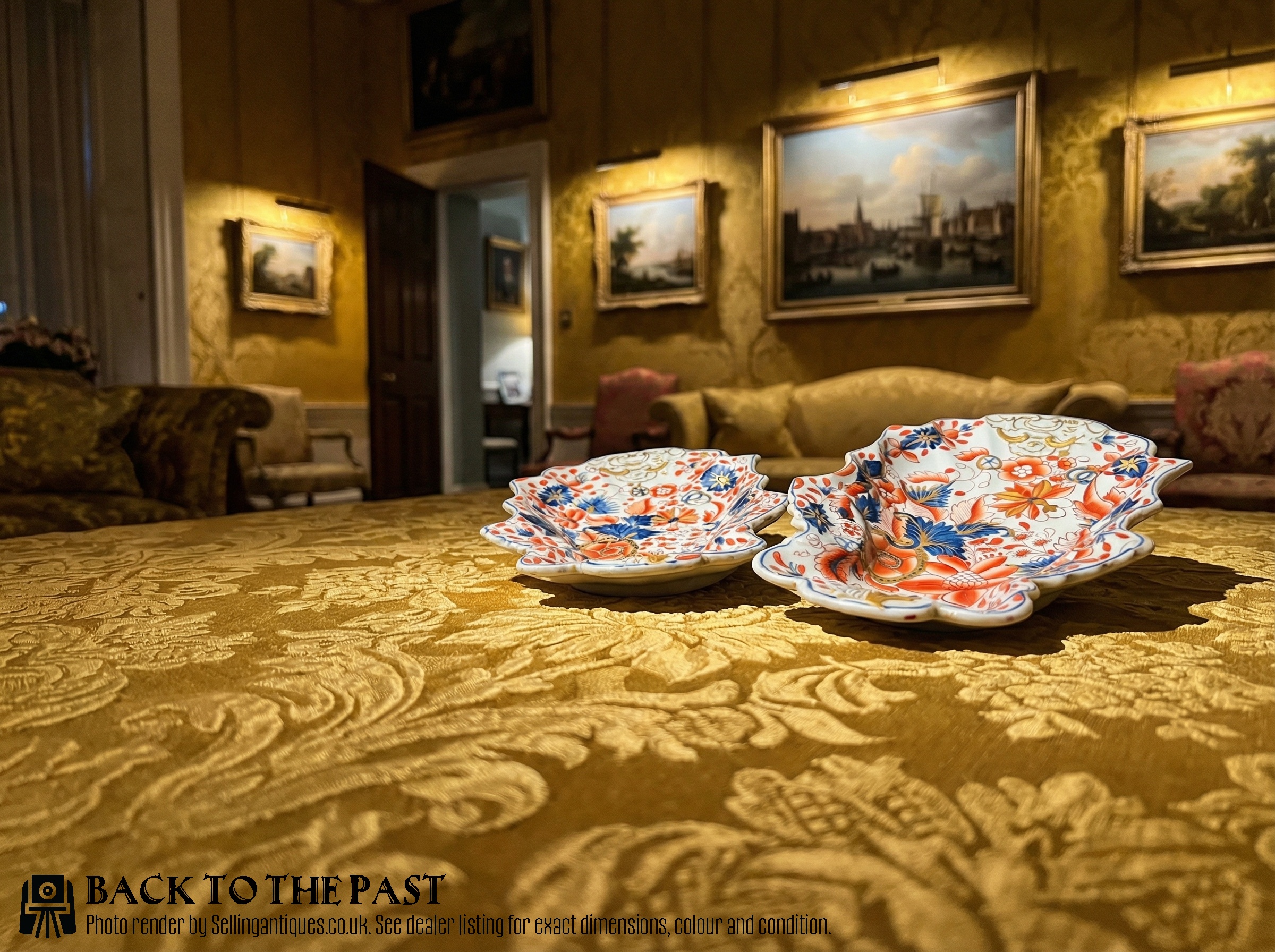
Buyers seeking regency ironstone china encounter robust serving vessels, plates, tureens, and vases originating from the nineteenth century and the Georgian and Regency periods. The selection focuses heavily on utilitarian and decorative items designed for substantial dining service rather than fragile cabinet pieces.
Most pieces date from the early decades of the nineteenth century, reflecting the technical innovations in durable ceramics during the Georgian era. Makers utilised dense bodies suited to heavy daily use while adopting elaborate decorative schemes.
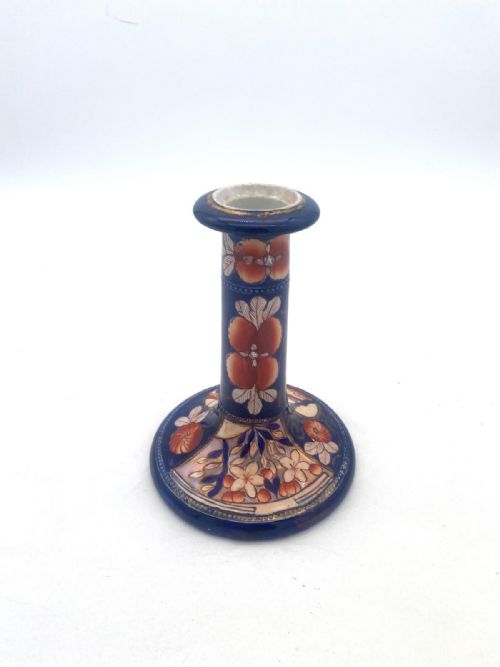
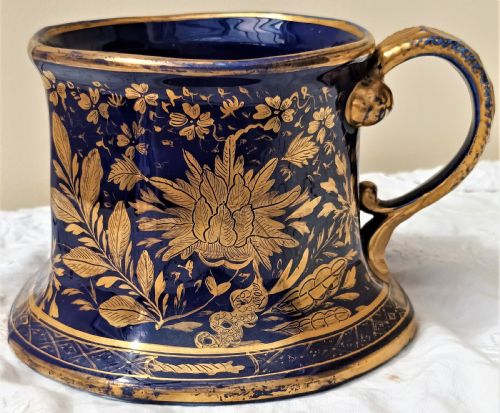
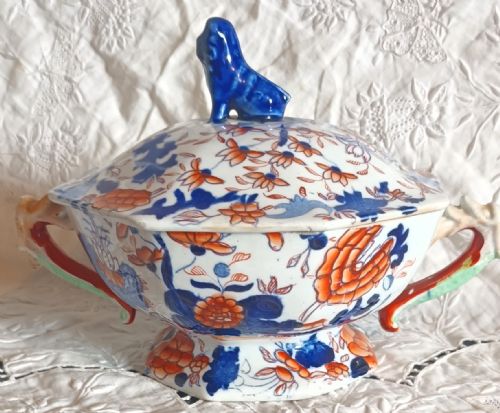
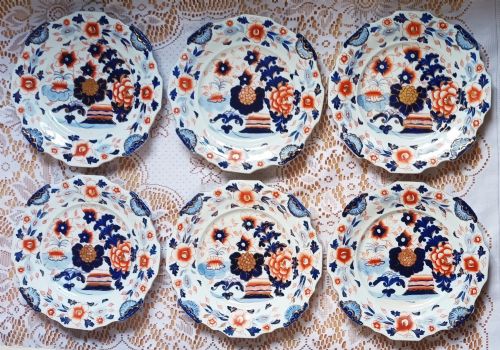
Forms range from large meat platters and vegetable tureens to candlesticks, mugs, and specialised items like potpourri vases and platter drainers. The visual language heavily incorporates Chinoiserie, Imari, and Japan patterns translated through English ceramic manufacturing.
How they were made
Makers produced regency ironstone china by combining refined clay, feldspar, and slag from ironworks, creating a heavy ceramic body that resisted chipping far better than traditional earthenware. This dense body received an impervious glaze that provided a smooth surface for subsequent decoration.
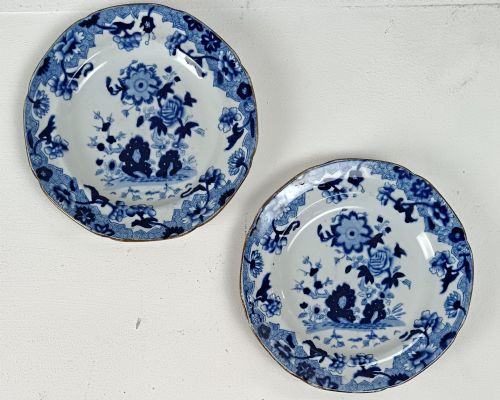
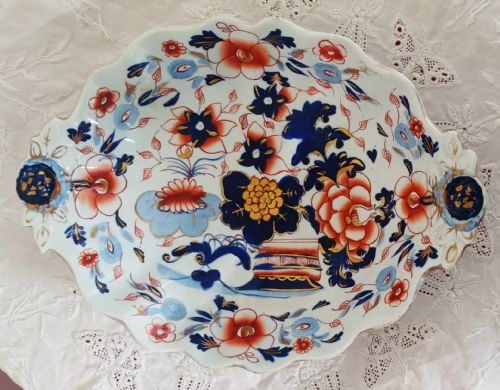
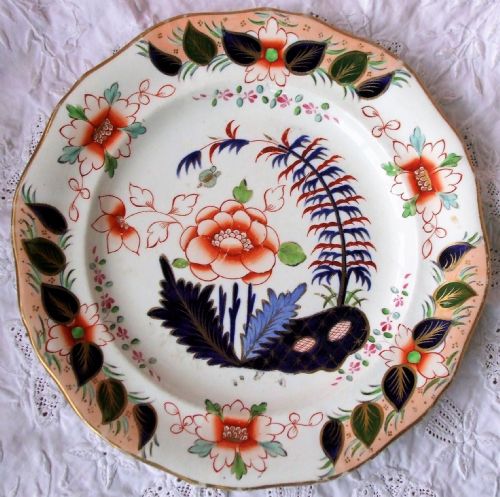
Decoration relied on a combination of transfer printing and meticulous hand-painting using enamel colours and gold leaf highlights. Artisans applied vibrant palettes featuring iron-red, cobalt blue, and gilt details to execute complex motifs such as the Grasshopper and Japan patterns.
Regency Ironstone China Retail Price Guide 2026
Typical asking prices for regency ironstone china among the pieces listed under this phrase on Sellingantiques today, from the lower quarter to the upper quarter. They describe what is for sale here now, not the wider market.
Makers painted lively insects directly onto dinner services, ensuring grasshoppers hopped across nineteenth-century dining tables.
What varies in quality
Quality in regency ironstone china rests upon the crispness of the transfer print and the precision of the overglaze hand-painting. Superior examples maintain sharp outline details beneath vibrant, richly applied enamel colours and intact gold leaf highlights.
The sophistication of the modelling also separates standard production from exceptional output, particularly in sculptural items like candlesticks, porringers, and lidded tureens. Weight, balance, and the crisp execution of moulded handles and rims indicate the skill of the potter.
Masons Ironstone·John Davenport of Longport·Spode
The Regency Ironstone China Glossary
- Ironstone
- A patented ceramic body invented in the nineteenth century for its durability and resistance to thermal shock. It bridges the gap between earthenware and porcelain.
- Chinoiserie
- A European artistic style reflecting Chinese aesthetic motifs. These designs often depict imaginary landscapes, pagodas, and exotic birds.
- Imari
- A decorative style inspired by Japanese export porcelain featuring a palette of cobalt blue, iron-red, and gold. Potters applied this scheme widely to English ceramic bodies.
- Tureen
- A large, deep serving bowl with a cover used for holding soups, sauces, or vegetables. Regency examples frequently include matching under-plates.
- Porringer
- A small, deep bowl with one or two horizontal handles used historically for porridge, broth, or soft foods.
Regency Ironstone China: Frequently Asked Questions
What is regency ironstone china?
Regency ironstone china is a heavy, vitrified ceramic developed in the nineteenth century to withstand the demands of heavy dining use. It combined durability with elaborate decoration inspired by Eastern aesthetics.
Parks and households utilised these robust bodies for large dinner services, platters, and tureens that needed to survive constant handling. The resulting wares remain functional decorative items today.
Can I use these pieces daily?
These ceramics were built for practical dining use and possess a dense, durable body that handles regular service well. However, hand washing protects the fragile overglaze enamels and gold leaf highlights.
Harsh detergents and modern dishwashers can degrade the historical pigments and gilding over time. Careful treatment preserves the hand-painted details found on many plates and tureens.
What patterns are most common?
Japan patterns, Imari colourways, and various Chinoiserie motifs appear frequently across nineteenth-century production. Designs like the Grasshopper and Schoolhouse patterns also recur in the record.
These visual styles reflected a broader Georgian fascination with East Asian design filtered through English ceramic factories. The resulting contrast of bold blues, reds, and gold defined the era's output.