

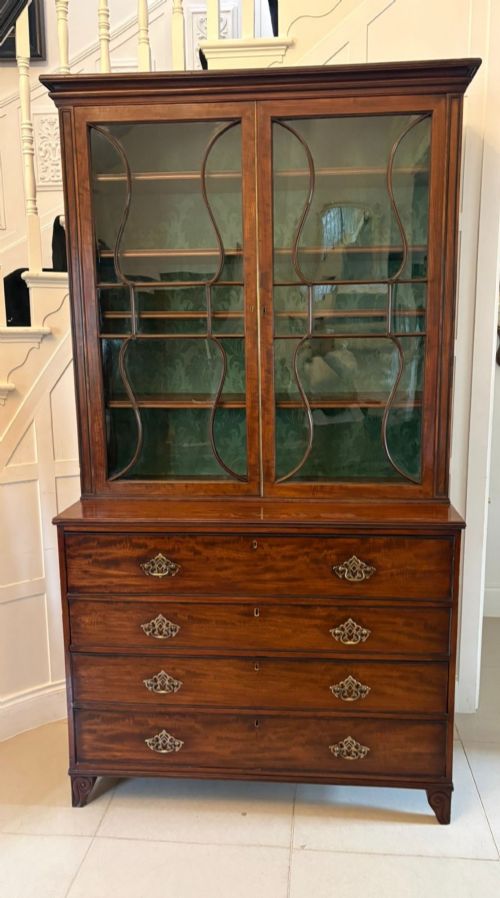
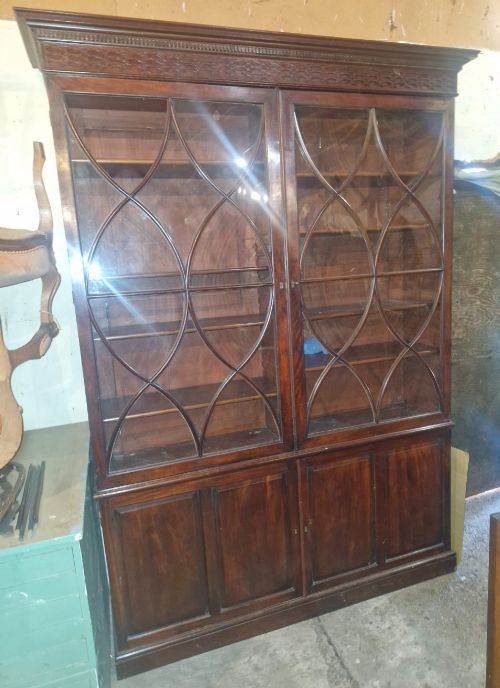
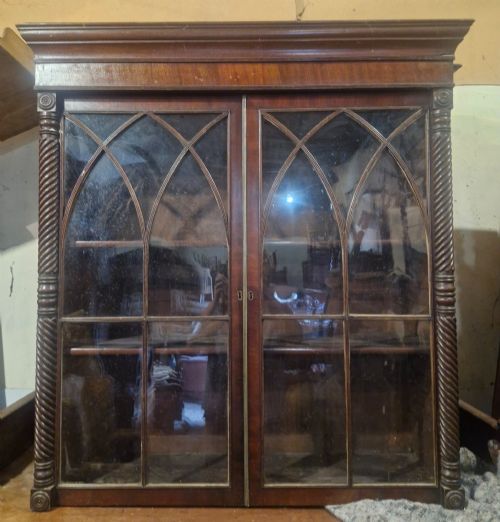
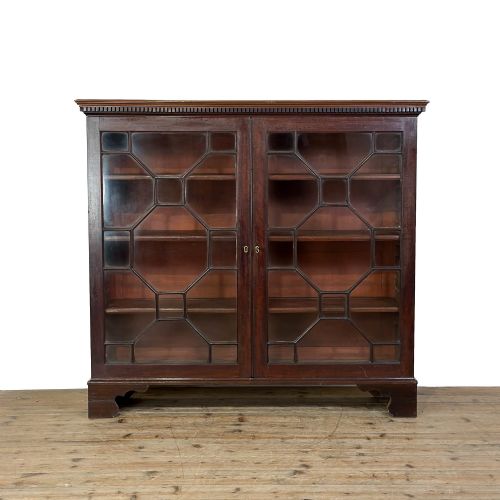
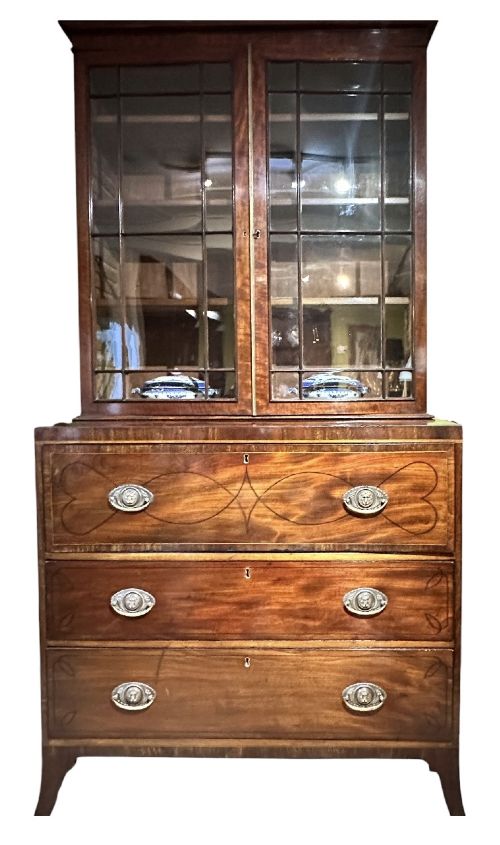
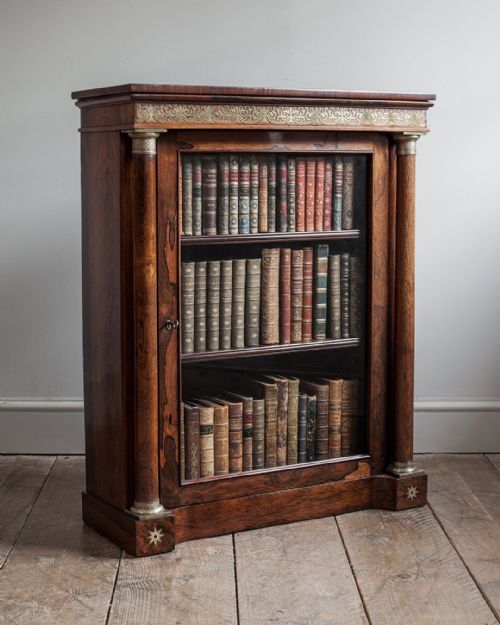
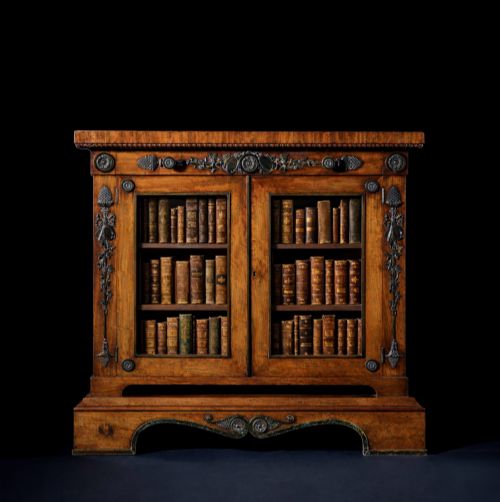
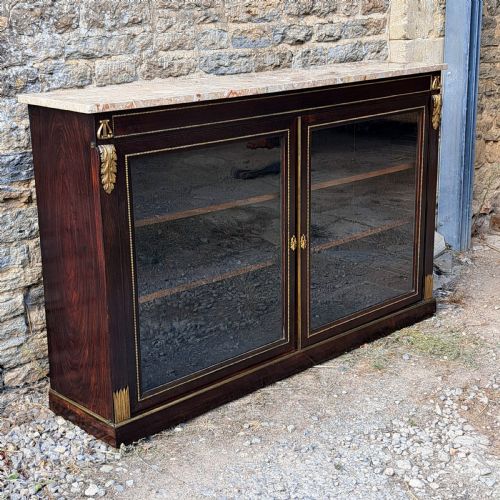
Regency Glazed Door Cabinet
A regency glazed door cabinet brings architectural order and visible storage to a room, offering tall timber frames fronted by glass panes.
Regency Glazed Door Cabinet
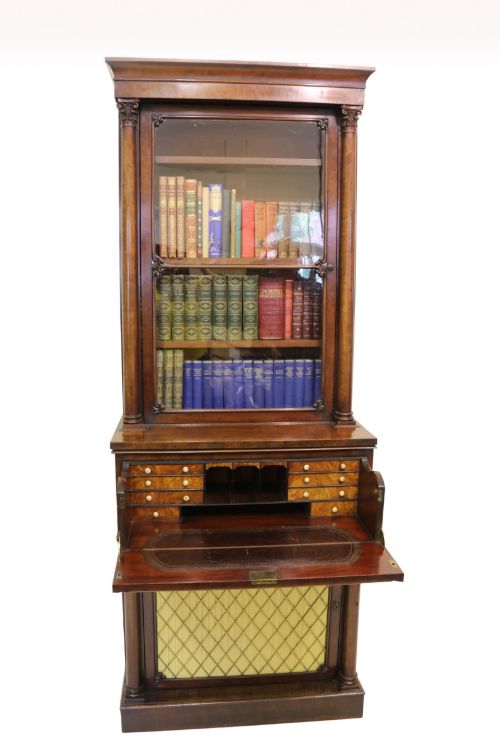
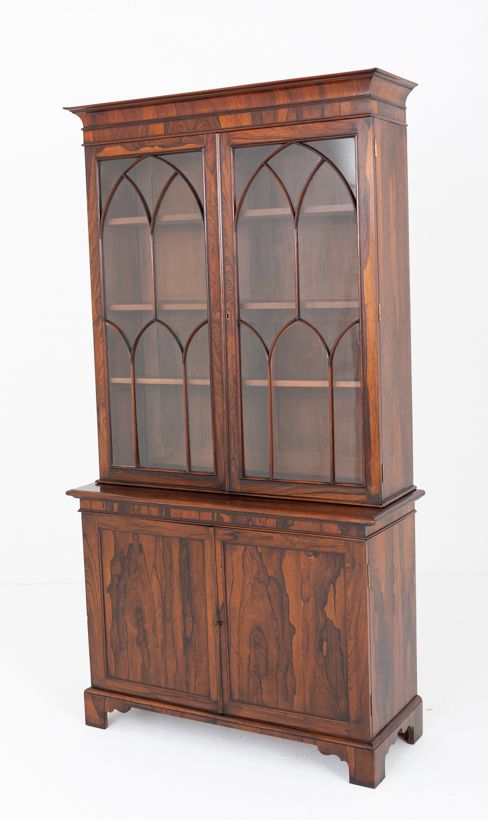
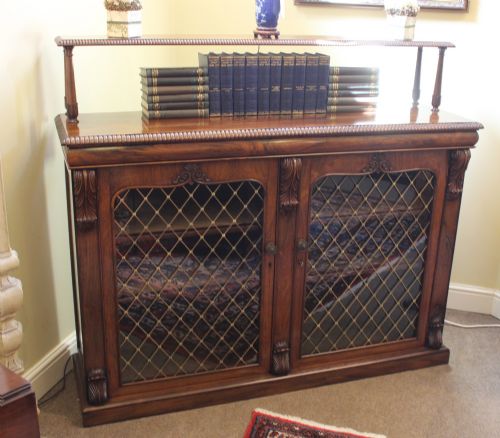
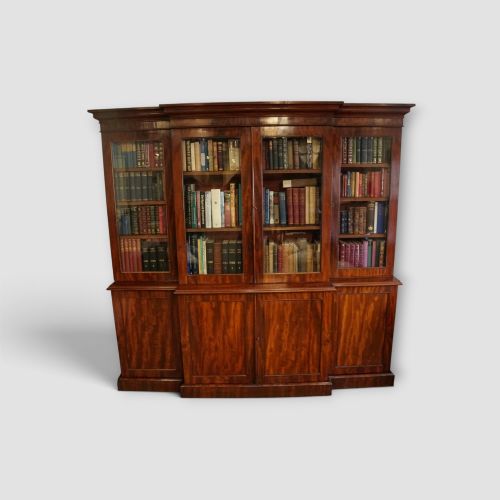
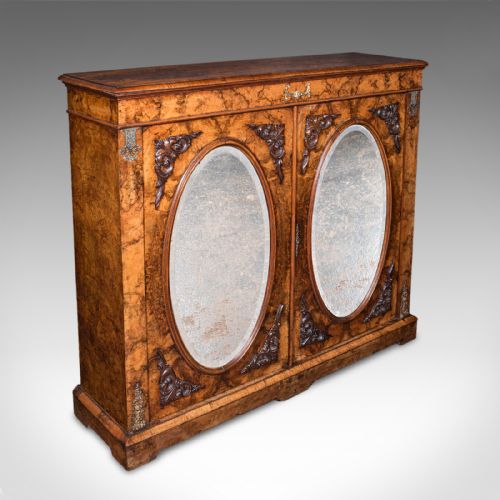
A regency glazed door cabinet brings together timber carcases and transparent panels designed to house books and display objects. These pieces appear in forms such as tall bookcases, pier cabinets, and lower side cabinets originating across the nineteenth century.
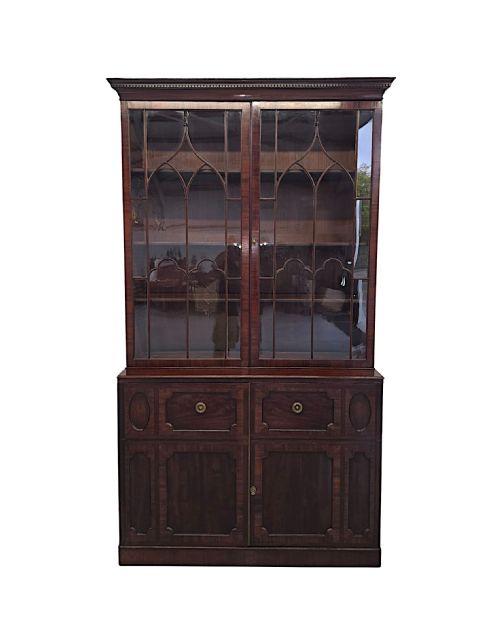
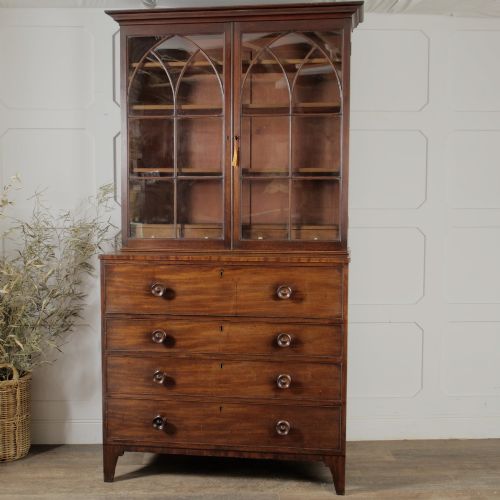
The version most commonly met on this page is the upright mahogany bookcase featuring glazed upper doors above a lower cupboard or chest base. Examples also emerge in rosewood and walnut, spanning periods from the georgian era through the victorian age.
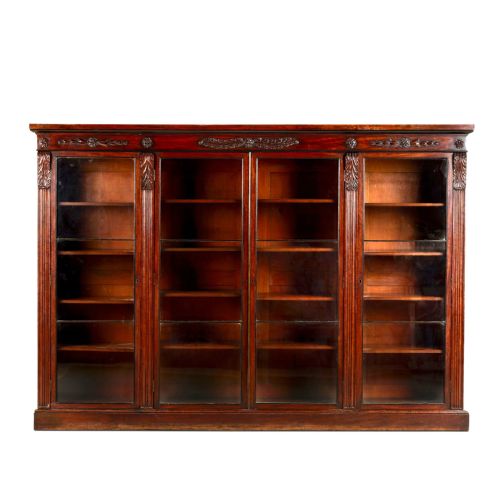
Makers constructed these storage items for libraries, parlours, and drawing rooms to protect valuable volumes while keeping titles visible. The proportions range from compact single-door pier pieces to large breakfront library cabinets with multiple glazed sections.
Distinctions in standard and execution
The distinction between standard utility storage and exhibition quality pieces lies in the selection of timber veneers and the precision of the joinery. Finer cabinets display carefully matched flame mahogany grains and meticulous brass inlay work along the friezes and uprights.
Proportion and architectural detail separate simpler regional furniture from sophisticated urban workshop production. Well-executed astragal glazing bars and integrated fitted writing drawers inside secretaire sections indicate higher levels of craftsmanship.
Regency Glazed Door Cabinet Retail Price Guide 2026
Typical asking prices for regency glazed door cabinet among the pieces listed under this phrase on Sellingantiques today, from the lower quarter to the upper quarter. They describe what is for sale here now, not the wider market.
Bookcases dominate the selection, appearing alongside pier cabinets, side cabinets, and chiffoniers.
James Winter and Sons
The Regency Glazed Door Cabinet Glossary
- Astragal
- Moulding strips that divide panes of glass within a glazed door. These wooden bars form geometric grids across the front of the cabinet.
- Secretaire
- A desk drawer that pulls out and drops down to reveal a fitted interior of small drawers and pigeon holes. It turns the upper cabinet into a writing space.
- Breakfront
- A piece of furniture where the central section projects forward from the flanking wings. This creates a staggered facade on large bookcases and side cabinets.
- Pier cabinet
- A low narrow display piece designed to fit the wall space between windows. These compact cabinets often feature glazed doors and bronze mounts.
- Chiffonier
- A low sideboard or cabinet equipped with a shelf or superstructure on top. The form developed during the nineteenth century for dining and drawing rooms.
Regency Glazed Door Cabinet: Frequently Asked Questions
What is a regency glazed door cabinet?
A regency glazed door cabinet is a tall or low timber storage piece featuring glass-fronted doors designed for displaying books and collections.
These items combine enclosed shelving behind glass with lower wooden cupboards or drawer bases, serving both practical library storage and decorative display functions.
How do I style a cabinet in a modern room?
Place a mahogany or rosewood cabinet against a neutral wall where the timber grain and glass panes become a focal point.
Use the interior shelves to display books with spines facing outward or arrange ceramics behind the glass doors to maintain visual balance.
What is a secretaire bookcase?
A secretaire bookcase includes a pull-down drawer fitted with small compartments and a writing surface concealed behind the main facade.
This built-in desk element allows the cabinet to function simultaneously as a bookcase and a writing station within a study or parlour.
How do I tell a regency piece from a victorian one?
Regency and early nineteenth-century pieces typically display cleaner classical proportions, neoclassical brass mounts, and fine mahogany or rosewood veneers.
Later nineteenth-century examples often incorporate heavier revival styles, darker walnut timbers, or more ornate carved details around the cornice and base.