

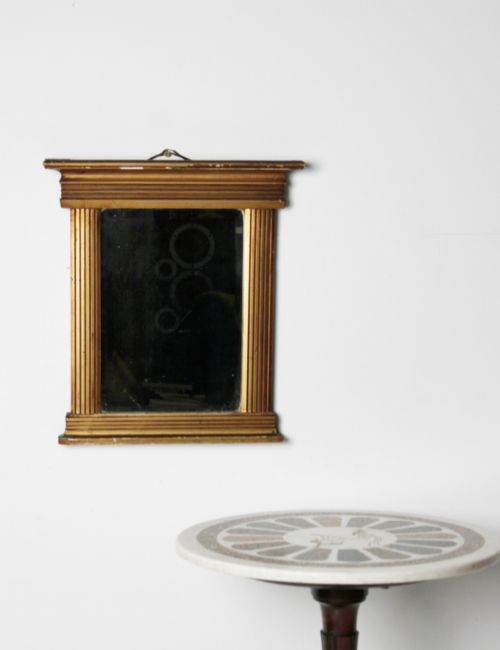


Regency Gilt Pier Glass
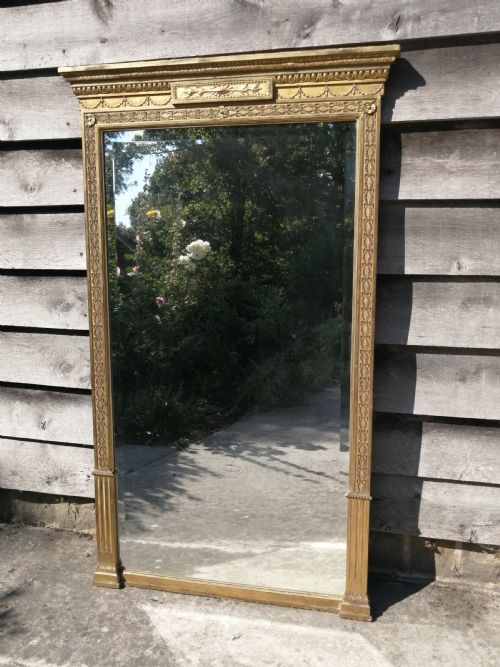
A regency gilt pier glass brings vertical light and architectural focus to a room, designed originally to hang on the wall space between windows.
Regency Gilt Pier Glass
When you search for a regency gilt pier glass, you encounter tall, vertical wall mirrors designed to fit narrow spaces between architectural openings. These pieces originate predominantly from the nineteenth century, spanning the Regency, Georgian, and late Regency periods.
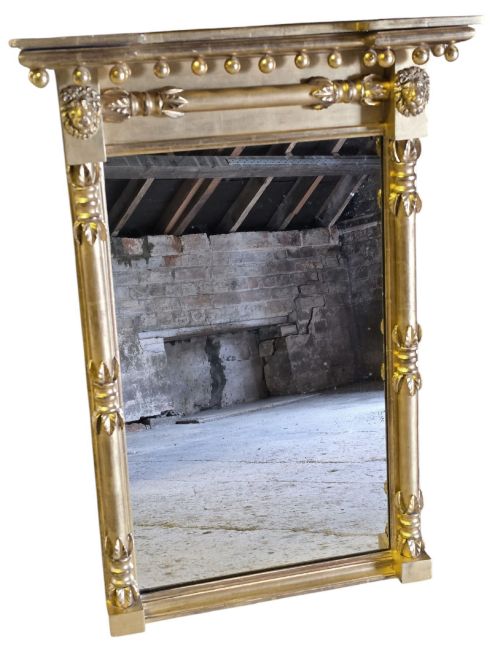
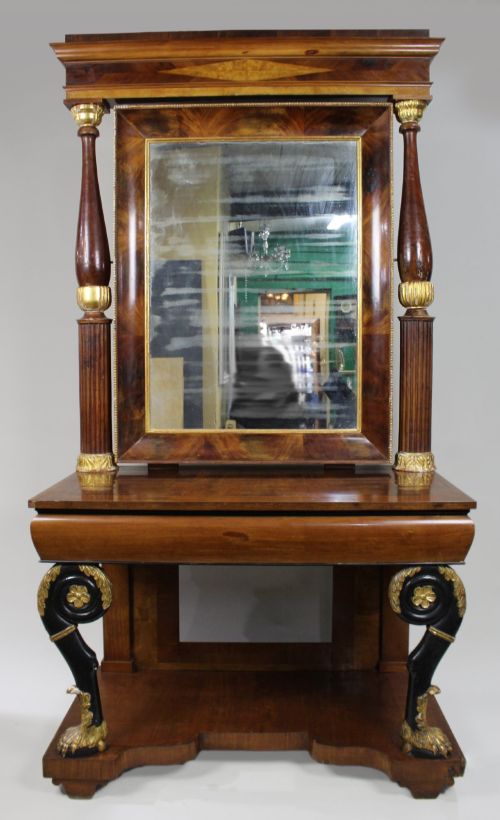
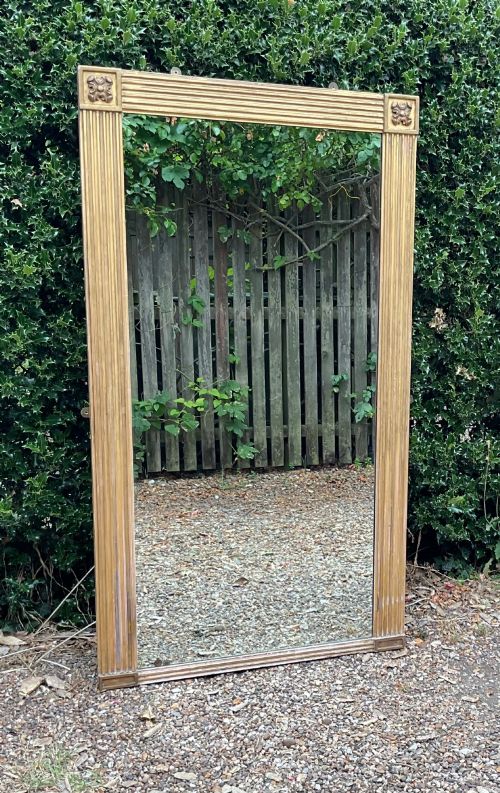
You meet variations incorporating console tables, flanking columns, and painted panels above the main glass. The version most common on this page is the giltwood wall mirror featuring Neoclassical details such as reeded frames and acanthus leaf carvings.
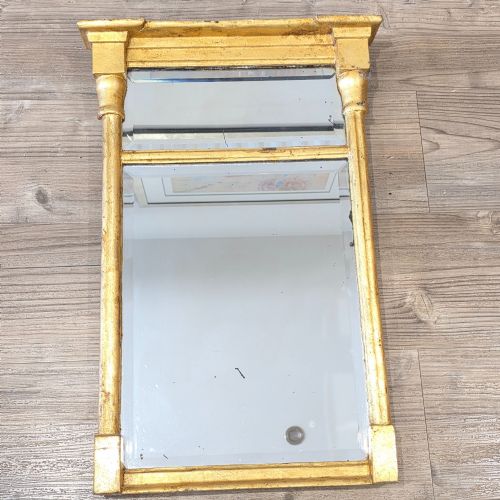
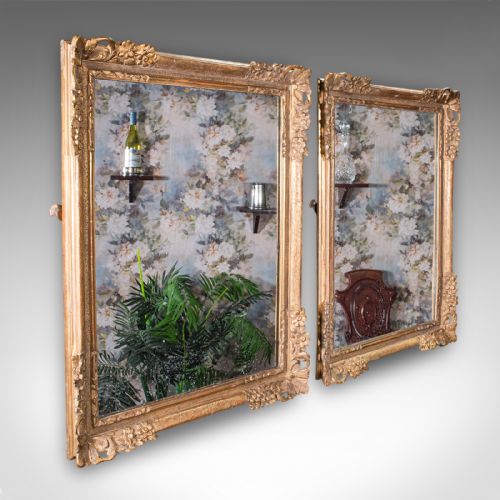
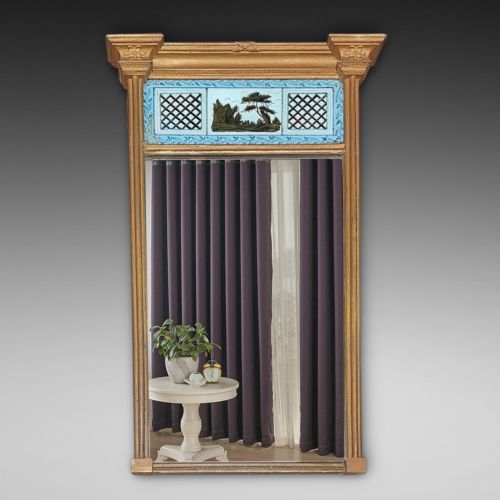
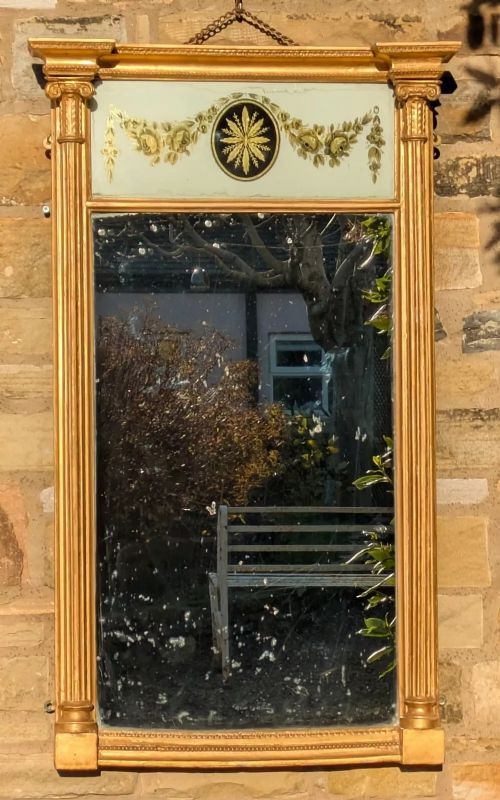
Some examples include ebonised wood highlights or upper panels decorated with verre eglomise, while others appear as grand overmantles or pair configurations. The forms range from neat, modest dimensions to generous proportions suited for large reception rooms.
How they were made
Cabinet makers and gilders constructed these frames using timber cores of mahogany or softwood, layered with gesso to receive intricate surface ornamentation. Gilding was applied using gold leaf or water gilding techniques to achieve a bright, reflective metallic finish.
Mirror plates of the period frequently consisted of original mercury glass or early float glass secured within the rebate. Secondary decorative elements included composition mouldings, carved acanthus foliage, and reverse-painted glass panels known as verre eglomise.
Several mirrors in the archive feature surprising winged insects, hiding bees and ho ho birds among their gilded acanthus leaves.
What varies in quality
The standard of carving and surface preparation dictates the visual strength of the piece, separating finely hand-carved acanthus friezes from heavier, moulded composition ornament. Crisp detail in the wood and gesso work retains its definition beneath layers of gilding.
The preservation of the original mirror plate and any accompanying verre eglomise panel significantly influences the character of the object. High quality is evident in the harmony between the architectural proportions of the frame and the depth of the gilding.
The Regency Gilt Pier Glass Glossary
- Pier glass
- A tall mirror designed specifically to hang on the narrow pier of wall between two windows. It often sat above a matching console table or pier table.
- Verre eglomise
- A process of cold painting and gilding on the rear face of glass to create a decorative picture panel. This technique frequently appears in the upper section of a mirror frame.
- Gesso
- A plaster mixture applied to wood frames to provide a smooth, absorbent surface for gilding. Skilled artisans carved intricate relief details directly into this layer.
- Water gilding
- A traditional technique using liquid size to adhere gold leaf to a gesso surface, allowing the metal to be burnished to a high shine. This method produces a rich, deep lustre.
- Parcel gilt
- A finish where parts of the wooden object are gilded while other areas expose the natural timber grain, such as mahogany. This dual treatment highlights structural framing lines.
Regency Gilt Pier Glass: Frequently Asked Questions
Where should I hang a pier glass?
Historically, these mirrors hung on the narrow strip of wall between two windows to reflect natural light back into the room.
Today, they function well in hallways, above fireplaces, or on any vertical wall space requiring height and luminosity.
What is verre eglomise?
Verre eglomise is a decorative technique involving painting and applying gold leaf to the reverse side of a glass panel.
In these mirrors, you typically find it in a small compartment situated above the main reflective plate.
How do I identify a period mirror?
Period pieces display construction methods consistent with nineteenth-century cabinet making, including old timber frames and hand-applied gesso.
Look closely at the backboards, assembly joints, and the ageing characteristics of the mirror plate itself.
Did these mirrors come with tables?
Some pier glasses were manufactured as matching sets with console tables positioned directly beneath them.
Others hung independently as wall mirrors, though surviving combinations unite the mirror and table into a single architectural unit.