





Regency Architectural Wall Mirror
A regency architectural wall mirror commands the room, bringing classical symmetry and light into an interior through bold frames and finely proportioned glass.
Regency Architectural Wall Mirror
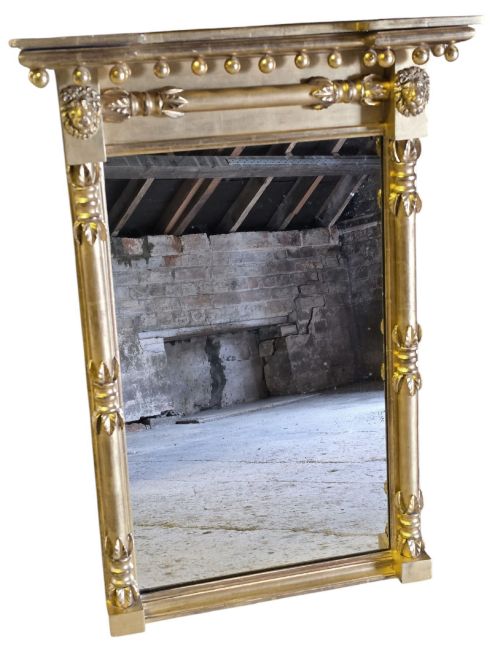
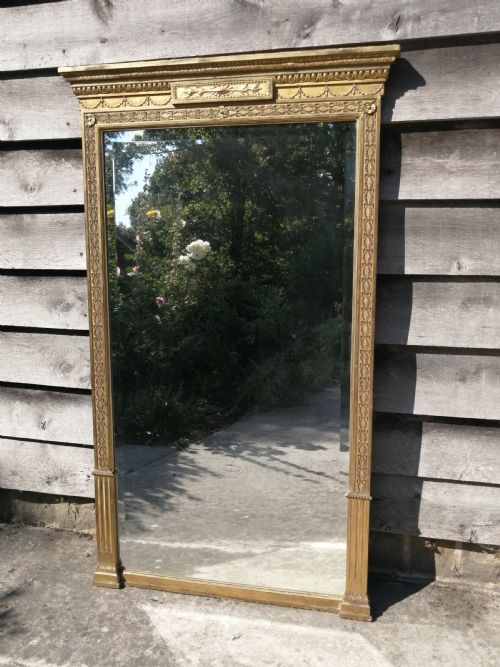
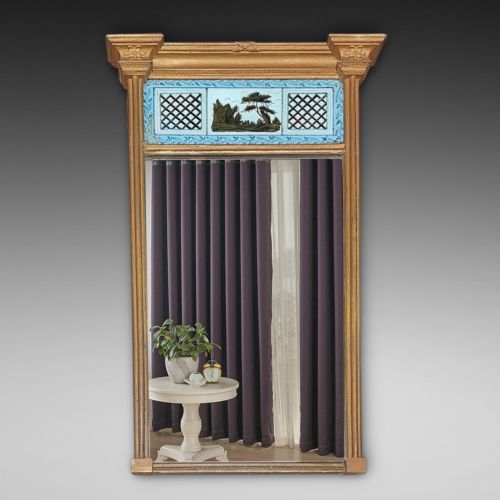
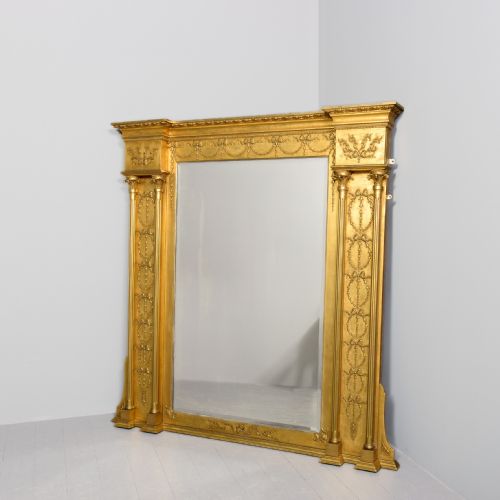
A regency architectural wall mirror embodies the classical restraint and grand scale associated with the period, drawing on ancient architectural motifs to structure the wall. These pieces frequently manifest as substantial overmantels or vertical pier mirrors designed to anchor a room and bounce daylight across the floor.
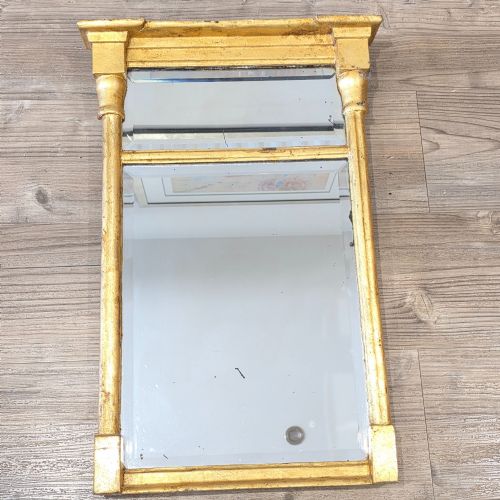
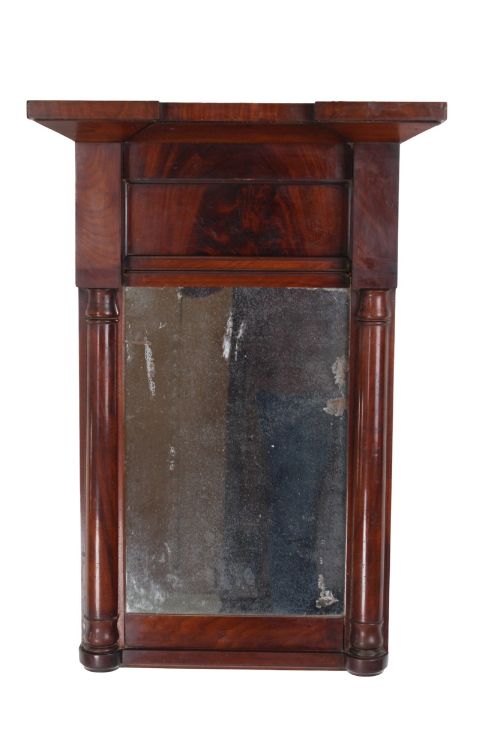
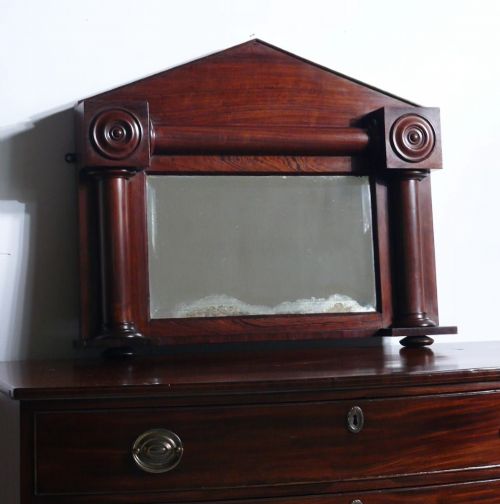
Buyers on this page most commonly encounter gilded wood frames from the nineteenth century, often displaying neoclassical or Egyptian revival details alongside original glass plates. Smaller mahogany and rosewood domestic examples also appear, offering warmth through timber grains rather than gold leaf.
Originating in an era obsessed with proportion, these mirrors bridge the gap between functional looking glass and monumental sculpture. They serve as historical focal points that demand deliberate placement in period or contemporary settings.
How they were made
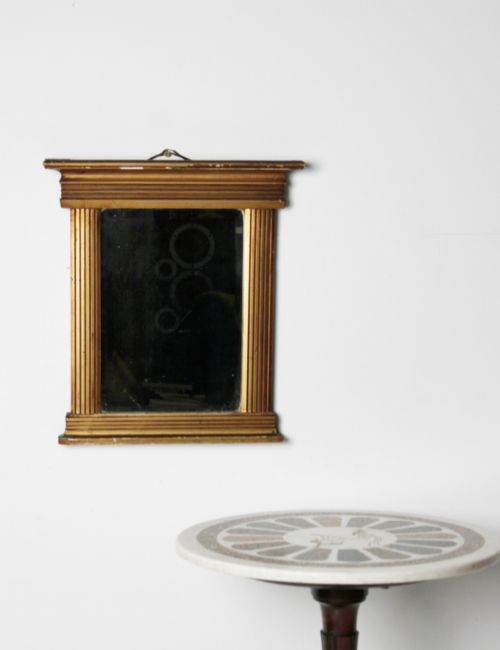
Makers constructed these frames using carved wood, gesso, and composition applied over a timber carcass to build up sharp architectural reliefs. Artisans then gilded the surfaces with gold leaf or applied dark finishes to highlight reeded mouldings and classical ornaments.
Glass plates were silvered by hand, sometimes accompanied by verre églomisé panels featuring painted or gilded reverse designs in the upper frieze. Flame mahogany veneers and walnut timbers provided alternative surfaces for smaller domestic wall mirrors.
Some pier mirrors include small painted glass panels at the top, ensuring guests stare at ancient Egyptian pharaohs while checking their hair.
What varies in quality
The sophistication of the carved ornament and the crispness of the gesso moulding dictate the upper tier of these pieces. Hand-carved wooden details and deeply burnished gold leaf display a sharpness that mechanical composition ornaments lack.
The survival of the original mirror plate adds considerable weight to an object, showing the subtle distortions and foxing of nineteenth-century glass. Frames that retain their original gilding without heavy over-painting demonstrate superior preservation.
The Regency Architectural Wall Mirror Glossary
- Giltwood
- Wood that has been coated with a thin layer of gold leaf. This finish defines the most formal examples of the period.
- Verre églomisé
- A process of cold painting and gilding on the rear face of glass. It frequently appears in the upper frieze of pier mirrors.
- Pier mirror
- A tall vertical looking glass designed specifically to hang on the wall space between two windows. They often feature candle arms or console brackets beneath.
- Overmantel mirror
- A wide horizontal mirror intended to sit directly above a fireplace mantelpiece. These pieces dominate the chimney breast in grand reception rooms.
- Composition
- A moulded mixture of whiting, resin, and oil pressed into ornamental shapes. It allowed makers to produce intricate classical reliefs efficiently.
Regency Architectural Wall Mirror: Frequently Asked Questions
Where should I hang a pier mirror?
Pier mirrors work best in narrow wall spaces, particularly between two windows where they can maximise incoming light. Their vertical proportions suit hallways and drawing rooms.
Ensure the wall fixings can support the substantial weight of a gilded wood and gesso frame before installation.
How do I spot an original glass plate?
Original nineteenth-century glass often exhibits subtle waviness, minor bubbles, and gentle foxing or dark speckles in the silvering. These natural imperfections reflect age.
Modern replacement glass appears entirely flat and lacks the atmospheric depth of period mirror plates.
What is retour d'egypte style?
This design taste draws direct inspiration from Napoleon's Egyptian campaign, incorporating sphinxes, pharaoh heads, and lotus motifs into classical furniture and frames. It reflects the fascination with antiquity during the early nineteenth century.
These pieces combine strict neoclassical symmetry with distinct exotic iconography.
Can these mirrors go above a fireplace?
Wide overmantel mirrors are specifically designed to sit above a fireplace, anchoring the chimney breast and balancing the room's proportions. Their horizontal layout complements the hearth below.
Check the mantelpiece width to ensure the mirror frame matches the scale of the fireplace surround.