



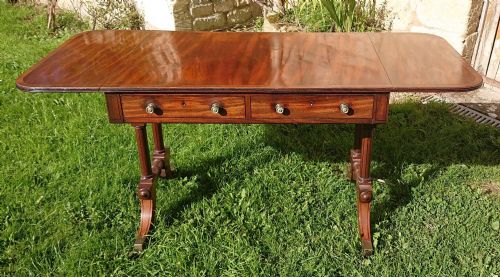


Regency Frieze Drawer Table
A Regency frieze drawer table brings understated elegance and practical utility to any room.
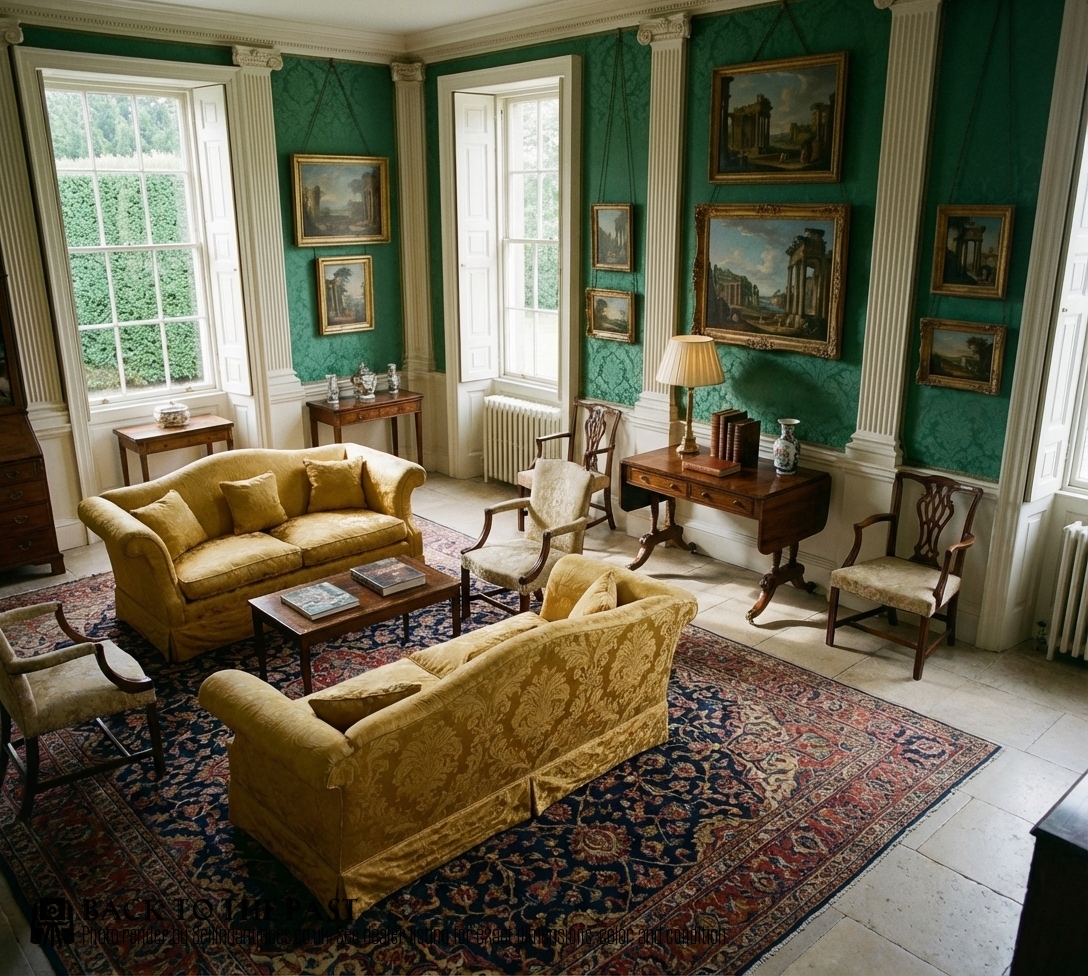
Regency Frieze Drawer Table
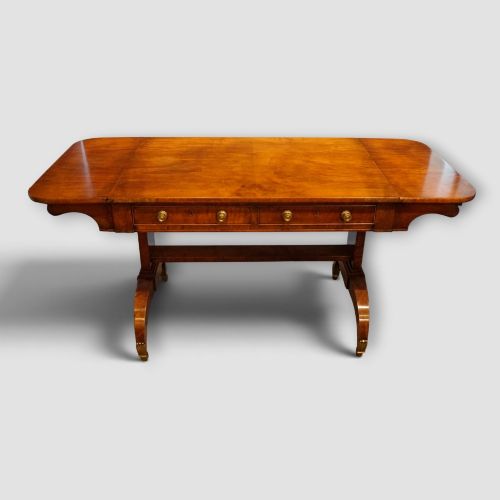
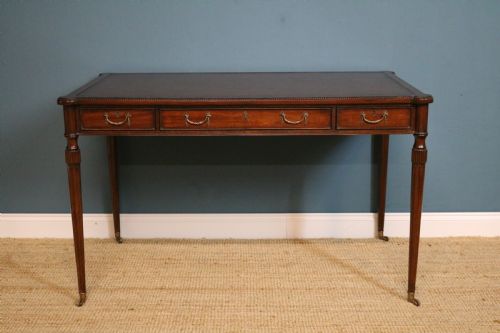
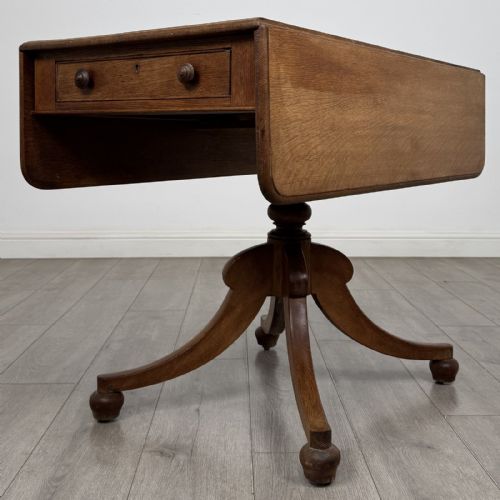
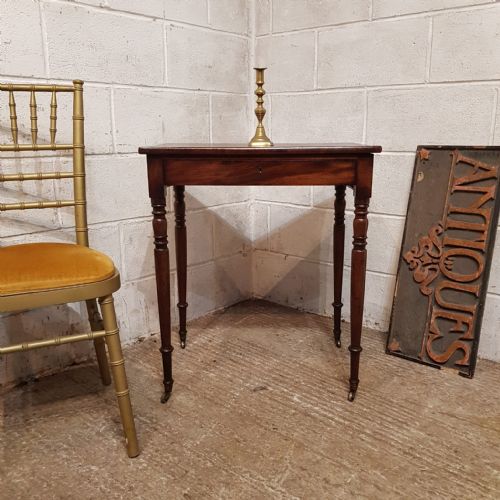
When you search for a regency frieze drawer table, you are looking at practical furniture designed for writing, reading, and storage within refined domestic interiors. These pieces take various forms including side tables, writing tables, sofa tables, library tables, and Pembroke tables.
The versions you are most likely to meet on this page span the Regency, Georgian, and William IV periods, alongside pieces dating through the nineteenth century. They display forms created for specific rooms, incorporating functional drawers integrated into the structural rail beneath the top.
Originating in eras that prized clean lines and figured timbers, these tables bridge the gap between decorative centrepieces and hardworking functional furniture. Their enduring appeal lies in this combination of architectural proportion and daily utility.
How they were made
Makers utilised dense timbers such as mahogany and rosewood, often selecting boards with pronounced natural figuring for the principal surfaces. These woods provided a durable foundation capable of taking a high polish while highlighting the grain.
Brass fittings, including castors and drawer pulls, added both mobility and decorative contrast to the darker timbers. Leather inserts also appeared on writing surfaces, providing a tactile texture designed for daily use.
Regency Frieze Drawer Table Retail Price Guide 2026
Typical asking prices for regency frieze drawer table among the pieces listed under this phrase on Sellingantiques today, from the lower quarter to the upper quarter. They describe what is for sale here now, not the wider market.
Several tables include dummy drawers designed purely to maintain symmetrical balance around the frieze.
What varies in quality
The distinction between tiers of quality rests primarily on the selection of timber and the restraint of the decoration. Superior examples rely on beautifully figured mahogany or rosewood veneers matched with careful attention to structural proportion rather than excessive ornamentation.
Another factor is the integration of the frieze drawers themselves, where tighter tolerances and smooth operation indicate careful cabinet-making. The finesse of turned columns, reeded legs, and brass mounts further separates standard production from exceptional work.
Gillows of Lancaster·William Trotter
The Regency Frieze Drawer Table Glossary
- Frieze
- The horizontal band situated directly beneath the tabletop, which frequently houses one or more concealed drawers.
- Pembroke table
- A small occasional table featuring drop leaves on either side, supported by hinged brackets.
- Drum table
- A circular library table resting on a central pillar, traditionally fitted with alternating frieze and dummy drawers.
- Sofa table
- An elongated rectangular table designed to stand in front of a sofa, typically fitted with drop leaves and twin end supports.
- Crossbanding
- A decorative border technique where veneer is applied across the grain of the primary wood to create a contrasting frame.
Regency Frieze Drawer Table: Frequently Asked Questions
What is a frieze drawer?
A frieze drawer is a shallow drawer built directly into the structural wooden band beneath the top of a table.
These drawers were designed to hold writing implements, papers, or small household items without disrupting the clean architectural lines of the furniture.
How do I use one today?
These tables function well as compact desks, hallway side tables, or sofa-side surfaces in modern rooms.
The built-in drawers provide convenient storage for modern necessities like laptops, stationery, or keys while maintaining a traditional aesthetic.
How do I tell Regency from Georgian?
Georgian furniture generally displays heavier proportions and architectural carvings influenced by classical antiquity. Regency pieces tend to feature lighter, more restrained designs with an emphasis on figured veneers and brass details.
Overlaps occur because Regency style developed directly out of the late Georgian period.
Are these tables sturdy enough for daily use?
Solid construction in dense timbers like mahogany and rosewood ensures these tables remain structurally robust.
Their centuries-old survival demonstrates their durability, though modern placement should avoid extreme temperature shifts to protect the timber and joints.