




Regency Floor Clock
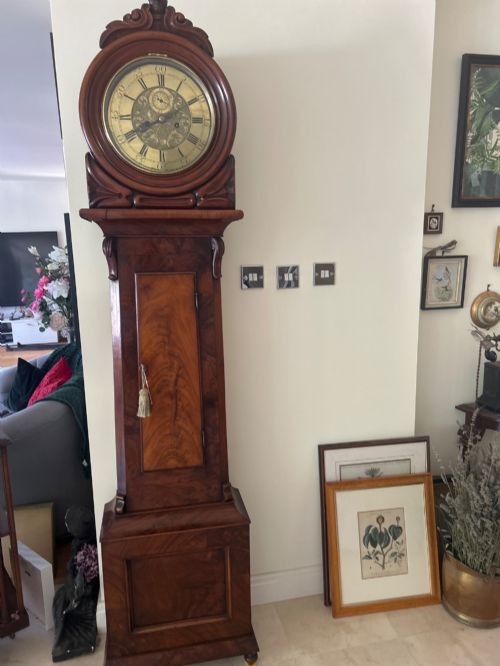
A regency floor clock stands as a towering piece of horology, bringing architectural presence and precise timekeeping to a hall or landing.
Regency Floor Clock
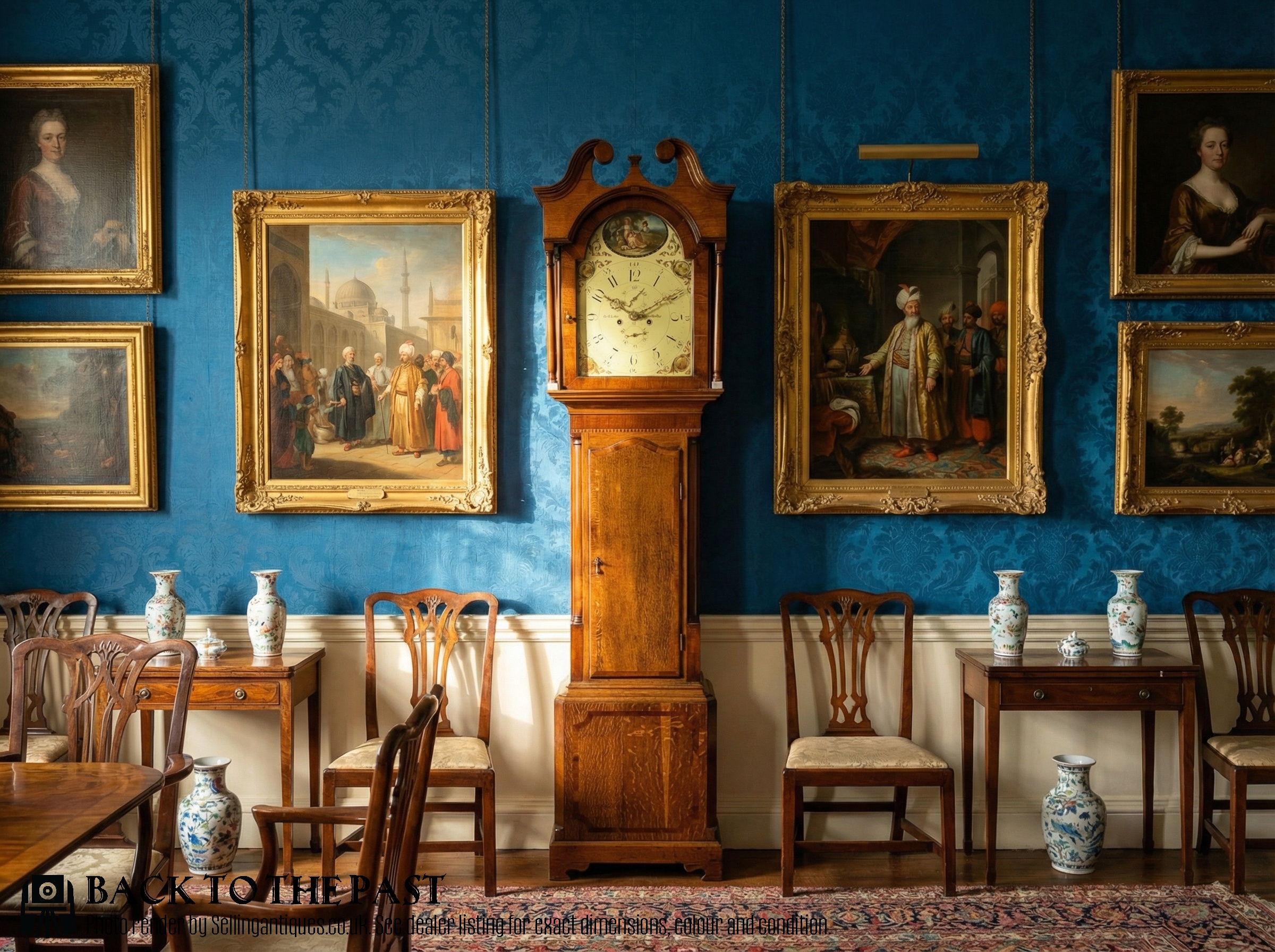
When buyers search for a regency floor clock, they encounter stately vertical timepieces that span periods from the late eighteenth century through the nineteenth century, including Georgian and Victorian examples.
The objects appear under various traditional names such as longcase clocks, grandfathers, regulators, and grandmother clocks, originating from English, Scottish, and Welsh makers.
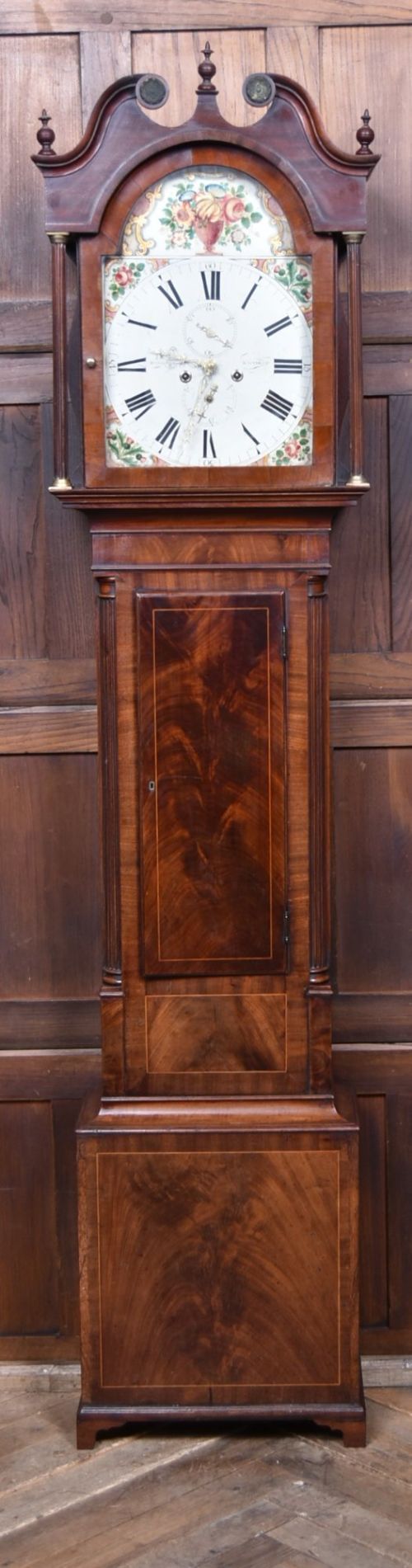
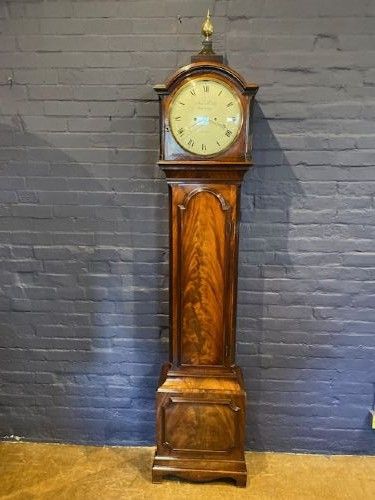
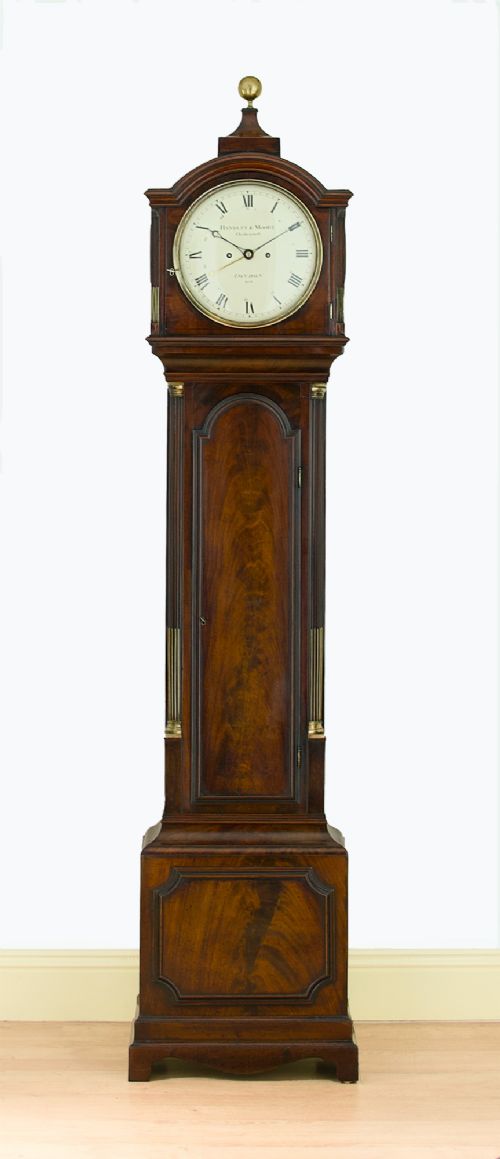
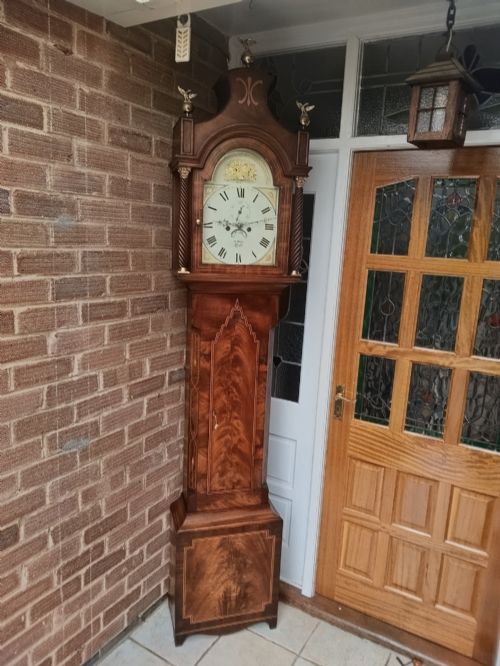
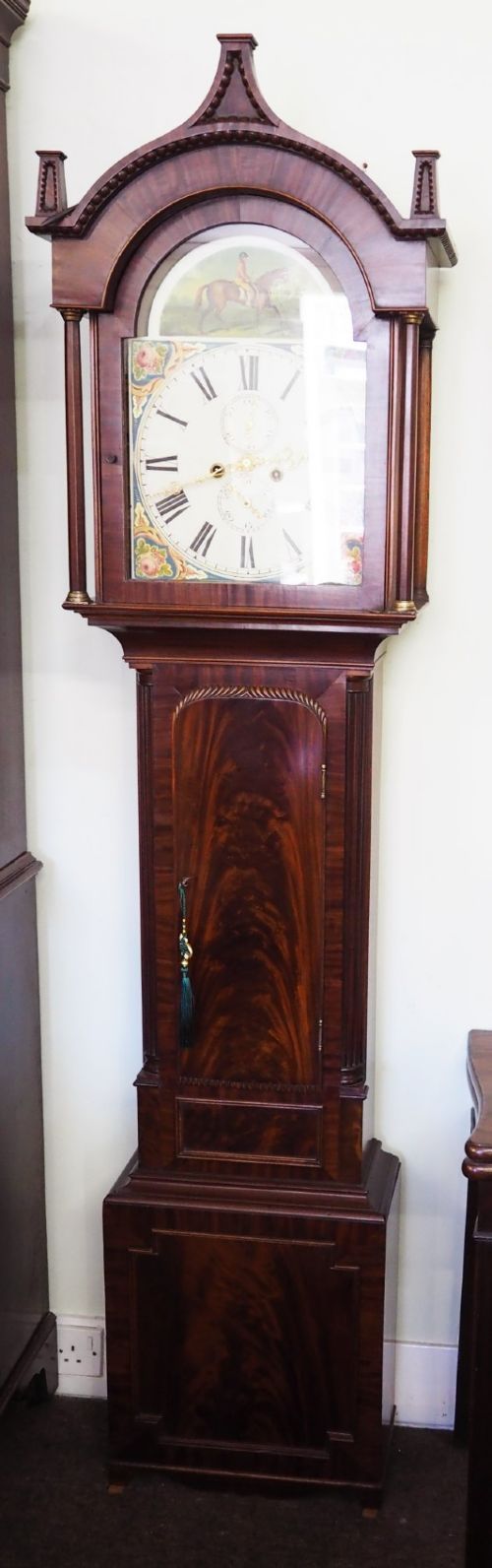
Mahogany, flame mahogany veneer, and oak form the predominant casework, frequently housing painted iron or enamel dials that register the hours.
How They Were Made
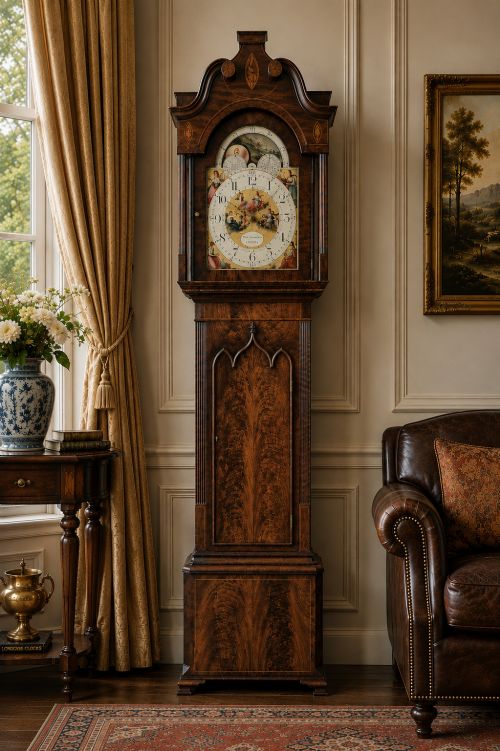
Cabinetmakers constructed the tall wooden housings using solid timbers and carefully selected veneers, applying flame mahogany to create distinctive figured grain patterns across the trunk and base.
Clockmakers fitted intricate brass gear trains, often designed for eight-day operation, alongside painted iron dials, glass face covers, and subsidiary mechanisms like moonphases or rocking figures.
Dials appear in painted iron and enamel, paired with brass movements and glass face covers.
What Varies in Quality
The sophistication of the cabinetwork dictates much of the distinction, separating simple oak regional cases from richly figured flame mahogany examples adorned with delicate inlay.
The reputation of the horologist signing the dial plays a significant role, with established London and provincial makers achieving higher regard for their precision movements and signed components.
Hendrie Ogg·James McCabe·Handley and Moore·Samuel Kellett·Parkinson and Frodsham·Dwerrihouse and Carter·Perigal Bond Street
The Regency Floor Clock Glossary
- Longcase clock
- A tall, free-standing pendulum clock enclosed in a wooden case consisting of a hood, trunk, and base. These pieces are frequently called grandfather clocks by modern buyers.
- Flame mahogany
- A veneer cut from the fork of the mahogany tree where the branch meets the trunk, producing a fiery, curling grain pattern. Cabinetmakers utilised this technique to create decorative impact on clock doors.
- Moonphase
- A dial mechanism tracking the phases of the lunar cycle through a rotating disc behind an aperture. This complication adds visual movement and technical complexity to the clock face.
- Regulator
- A precision pendulum clock designed for exact timekeeping and calibration. These instruments prioritize mechanical accuracy over ornate domestic decoration.
Regency Floor Clock: Frequently Asked Questions
What is a regency floor clock?
A regency floor clock is a tall mechanical timekeeper housed in a wooden trunk, designed to stand directly upon the floor.
These pieces combine cabinetmaking with complex brass gear movements, operating via falling weights and a swinging pendulum.
How do I wind the clock?
Most eight-day models require a key to draw up the weights via winding holes on the dial face.
Careful handling ensures the internal catgut or steel lines remain properly seated on their wooden or brass drums.
Where should I place it?
These clocks require a stable, plumb vertical surface with solid floor support to keep the pendulum swinging evenly.
Placement away from direct sunlight and damp exterior walls protects the timber case and internal steel components.
How do I identify the period?
Stylistic clues within the casework, such as inlay patterns, hood pediments, and dial materials, point toward specific eras.
Signatures inscribed on the painted iron or brass dials often name the maker and town of origin.