






Regency Equestrian Art
Regency equestrian art captures horses, riders and sporting scenes through oils, watercolours and prints from the 18th and 19th centuries.
Regency Equestrian Art
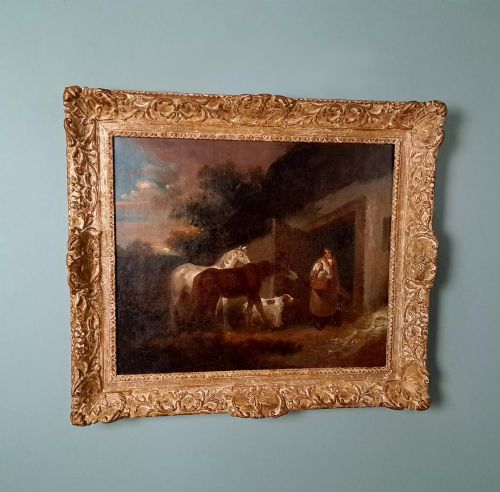
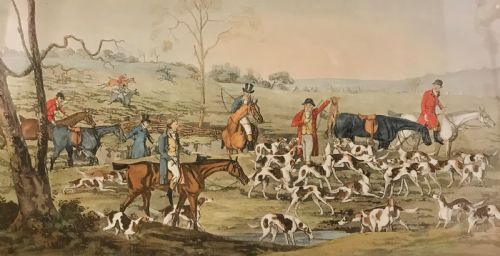
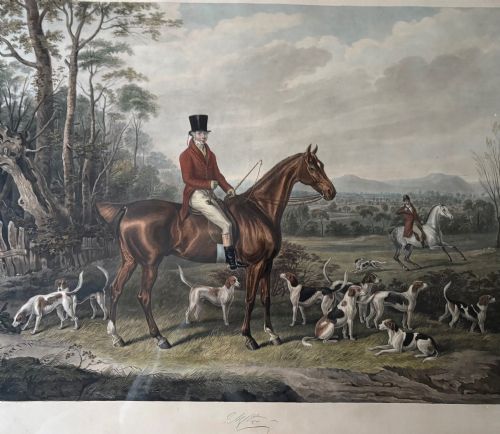
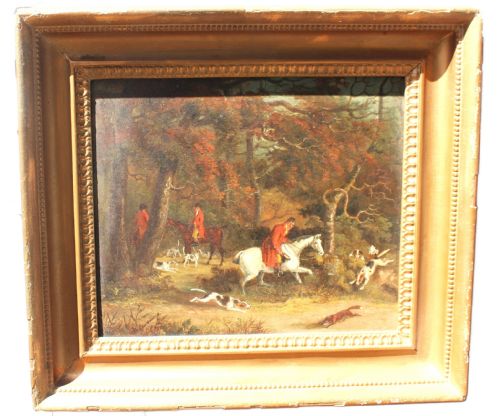
When you search for regency equestrian art, you encounter oil paintings, watercolours, prints and engravings that record horses, hunting scenes and coaching subjects from the Georgian and Regency periods. The pieces on this page span the 18th, 19th and early 20th centuries, reflecting British and French sporting traditions.
You are most likely to meet original oil paintings on canvas and paper prints depicting hunters, stable portraits and coaching milestones. These works range from detailed animal studies by named painters to published lithographs and engravings.
Materials and methods
Artists painted these subjects using oil paint and watercolour on canvas and paper, often finishing works with ink or gold leaf detailing. Canvases provide the surface for substantial horse and landscape compositions, whilst paper supports detailed watercolours and published prints.
Printmakers created multiples through lithography and aquatint engraving, allowing sporting scenes to be published and widely distributed. Frame and mount materials rely primarily on wood to house these paintings, watercolours and engravings.
John 'Mad Jack' Mytton makes an appearance here, reminding us that Regency horsemen combined elite sport with absolute recklessness.
Factors of quality
The distinction between standard works and exceptional pieces lies in the anatomical accuracy of the horse and the skill of the brushwork in the landscape. Master painters render muscle structure, light and movement with precision, whereas lesser works rely on formulaic postures.
Condition and medium also determine standing, with original oil paintings on canvas commanding greater technical regard than later reproduction prints. The presence of a clear attribution to a recognised sporting artist elevates the piece.
William Joseph Shayer Senior·John Ferneley Senior·John Augustus Atkinson·Clifton Tomson·James Barenger·Samuel John Egbert Jones·Harry Ashby
The Regency Equestrian Art Glossary
- Aquatint
- A printmaking technique that produces tonal areas resembling watercolour washes. It was frequently utilised for reproducing sporting scenes and hunting prints.
- Lithograph
- A planographic printing method using a stone or metal plate. Publishers used this process to issue popular hunting and coaching prints.
- Provenance
- The documented history of ownership for a work of art. It establishes authenticity and traces the lineage of the piece.
- Sporting art
- Genre of painting and printmaking dedicated to horse racing, hunting, shooting and coaching. It flourished in Britain during the Georgian and Regency eras.
Regency Equestrian Art: Frequently Asked Questions
What subjects appear in regency equestrian art?
These works depict horses in various settings, including stable portraits, hunting scenes with hounds, and coaching subjects on the road. Portraits of individual hunters and racehorses also feature prominently alongside military cavalry depictions.
Landscapes form an integral part of the composition, placing the animals within rural or pastoral surroundings.
How do I care for these paper and canvas works?
Oils on canvas require stable indoor humidity and protection from direct sunlight to prevent cracking of the paint layer. Watercolours and prints on paper need UV-filtering glass and acid-free mounts to guard against fading.
Keep all pieces away from heat sources and damp walls to preserve the integrity of the materials.
Are these pieces original or reproductions?
The selection includes both original one-off oil paintings and watercolours alongside period-published prints and engravings. Catalogues and listings specify whether an artwork is a unique painted composition or a multi-plate engraving.
Original works bear the brushstrokes of the artist, while prints show the characteristic dot patterns or plate marks of the printing press.
How can I tell the date of a sporting print?
Publishers often inscribed publication dates directly onto the margin of engravings and lithographs alongside the artist's name. Paper quality, watermark evidence and framing style also provide clues to the era of production.
Stylistic shifts in equine conformation help narrow down whether a piece originates from the 18th, 19th or 20th century.