


Regency Desk with Drawers
A regency desk with drawers brings architectural harmony and practical writing space to a room, combining rich timbers with ingenious storage.
Regency Desk with Drawers
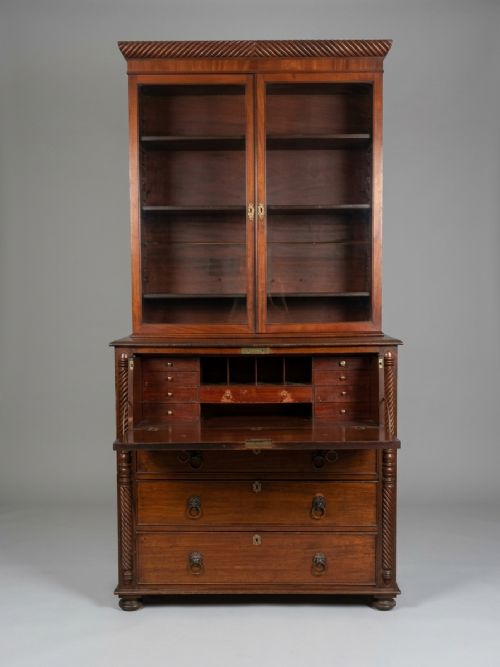
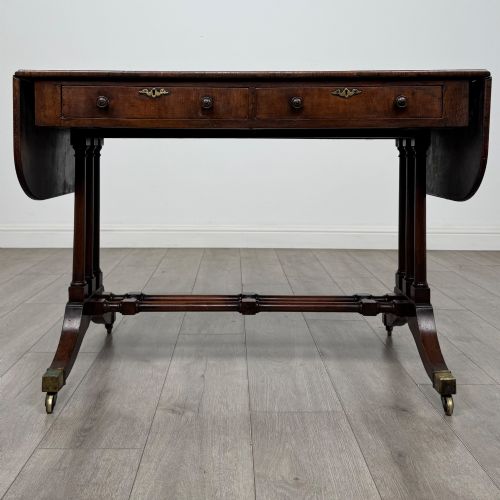
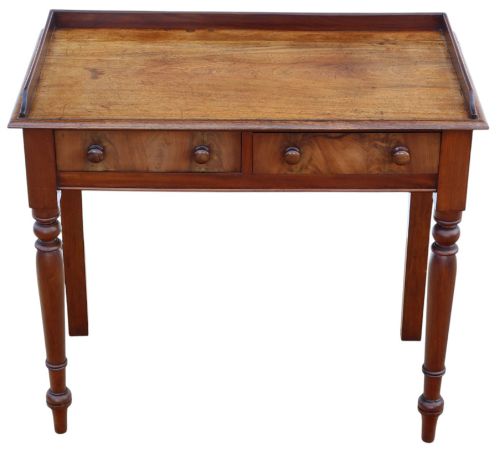
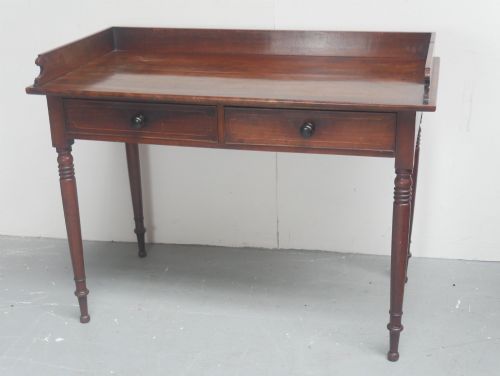
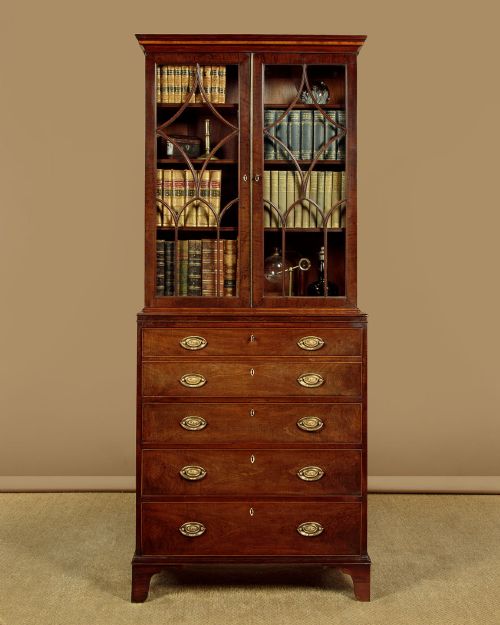
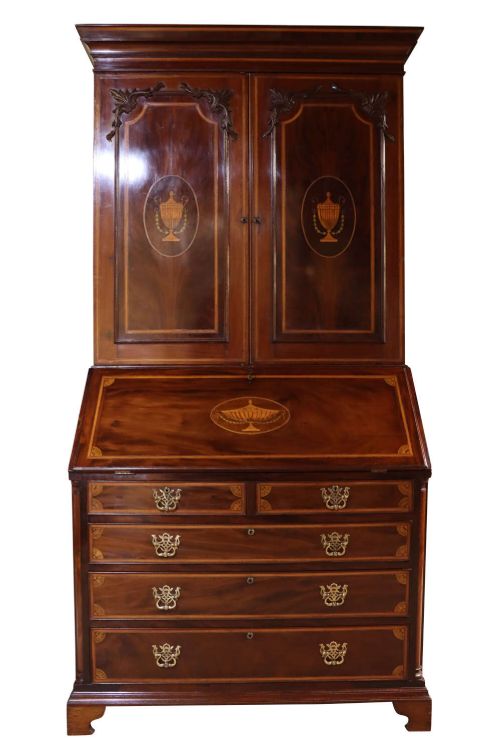
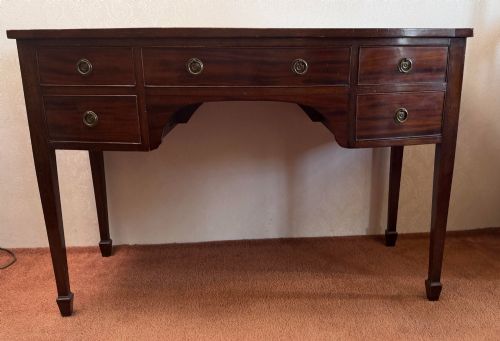
When you search for a regency desk with drawers, you look at a refined group of writing furniture spanning the Regency, Georgian, George IV, and William IV periods. These pieces range from compact Davenport desks and sliding-top writing tables to substantial pedestal desks and secretaire bookcases.
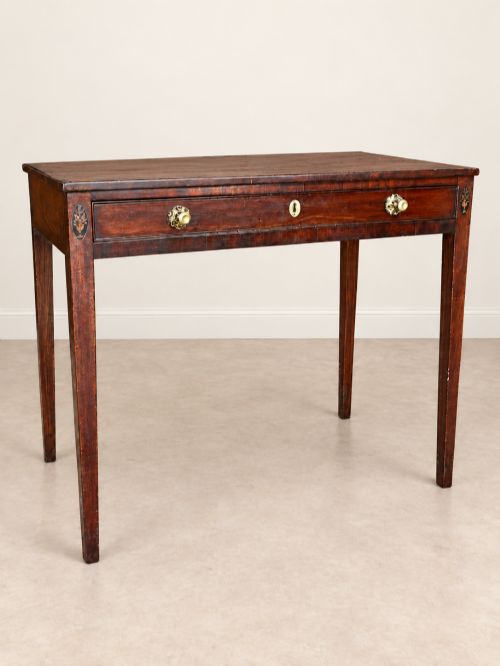
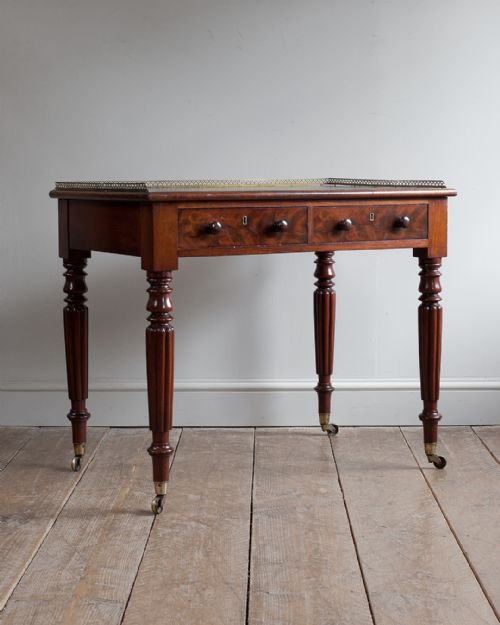
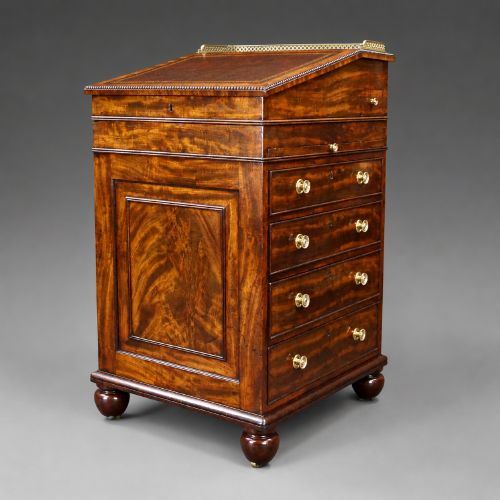
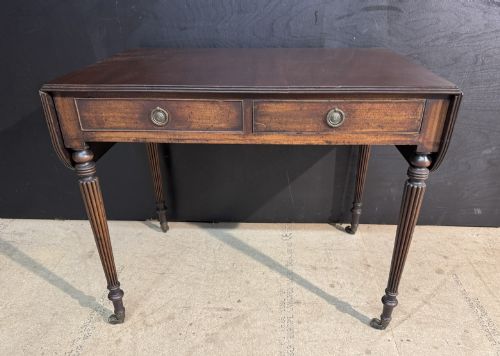
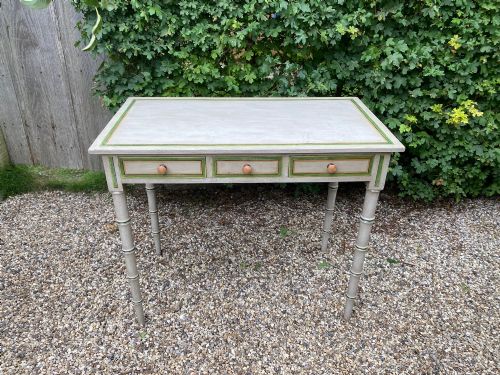
The most common formats on this page include mahogany and rosewood writing tables featuring functional drawer arrangements, alongside Davenport desks equipped with side drawers and sloped writing surfaces. Many examples date from the early nineteenth century and reflect the classic design ideals of that era.
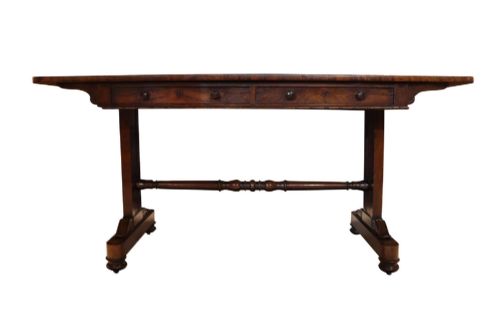
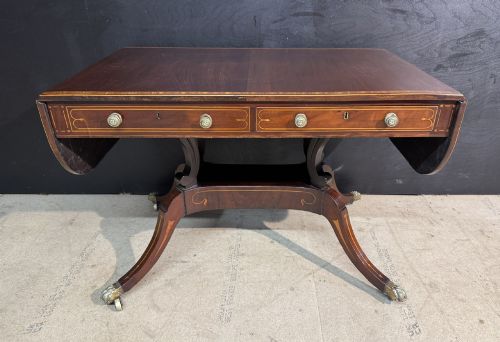
Makers and cabinetmakers of the time utilised diverse forms, incorporating end supports, pedestal bases, and sofa table designs fitted with drawers for ink, pens, and correspondence. Each piece demonstrates how period craftsmen balanced domestic utility with formal elegance.
Materials and construction
Cabinetmakers built these desks primarily using solid and veneered timbers, selecting figured mahogany, flame mahogany, and rich rosewood for their striking grain patterns. Oak and walnut also appear in structural elements and secondary woods, while specialised pieces incorporate pollard oak, elm, and yew.
Surfaces frequently feature inset tooled leather writing panels, complemented by cast brass mounts, inlay, and delicate stringing. Drawers often conceal secret compartments or fitted interiors, constructed with traditional dovetail joints and operated via turned wooden knobs or brass pulls.
Several desks conceal secret drawers behind hidden catches, designed to keep private correspondence safe from wandering eyes.
Judging quality and proportion
Quality in these desks rests primarily upon the selection of timber veneers and the crispness of brass or inlaid ornamentation. Superior examples display carefully matched flame mahogany or rosewood grains that wrap harmoniously around the drawer fronts and structural carcase.
Proportion and interior arrangement also distinguish finer pieces from standard production. A top-tier desk possesses balanced dimensions, smooth drawer action, tightly fitted secret compartments, and original hardware rather than later replacements.
Gillows of Lancaster
The Regency Desk with Drawers Glossary
- Davenport
- A compact writing desk featuring a sloped, hinged top above a bank of drawers accessed from the side. This form became particularly popular during the Regency period for boudoir and library use.
- Secretaire bookcase
- A tall piece of furniture combining a lower cabinet with a pull-out writing drawer or drop-front desk section beneath upper glazed shelving. These dual-purpose units provide both display space and concealed workspace.
- Sofa table
- A rectangular occasional table designed to stand in front of a sofa, typically fitted with two drop leaves and small drawers in the frieze. Many Regency variants feature elegant end-support trestle bases.
- Flame mahogany
- A decorative veneer cut from wood where the branch meets the main trunk, producing a distinctive flickering flame-like pattern. Cabinetmakers prized this figure for principal display surfaces.
- Stringing
- A narrow strip of contrasting wood or light-coloured inlay set into the surface of furniture to create geometric borders. It highlights the structural lines of drawer fronts and tabletops.
Regency Desk with Drawers: Frequently Asked Questions
What is a Davenport desk?
A Davenport is a small, freestanding desk featuring a sloping, leather-lined writing surface that lifts to reveal storage. A bank of drawers is set into one side.
First appearing around the turn of the nineteenth century, these compact writing boxes on pedestals offered dedicated workspace without dominating a room.
Where were these desks placed in a historic home?
These pieces served multiple rooms, functioning in libraries, withdrawing rooms, bedrooms, and private parlours. Library tables often stood freestanding in the middle of a room.
Smaller items like Davenport desks and writing slopes sat neatly against walls or beside seating areas where correspondence took place.
What is a secretaire drawer?
A secretaire drawer is an upper drawer that pulls forward and folds down to create a writing desk surface. Inside, it reveals a fitted interior with pigeonholes and small drawers.
This clever design preserved the clean exterior look of a chest of drawers or bookcase while providing hidden writing facilities.