




Regency Chinoiserie Ceramics
Regency chinoiserie ceramics combine Georgian forms with eastern-inspired motifs, offering collectors robust ironstone plates, tureens, and vases decorated with vibrant enamel and transferware.
Regency Chinoiserie Ceramics
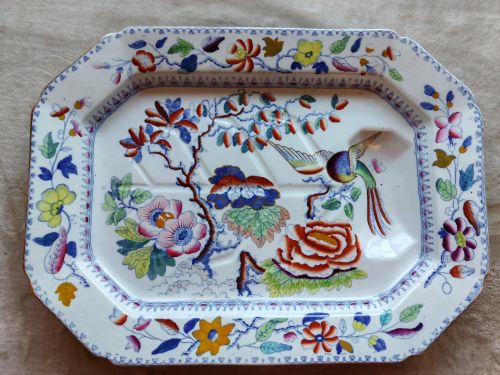
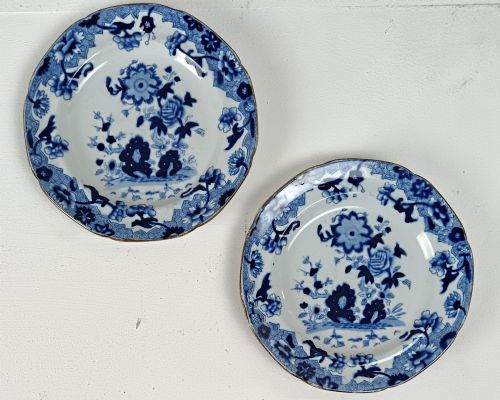
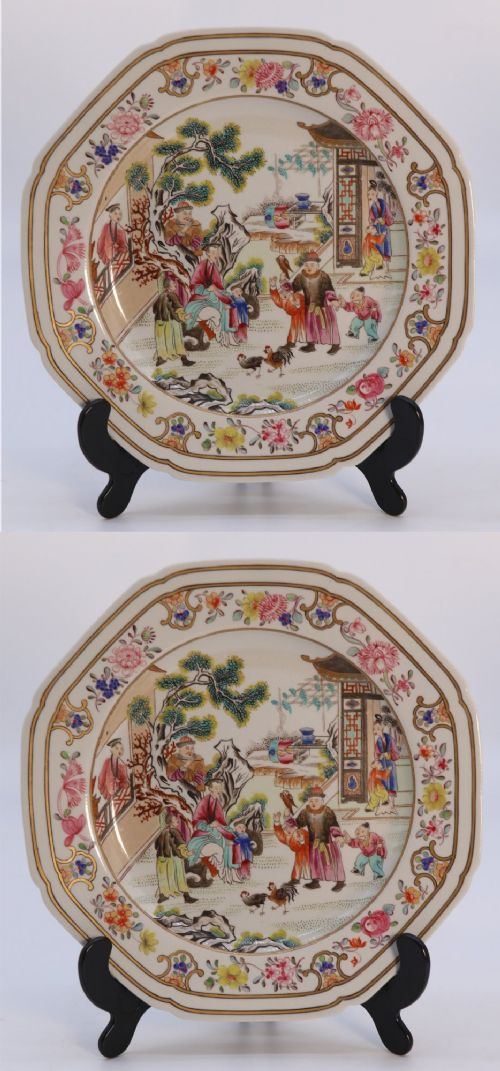
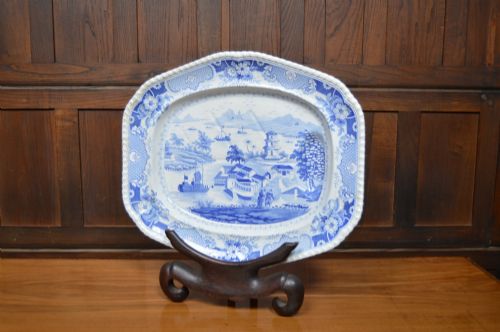
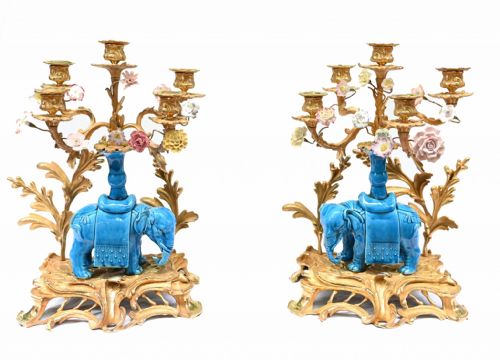
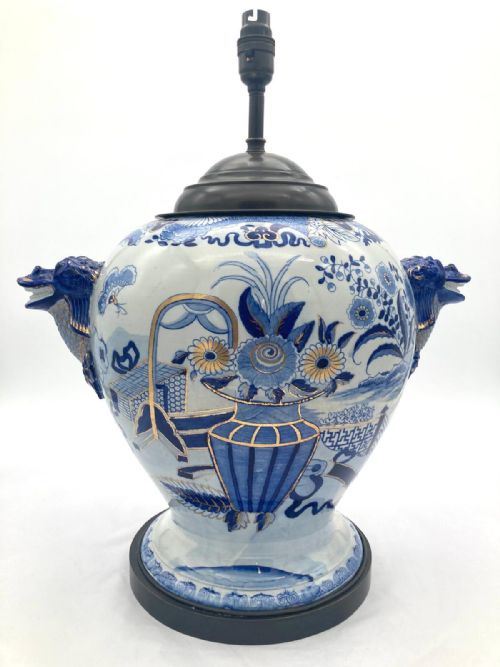
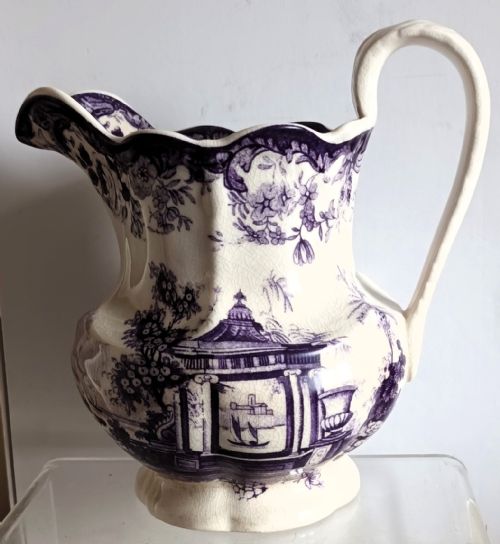
When you search for regency chinoiserie ceramics, you encounter British earthenwares, ironstones, and porcelains produced during the Georgian and Regency periods through to the Victorian era. These objects take the form of decorative plates, serving platters, tureens, ewers, and large hall vases intended for display or domestic service.
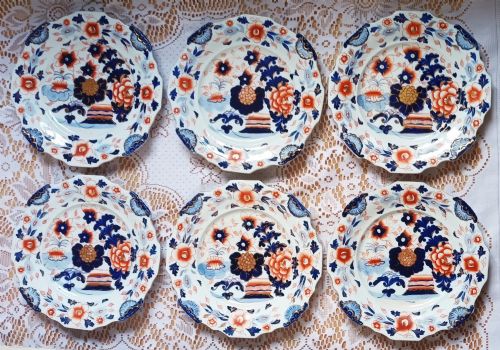
The objects most frequently met on this page originate from notable English potteries producing transferware and hand-painted wares. Pieces often display specific oriental patterns such as dragon in compartments, mandarin, or zebra motifs on porcelain and ironstone bodies.
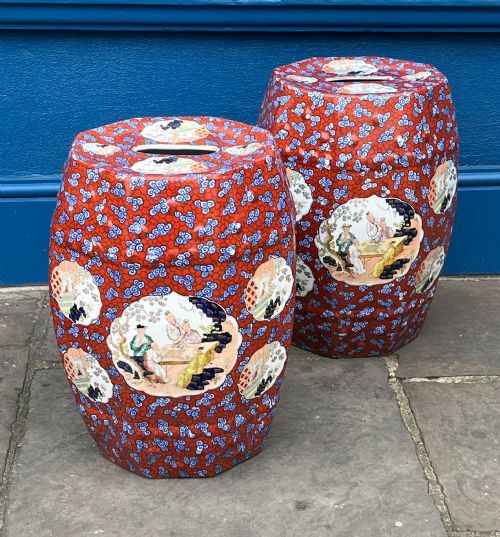
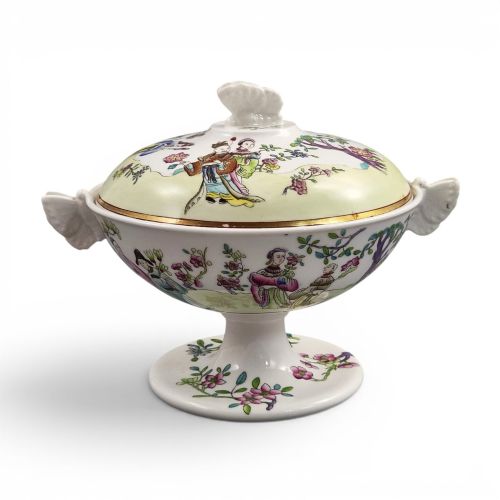
The selection spans cabinet plates, bowls, and garden seats that reflect an enduring British fascination with eastern aesthetics. Makers utilised durable ironstone and fine porcelain to create vessels ranging from tea plates to substantial covered pedestal bowls.
Materials and Techniques
Potters constructed these objects using ceramic bodies such as ironstone, earthenware, and porcelain, frequently finishing surfaces with cobalt blue transfer printing or hand-applied enamel. Artisans enhanced select vessels with gold leaf and gilt highlights over detailed oriental scenes.
Makers employed durable ironstone for heavy service items like tureens and platters, while delicate porcelain suited tea cups, saucers, and cabinet plates. Glaze application protected the underlying blue and white or polychrome transferware designs.
Regency Chinoiserie Ceramics Retail Price Guide 2026
Typical asking prices for regency chinoiserie ceramics among the pieces listed under this phrase on Sellingantiques today, from the lower quarter to the upper quarter. They describe what is for sale here now, not the wider market.
Listings feature periods spanning the Georgian, Regency, and Victorian eras, alongside 19th-century production dates.
Distinctions in Quality
Quality rests upon the crispness of the transfer print and the precision of the hand-applied enamel work. Finer examples exhibit deep cobalt blue grounds or carefully detailed polychrome patterns without blurring.
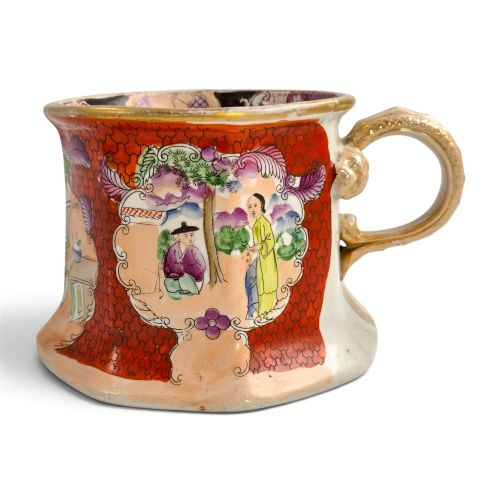
The complexity of the ceramic form, such as faceted jugs, grotesque handles, or butterfly details on pedestal bowls, separates standard utilitarian wares from superior exhibition pieces.
Spode·Hicks and Meigh·Mason·Worcester·Minton·Wedgwood
The Regency Chinoiserie Ceramics Glossary
- Ironstone
- A patented ceramic body developed in England for its strength and durability. It served as a robust alternative to porcelain for heavy dinner services and decorative vases.
- Transferware
- A method of decorating ceramics by applying a printed paper design from an engraved copper plate onto the biscuit surface before glazing. This technique allowed for intricate repeating patterns like the dragon in compartments design.
- Clobbered
- A process where older underglaze blue and white ceramics received extra layers of enamel colours and gold leaf by later decorators. This created a richer, highly embellished appearance.
- Comport
- A raised decorative dish or bowl used for serving fruit or sweets at the dining table. These pieces often feature detailed chinoiserie or mandarin patterns.
- Ewer
- A large jug with a wide spout and shaped handle, traditionally used for washing or display. In chinoiserie ceramics, these vessels often incorporate grotesque handles and cobalt blue grounds.
Regency Chinoiserie Ceramics: Frequently Asked Questions
What is ironstone china?
Ironstone is a dense, durable type of earthenware patented in the early nineteenth century by British potters. It provided a sturdy alternative to porcelain for large vessels and daily service.
Peculiar to this material is its ability to withstand heavy use while accepting complex chinoiserie transfer prints and enamel painting.
How are these patterns identified?
Patterns are identified by specific motifs, such as dragons in compartments, mandarin figures, or Indian grasshopper designs. Makers often named these decorative themes in their factory records.
Comparison with documented examples helps confirm the specific pattern name and the producing pottery.
Are these ceramics safe for food?
Most antique ceramics feature historical glazes that were not manufactured to modern food safety standards. Lead and other components may be present in older glazes and enamels.
Collectors generally preserve these items for display, decorative service, or dry use rather than daily dining.
How should ceramics be cleaned?
Cleaning requires gentle dusting with a soft, dry cloth to protect fragile enamel and gold leaf decorations. Submersion in water or the use of harsh detergents can damage delicate surfaces.
Displaying pieces away from direct sunlight preserves the vibrant cobalt blue grounds and polychrome pigments.