


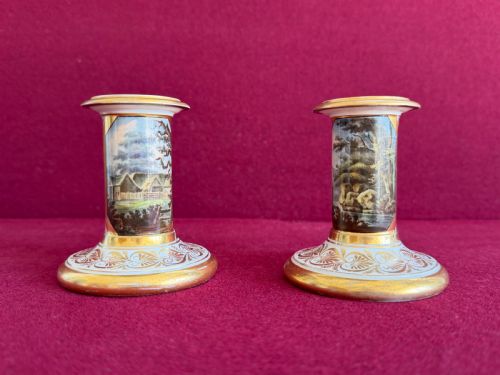
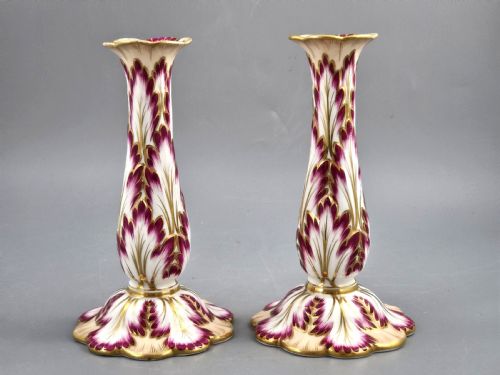
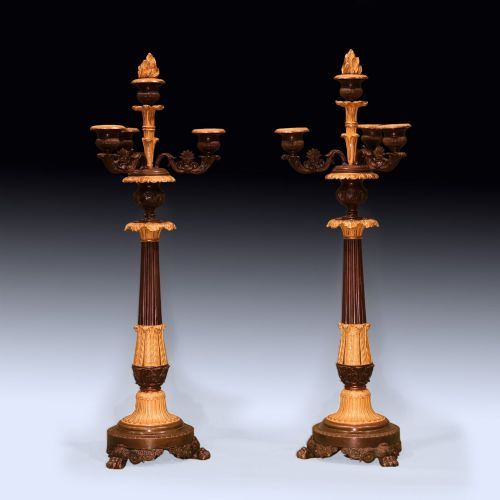
Regency Candle Holder Pair
A regency candle holder pair brings neoclassical symmetry and striking metallurgy to a table, uniting period design with practical illumination.
Regency Candle Holder Pair
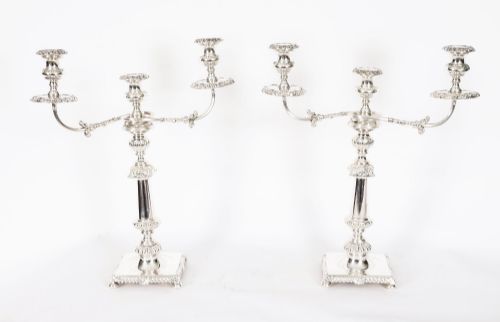
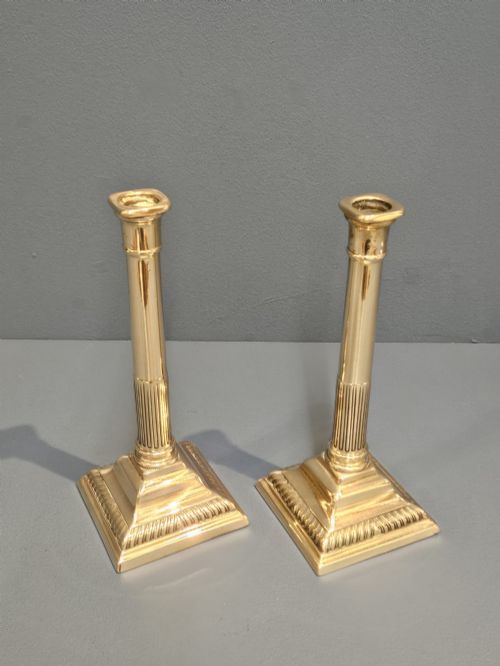
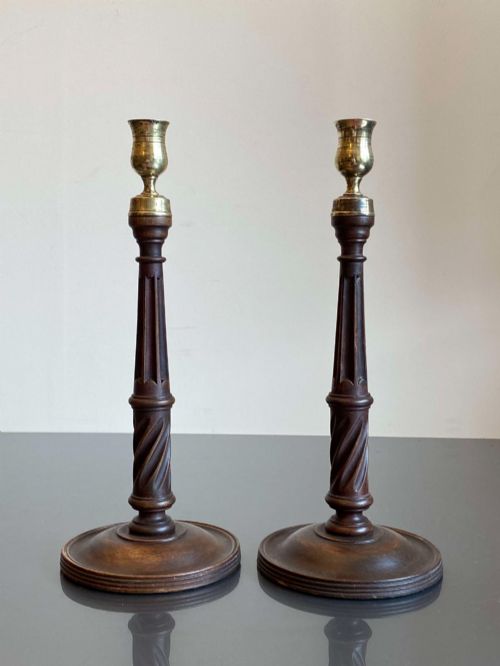
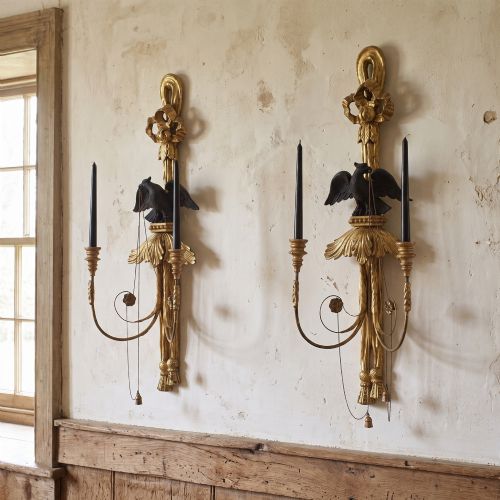
A regency candle holder pair typically takes the form of candlesticks, multi-arm candelabra, or wall sconces originating from the early nineteenth century and later revivals. These dual table or wall ornaments embody the architectural discipline and classical motifs associated with the era.
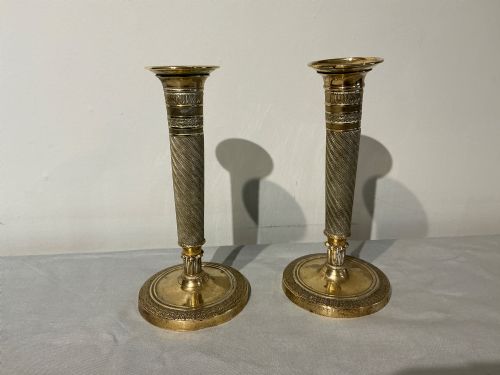
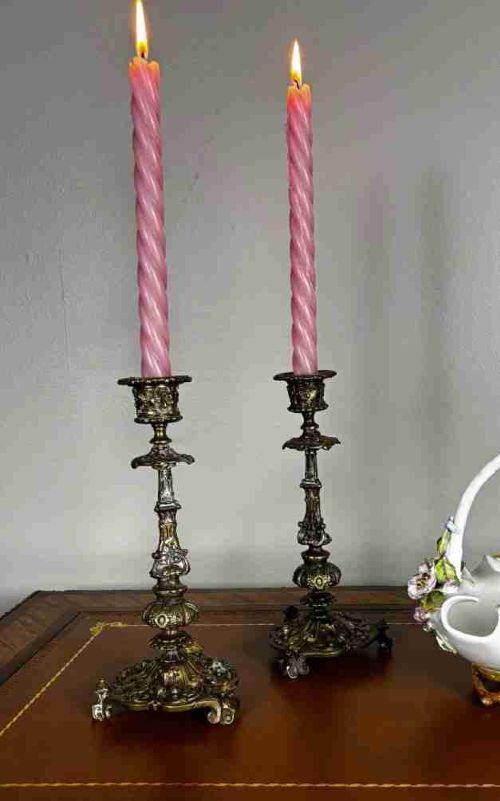
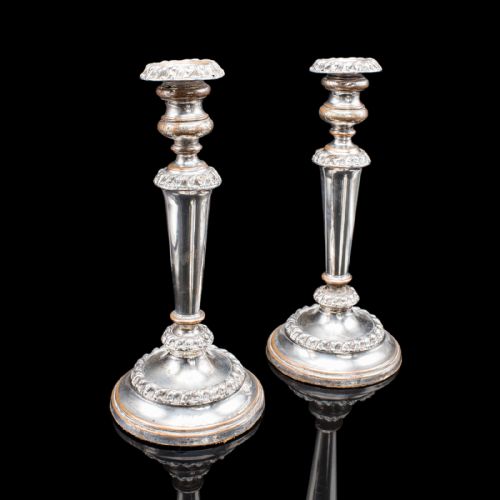
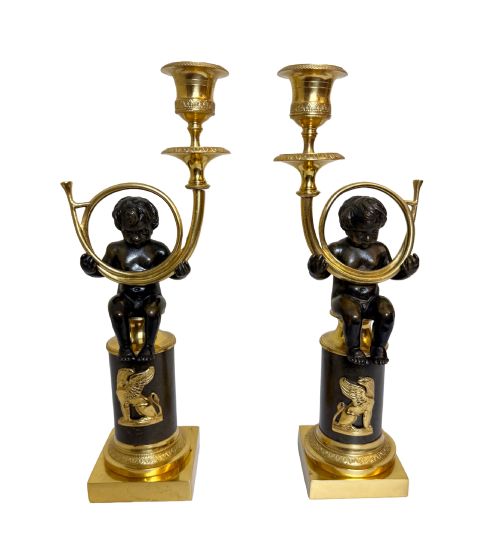
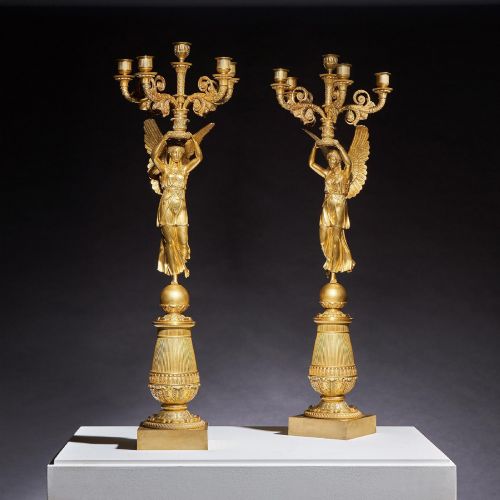
The most common examples encountered on this page are cast from brass, bronze, and old Sheffield plate, frequently arranged as symmetrical pairs to anchor a mantelpiece or sideboard. Alongside standard candlesticks, buyers will find chambersticks, telescopic designs, and figural models featuring animals or mythological subjects.
How They Were Made
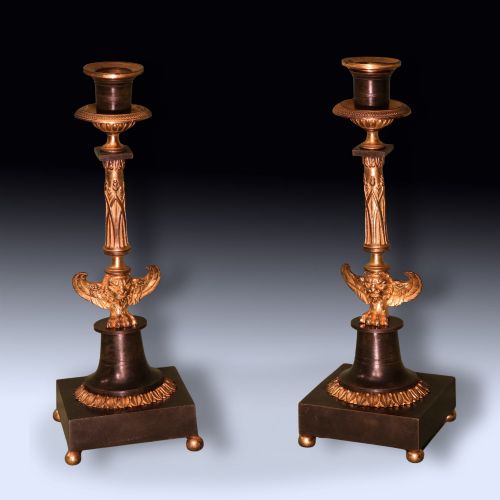
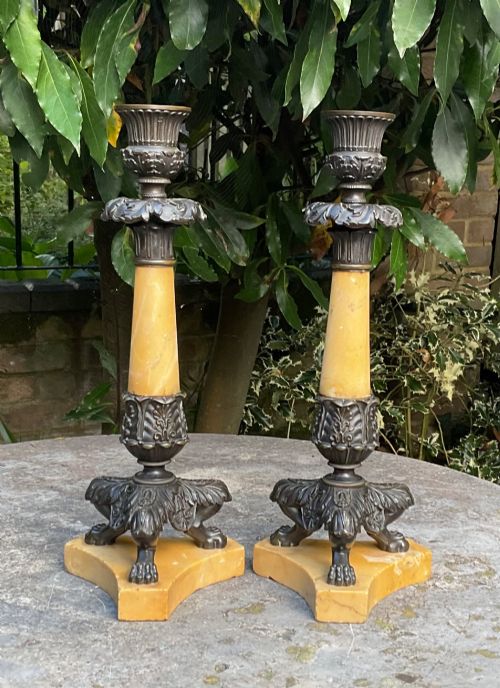
Foundry workers utilised bronze, brass, and copper, often combining patinated dark metal with fire-gilded ormolu highlights to create sharp tonal contrast. Component parts were cast separately and assembled, allowing for intricate surface chasing and secure joints on square or round bases.
Silver plating on copper, known as Old Sheffield plate, was applied by fusing a thin sheet of silver to a copper ingot before rolling and shaping the metal into nozzles and stems. Porcelains from factories such as Worcester and Derby were moulded with foliage or figures, then hand-painted with gilt details.
Regency Candle Holder Pair Retail Price Guide 2026
Typical asking prices for regency candle holder pair among the pieces listed under this phrase on Sellingantiques today, from the lower quarter to the upper quarter. They describe what is for sale here now, not the wider market.
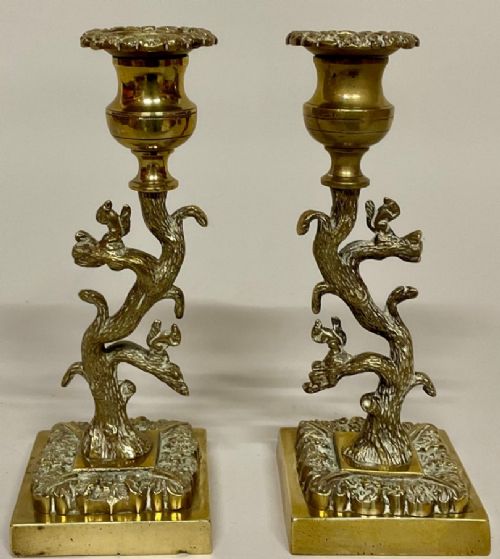
Squirrels forage among bronze tree branches on one pair, proving that even formal lighting could harbour woodland mischief.
What Varies in Quality
The distinction between ordinary and superior examples lies in the crispness of the metal casting and the depth of the subsequent chasing. Sharp definition in acanthus leaves, animal fur, or human figures indicates skilled hand-finishing rather than a soft, mass-produced mould.
Weight and balance also define the grade of the piece, with better objects feeling substantial in the hand due to heavy gauge brass, solid bronze, or weighted marble plinths. Original components, matching nozzles, and intact fire gilding elevate an item above composite pairs assembled from disparate parts.
Pierre Philippe Thomire·Ridgway·Barr Flight And Barr·Thomas Hope
The Regency Candle Holder Pair Glossary
- Ormolu
- Finely ground high-carat gold applied to a bronze base through a mercury amalgamation process, yielding a rich, matte yellow lustre. This technique was widely employed on French Empire and Regency decorative metalwork.
- Old Sheffield Plate
- An early composite material created by fusing a thin layer of silver to a thicker copper base before rolling. It allows the durability of copper to combine with the appearance of solid silver.
- Campana
- A bell-shaped socket or nozzle designed to hold a candle securely at the top of a stem. The form derives directly from classical Roman pottery vessels.
- Telescopic
- A sliding mechanism built into the stem that allows the height of the candle nozzle to be adjusted. These were popular in domestic settings for varying the intensity of light.
- Pricket
- A sharp metal spike upon which a large candle is impelled, rather than dropped into a socket. This form is often found on heavier altar or large decorative candlesticks.
Regency Candle Holder Pair: Frequently Asked Questions
What is a regency candle holder pair?
These matching lighting devices date from the early nineteenth century or later revivals, designed to hold candles symmetrically on furniture.
They utilise metals like bronze, brass, and silver plate, alongside porcelain and marble, reflecting classical neoclassical taste.
How were they used in period homes?
Pairs were placed on mantelpieces, dining tables, and sideboards to provide functional illumination before the advent of gas lighting.
Tall candelabra and wall sconces cast wider light across rooms, while smaller chambersticks moved easily from room to room.
How do I care for antique metal holders?
Dust gently with a soft dry cloth and avoid harsh chemical polishes that strip original patination or gilding.
Keep them away from direct moisture and sources of excessive heat to protect the underlying bronze, brass, or silver plate.
How can I tell the period?
Examine the casting quality, base construction, and assembly methods, which reveal nineteenth-century workshop practices.
Stylistic cues such as campana nozzles, paw feet, and neoclassical motifs help separate Regency production from later revivals.