



Regency Silver Plated Candlesticks
Regency silver plated candlesticks bring monumental neoclassical proportion and brilliant fused metalwork to a dining table or sideboard.
Regency Silver Plated Candlesticks
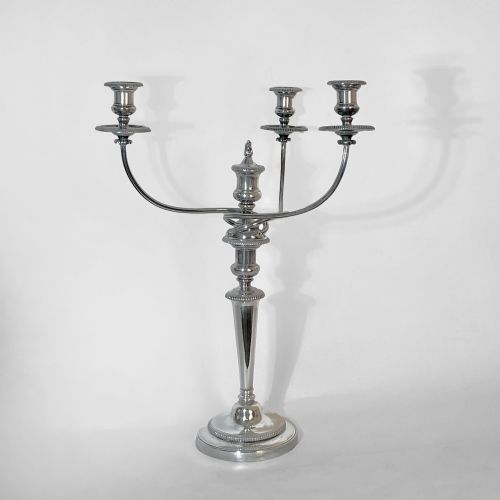
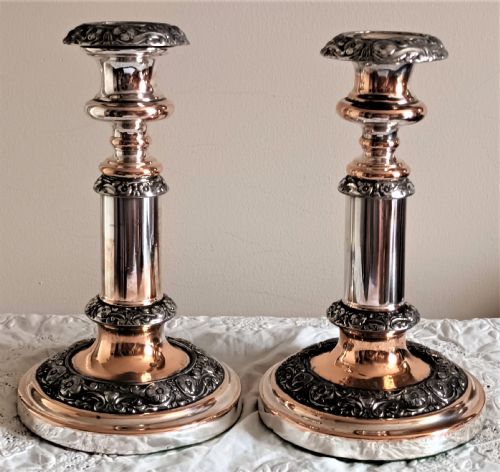
When you search for regency silver plated candlesticks, you are looking at domestic lighting pieces designed during the early nineteenth century and the wider Georgian period. The majority of pieces on this page are pairs of candlesticks or multi-light candelabra produced in Old Sheffield Plate, alongside extending telescopic examples and chambersticks.
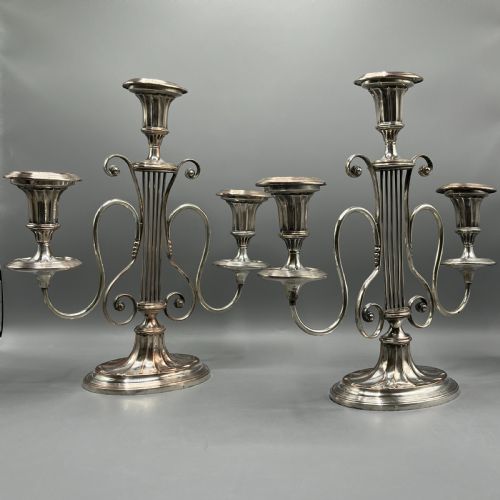
The forms draw heavily on neoclassical vocabularies, utilising columns, circular bases, and lyre shapes that reflect the architectural tastes of the era. Alongside standard candlestick formats, the evidence includes chamber candlesticks designed for bedroom use and larger three-light candelabra for formal dining.
Materials and construction methods
These pieces rely primarily on Old Sheffield Plate, a technique where a thin sheet of silver is fused to a thicker copper core under heat and pressure. This method allows the silver layer to wrap the underlying metal, though edges and high-wear points sometimes reveal the reddish copper beneath.
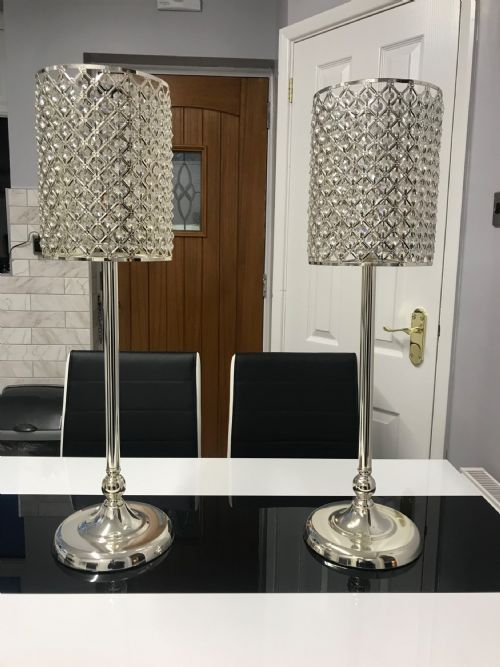
Manufacturers also utilise crystal glass and silvered metal for specific lighting forms, whilst structural elements are often weighted with materials inside the base to ensure stability on the table.
Regency Silver Plated Candlesticks Retail Price Guide 2026
Typical asking prices for regency silver plated candlesticks among the pieces listed under this phrase on Sellingantiques today, from the lower quarter to the upper quarter. They describe what is for sale here now, not the wider market.
Some chambersticks still hold the tiny metal cone used to snuff out bedroom candles two centuries ago.
Assessing quality in plated lighting
The standard of an item rests on the crispness of its neoclassical casting and the preservation of the fused silver sheet over the copper base. Pieces that retain heavy silver coverage without extensive loss or modern replating demonstrate superior original manufacture.
Complexity of form also dictates the tier of the piece, moving from plain circular bases up to telescopic extending stems and multi-light candelabra with detachable branches.
Blagden, Hodgson & Co.
The Regency Silver Plated Candlesticks Glossary
- Old Sheffield Plate
- A composite material made by fusing a sheet of silver to a copper ingot, developed in the eighteenth century before electroplating. This technique creates a distinctive cross-section where the copper shows at cut edges.
- Telescopic
- An extending stem mechanism that allows the height of the candlestick to be adjusted. This clever engineering was popular for dining tables where variable height suited different occasions.
- Candelabra
- A branched lighting fixture designed to hold multiple candles simultaneously. These often feature detachable arms that convert the main shaft into a single candlestick.
- Chamberstick
- A low-profile candlestick fitted with a handle and a saucer base to catch wax drips. They were carried through houses before the widespread adoption of gas and electric lighting.
- Taper candlestick
- A small lighting piece specifically intended for holding wax tapers used for sealing letters or igniting larger fires. They occupy a diminutive scale compared to dining table lights.
Regency Silver Plated Candlesticks: Frequently Asked Questions
How do I clean old silver plate?
Clean these surfaces gently with a soft cloth and a dedicated silver cream designed for antique metals. Avoid harsh dips and excessive rubbing that might wear through the thin silver layer.
Because Old Sheffield Plate conceals a copper core beneath the surface, aggressive cleaning will expose the reddish metal underneath and permanently alter the appearance.
What is the difference between Old Sheffield Plate and later electroplate?
Old Sheffield Plate is created by fusing solid silver sheets to copper through heat and mechanical pressure. This creates a thick, durable layer with a warm visual depth.
Later silver plating utilises an electrical current to bond a thin coat of silver onto a base metal. This newer method lacks the characteristic edge lines of fused plate.
How were chambersticks used historically?
Chambersticks served as portable lighting for navigating dark corridors and bedrooms in large houses before electricity. The saucer caught dripping wax while the ring handle provided a secure grip.
Many examples include a small conical snuffer resting in the tray to extinguish the flame safely before sleep.
Why do some candlesticks extend in height?
Telescopic stems allowed diners to raise or lower the light level depending on the arrangement of the table and the height of the company. This mechanical complexity required precise engineering to ensure the inner sleeve slid smoothly.
Such extending mechanisms are particularly sought after by collectors for their ingenuity and usefulness.