
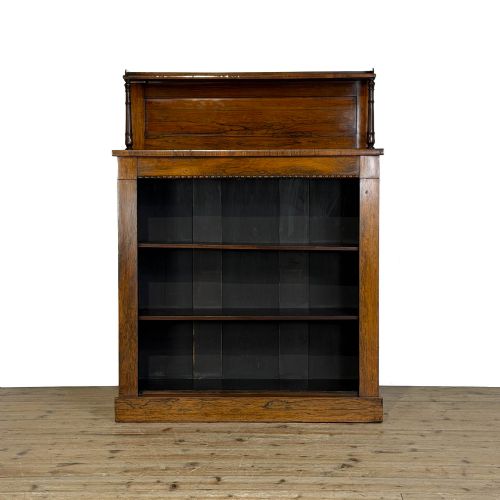
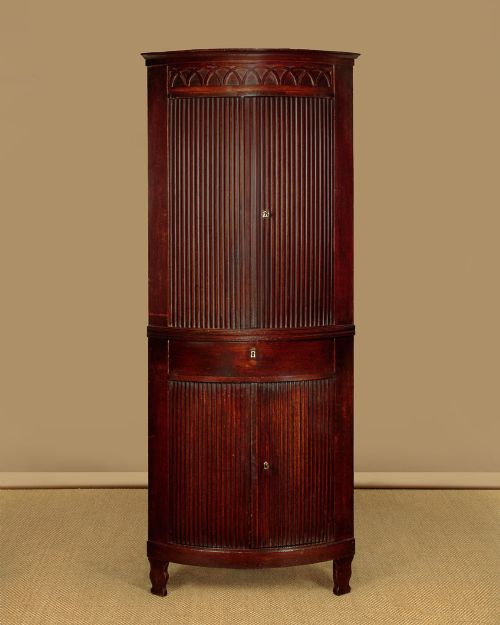
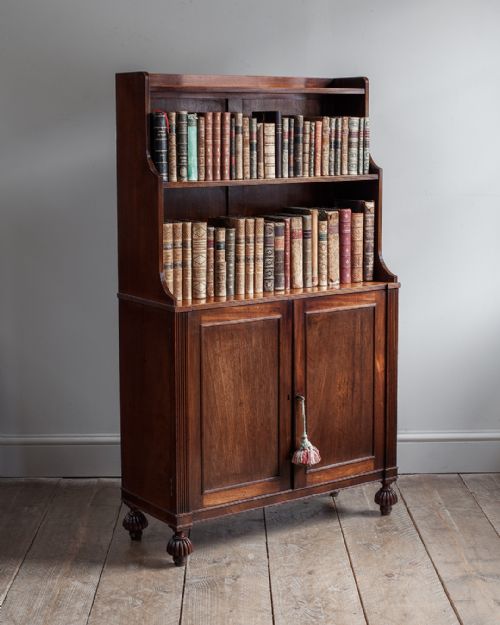
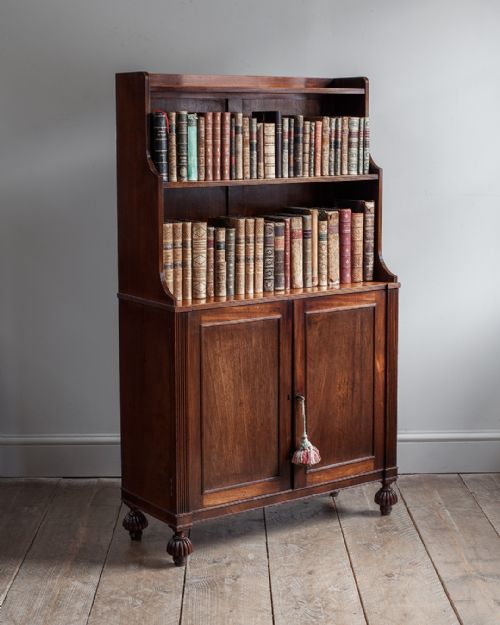

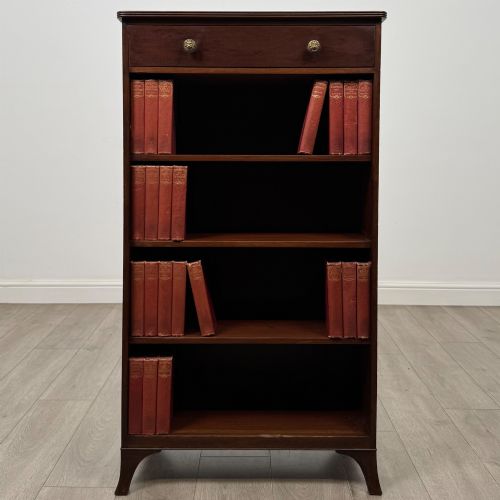
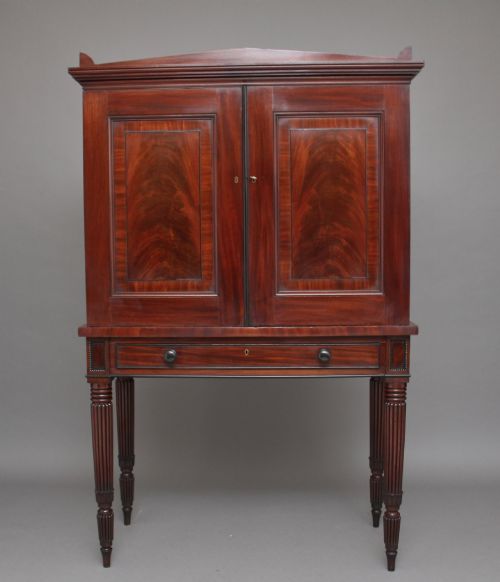
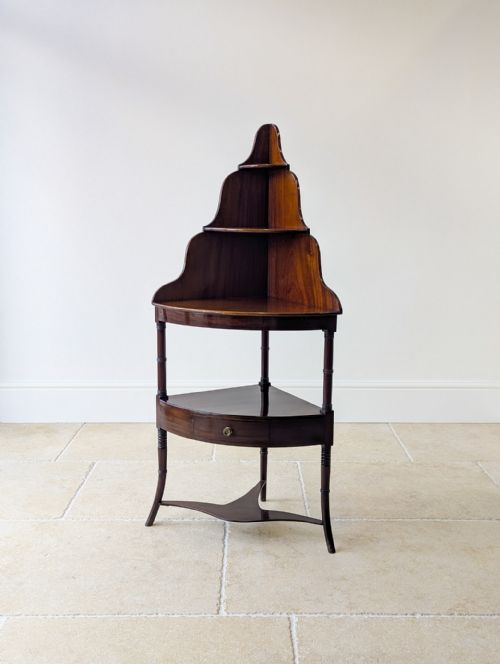
Regency Cabinet on Stand
Regency cabinet on stand pieces are architectural storage units raised on legs, offering collectors refined proportions and fine timber work.
Regency Cabinet on Stand
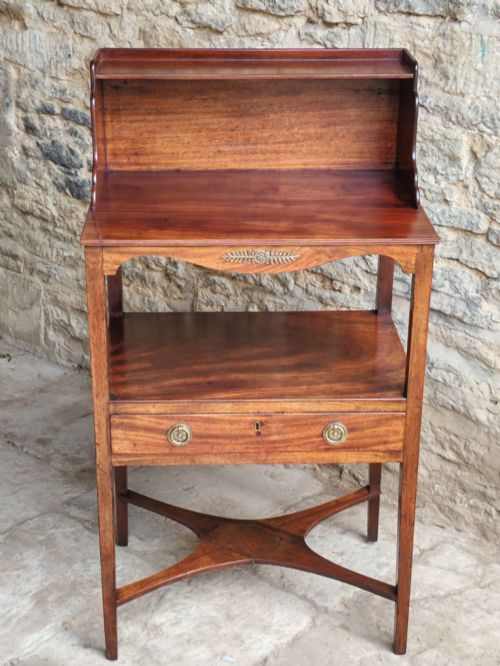
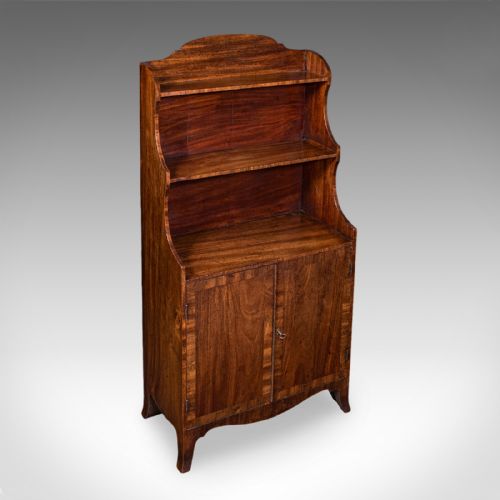
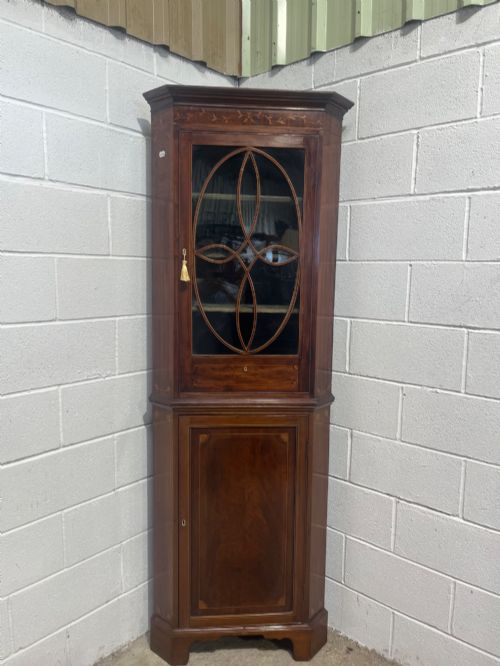
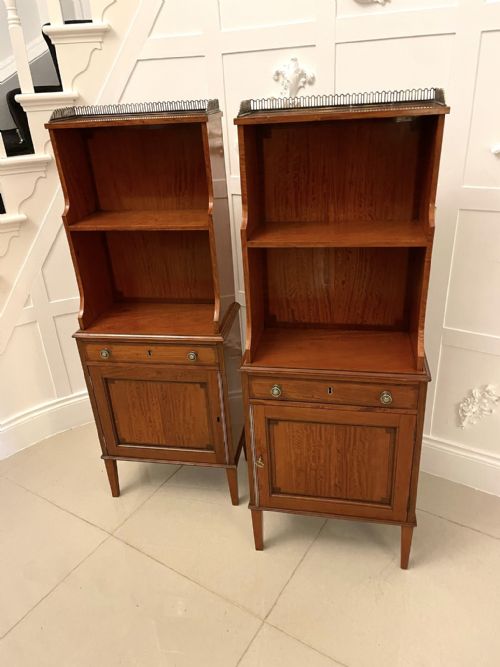
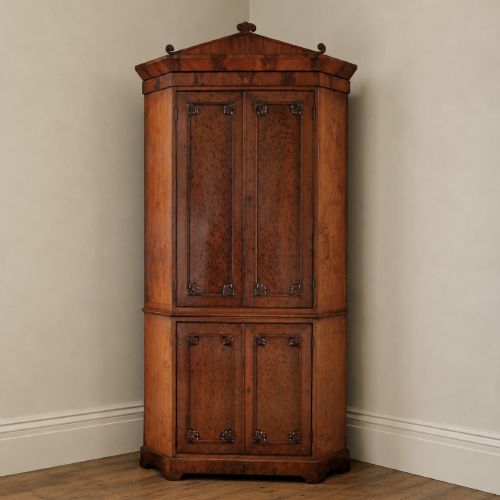
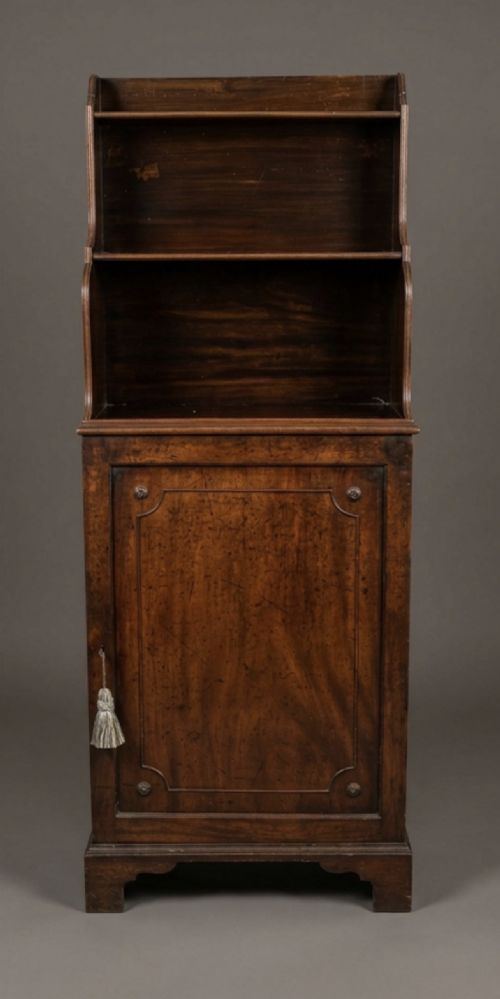
When you search for a regency cabinet on stand, you look for elevated storage pieces that combine upper enclosed or open shelving with a dedicated base frame. The evidence shows these pieces surface alongside related forms like glazed bookcases on stands, corner cupboards, and chiffoniers from the Georgian and Victorian periods.
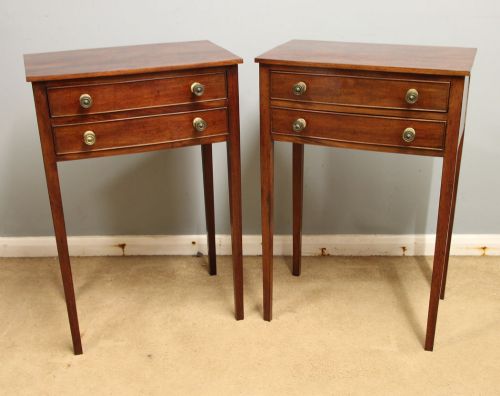
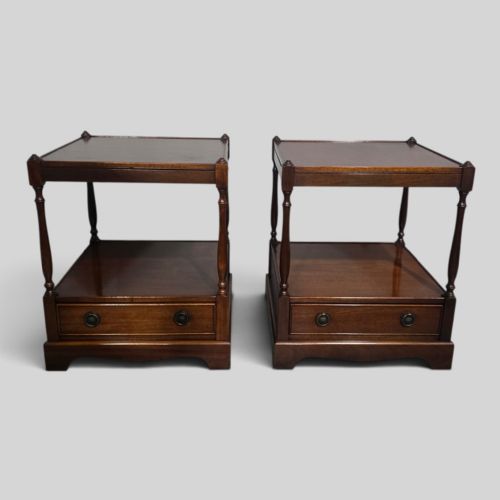
You are most likely to meet mahogany and rosewood variants across the inventory, often built with glazed doors or open tiers. These items range from compact bedside cabinets to taller display furniture supported by slender legs or stands.
The designation spans pieces originating in the Regency era alongside items produced in the wider nineteenth century. Collectors evaluate these forms by observing how the upper cabinet integrates structurally with its lower stand or legs.
Assessing quality in construction
The standard of a piece depends heavily on the selection of timber and the precision of the joinery connecting the upper cabinet to its stand. Superior examples exhibit carefully matched grain patterns across drawer fronts and doors, whereas lesser pieces display random grain orientation and simpler secondary woods.
Refinement in secondary details, such as the crispness of brass mounts, the neatness of glazing bars, and the integrity of the original stand structure, separates standard utility furniture from high-status examples. The presence of undamaged original glass and intact hardware significantly elevates the character of the piece.
Listings feature mahogany, rosewood, and walnut woods across pieces dated from the eighteenth to the early twentieth century.
Gillows
The Regency Cabinet on Stand Glossary
- Astragal
- A small convex moulding used to divide panes of glass within a glazed cabinet door. These wooden bars form geometric patterns across the front of bookcases.
- Cellarette
- A lockable container or cabinet designed to hold bottles of wine, frequently found mounted on a stand or frame. They often incorporate lead linings or internal divisions.
- Whatnot
- An open-shelved tiered piece of freestanding furniture used for displaying objects or books. They feature multiple levels supported by slender vertical columns or uprights.
- Flame mahogany
- A veneer cut from the fork of the mahogany tree where the branch joins the trunk. This timber yields a distinctive, fiery pattern prized by cabinet makers.
- Ormolu
- Gilded bronze applied as an ornamental mount on furniture. It provides metallic contrast against dark woods like rosewood and mahogany.
Regency Cabinet on Stand: Frequently Asked Questions
What is a regency cabinet on stand?
A regency cabinet on stand is an elevated storage piece combining an enclosed or open cabinet body with an integrated support frame or legs. These items provide display and storage capacity while maintaining a light floor footprint.
They reflect the architectural interests of the early nineteenth century, translating large furniture forms into more portable or slender formats suited to smaller reception rooms.
How do I identify a genuine period piece?
Authentic period items show construction methods consistent with nineteenth-century workshop practices, including hand-cut dovetails and native secondary timbers like oak or pine. Examine the interior surfaces and backboards for tool marks and signs of age.
Compare the timber shrinkage and patination across the cabinet and its stand to ensure both sections share a consistent history and origin.
Where were these cabinets placed in a home?
These cabinets served primarily in reception rooms, libraries, and drawing rooms as elegant storage for books, ceramics, and valuable collections. Their raised stands kept contents visible and accessible.
Smaller variants also functioned in bedrooms as bedside storage or specialised stands for personal items and writing equipment.
How should I care for mahogany and rosewood furniture?
Protect antique timber surfaces from direct sunlight and sudden humidity changes to prevent veneer lifting and wood splitting. Maintain a stable indoor climate to preserve the polish and structural joints.
Clean the wood periodically with a soft, dry cloth and avoid modern silicone polishes that can degrade the historic finish over time.