
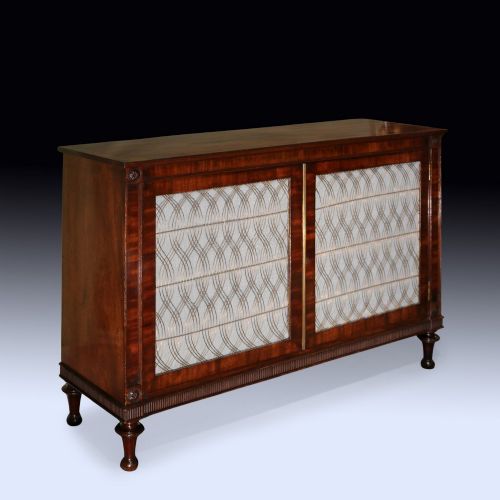


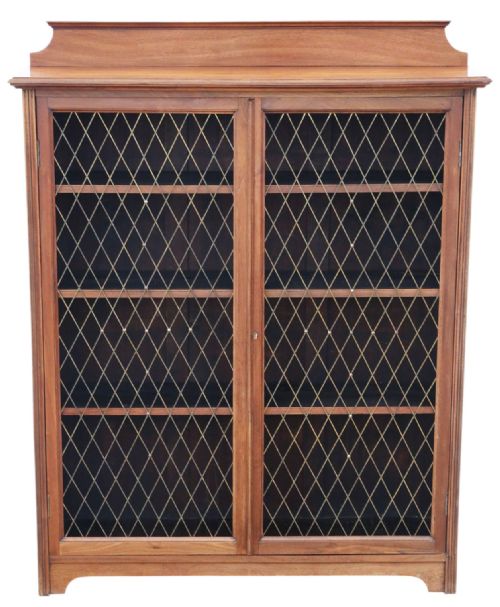

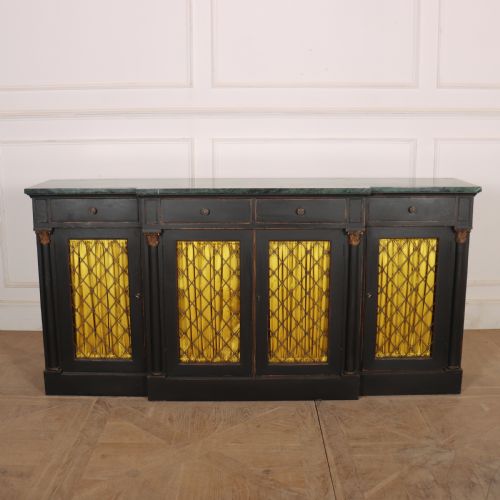
Regency Brass Wire Cabinet
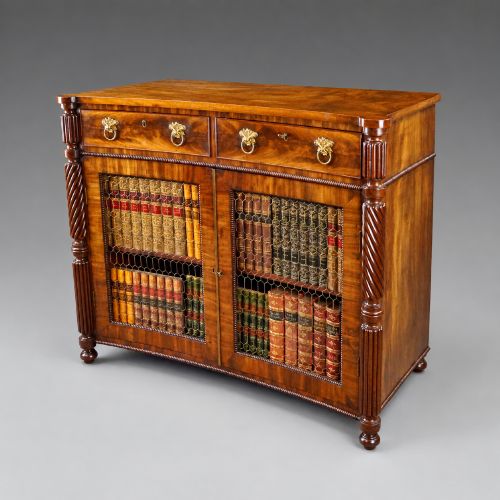
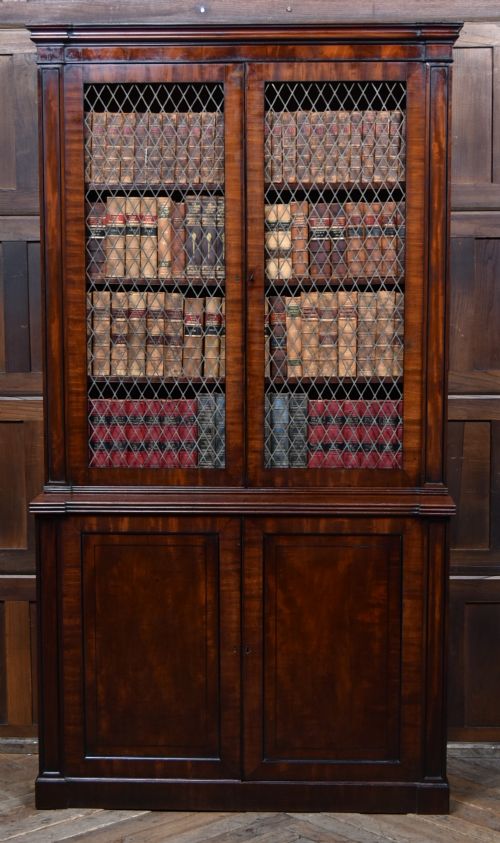
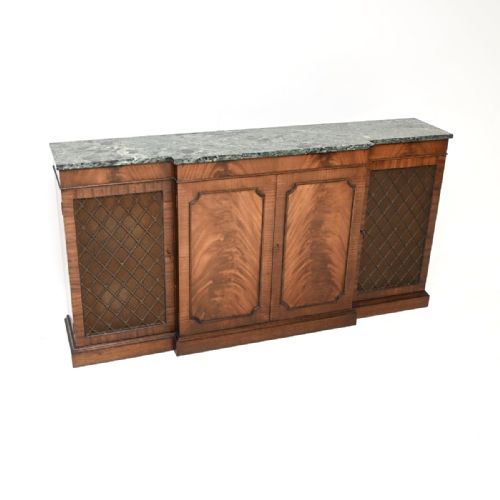
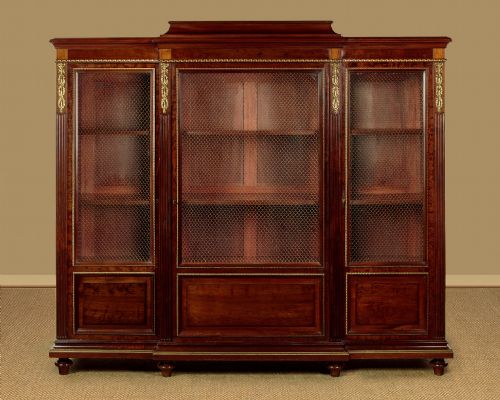
These regency brass wire cabinet examples combine fine timber with delicate metalwork, offering both display and secure storage for a refined interior.
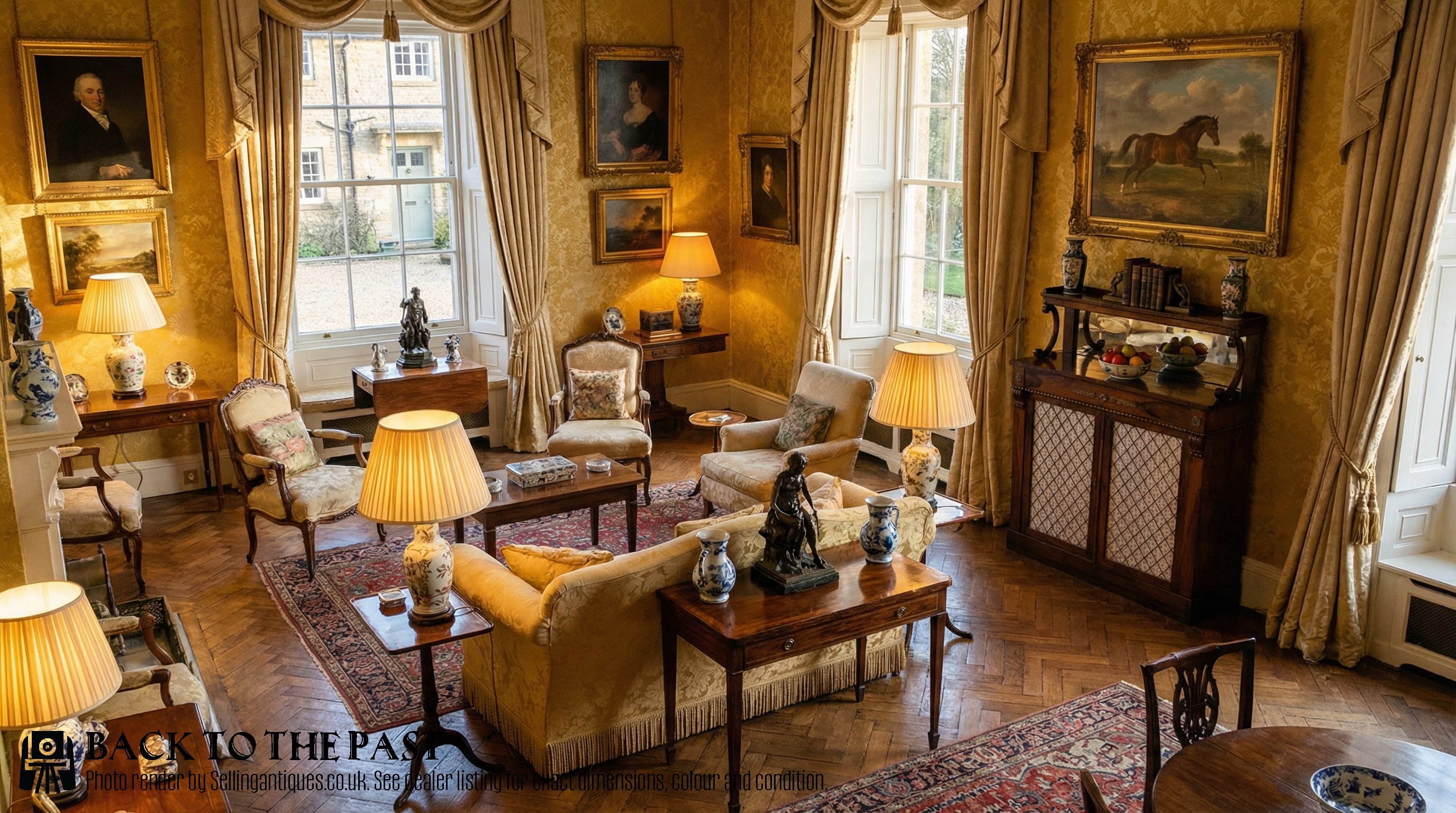
Regency Brass Wire Cabinet
A regency brass wire cabinet typically presents as a bookcase, side cabinet, or chiffonier designed to house valued volumes and objects. These pieces form part of a broader group of low cabinets and tall bookcases originating primarily from the Regency and William IV periods, alongside later nineteenth and twentieth-century interpretations.
The most common forms on this page include mahogany and rosewood side cabinets featuring glazed or wire-grille doors. Makers of the period utilised fine timbers such as satinwood, walnut, and boxwood inlay to elevate the status of these domestic furnishings.
How they were made
Cabinet makers built these pieces using dense hardwoods like mahogany and rosewood, often applying satinwood veneers and intricate boxwood stringing for decorative contrast. Structural framing relied on traditional joinery to support heavy timber carcases and marble tops.
Fine brass wire mesh or metal grilles were set into timber door frames to protect contents while allowing visibility. Brass mounts, inlays, and gallery rails completed the Neoclassical aesthetic common to the Regency style.
Materials recorded across the inventory include mahogany, rosewood, walnut, satinwood, brass, wire mesh, glass, fabric, and silk.
What varies in quality
The selection of timber grain sets the foundation for a superior piece, with figured mahogany and richly grained rosewood marking out the better examples. Fine cabinet work shows in the crispness of brass inlay and the delicate tension of the wire mesh panels.
Proportion and scale distinguish standard utility furniture from exhibition quality items designed for grand rooms. Well-executed Neoclassical mounts and harmonious secondary timbers on the interior shelves indicate higher workshop standards.
John McLean
The Regency Brass Wire Cabinet Glossary
- Regency
- A British design period spanning the early nineteenth century defined by Neoclassical restraint and archaeological influence. It draws heavily on ancient Roman, Greek, and Egyptian motifs.
- Chiffonier
- A low sideboard or cabinet featuring shelves or enclosed cupboards, popular during the Regency and Victorian eras. This form typically stands against a dining room or parlour wall.
- Grille
- A lattice of brass wire or metal bars set into cabinet doors in place of wood or glass. It permits ventilation and visibility while keeping contents secure.
- Breakfront
- A large cabinet or bookcase where the central section projects forward from the flanking wings. This architectural arrangement creates depth and shadow across the facade.
- Inlay
- A decorative technique where contrasting materials such as boxwood or brass are embedded into recesses cut into the timber surface. It defines panels and borders with sharp linear precision.
Regency Brass Wire Cabinet: Frequently Asked Questions
What is a regency brass wire cabinet?
A regency brass wire cabinet is an enclosed shelving piece featuring woven metal grilles instead of glass panes. These items served to protect valuable books and fragile collections in nineteenth-century interiors.
They appear as side cabinets, bookcases, and chiffoniers constructed from dense hardwoods like mahogany and rosewood.
How do I style a regency brass wire cabinet?
Place the cabinet against a principal wall in a study, library, or drawing-room where its timber grain and metalwork catch the light. The interior display shelves suit leather-bound volumes and ceramics.
Keep surrounding furnishings balanced by pairing the dark wood tones with neutral walls and traditional textiles like silk or wool.
How do I date a brass wire cabinet?
Examine the secondary timbers, the style of the brass mounts, and the construction of the door frames to determine the period. Pieces from the Regency era display clean Neoclassical lines and precise boxwood stringing.
Later Victorian and Edwardian examples often incorporate heavier proportions or walnut veneers while retaining the characteristic wire grille doors.
Were these cabinets used for books?
Many of these pieces functioned as low bookcases or library cupboards designed to store delicate octavos and folios. The wire mesh protected the volumes while allowing air circulation.
Other variants served as sideboards or chiffoniers for dining rooms, holding silver, glass, and household linen.