
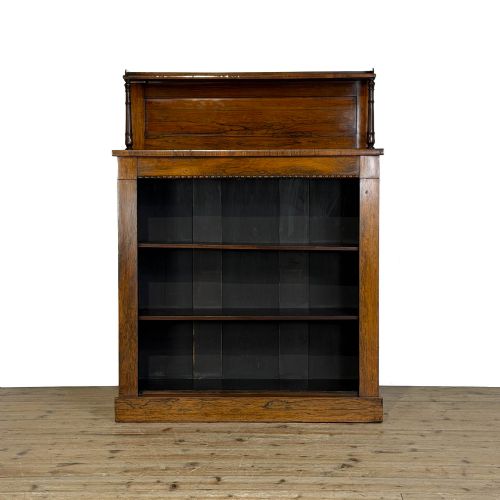
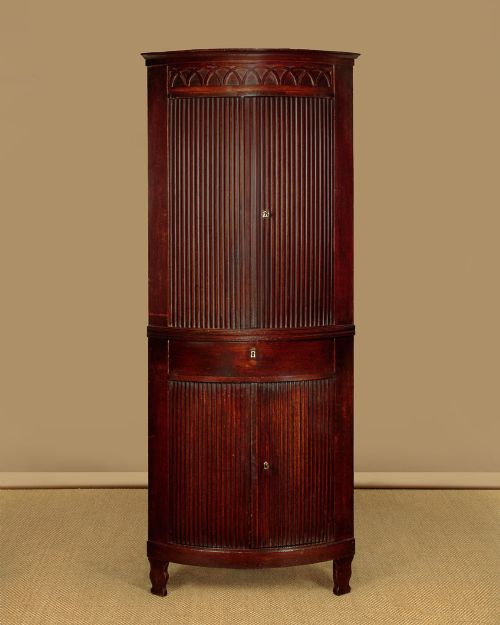
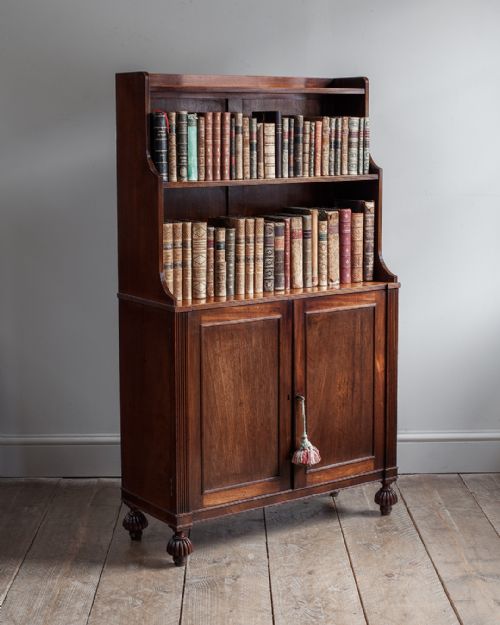
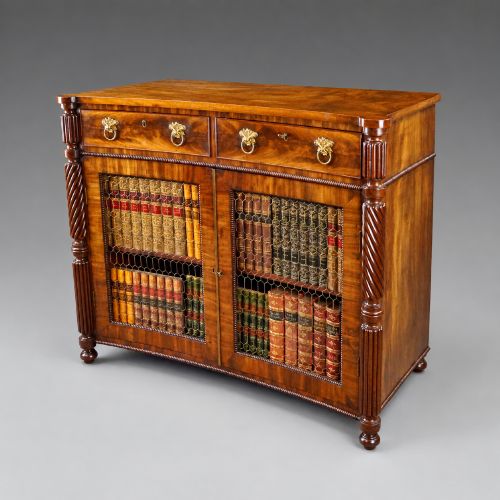
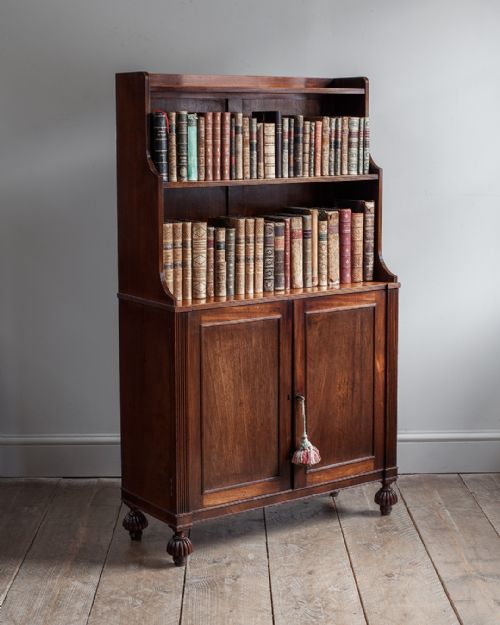
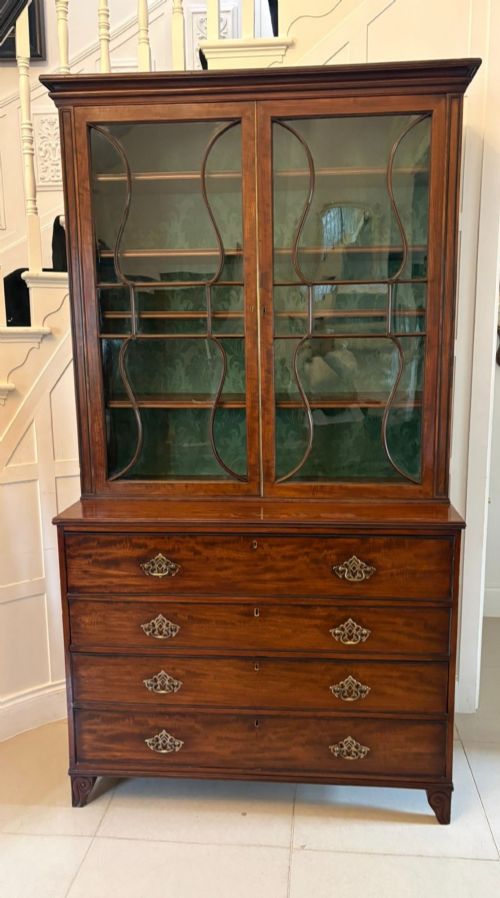
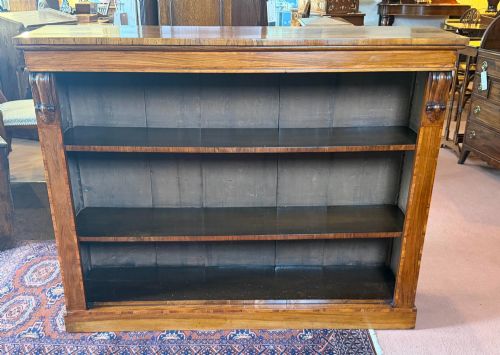
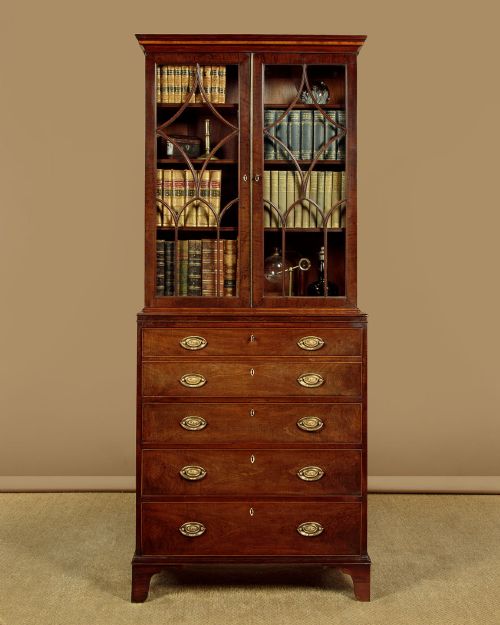
Regency Bookcase Cabinet
A regency bookcase cabinet combines display shelves with enclosed lower storage, built to anchor formal libraries and drawing rooms with architectural proportion.
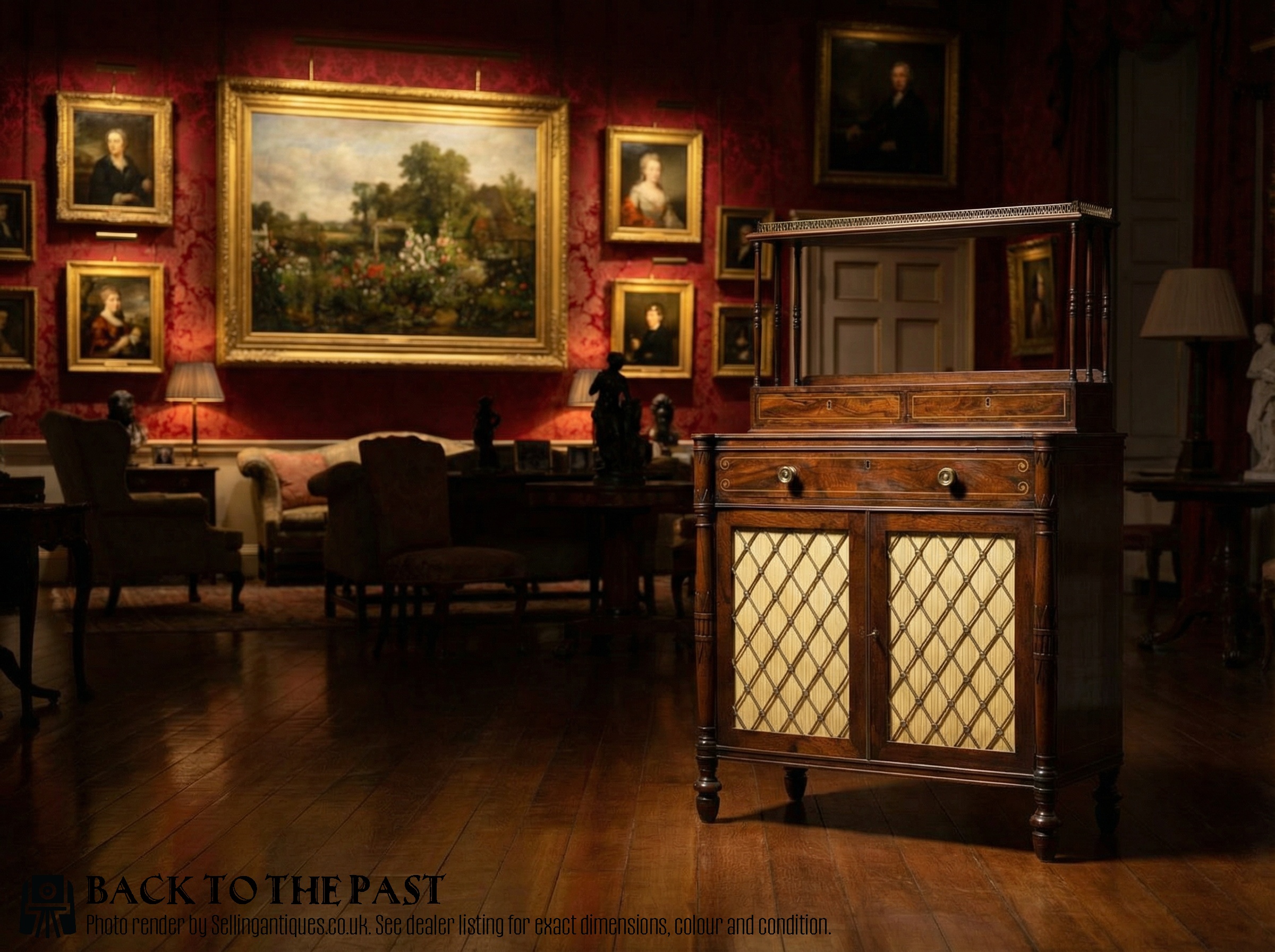
What the pieces are
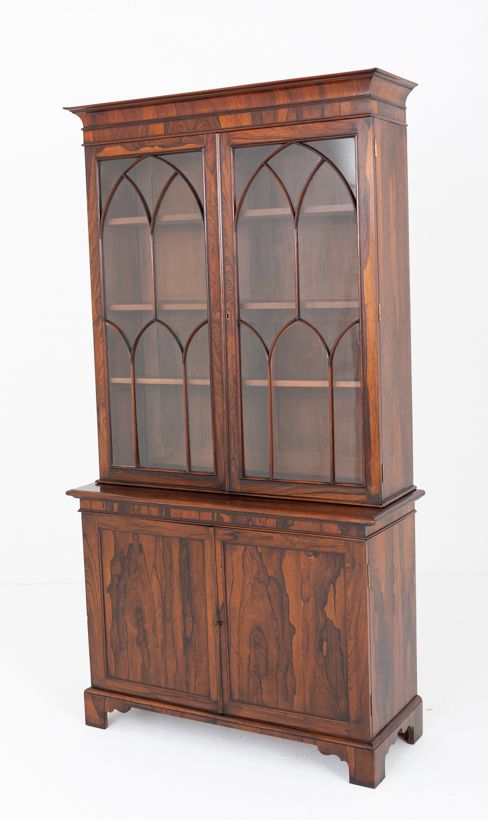
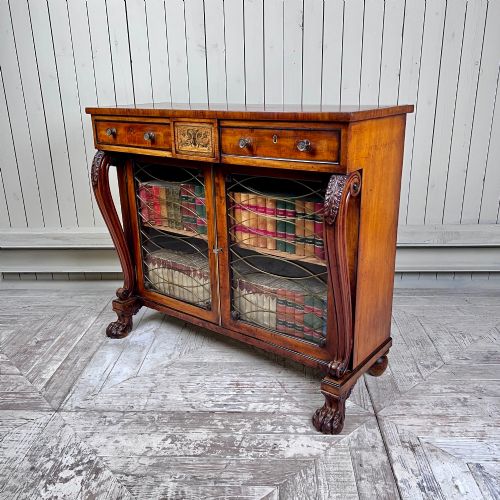
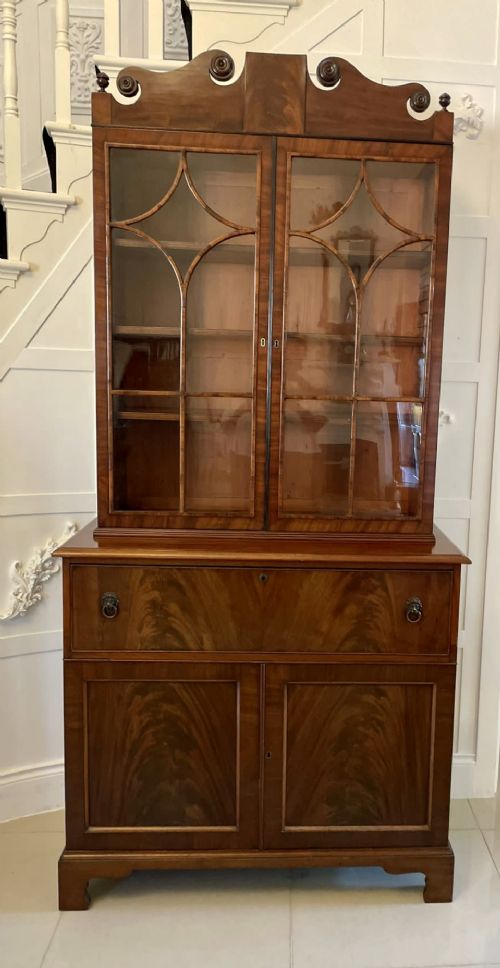
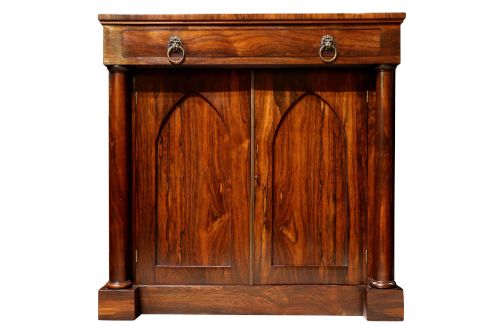
When you search for a regency bookcase cabinet, you encounter tall library pieces, dwarf variants, and lower side cabinets fitted with glazed upper doors. These items originate from the nineteenth century, including the specific Regency and George IV periods, alongside later Regency revival interpretations.
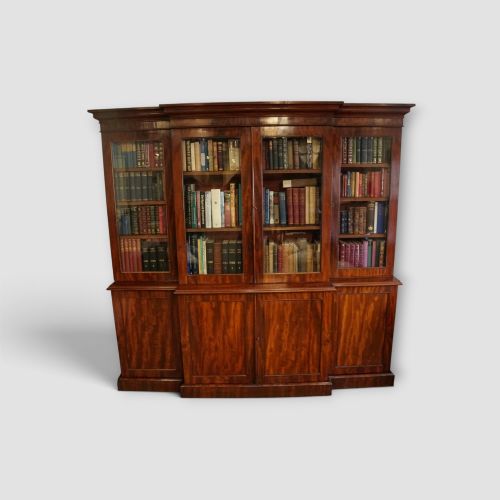
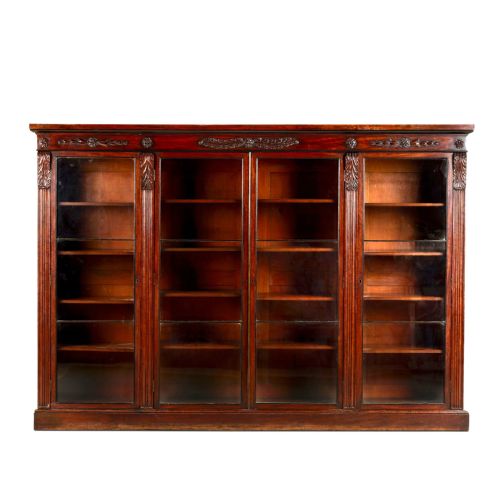
The dominant formats span secretaire bookcases with fitted writing drawers, open shelf configurations, and breakfront outlines featuring multiple doors. Most examples utilise rich timber veneers structured to house collections of books and decorative porcelain.
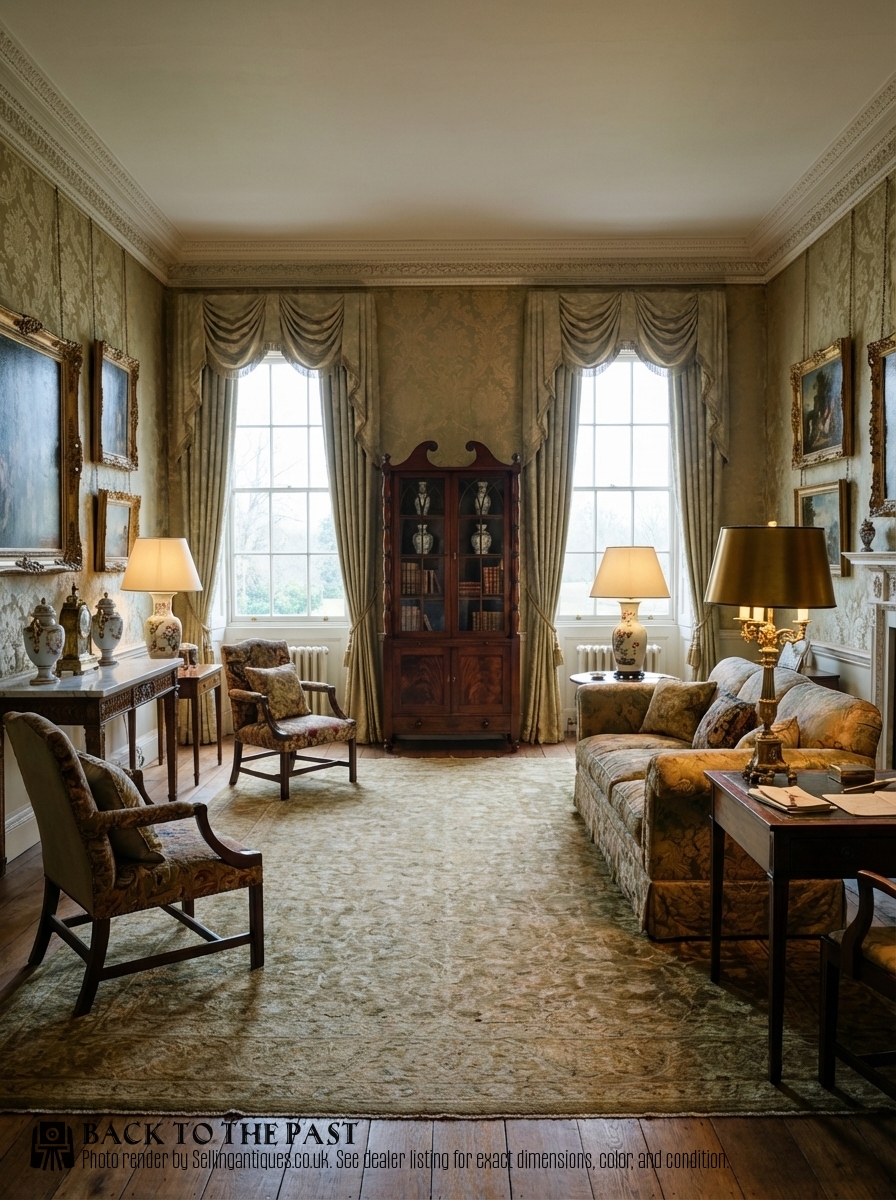
How they were made
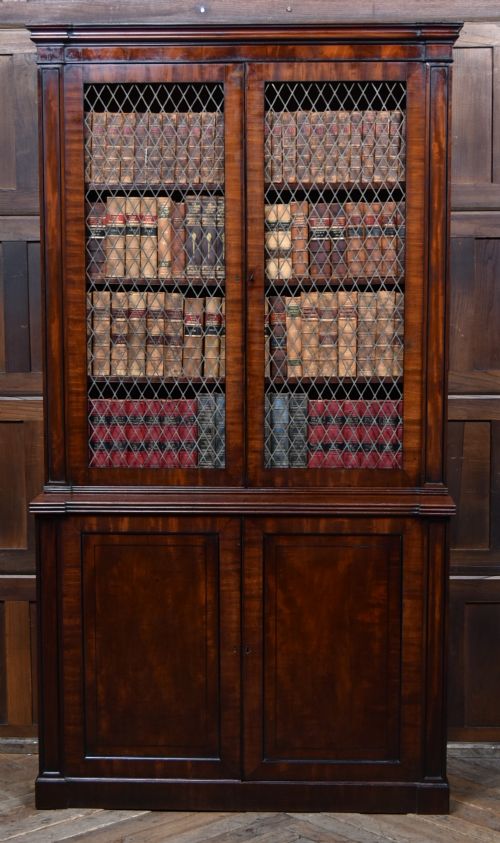
Cabinet makers constructed these pieces primarily using solid mahogany and rosewood, frequently enhanced by contrasting boxwood stringing and figured veneer panels. Glazing bars form delicate geometric patterns across glass doors, while internal shelving adjusts to accommodate volumes of varying heights.
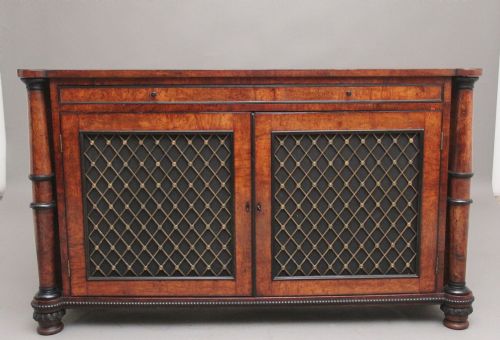
Metal elements such as brass inlay, grilles, and specialised support brackets integrate into the timber structure. Silk and fabric linings often back the interior display sections behind the glass doors.
Retail Price Guide 2026
Typical UK retail prices for regency bookcase cabinet, calculated from the Sellingantiques database of over a million retail prices indexed since 2003. This retail price guide relies exclusively on Sellingantiques data; no external sources or auction records are used, so the figures do not describe the wider market.
Some dwarf cabinets hide clever folding writing desks inside drawers, ready for sudden bursts of nineteenth-century letter writing.
What varies in quality
Distinctions in quality rest upon the selection of timber grain, the precision of brass inlay work, and the architectural balance of the breakfront or cornice. Finer examples display meticulously matched flame veneers and subtle carved details such as sphinx supports rather than plain mouldings.
Construction integrity is visible in the seamless joining of the upper bookcase section to the lower cabinet base, alongside the smooth operation of secretaire drop-front drawers and internal fittings.
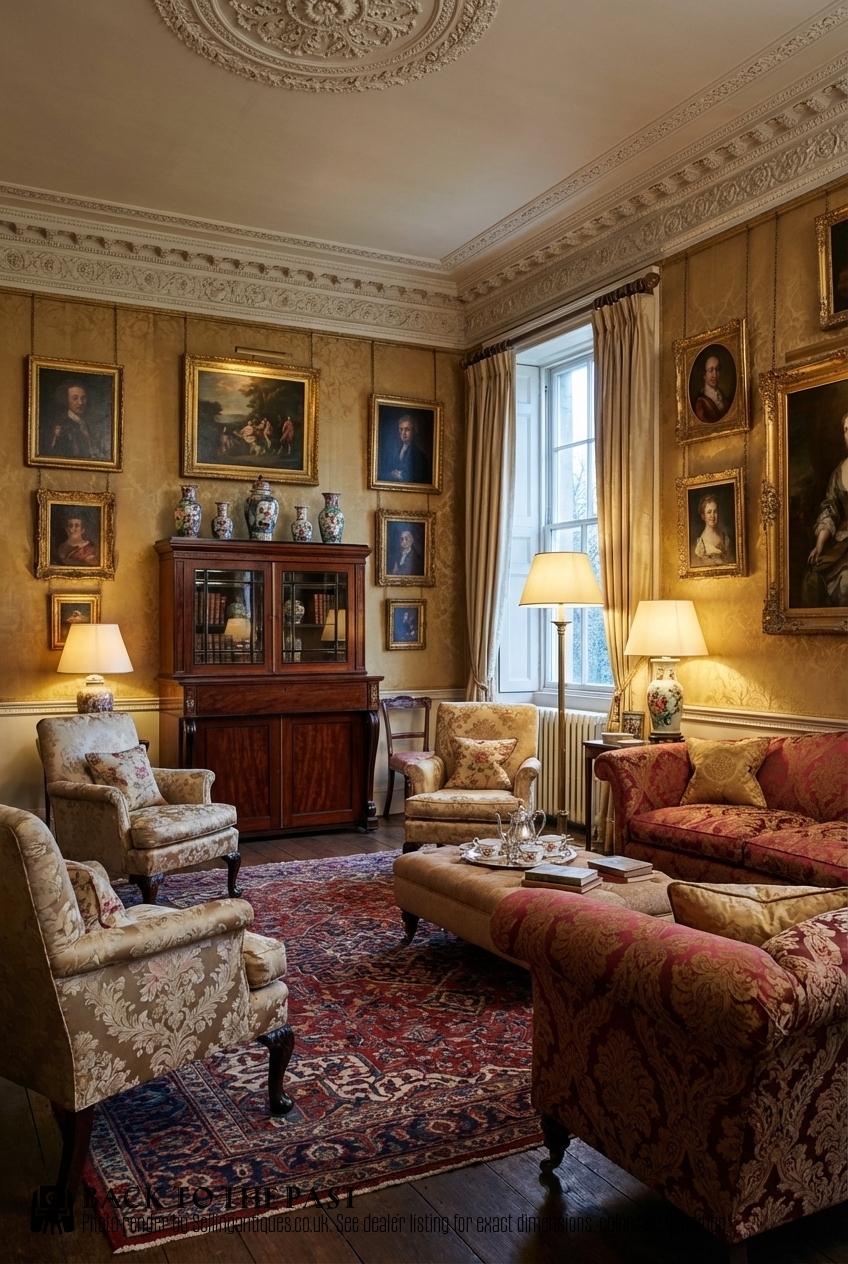
Gillows
The Regency Bookcase Cabinet Glossary
- Secretaire bookcase
- A cabinet featuring a hinged writing drawer that folds down to reveal small pigeonholes and compartments for correspondence.
- Chiffonier
- A compact low cabinet, often equipped with shelves or enclosed storage below, designed for drawing room use.
- Breakfront
- A piece of furniture where the central section projects forward from the flanking outer sections.
- Astragal glazed
- Glass doors divided into smaller panes by narrow wooden or metal bars arranged in geometric patterns.
- Dwarf bookcase
- A low-profile shelving unit designed to sit beneath dado height while maintaining upper display capacity.
Frequently Asked Questions
What is a regency bookcase cabinet?
A regency bookcase cabinet is a dual-purpose nineteenth-century furniture form featuring upper shelving for books or display above a closed lower storage cupboard.
These pieces typically date from the early eighteen hundreds and employ cabinet-making traditions characteristic of the Regency and George IV eras.
How were secretaire bookcase cabinets used?
The drop-front drawer functioned as a compact writing desk, allowing owners to manage correspondence without moving to a separate writing table.
The upper glazed shelves held valuable libraries or decorative porcelain collections, while the lower cabinet concealed household papers and larger volumes.
Where should I place a side cabinet bookcase?
These cabinets suit principal reception rooms, drawing rooms, and studies where wall space permits a substantial architectural presence.
Because many examples feature finished backs or refined proportions, they anchor large rooms effectively while offering functional display space.
How do I distinguish rosewood from mahogany?
Mahogany generally exhibits a reddish-brown tone with straight or flame grain patterns that take a smooth polish.
Rosewood displays a darker, heavier appearance with distinct contrasting dark streaks and figures across the surface.