



Regency Armorial Porcelain
Regency armorial porcelain combines heraldic crests with the refined elegance of the Georgian and Regency periods, offering collectors a tangible link to high-status dining tables.
Regency Armorial Porcelain
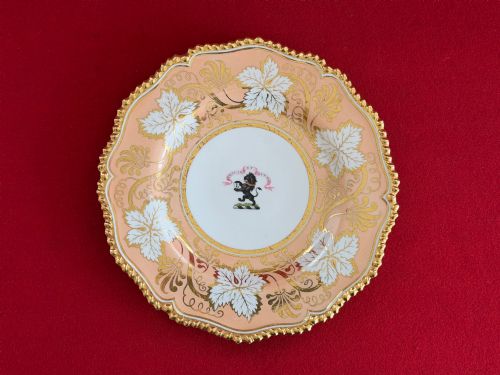
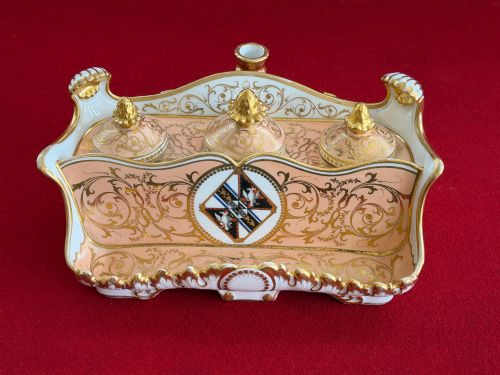
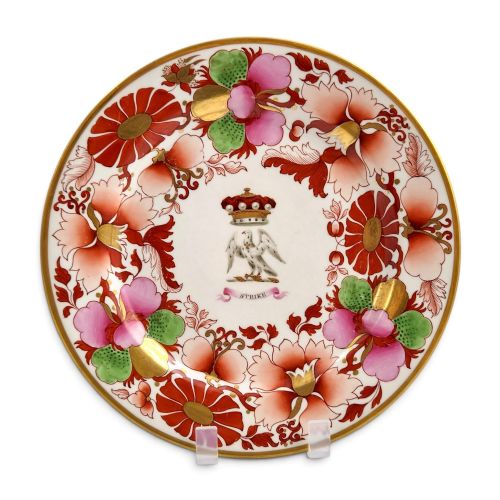
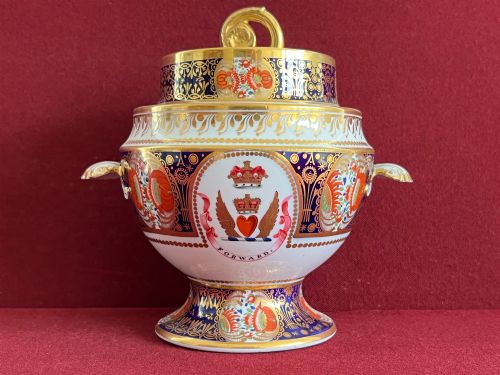
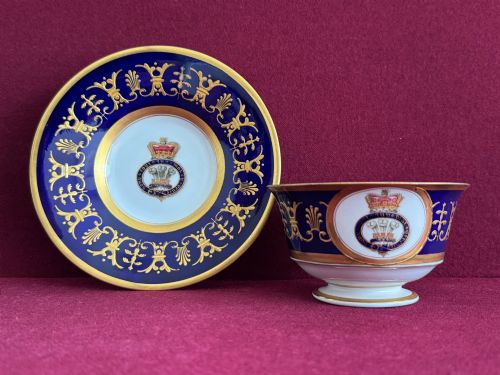
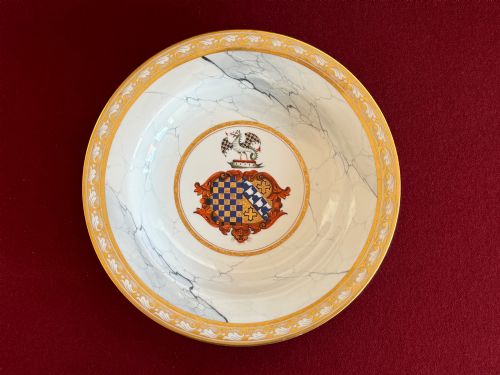
When you search for regency armorial porcelain, you are looking at fine ceramic tableware bearing the hand-painted crests, badges, or coats of arms of landed families and nobility. These pieces include dessert plates, soup plates, teacups and saucers, jugs, servingware, and tureens created for prominent households.
The items found on this page span the late Georgian and Regency eras, extending from the late eighteenth century into the early decades of the nineteenth. Dessert plates and tea wares appear most frequently, reflecting the social rituals of the period where dining rooms displayed family lineage through porcelain.
Most examples originate from renowned factories operating during the Regency era, notably Worcester and Derby houses. Collectors encounter works produced by Chamberlain, Bloor Derby, Coalport, and Flight Barr and Barr, each carrying specific heraldic commissions from titled figures such as barons and marquesses.
Materials and Techniques
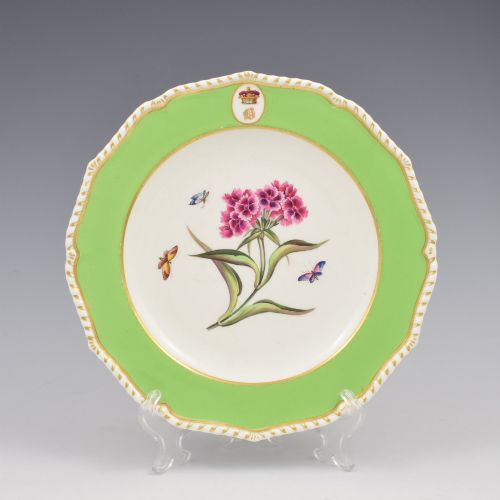
The foundation of these objects is high-fired porcelain body, shaped into plates, cups, and tureens by skilled potters of the period. Artisans applied cobalt enamel for deep blue accents alongside botanical motifs and heraldic details painted by hand.
Gold leaf and rich gilding were painstakingly applied to borders, handles, and crests to elevate the status of the service. Artisans utilised intricate enamelling techniques, visible in specialised botanical studies and armorial bearings fired multiple times in the kiln.
Regency Armorial Porcelain Retail Price Guide 2026
Typical asking prices for regency armorial porcelain among the pieces listed under this phrase on Sellingantiques today, from the lower quarter to the upper quarter. They describe what is for sale here now, not the wider market.
Listings feature porcelain from the Regency and Georgian periods, utilising materials such as gold leaf, cobalt enamel, and fine paste.
Assessing Quality and Execution
The distinction between standard tableware and exceptional commissions rests on the crispness of the hand-painted heraldry and the precision of the gilding. Superior pieces display finely detailed armorial bearings alongside meticulously rendered botanical subjects rather than repetitive factory transfers.
The reputation of the maker and the documented provenance to specific historical figures heavily influence the standing of an item within the category. Early Worcester manufactories and specific named services commissioned for nobility command significant attention from discerning collectors.
Bloor Derby·Chamberlain Worcester·Coalport·Flight Barr and Barr
The Regency Armorial Porcelain Glossary
- Armorial
- Bearing a coat of arms, crest, or heraldic device painted or enamelled onto the ceramic surface. This heraldry was commissioned by families to mark their lineage on dining services.
- Crest
- A specific heraldic symbol placed above a shield on armorial porcelain, denoting the particular branch of a family. It forms the primary visual identifier on many tea and dessert wares.
- Gilding
- The application of gold leaf or gold paint to porcelain surfaces, typically highlighting rims, handles, and crest details. High-quality pieces feature burnished gold that catches the light.
- Enamel
- Coloured vitreous glass fused to the porcelain body during firing, used to create botanical illustrations and heraldic shields. Cobalt enamel provides the striking deep blue tones seen on many period plates.
Regency Armorial Porcelain: Frequently Asked Questions
How do I identify a maker?
Makers are typically identified through painted or impressed factory marks found on the underside of the porcelain. Names such as Chamberlain Worcester or Bloor Derby often appear alongside pattern numbers.
Stylistic elements, the quality of the gilding, and specific hand-painted motifs also help attribute pieces to particular potteries active during the early nineteenth century.
Were these pieces used daily?
Armorial services were primarily reserved for formal dining, grand desserts, and hosting important guests where display of lineage mattered. Everyday meals utilised more modest ceramics.
Because they were treated with care and used during special occasions, many surviving dessert plates and tea wares retain their bright enamels and gold leaf.
How should I display them?
Plates and dishes from this era display best in secure wall mounts or within enclosed cabinets that protect them from dust and accidental knocks. Direct sunlight should be avoided to preserve the enamel colours.
Handling should be kept to a minimum, and pieces ought to be washed by hand in lukewarm water without abrasive cleaners when cleaning becomes necessary.