
Regency Accent Chair
A regency accent chair brings classical symmetry and proportion to a room, offering seating that balances architectural form with refined domestic comfort.
Regency Accent Chair
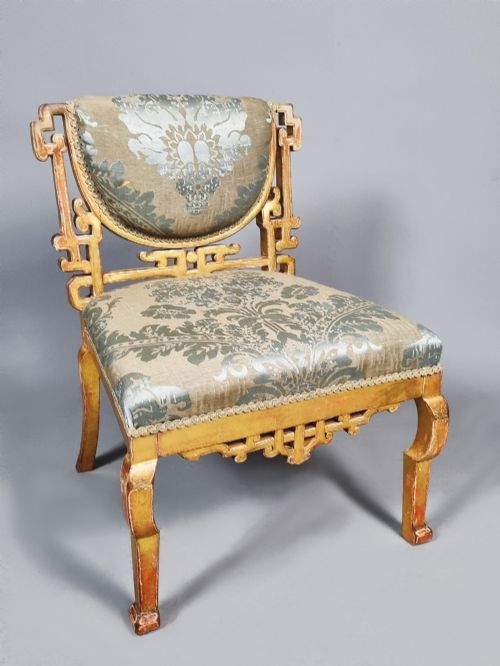
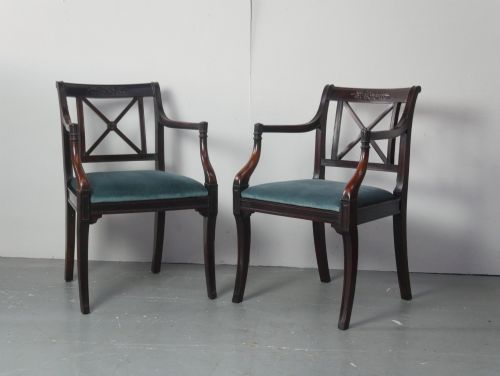
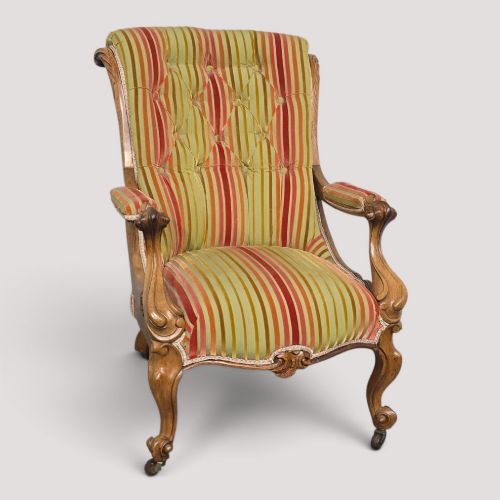
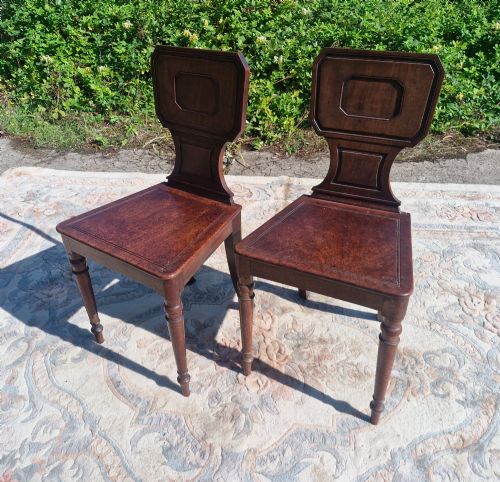
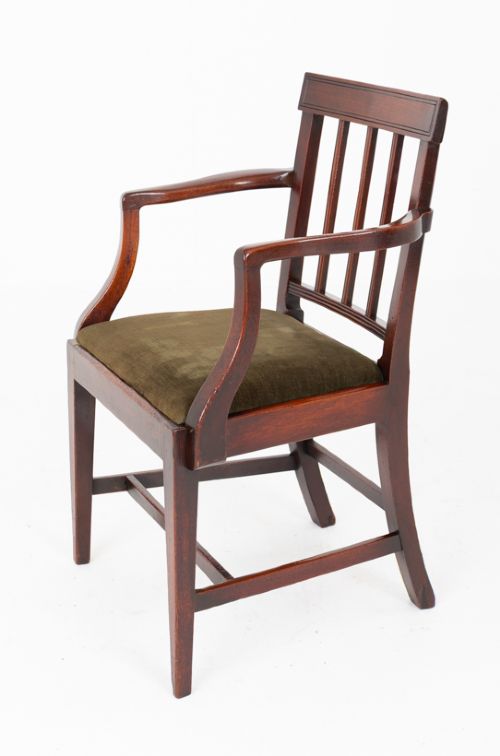
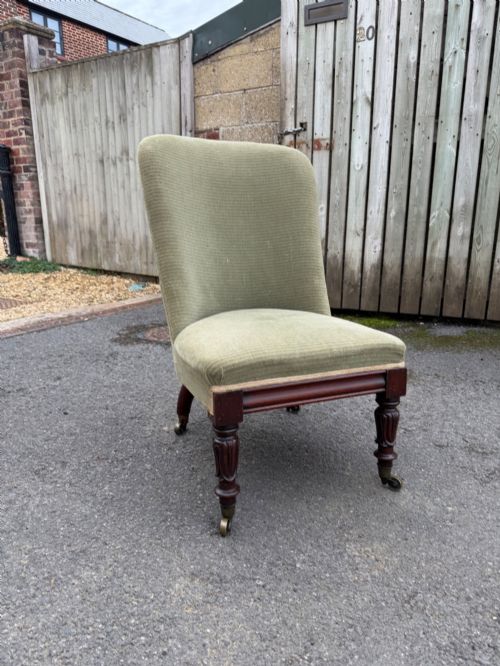
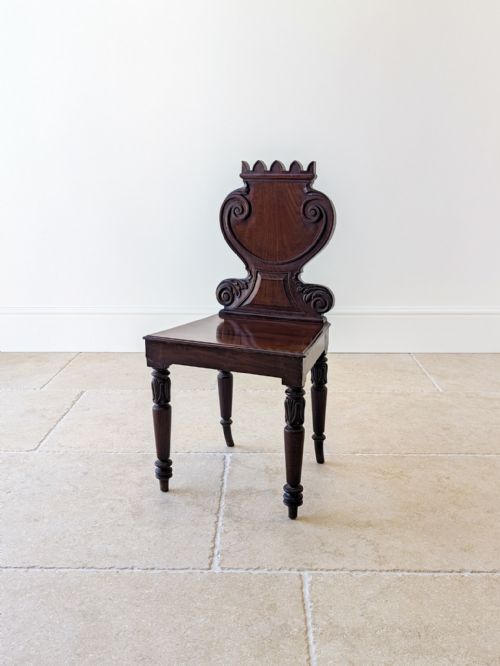
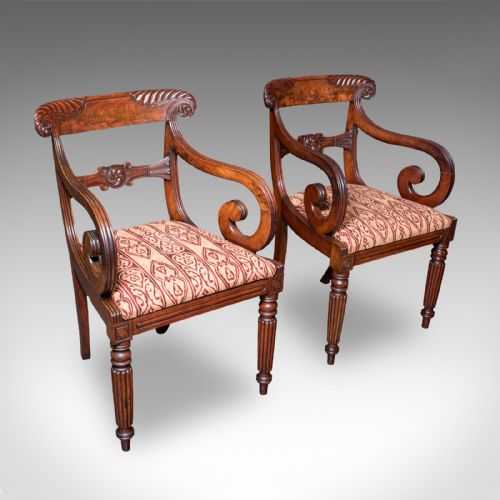
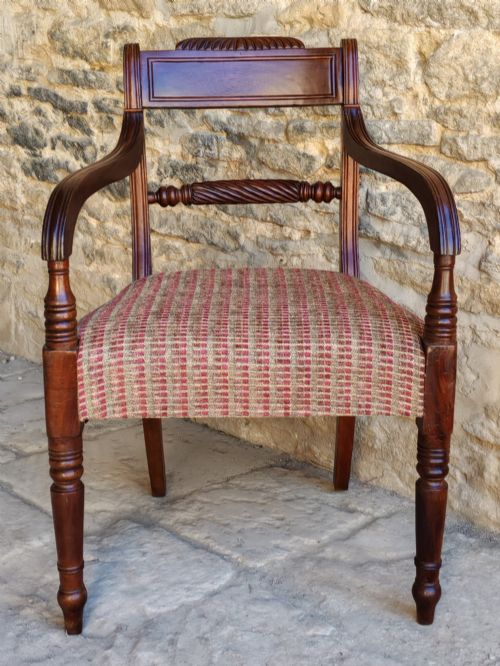
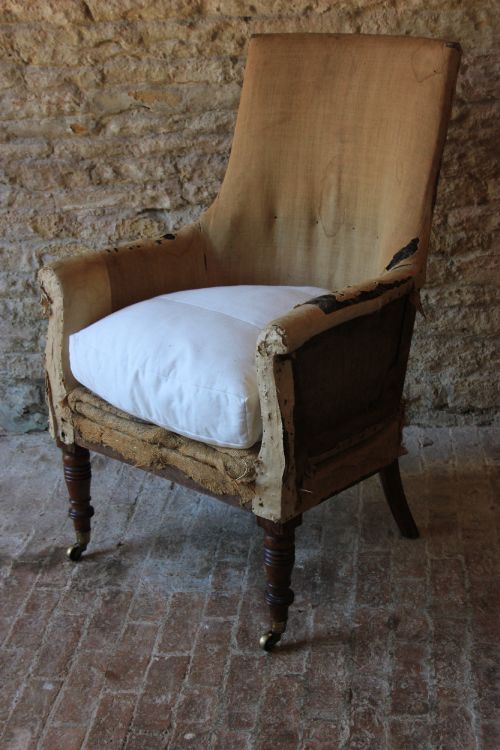
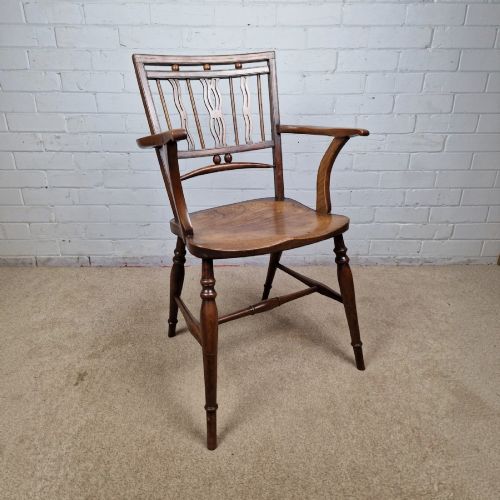
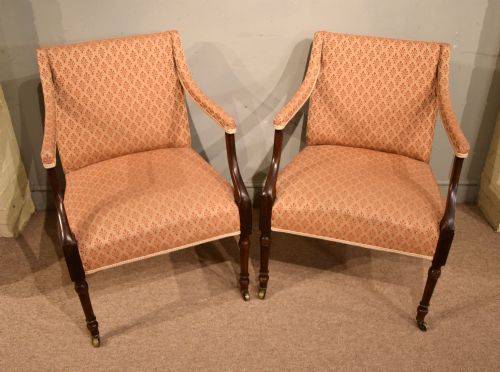
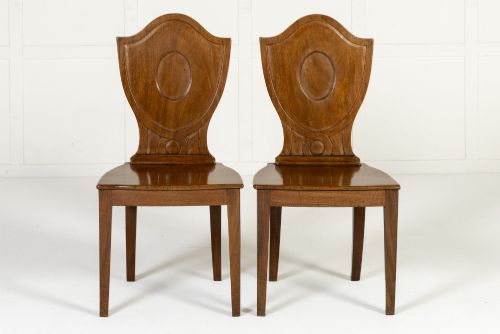
When buyers search for a regency accent chair, they encounter seating spanning the Regency period alongside later revivals from the nineteenth and twentieth centuries. The form encompasses diverse seating types including library armchairs, hall chairs, side chairs, and carvers designed for formal reception rooms and private chambers.
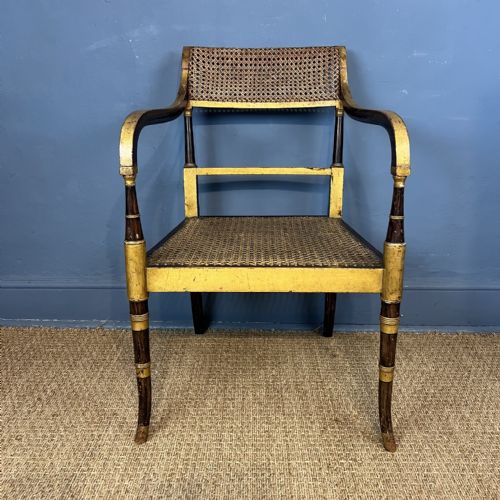
The material palette of these pieces relies heavily on mahogany, alongside rosewood, fruitwood, walnut, and ebonised wood. Accents of brass, cane, velvet, and fabric appear across both original period examples and subsequent revivals dating into the nineteen-twenties.
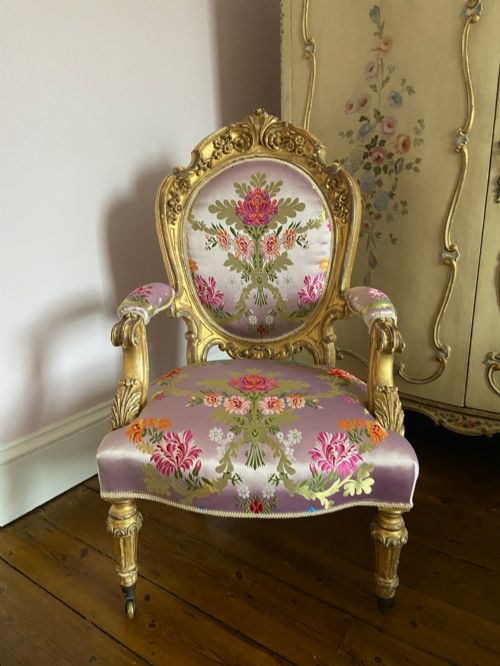
Stylistic influences range from strict Regency and George IV designs to Chinese Chippendale, William IV, and Rococo Revival interpretations. This variety allows buyers to select seating that matches precise historical interiors or provides a striking contrast within modern spaces.
Evaluating distinction
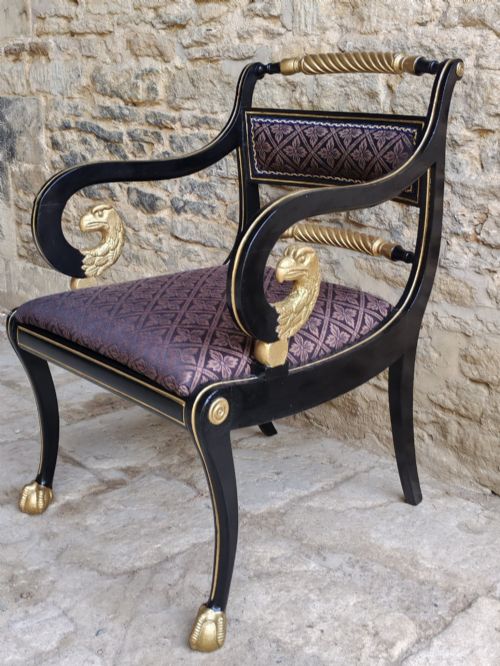
The refinement of carved detail and the selection of figured mahogany or exotic rosewood separate standard production from superior pieces. Crisp execution of sabre legs, scroll arms, and reeded framework indicates superior workshop capability.
The integrity of original construction, including integrated joinery and surviving surface finishes, governs the standing of an individual piece. Subtle touches such as parcel gilding or finely turned woodwork elevate the character of the seating.
Regency Accent Chair Retail Price Guide 2026
Typical asking prices for regency accent chair among the pieces listed under this phrase on Sellingantiques today, from the lower quarter to the upper quarter. They describe what is for sale here now, not the wider market.
Listings feature mahogany as the dominant wood, accompanied by rosewood, fruitwood, and ebonised timber.
Waugh & Son
The Regency Accent Chair Glossary
- Sabre leg
- A concave curving leg that tapers toward the foot, typical of classical Regency seating design. This form derives from Greek klismos chairs.
- Carver
- An armchair designed with open sides, frequently used at the head of a dining table or as a standalone reception seat. These chairs often feature accentuated armrests matching the side chairs of a set.
- Bergère
- An enclosed upholstered armchair with wooden framing exposed around the sides and back. The style provides deep comfort while maintaining a formal silhouette.
- Parcels gilt
- Partially gilded decoration applied to carved wooden elements or specific mouldings to highlight architectural details. This technique creates contrast against ebonised or dark wood surfaces.
- Ropeback
- A chair back featuring carved decoration resembling twisted rope. This motif appears frequently on nineteenth-century mahogany seating.
Regency Accent Chair: Frequently Asked Questions
What defines a regency accent chair?
A regency accent chair embodies the classical revival styles popular during the early nineteenth century, drawing inspiration from ancient Greek and Roman forms. These pieces prioritize clean architectural lines, balanced proportions, and symmetrical decoration.
They appear in various formats including library armchairs, hall chairs, and side seating, utilising timbers like mahogany and rosewood.
How do I identify original period pieces?
Original pieces from the early nineteenth century exhibit traditional joinery, timber shrinkage appropriate to age, and hand-finished surfaces. Makers of the period relied on solid mahogany, fruitwood, or ebonised finishes rather than modern adhesives.
Later revivals from the twentieth century often replicate these forms using different construction methods or secondary woods.
Where were these chairs used historically?
These seating forms served multiple domestic functions within grand houses and town residences. Library armchairs provided comfort for reading, while hall chairs stood in entranceways to display family crests or classical motifs.
Side chairs and carvers furnished drawing rooms, morning rooms, and reception spaces for guests.
How should I care for antique wood?
Maintaining antique wooden frames requires stable environmental conditions away from direct heat sources and strong sunlight. Regular dusting with a soft, dry cloth preserves the polished finish of mahogany and rosewood.
Avoid liquid cleaners and harsh chemicals that can penetrate old timber and degrade the original polish.