



Antique Heraldic Chair
An antique heraldic chair carries family pride in carved crests and armorial shields, bringing centuries of lineage straight into your room.
Antique Heraldic Chair
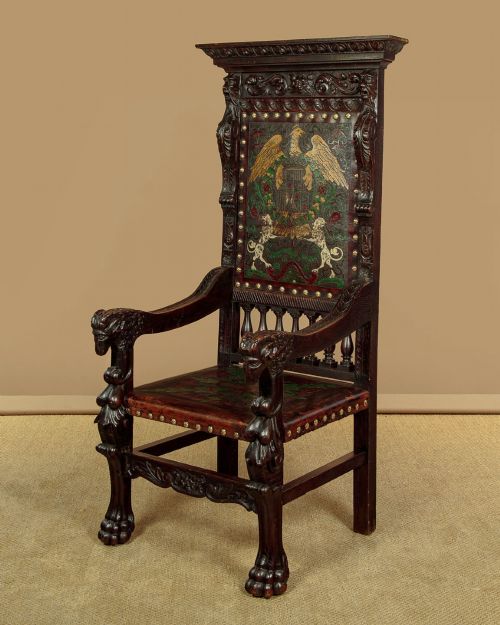
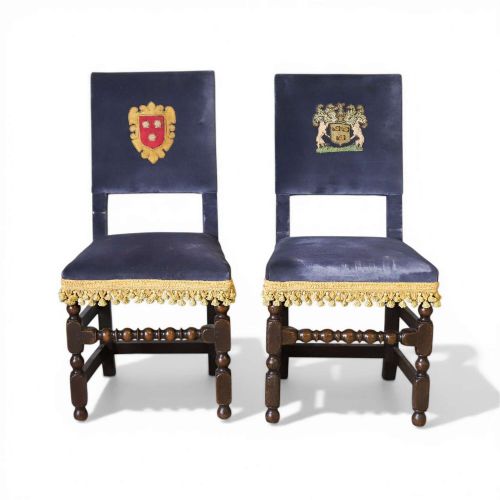
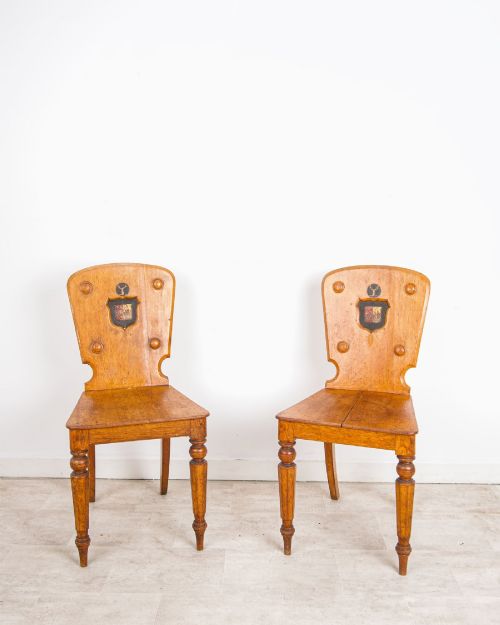
An antique heraldic chair is a striking seat featuring carved crests, armorial shields, or painted insignia that mark noble lineage and ancestral homes. Buyers searching for an antique heraldic chair encounter various forms ranging from sturdy hall chairs and side chairs to grand armchairs and throne seats.
The selections span multiple centuries and stylistic revivals, taking inspiration from the 17th Century onwards through Victorian interpretations and Renaissance Revivals. Oak and mahogany form the structural backbone of these pieces, frequently paired with upholstery like velvet, leather, and tapestry.
Origins stretch across British workshops, Scottish country houses, and Continental makers, offering diverse regional interpretations of armorial design. Whether you find a matched pair of Scottish oak armorial clan chairs or a set of Victorian mahogany hall chairs, each piece serves as both a functional seat and a display of heraldry.
Materials and construction methods
Cabinetmakers relied heavily on durable timbers like oak and mahogany to build the frames, ensuring structural longevity for heavy hall and armchairs. Walnut and rosewood also appear in select pieces, providing finer grain patterns and darker tones for reception and library settings.
Carving remains the primary technique for rendering heraldic shields, crests, and elaborate scrollwork upon the wooden backs and crest rails. Upholstered elements involve materials such as painted leather, velvet, and tapestry, secured with traditional methods to support the carved wooden framework.
Antique Heraldic Chair Retail Price Guide 2026
Typical asking prices for heraldic chair among the pieces listed under this phrase on Sellingantiques today, from the lower quarter to the upper quarter. They describe what is for sale here now, not the wider market.
Periods represented span from the 17th Century through the Georgian, Regency, and Victorian eras up to 1910.
Judging quality and craftsmanship
The depth and crispness of the wood carving distinguish superior examples from plain production, particularly in the rendering of heraldic shields and armorial crests. Sharply defined details in oak and mahogany indicate skilled hand-carving rather than mass-produced mechanical replication.
The integration of the heraldic motif into the overall chair design dictates visual harmony, where crest backs complement the turning of the legs and proportions of the seat. Original upholstery elements, such as period leather or tapestry, add historical integrity to the piece.
The Antique Heraldic Chair Glossary
- Heraldic
- Relating to heraldry, coats of arms, and noble lineage. These motifs are carved or painted onto the backs of armorial chairs.
- Armorial
- Adorned with heraldic bearings or a coat of arms. Pieces bearing these designs often originate from country houses and law chambers.
- Caquetoire
- A light, high-backed armchair originating in the sixteenth century designed for conversation. Continental examples feature distinctive wooden frames.
- Sgabello
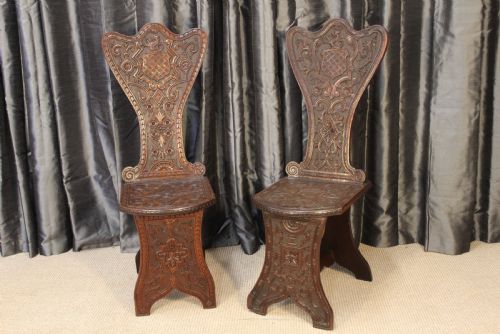
- An Italian Renaissance wooden chair with a box-like base and an upright back. These decorative seats often display carved armorial panels.
- Hessian
- A coarse woven fabric utilised as a sturdy backing or foundation material in upholstery. It provides hidden support beneath period seats.
Antique Heraldic Chair: Frequently Asked Questions
What is an antique heraldic chair?
An antique heraldic chair is a seating furniture piece featuring carved crests, shields, or armorial bearings that represent family lineage. These chairs were traditionally commissioned for country houses, halls, and law chambers.
They combine functional seating with decorative displays of heraldry, utilising timbers like oak and mahogany alongside upholstery such as velvet and leather.
Where were these chairs placed?
Historically, heraldic chairs stood in entrance halls, reception rooms, and libraries of grand estates and town residences. Hall chairs greeted visitors with prominent family crests upon the wooden back.
Larger armchairs and throne seats provided commanding focal points in studies or principal rooms, signaling status and heritage to guests.
How do I date an armorial chair?
Dating relies on examining the timber species, construction techniques, and stylistic revival influences evident in the carving. Pieces range from 17th Century Scottish oak clan chairs to Victorian mahogany interpretations.
Comparing the chair's form, such as Sgabello or Caquetoire structures, against known period eras helps establish its age.
How do I care for antique wood and upholstery?
Maintain wooden frames by dusting regularly with a soft cloth and applying appropriate wax sparingly to nourish oak or mahogany surfaces. Protect leather, velvet, and tapestry upholstery from direct sunlight to prevent fading.
Keep the chairs in stable room environments away from extreme humidity fluctuations to preserve both timber and fabric.