
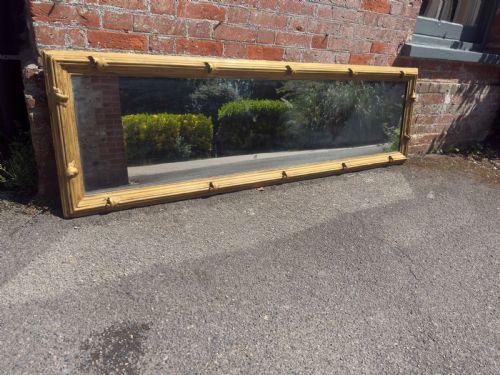
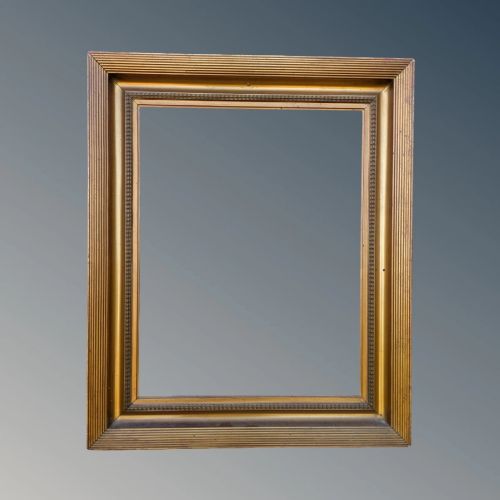
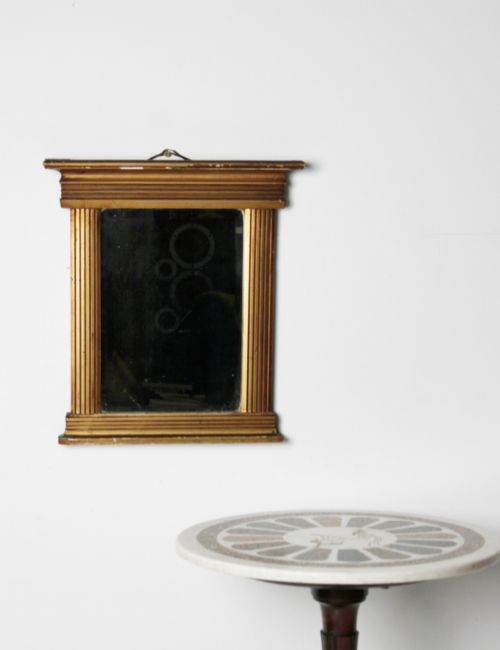


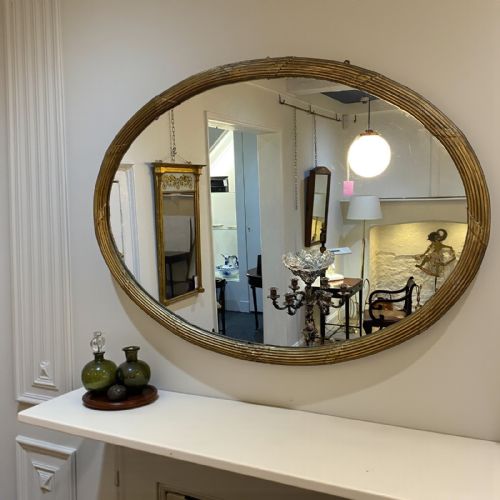
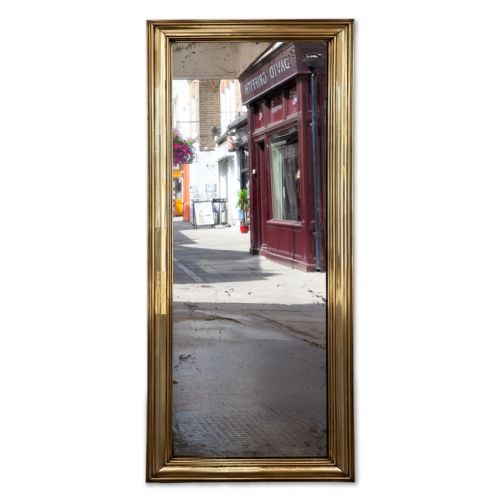
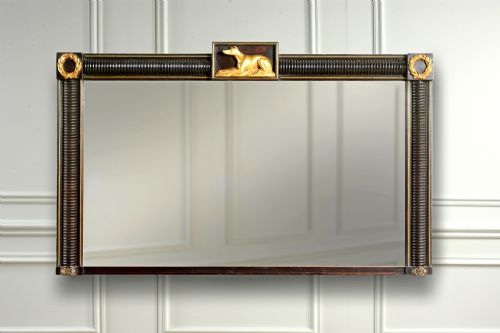

Reeded Gilt Frame
These reeded gilt frame pieces are polished wall mirrors and picture frames bringing Regency and Victorian warmth to a room.
Reeded Gilt Frame
A reeded gilt frame brings structured elegance to interiors, appearing most often on wall mirrors, picture frames, and large overmantels from the nineteenth century. These pieces span English and French workshops, utilising classical proportions that suit both traditional and eclectic spaces.
The selection ranges from early nineteenth-century Regency and William IV examples to later Victorian, Edwardian, and Art Deco iterations. Formats vary from tall pier mirrors and oval hanging glasses to deep picture frames and expansive overmantels.
How they were made
Carved wood, pine, and composition form the structural foundation of these frames, providing a stable base for decorative surface treatments. Artisans applied gesso over the timber groundwork to build up crisp architectural details like the characteristic parallel flutes.
Gold leaf and giltwood finishes impart the bright metallic surface, often applied over red bole to achieve a warm historical glow. Glass plates within these surrounds include both clear antique silvering and distressed surfaces showing age.
What varies in quality
Depth of carving and sharpness in the parallel fluting separate standard pieces from exceptional examples, as hand-carved wood and detailed gesso retain crisper lines than moulded composition. The integrity of the original gilding and the weight of the timber carcass also dictate the overall standard.
The proportion of the rebate and the presence of original glass plates influence the desirability of a mirror. Greater depth in the moulding and robust joinery at the corners demonstrate superior craftsmanship during construction.
The Reeded Gilt Frame Glossary
- Reeded
- A decorative moulding formed of parallel convex strips resembling bundled reeds. It adds linear texture to the perimeter of mirrors and picture frames.
- Gesso
- A plaster-like mixture applied to wood frames to create a smooth surface for gilding. It allows for intricate relief ornamentation.
- Giltwood
- Timber that has been coated with gold leaf or metallic powder. This finish creates a reflective and opulent surface.
- Pier Mirror
- A tall mirror designed to hang on the wall between windows. These pieces often feature narrow proportions.
- Overmantel Mirror
- A wide mirror intended for placement above a fireplace mantel. They frequently anchor the decorative scheme of a reception room.
Reeded Gilt Frame: Frequently Asked Questions
Where should I hang a reeded gilt frame?
These mirrors and frames suit placement above a fireplace, across from a window to reflect light, or as a focal point in an entrance hall.
Ensure the wall fixings match the weight of the timber and glass structure to support the piece securely.
How do I date a reeded gilt frame?
Dating relies on observing the timber species, the composition of the gesso, and the style of the mirror plate. Regency and William IV pieces often display bolder classical motifs, while Edwardian and Art Deco examples show simplified lines.
Backboards, fixings, and the method of corner joinery also provide clues regarding the manufacturing era.
Are the glass plates original?
Many older pieces retain their original glass, which may exhibit minor foxing, bubbles, or distortion reflecting age. Replacement plates often appear clearer and lack the historical imperfections found in nineteenth-century glass.
Inspecting the silvering from the reverse side helps determine whether the glass has been updated.
How do I care for gilt surfaces?
Dusting with a dry, soft brush prevents the accumulation of dirt without disturbing fragile gold leaf or gesso. Avoid liquid cleaners, chemical sprays, and abrasive cloths that can damage the metallic finish.
Keep the pieces away from direct heat sources and high humidity to protect the wood and underlying ground.