


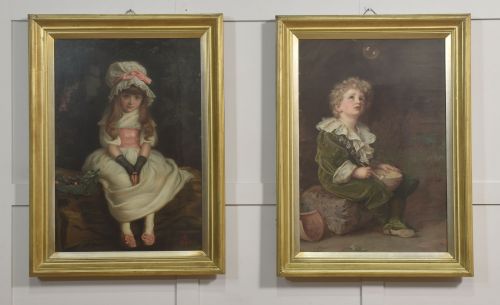
Vintage Portrait Frame Gold
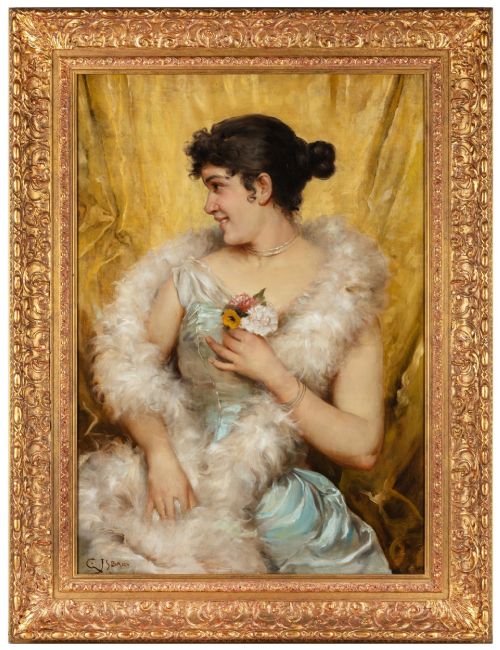
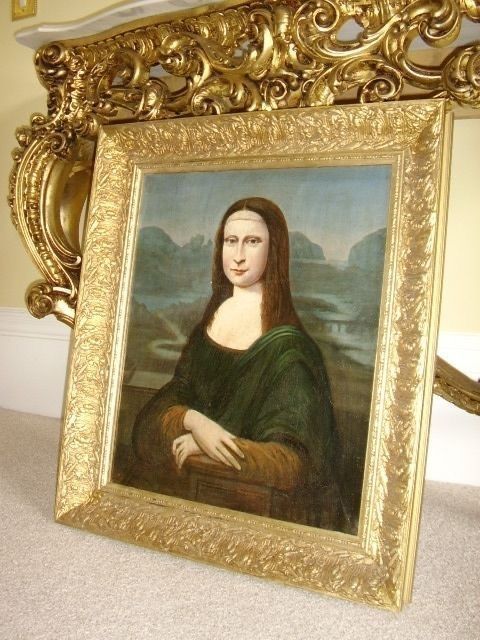
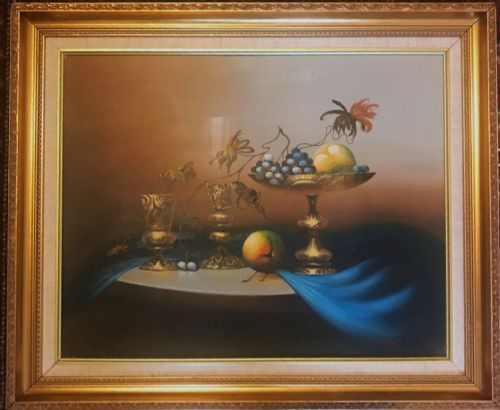
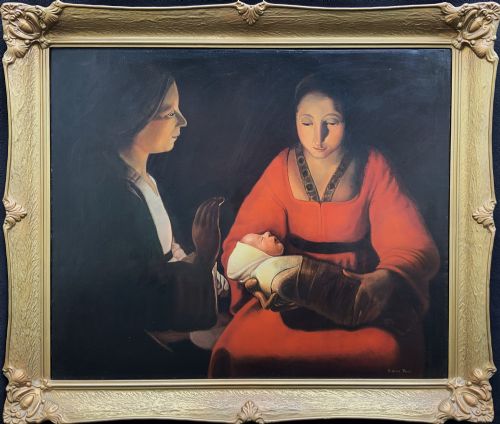
A vintage portrait frame gold selection brings together oil paintings, engravings, and photographs encased in giltwood, bronze, or ormolu to elevate any interior wall.
Vintage Portrait Frame Gold
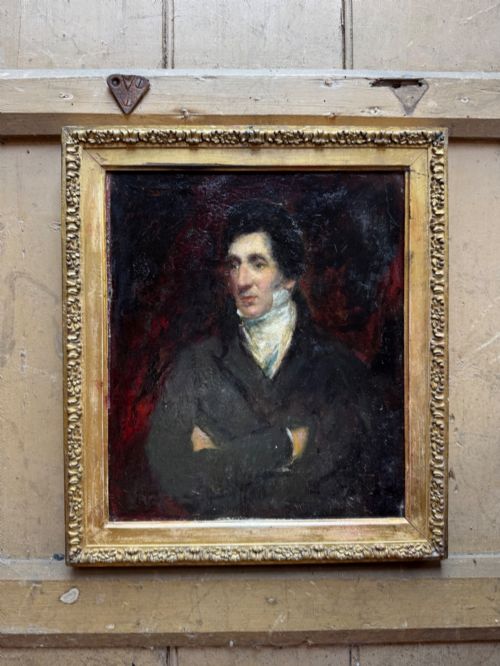
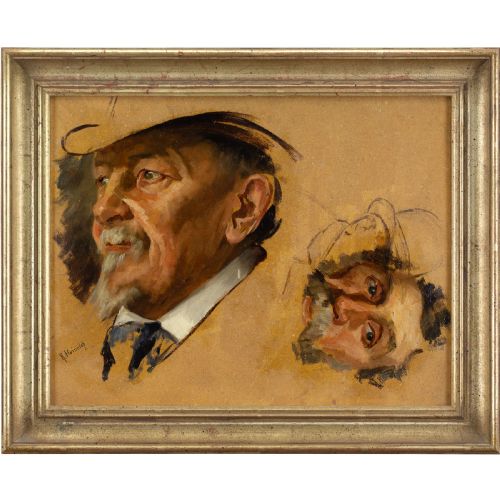
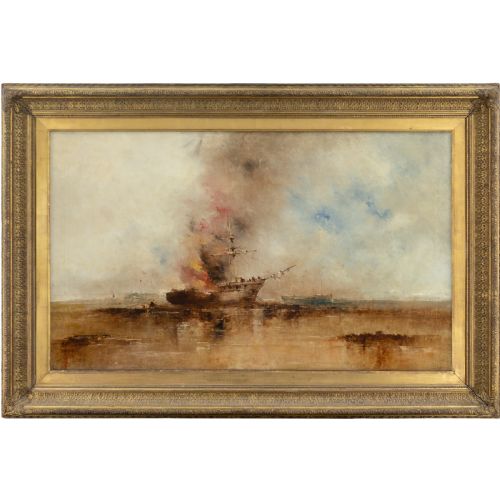
When searching for a vintage portrait frame gold piece, buyers encounter a mix of framed artworks, prints, and dedicated picture surrounds originating from the eighteenth, nineteenth, and twentieth centuries. These objects span various formats, including oil paintings on canvas or board, pastels on paper, stipple engravings, and metal photograph frames designed to display portraiture.
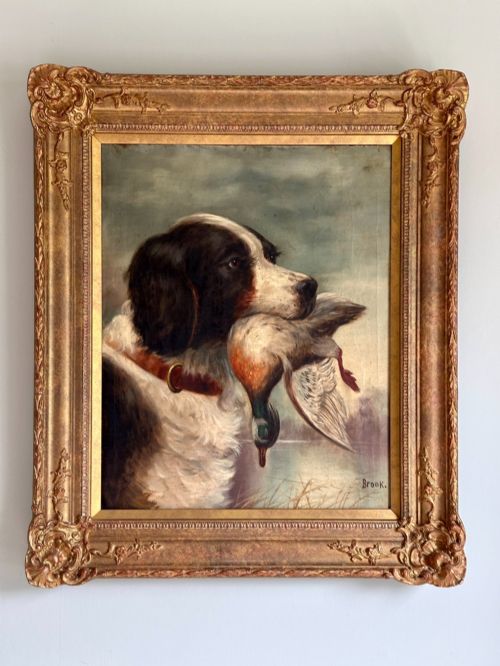
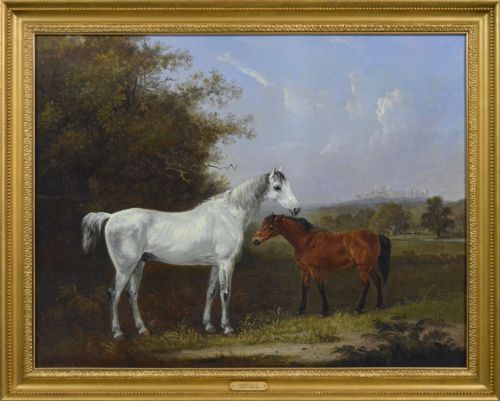
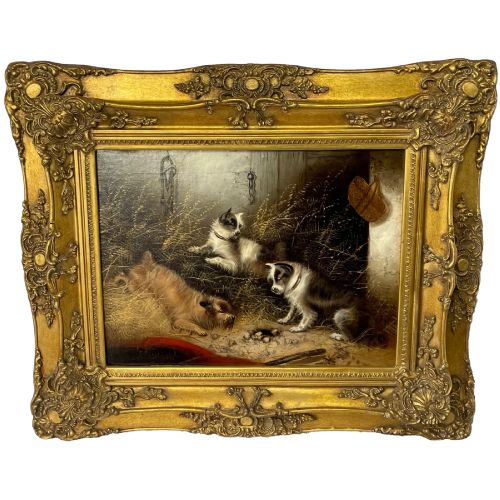
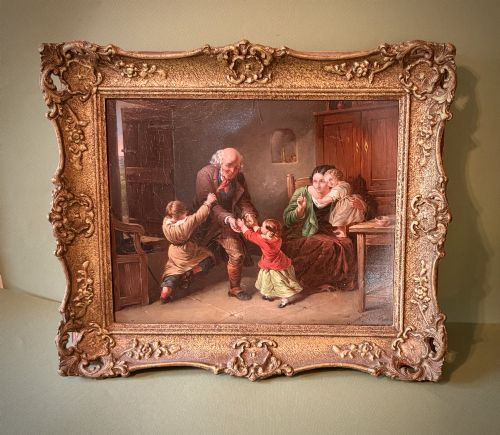
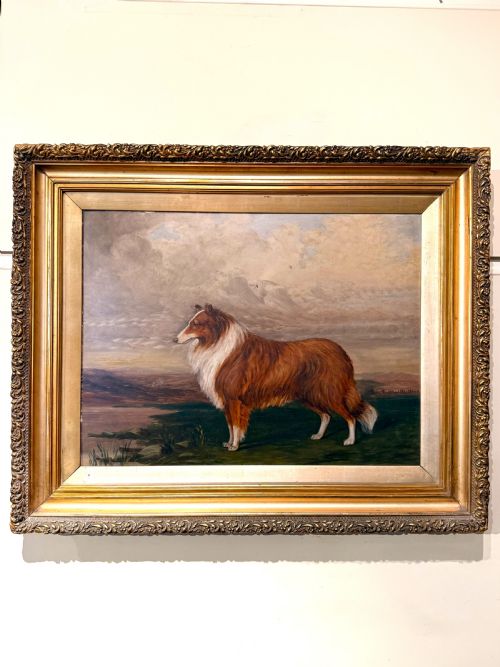
The assortment includes works aligned with Victorian, Edwardian, Regency, and French Rococo styles, alongside portrait subjects ranging from nobility and children to animals and unidentified sitters. Frames constructed from giltwood, gilt bronze, or ormolu house these images, creating a distinct visual weight and decorative presence.
Most examples hail from European makers and schools, reflecting historical shifts in portraiture and framing conventions. Buyers find both complete framed works intended to hang immediately and empty or period-matched frames ready to house existing art.
Materials and Construction
Makers utilised wood as the primary structural base for many frames, applying gesso and gold leaf to achieve the characteristic gilt surface. Metal components in gilt bronze or ormolu appear in nineteenth and early twentieth-century examples, cast and chased to produce intricate decorative motifs.
Artworks within these frames employ oil paint on canvas and board, pastel on paper, enamel, and printed paper techniques. Glazing protects delicate works on paper and pastel, while oil paintings often remain unglazed to show the direct texture of the brushwork.
Several portraits preserve the intense gazes of nineteenth-century dogs, prize bulls, and noblewomen who clearly took their sitting very seriously indeed.
Determining Quality
The standard of carving and chasing separates finer frames from mass-produced alternatives, with hand-worked giltwood and cast bronze displaying crisp detail and depth in the ornament. The application of gold leaf rather than modern metallic paint determines the longevity and richness of the reflective surface.
In the artworks themselves, the precision of draughtsmanship, handling of medium, and the expressive capture of the sitter define the merit of the piece. Matching an original period frame to the correct era of the artwork adds cohesion that elevates the ensemble.
Jozsef Molnar·Georges de La Tour·John Hayls·Emily Eyres·Dumini Leopoldo·Robert Heinrich·William McAlpine·Reginald Arthur Borstel·Horace Hone·Maria Jose Hernandez·Jonny Gaston·Albert Clark·Henry Windsor Fry·Edgar Hunt
The Vintage Portrait Frame Gold Glossary
- Giltwood
- Wood that has been coated with gold leaf or powder over a preparation of gesso. This finish provides the bright, reflective surface seen on many antique frames.
- Ormolu
- Finely chopped gold applied to a bronze base using a mercury amalgamation process, popular in decorative metalwork and frames from the eighteenth and nineteenth centuries.
- Stipple engraving
- A printmaking technique where an image is formed by a dense pattern of dots rather than continuous lines. This method creates soft tonal gradations suited to portraiture.
- Gesso
- A plaster mix applied to wood frames to create a smooth surface for gilding. It holds deep relief moulding and intricate corner ornamentation.
Vintage Portrait Frame Gold: Frequently Asked Questions
How do I hang a heavy gilt frame safely?
Heavy giltwood and bronze frames require sturdy wall anchors and picture wire rated well above the weight of the piece. Securing the hanging hardware directly into wall studs ensures the frame stays level and secure over time.
Positioning the centre of the portrait at eye level offers the best viewing angle. Using two hanging points rather than one keeps the frame flat against the wall.
Can I replace the art inside an antique frame?
Swapping the artwork is possible if the internal dimensions match the rebate of the frame. Care must be taken not to damage historic backing boards or original fixings during the process.
Retaining original backboards and glazing helps preserve the historical integrity of the piece. Professional framers can assist if the artwork requires custom fitting.
How should I clean a vintage gold frame?
Dusting gently with a soft, dry brush removes surface particles without disturbing delicate gilding or gesso. Water and chemical cleaners strip gold leaf and should be avoided entirely.
Professional restoration is recommended for frames with flaking gesso or degraded leaf surfaces. Regular dusting prevents buildup that can dull the metallic sheen.
Are these portraits original period pieces?
The selection includes authentic nineteenth-century oils, eighteenth-century engravings, and early twentieth-century pastels created by listed artists and schools. Signatures, inscriptions, and backing materials help verify the date of creation.
Matching frames often date from the same period as the artwork, though some pieces have been reunited with appropriate surrounds over time.