


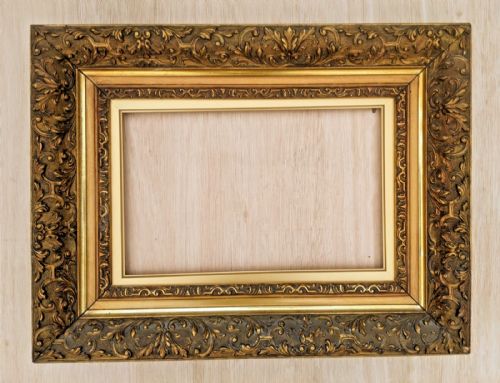

Victorian Picture Moulding
Victorian picture moulding frames your walls with the heavy timber, giltwood, and gesso profiles that defined nineteenth-century interiors.
Victorian Picture Moulding
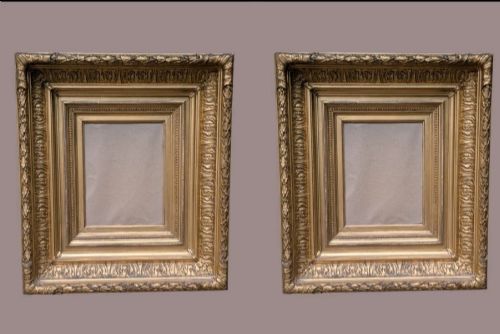
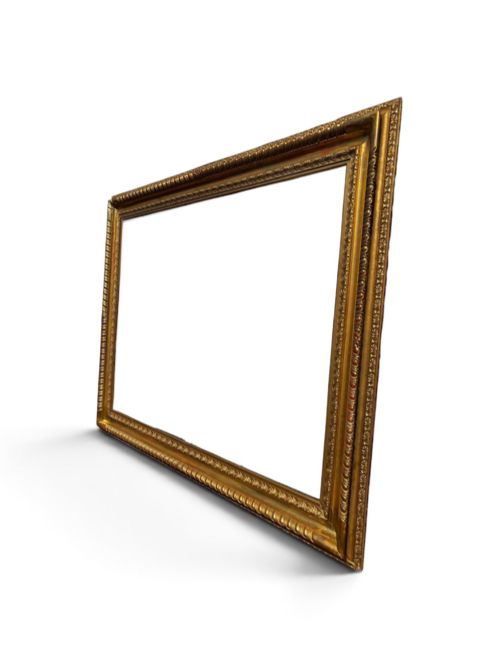
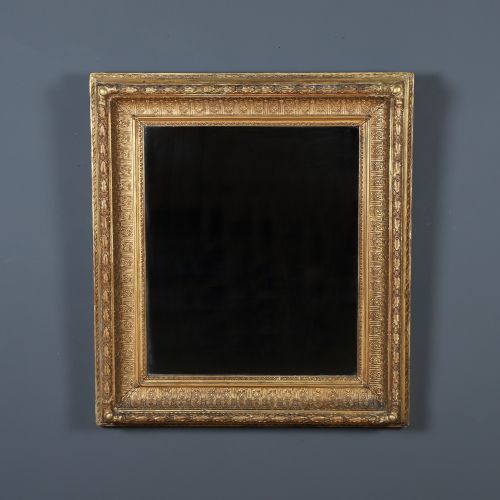
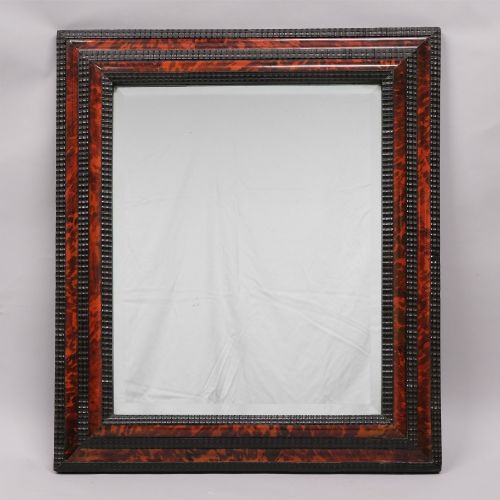
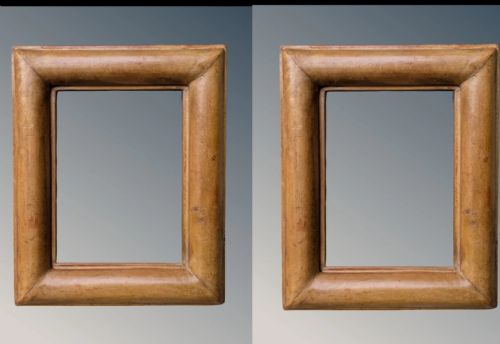
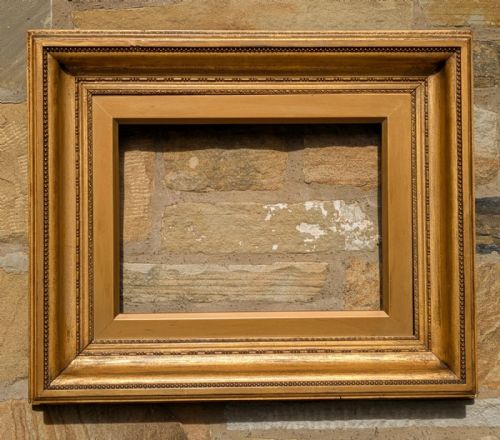
Victorian picture moulding encompasses deep wooden frames, wall mirrors, and framed tiles designed to display nineteenth-century artwork and photographs. Pieces range from simple ebonised and tortoiseshell ripple sections to ornate giltwood frames decorated with acanthus leaf motifs.
The selections available here reflect the broader nineteenth-century domestic interior, spanning the Victorian period alongside specific design movements such as Flemish Revival, Victorian Rococo Revival, and Art Nouveau. Buyers encounter various forms, including overmantle mirrors, hallway mirrors, and pairs of deep picture frames.
Originating primarily from the nineteenth century, these objects utilise traditional British construction methods and materials. The assortment prioritises functional wall decor and mirror surrounds that retain their original architectural character.
How they were made
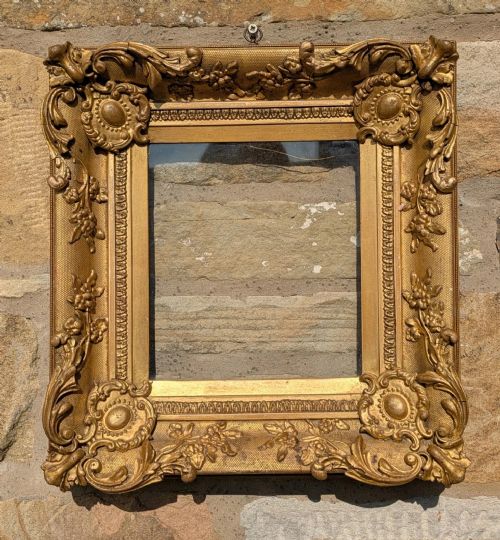
Makers constructed these frames from solid wood bases, often applying composition ornament and gesso layers to build up intricate surface relief before gilding. Gold leaf was then carefully laid over the prepared surfaces to create the characteristic metallic sheen seen on giltwood and gilt mirrors.
Alternative finishes include ebonised wood and tortoiseshell effects, which relied on specialised staining and layering techniques to imitate exotic materials. Specialised framing workshops also incorporated decorative elements like leather panels and ceramic tiles into the wooden structures.
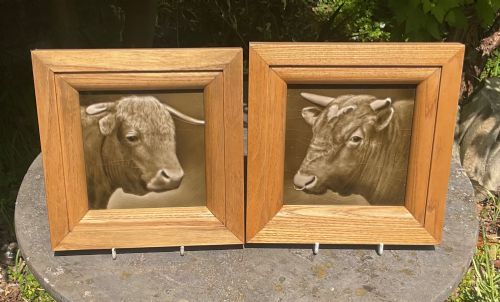
Some frames include fitted leather panels and ceramic tiles depicting farmyard bulls and cows.
What varies in quality
Quality in these pieces rests upon the depth of the timber profile and the crispness of the applied gesso and acanthus leaf decoration. Finer examples display deep profiles and carefully preserved gold leaf that catch the light evenly across the moulded surfaces.
The integrity of the underlying wooden structure and the skill involved in the surface finish distinguish standard utilitarian frames from exceptional decorative items. Pieces retaining their original gilding and structural depth without heavy overpainting command greater visual presence.
Sherwin And Cotton
The Victorian Picture Moulding Glossary
- Gesso
- A plaster-like mixture applied to wooden frames to create a smooth surface for gilding. This material allowed makers to carve or mould intricate low-relief ornamentation.
- Giltwood
- Timber covered with a thin layer of gold leaf. It forms the primary reflective and decorative surface for many nineteenth-century frames and mirrors.
- Composition
- A moulded mixture of whiting, resin, glue, and oil pressed into shape while warm. It provided a cost-effective alternative to hand-carved wooden ornament.
- Ripple moulding
- A pattern of concentric undulations machined onto the wooden frame surface. It creates a textured, undulating border popular on seventeenth-century revival pieces.
- Acanthus
- A classical leaf ornament carved or moulded onto frame corners and borders. It draws inspiration from Mediterranean foliage traditions.
Victorian Picture Moulding: Frequently Asked Questions
What is victorian picture moulding used for?
These frames and mouldings serve to display fine art, mirrors, and decorative tiles on interior walls. They add architectural weight and period character to domestic spaces.
Buyers often utilise them to frame modern canvases or mirrors, creating a deliberate contrast between old and new interiors.
How do I clean giltwood frames?
Dust the surfaces gently with a soft, dry brush to remove loose particles. Avoid using water or chemical cleaners that can strip delicate gold leaf.
Preserving the fragile metallic surface requires minimal handling and protection from direct moisture and humidity.
Are these frames made of solid wood?
Most pieces feature a timber foundation built up with gesso and composition material to achieve deep, decorative profiles. Some variations utilise ebonised wood or solid leather and tortoiseshell veneers.
The combination of wood and moulded composition allowed craftsmen to produce complex three-dimensional patterns efficiently.
How do I identify Art Nouveau frames?
Art Nouveau examples display characteristic organic lines, asymmetrical curves, and floral motifs distinct from earlier geometric styles. They date toward the end of the nineteenth century and into the early twentieth century.
These pieces reflect a shift away from strict historical revivals toward more fluid, nature-inspired decorative arts.