


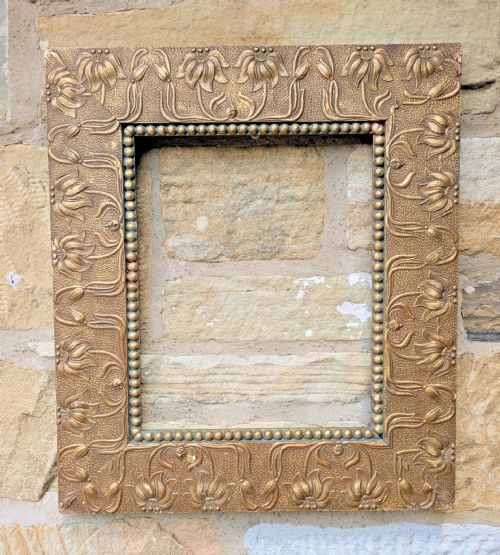

Gold Photo Frame
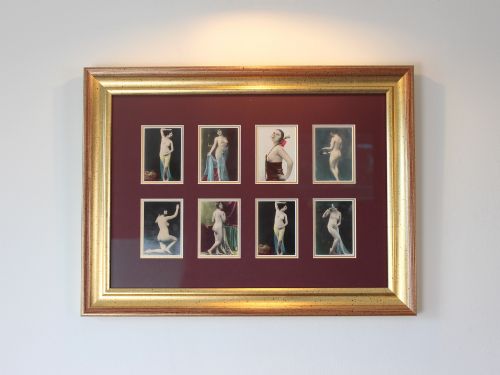
A gold photo frame holds a portrait or memento with tactile warmth, carrying the aesthetic of the late nineteenth and early twentieth centuries into a modern interior.
Gold Photo Frame
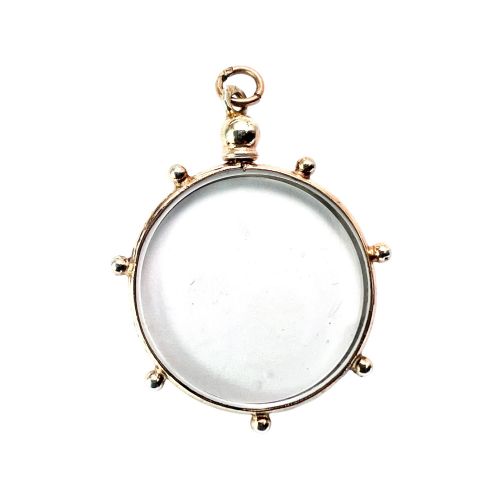
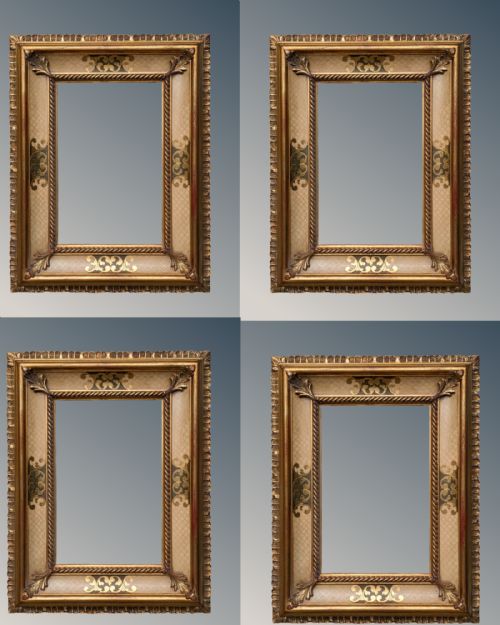
A gold photo frame primarily emerges from the Victorian, Edwardian, and Art Nouveau periods, taking the form of tabletop easel frames, wall picture frames, and wearable lockets.
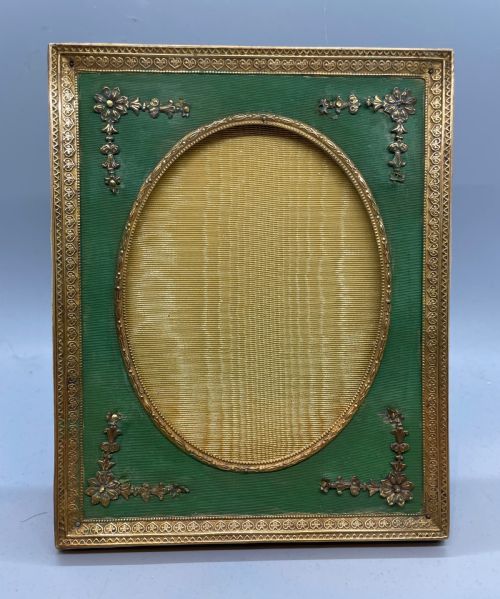
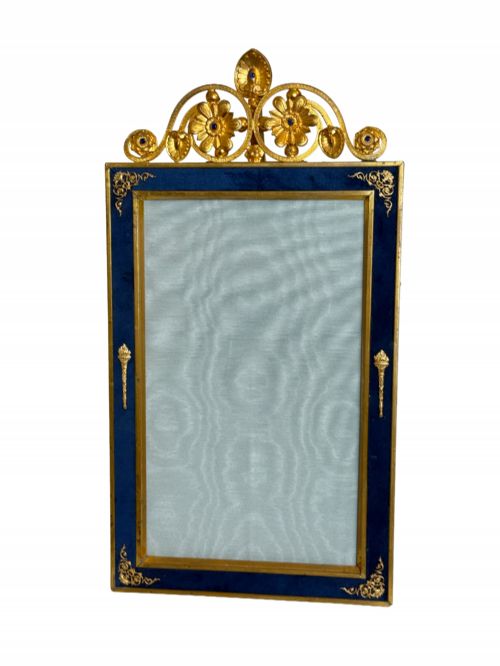
The version most commonly encountered on this page is the French ormolu or gilded brass tabletop frame from around 1900, often featuring detailed cast decoration.
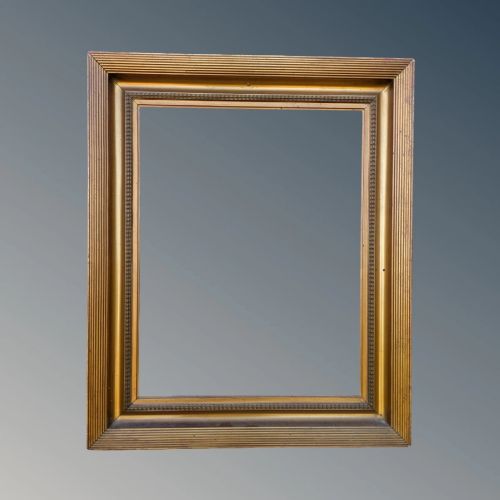
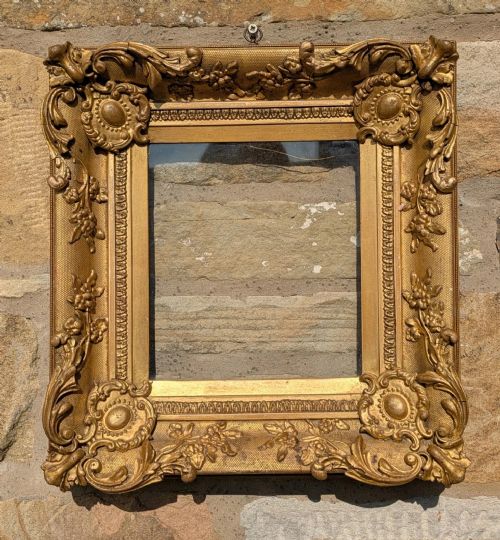
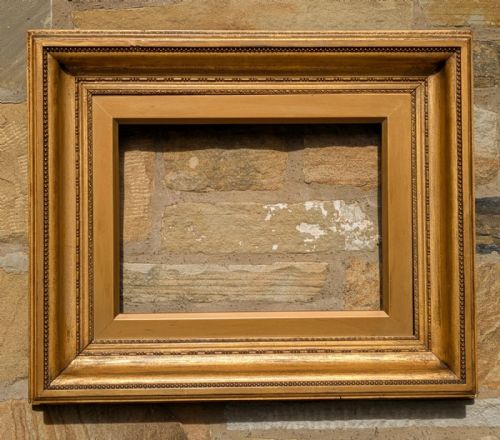
Pieces span from small pendant lockets in yellow gold to large deep gilt gesso picture frames and multi-panel folding photo displays.
Materials and Technique
Frames rely on a foundation of brass, bronze, or wood which then receives a surface application of gold leaf, ormolu, or heavy gilt.
Gilded gesso technique involves applying a prepared chalk and glue mixture to a wooden base, which is subsequently carved and gilded with gold leaf.
More elaborate examples incorporate glass, agate mounts, paste stones, champleve enamel, or Limoges enamel panels set directly into the metalwork.
Napoleonic bees march across several French bronze frames, adding an imperial insect motif to your mantelpiece.
Distinctions in Execution
The weight and depth of the cast metal or carved gesso establish the primary tier of craftsmanship, separating solid bronze or brass from lighter pressed alternatives.
The precision and crispness of chased details, such as Napoleonic bees, cherubs, or floral motifs, indicate the skill of the original workshop.
The condition and integrity of the original mercury gilt, gold leaf, or enamel work govern the visual impact of the piece over time.
Boin Taburet·Goldsmiths And Silversmiths·Alice Mary Hughes·Julian Mandel·F Bienvue
The Gold Photo Frame Glossary
- Ormolu
- Finely chased gilded bronze or brass, popular in French decorative arts. It provides a rich golden surface that does not tarnish easily.
- Gesso
- A plaster-like material applied to wood frames to create a smooth surface for carving and gilding. This mixture allows for ornate relief decoration.
- Champleve
- An enamelling technique where troughs are dug into a metal surface and filled with vitreous enamel before firing. It creates vibrant colour alongside the metallic framework.
- Crystoleum
- A Victorian method of applying a hand-tinted photograph to concave glass and backing it with oil paint. These glazed pictures often sit within elaborate gilt frames.
- Easel back
- A hinged rear support allowing a frame to stand upright on a table. These backs frequently feature plush velvet or silk linings.
Gold Photo Frame: Frequently Asked Questions
How do I date a gold photo frame?
Dating relies on stylistic clues such as the flowing organic lines of Art Nouveau from 1900, or the heavy cast ornamentation typical of the Victorian era. Hallmarks on silver or gold components offer precise year markers.
Backing materials and easel mechanisms also change across decades, shifting from turned wooden struts to hinged metal stands.
Were these frames meant for walls or tables?
Many gold photo frames are designed for tabletop use, featuring sturdy easel backs and velvet linings to display portraits in domestic settings. Wall-hanging picture frames also appear frequently in larger formats.
Smaller locket pendants bridge the gap between interior display and personal jewellery.
What is the difference between ormolu and gilt brass?
Ormolu specifically denotes high-status gilded bronze where the gold is applied via a mercury amalgamation process or heavy fire gilding. Gilt brass uses a similar golden surface finish over a less costly brass alloy base.
Both materials yield a bright golden appearance, though ormolu generally exhibits deeper chasing and heavier physical weight.
How should I clean an antique gilt frame?
Cleaning requires only a soft, dry brush to remove dust from delicate crevices and relief ornament. Moisture and chemical solvents must be avoided to protect fragile gold leaf and aged gilding.
Glass components can be wiped with a damp cloth while removed from the metal mount.