




French Gilt Bronze Frame
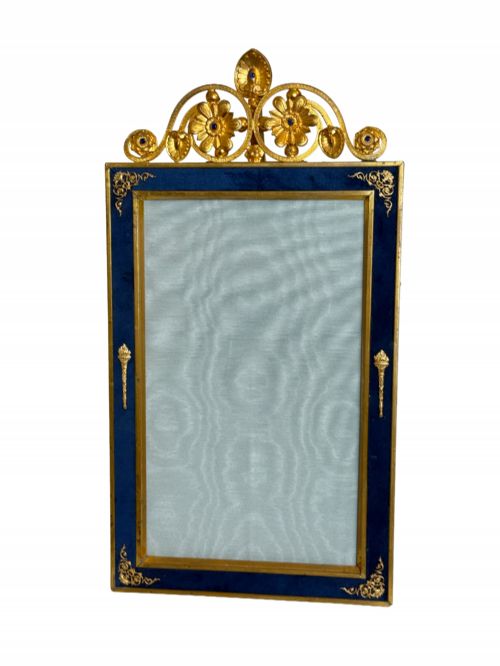
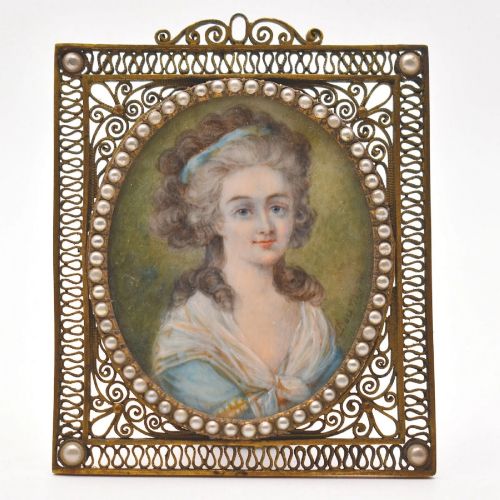
A french gilt bronze frame brings an unmistakable warmth to portrait miniatures, photographs, and mirrors through its rich metallic lustre.
French Gilt Bronze Frame
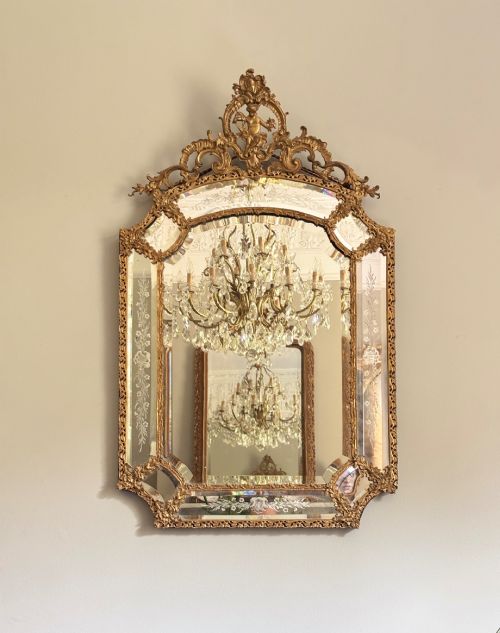
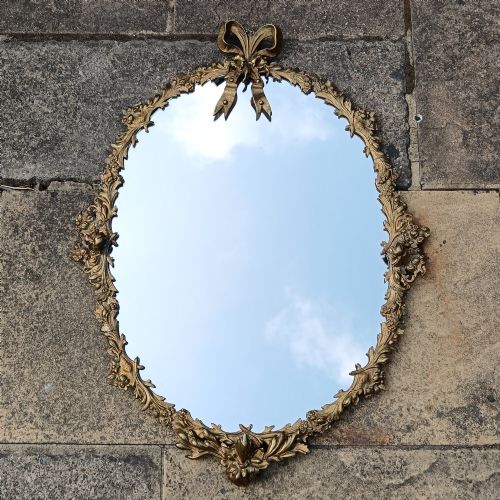
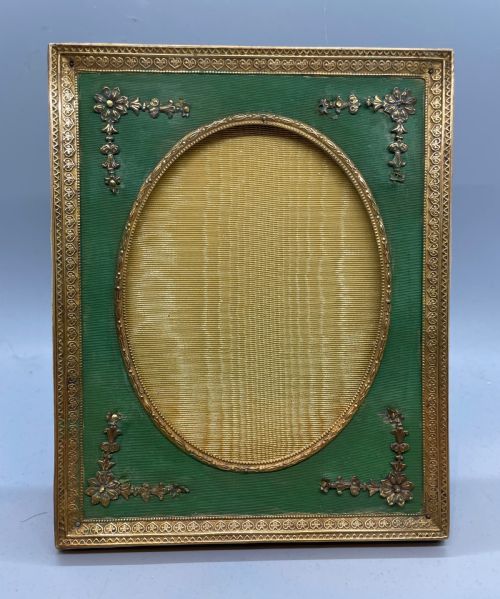
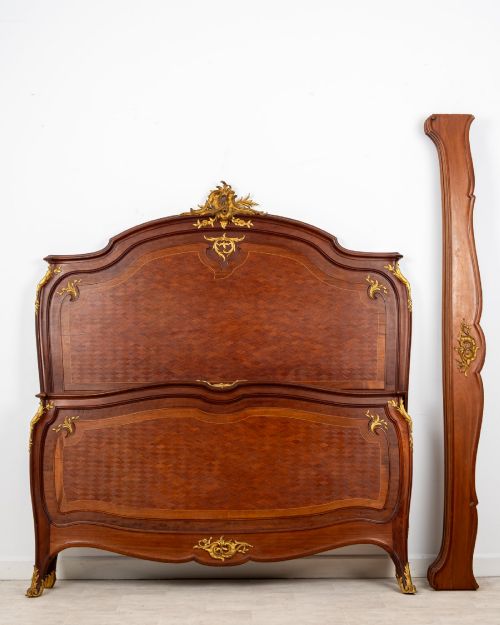
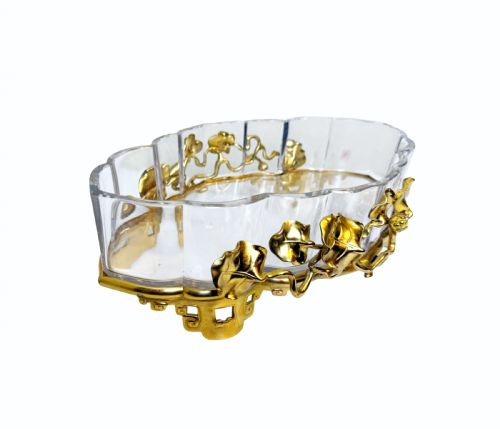
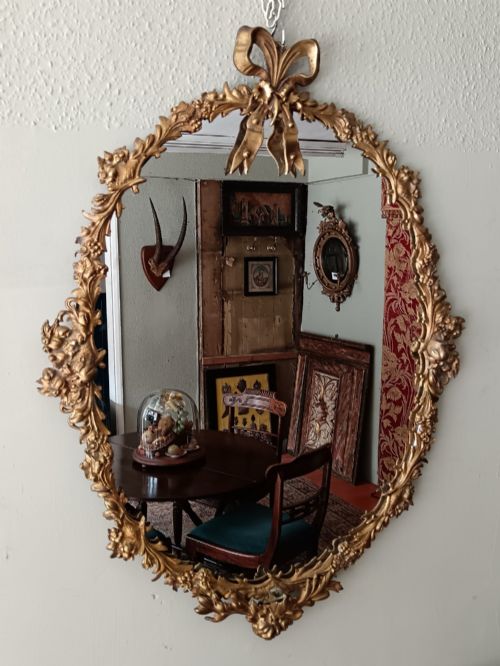
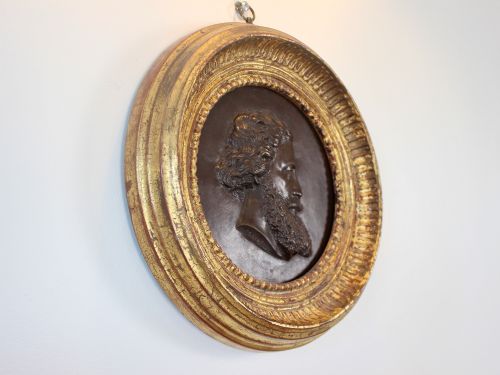
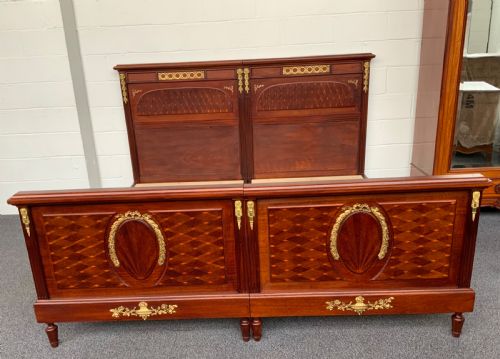
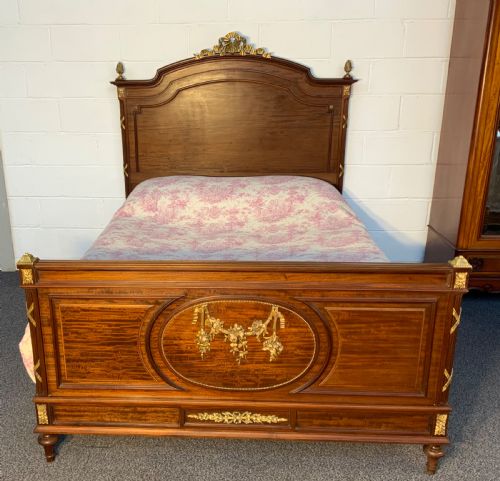
A french gilt bronze frame serves primarily to house photographs, portrait miniatures, and wall mirrors, though similar metal mounts also appear on larger furniture such as beds and centrepieces. When you explore this selection, picture frames and small wall mirrors dominate the material evidence from the nineteenth century.
The objects span several distinct revival aesthetics, most notably Louis XVI and Rococo styles alongside Empire designs. Pieces often incorporate cast details like Napoleonic bees, champlevé enamel, or paste stones around the aperture.
Origins trace predominantly to the nineteenth century, ranging from the 1840s Napoleon III period through to the Edwardian decade. Smaller desk accessories and standing photo frames sit alongside grander oval wall mirrors and portrait mountings.
How they were made
Makers utilised bronze cast by the lost-wax or sand-casting method, producing crisp relief ornament before applying a gold-coloured surface finish. This finish appears variously as ormolu mercury gilding, simpler gilt metal, or gilded bronze.
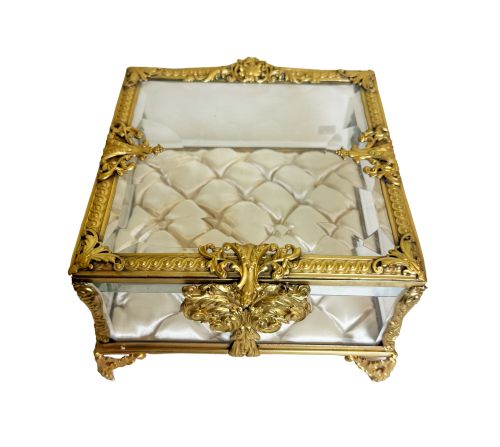
Many examples integrate supplementary materials within the metal armature, such as glass panes, silk linings, mahogany backings, champlevé enamel panels, and hand-painted Limoges plaques. Easel backs frequently feature wood or velvet support struts alongside hanging loops.
Napoleon III picture frames on the market frequently sport tiny cast bees along their borders, bringing imperial symbolism right down to a photograph frame.
What varies in quality
The sharpness of the chased and cast surface ornament dictates visual success, where finer workshops achieved deep, crisp relief on acanthus leaves, ribbons, and cherubs. Softer contours indicate secondary casting or worn dies.
The choice of supplementary materials elevates certain items, distinguishing standard gilt metal from heavy fire-gilded ormolu, and plain glass from pieces featuring champlevé enamel borders or inset paste stones.
Boin Taburet·F. Bienvue·Mainfroy
The French Gilt Bronze Frame Glossary
- Ormolu
- Gilded bronze produced through a mercury amalgamation process, yielding a deep, durable golden lustre. This technique was widely employed by nineteenth-century Parisian metalworkers.
- Champlevé
- An enamelling technique where troughs are dug into the bronze surface and filled with vitreous coloured paste before firing. It creates vibrant decorative bands around picture apertures.
- Louis XVI Revival
- A decorative style favouring neoclassical symmetry, straight lines, ribbon twists, and laurel wreaths. It experienced a major resurgence during the late nineteenth century.
- Paste stones
- Faceted glass gems set into metal mounts to imitate diamonds or coloured gemstones. They provide sparkle on decorative nineteenth-century frames.
- Limoges enamel
- Painted vitreous enamel plaques produced in central France, frequently inserted into the crests or frames of mirrors and small caskets.
French Gilt Bronze Frame: Frequently Asked Questions
How do I date a gilt bronze frame?
Examine the construction of the easel back, the style of the screws or pins, and the aesthetic revival movement indicated by the casting motifs. Late nineteenth-century examples often feature heavy cast backs with integrated support hinges.
Compare the surface gilding and the weight of the bronze, as earlier nineteenth-century pieces tend to use denser metal castings with mercury ormolu finishes compared to later twentieth-century variants.
Were these frames meant for desks or walls?
French gilt bronze frames were produced for both display methods, with many smaller rectangular or oval formats featuring dual-purpose hinges. This allowed a single object to function as a standing desk frame or hang on a wall.
Larger oval mirrors and picture surrounds were strictly built for wall hanging, often supported by substantial cast rings or wooden backboards with hanging loops.
What is the difference between ormolu and gilt brass?
Ormolu consists of a gold-mercury amalgam applied to a bronze base, creating a warm, deep metallic finish that resists tarnishing over centuries. Gilt brass or gilt metal generally presents a lighter, yellower tone with a less complex underlying alloy.
Bronze provides a heavier, more rigid structure for intricate relief casting, whereas brass or simpler metal alloys appear more frequently in lighter domestic accessories.
How should I clean a gilt bronze frame?
Dust the cast ornament gently with a soft, dry brush to prevent dirt accumulation in the recessed recesses of the relief work. Avoid harsh commercial metal polishes, which can strip away the historic surface gilding.
Professional conservation advice recommends only dry mechanical cleaning for antique ormolu and gilded bronze surfaces to preserve their original patination.