




Heavy Victorian Frame
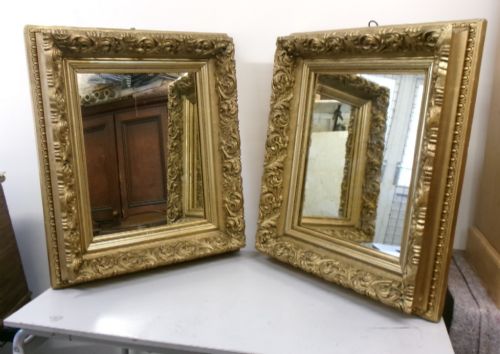
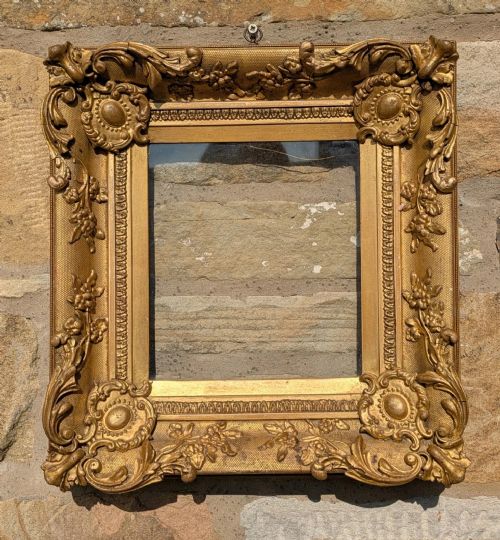
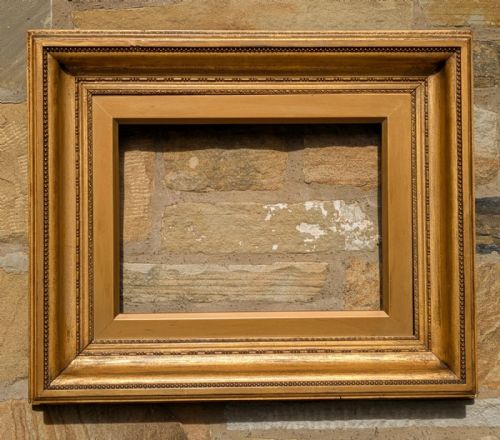
A heavy victorian frame commands attention on a wall, built with substantial depth to house significant oils, mirrors or watercolours.
Heavy Victorian Frame
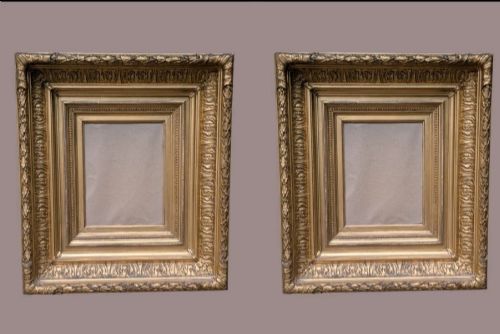
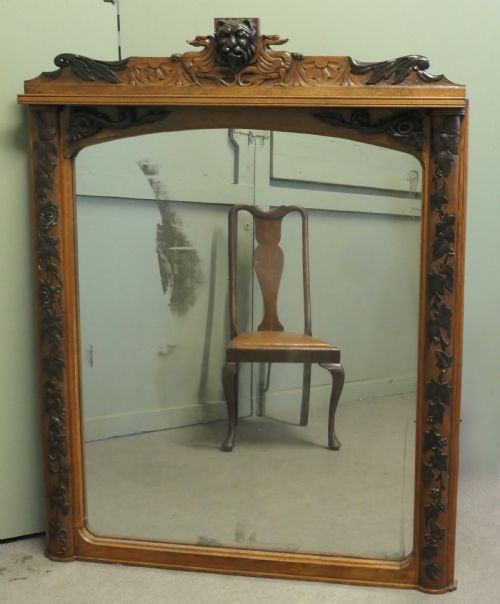
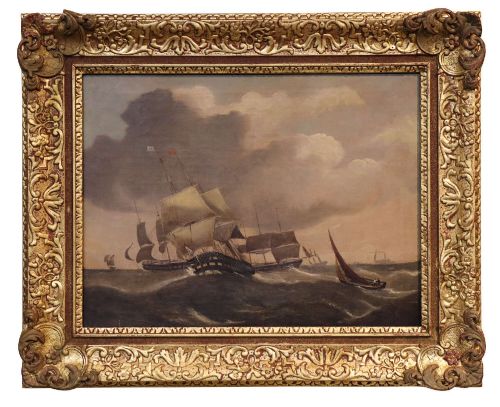
The selections on this page span several decades of the 19th century, incorporating both giltwood showpieces and carved oak alternatives. Many pieces arrive paired with original artworks, whilst others serve as empty vessels ready for a custom mirror or painting.
Forms range from simple reeded mouldings to elaborate rococo revival compositions and deep cushion frames. These items originated to project weight and importance, a quality valued by collectors seeking presence in a room.
How they were made
Carvers built the structural carcass using timber such as oak or pine, applying layers of gesso to build up high-relief ornamentation. Artisans then gilded these surfaces with gold leaf or finished them with dark gilt and sand moulding techniques.
Cast elements and applied composition ornament frequently decorated the corners and centres of larger mouldings, securing heavy structural integrity. Joinery relied on sturdy mitred corners reinforced to support considerable glass or canvas weight.
Listings feature 19th-century periods alongside materials including gesso, giltwood, oak and canvas.
What varies in quality
The depth of the moulding and the crispness of the carved or moulded ornamentation dictate the upper tier of the range. Finer examples retain their original gold leaf and deep structural profile without excessive replacement gesso.
Substantial weight indicates denser timber cores and thick plaster applications rather than hollow or thin modern substitutes. The integrity of the mitres and the preservation of the original gilt surface distinguish superior specimens.
Herbert Dicksee·Andre de Moller·Adrian Jones·W E Millner·Robert F Watson
The Heavy Victorian Frame Glossary
- Gesso
- A plaster mixture applied to wood frames to create a smooth surface for gilding. This material allows artisans to carve intricate relief patterns before applying gold leaf.
- Giltwood
- Timber coated with gold leaf or gold paint to simulate solid gold objects. It provides the signature bright or burnished finish seen on Victorian salon mirrors.
- Cushion frame
- A convex, rounded frame profile popular during the 19th century. This bulging form draws the eye inward toward the canvas or mirror plate.
- Sand moulded
- A technique where fine sand is embedded into wet gesso to create a textured, light-diffusing band. This matte finish contrasts against polished gilt highlights.
- Reeded
- A decorative moulding comprising parallel convex convex rounds. It adds linear rhythm to otherwise plain wooden borders.
Heavy Victorian Frame: Frequently Asked Questions
Can I put a mirror inside an old painting frame?
Many frames originally housed oil paintings but can be fitted with custom mirror glass by a professional glazier. Ensure the rabbet depth can accommodate both the glass and a secure backing board.
This conversion offers a practical way to repurpose empty 19th-century mouldings for domestic use.
How do I clean giltwood frames?
Dust surfaces gently with a very soft, dry brush to remove particulate matter without disturbing fragile gesso or gold leaf. Avoid all liquid cleaners, modern polishes and abrasive cloths.
Moisture can permanently dissolve historic water-gilt surfaces and loosen applied composition ornaments.
What indicates an 1880s frame?
Late-century pieces frequently display dense composition ornament, deeper profiles and darker gilt finishes than their earlier counterparts. Look for construction traits such as machine-sawn backing timbers alongside traditional joinery.
Maker stamps and framing labels pasted to the reverse also help pinpoint the exact decade of manufacture.