
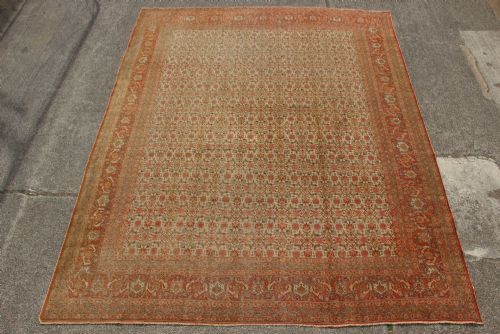



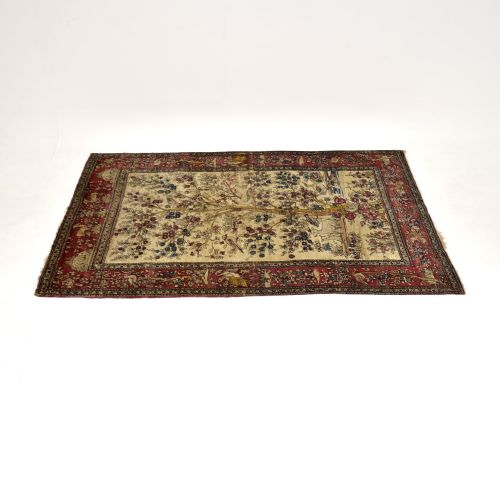

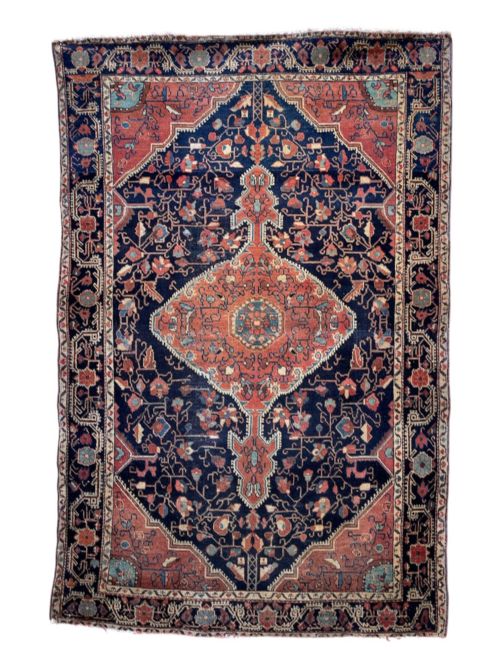
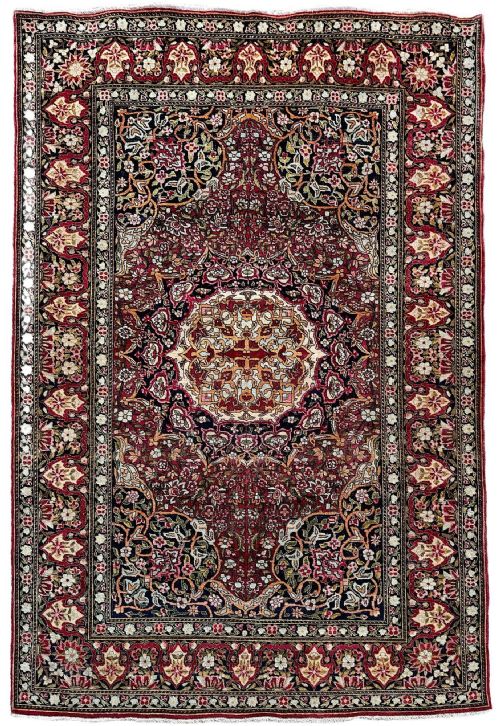
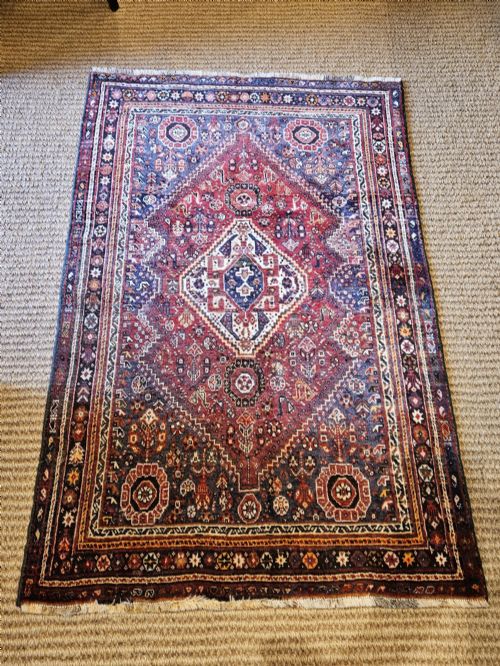
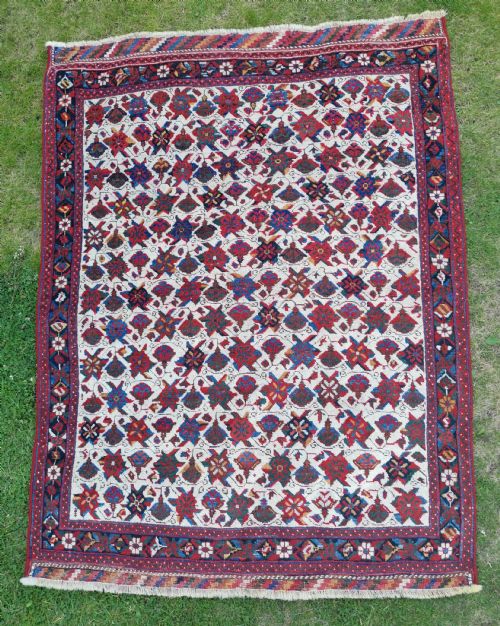
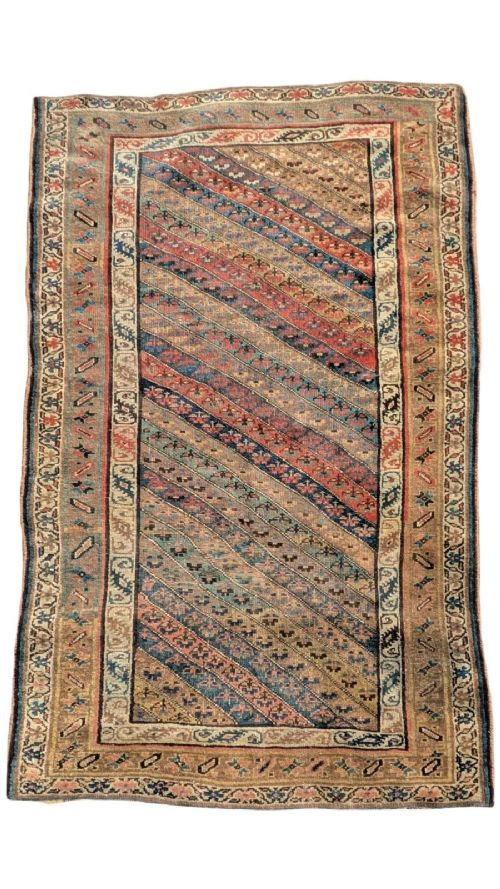
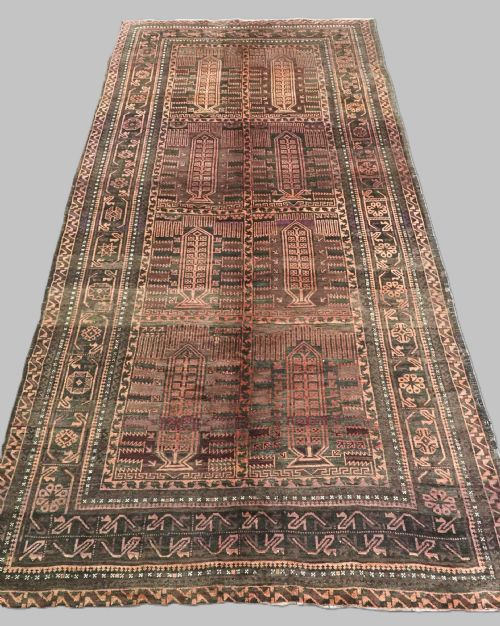
Red Woven Floor Rug
A red woven floor rug brings rich colour and enduring texture to a room, drawing on decades and centuries of traditional knotting.
Red Woven Floor Rug
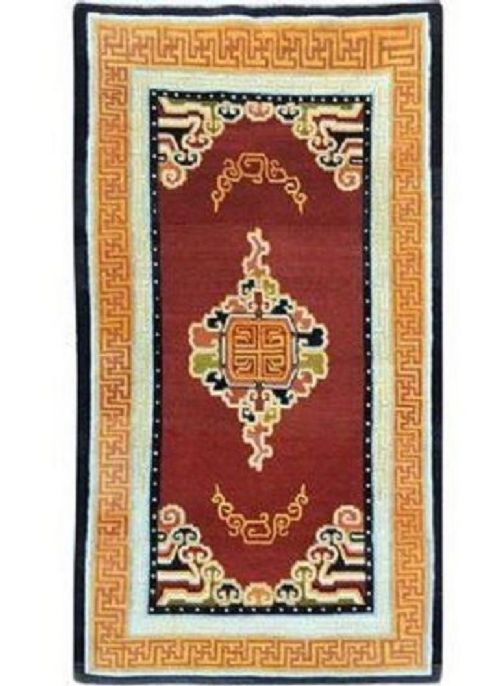
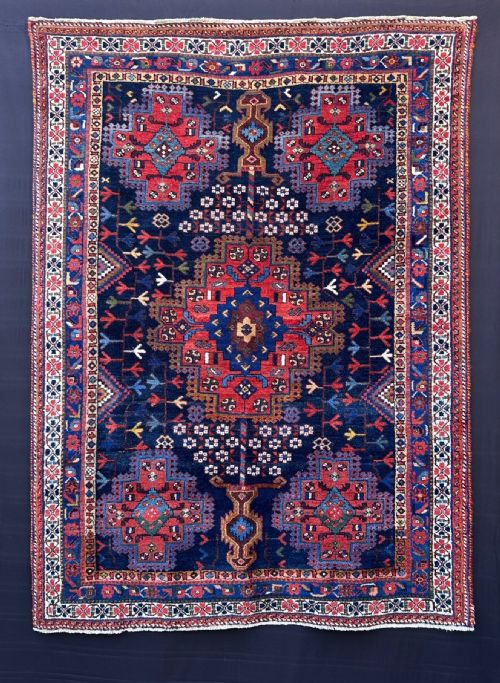
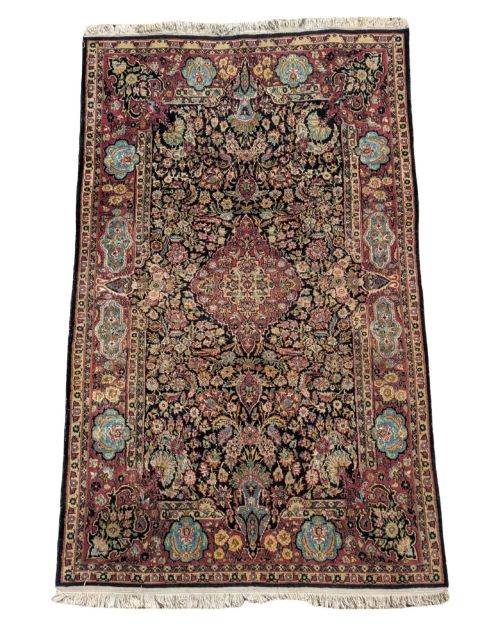
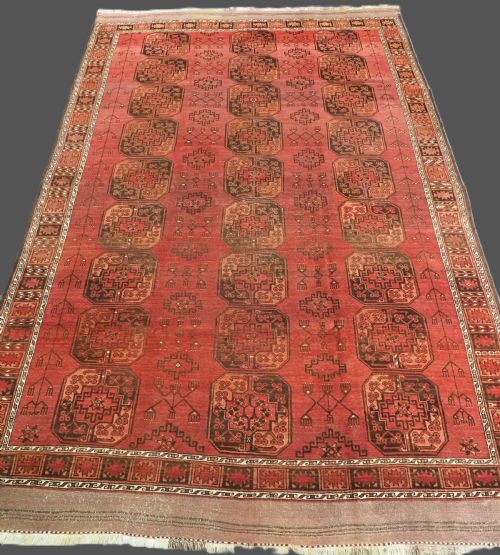
A red woven floor rug represents a wide variety of antique and vintage carpets, runners, and area rugs originating largely from Persian, Caucasian, and Tibetan weaving traditions. When searching this phrase, a buyer encounters everything from large room-size carpets down to small tribal mats, spanning production dates from the mid-nineteenth century through to the mid-twentieth century.
The most common formats on this page include room carpets, hallway runners, and compact area rugs created by regional weavers and specific tribal groups. These floor coverings utilise traditional motifs and structural layouts that reflect the heritage of their respective regions, providing practical floor decoration with historical depth.
How they were made
The construction of these floor coverings relies primarily on wool, cotton, and occasionally silk highlights, worked into dense foundations by skilled hands. Weavers used durable natural fibres to build robust piles that endure heavy foot traffic while retaining flexibility and warmth underfoot.
Dyeing methods and knotting techniques determine the structural integrity of each piece, uniting traditional craft with resilient organic materials. Artisans applied rich red tones using natural dye sources across regional centres and nomadic encampments alike.
The listings show periods spanning from 1850 to 1940, constructed from wool, cotton, and silk across diverse regional styles.
What varies in quality
The distinction between tiers of these floor coverings lies in the density of the knotting and the precision of the geometric or floral design. Finer knot counts allow for sharper pattern definition and a more supple handle, reflecting greater labour intensity during production.
Material selection also dictates overall grade, particularly the quality of the wool and the brilliance of the secondary accent colours. Pieces retaining original structural integrity and uniform pile height demonstrate superior preservation over time.
Saroukh Mahal Carpet·Heriz Carpet·Bakhtiar Rug·Jozan Rug·Isfahan Rug·Tibetan Rug·Afshar Rug·Ersari Turkmen Main Carpet·Saroq Rug·Timuri Baluch Main Carpet·Hamadan Rug·Lori Carpet·Fereghan Carpet·Kazak Rug·Tetex Carpet·Teke Tribes Turkmen Wedding Rug·Baluch Pictorial Rug·Kashan Area Rug·Tabriz Carpet·Sultanabad Carpet·Karabagh Rug·Gabbeh Rug
The Red Woven Floor Rug Glossary
- Pile
- The vertical or diagonal loops of yarn that form the usable surface of the carpet. This dense upper layer provides the soft texture and displays the woven patterns.
- Warp
- The stationary longitudinal threads stretched across the loom before knotting begins. These strong foundation strings carry the physical tension of the entire textile.
- Weft
- The horizontal threads passed across the warp strands between rows of knots to secure the structure. They bind the rows firmly together and dictate the rigidity of the rug.
- Knot
- The individual loops of yarn tied around warp threads to build the visible pattern and pile. Different regional styles employ distinct knot types to achieve their specific structural characteristics.
Red Woven Floor Rug: Frequently Asked Questions
How do I clean an antique rug?
Gentle surface vacuuming without a beater bar removes loose dirt from the pile safely. Professional specialist cleaning remains essential for deep maintenance to protect fragile natural fibres.
Harsh chemical treatments and aggressive scrubbing damage the historical dyes and wool structure. Regular rotation prevents uneven wear patterns in high-traffic areas of the home.
Can I use these rugs on heated floors?
Natural materials like wool and cotton tolerate moderate underfloor heating quite well. Breathable underlays should be used to permit proper air circulation beneath the textile.
Excessive direct heat can dry out natural fibres and foundation yarns prematurely. Monitoring the temperature prevents potential warping or accelerated fibre degradation over time.
How do I distinguish regional styles?
Examining the specific geometry, medallion layouts, and border motifs helps identify the distinct weaving traditions. Persian pieces often feature elaborate floral curves, whereas Caucasian and tribal pieces lean toward bold, rectilinear shapes.
Colour palettes also provide strong clues regarding geographical origin and period. Comparing structural details like selvedge finishes and end finishes aids precise attribution.
Are these rugs suitable for hallways?
Long runner formats function effectively in corridors and entryways by adding warmth and acoustic softening. Durable wool piles withstand regular walking traffic when paired with a quality non-slip underlay.
Placement should avoid areas subject to persistent moisture or direct harsh sunlight. Proper sizing ensures doors clear the thickness of the pile without catching.