



Red Woven Cushion
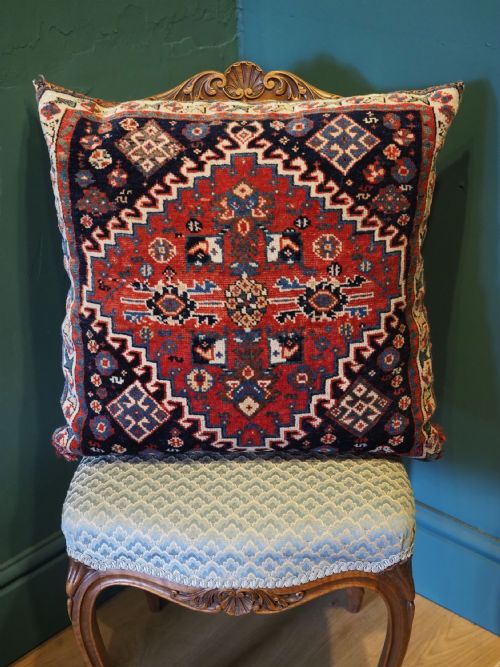
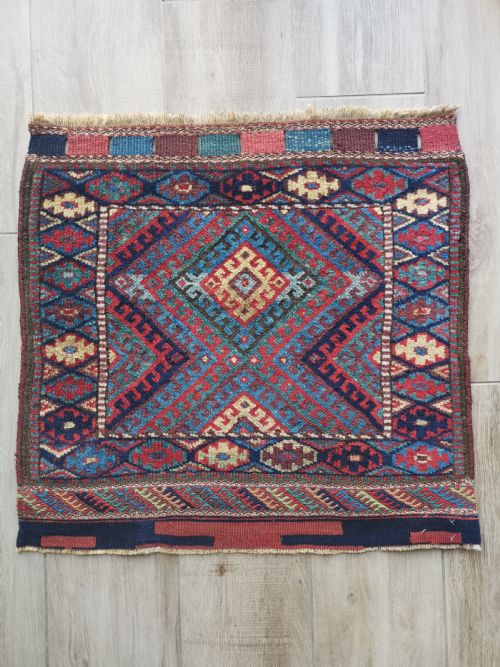
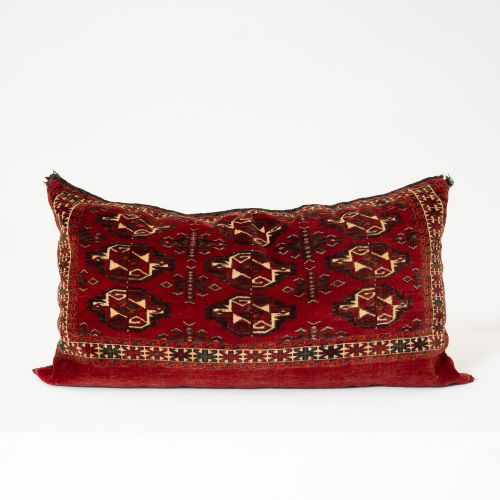
When you search for a red woven cushion, you are looking at antique tribal bag faces and storage sacks reimagined for domestic seating.
Red Woven Cushion
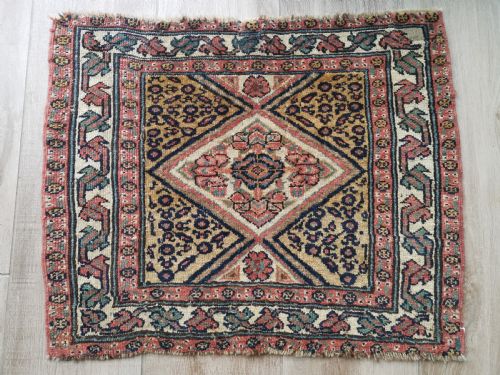
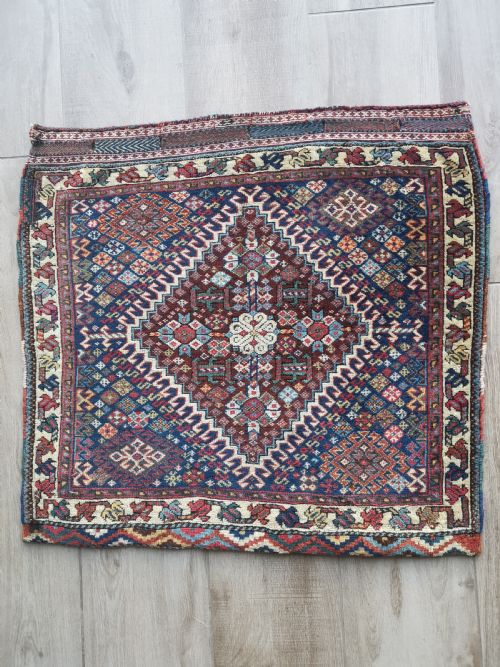
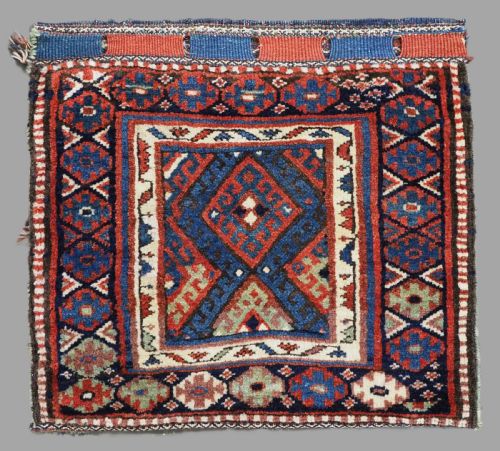
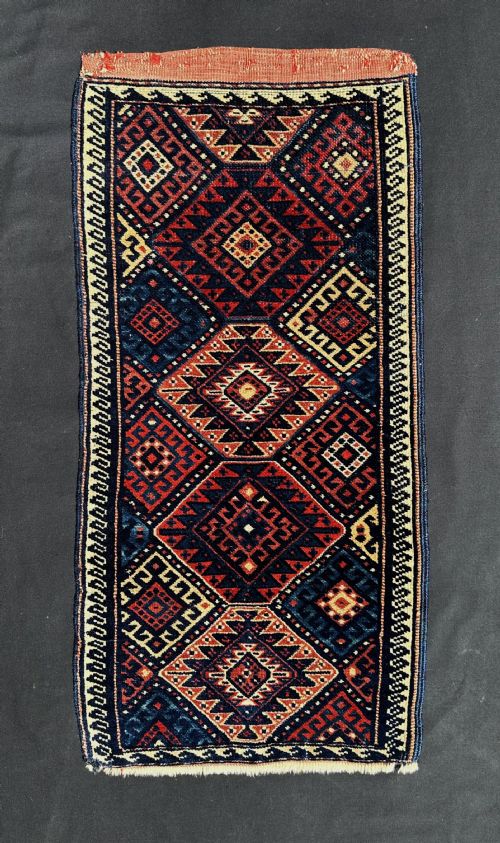
A red woven cushion on this page originates from nineteenth and early twentieth-century tribal textiles, specifically repurposed saddlebags, storage sacks, and grain bags. These pieces stem from nomadic and village groups across Persia, Central Asia, and Anatolia, including Turkmen, Qashqai, Kurdish, and Baluch tribes.
The most common forms you will encounter are bag faces and half-saddlebags that have been carefully converted into pillows and cushions. Makers often retained original flatweave backs or paired the decorated tribal panels with complementary plain weave wool and cotton to create functional home furnishings.
Rather than being manufactured as cushions originally, these textiles served utilitarian nomad roles such as carrying provisions or storing household belongings. Their conversion preserves centuries-old tribal weaving traditions while adapting them for modern interiors.
Materials and construction methods
The primary material found across these pieces is wool, often hand-spun and combined with goat hair for structural durability in nomadic utility bags. Natural dyes and vegetable colours provide the distinctive red palettes, ranging from deep madder tones to rich terracotta hues.
Weaving techniques rely on traditional tribal methods such as pile knotting and flatweave construction, including tapestry weave and banded weft work. These dense textile structures were originally designed to withstand the rigorous daily demands of tribal migration and livestock transport.
Nomads originally packed grain and bedding into these very bags before they found a second life guarding your sofa.
What distinguishes exceptional pieces
Quality in these tribal textiles rests upon the fineness of the wool preparation, the clarity and depth of the natural dyes, and the tightness of the knotting or weave. Superior examples display precise tribal motifs, such as distinct guls or boteh patterns, executed with high structural integrity.
The overall preservation of the original textile face and the sensitivity of the conversion into a cushion heavily influence the piece. Strong survival of original tassels, complete bag dimensions, and sound structural backs separate finer nomadic artefacts from simpler utilitarian remnants.
The Red Woven Cushion Glossary
- Bagface
- The decorated front panel of a nomad storage sack or saddlebag. This primary decorative surface is the part most frequently converted into a modern cushion.
- Chuval
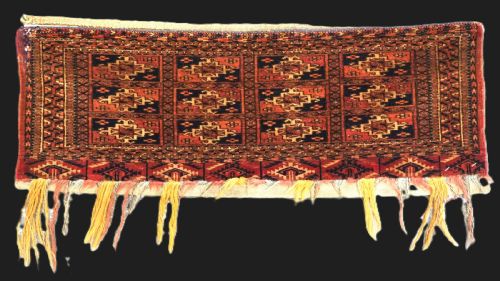
- A large Turkmen tent storage bag used traditionally for bedding and household goods. These rectangular utility pieces form the basis of many large decorative cushions.
- Torba
- A smaller storage bag made by Turkmen and other nomadic groups, traditionally hung inside a yurt. Their compact proportions lend themselves particularly well to cushion conversion.
- Gul
- A repeating, octagonal medallion motif used extensively in Turkmen tribal weaving. Each distinct pattern often identifies the specific clan or tribe that made the textile.
- Flatweave
- A textile constructed without pile by interlacing warp and weft threads together. Examples include kilims and plain weave backs found on nomadic storage bags.
Red Woven Cushion: Frequently Asked Questions
What is a red woven cushion made from?
These cushions are constructed from genuine antique tribal textiles, utilising hand-spun wool, cotton, and occasional goat hair. The rich red tones are achieved through traditional natural and vegetable dyes.
Most pieces originate from nineteenth and early twentieth-century nomadic storage bags, saddlebags, and grain sacks created by tribal groups across Persia and Central Asia.
How do I care for an antique textile cushion?
Gentle treatment preserves the natural wool fibres and vegetable dyes of these historic tribal pieces. Vacuuming with a low suction setting helps remove surface dust without disturbing the weave.
Professional specialist cleaning is recommended for any deeper maintenance to protect the antique structure and prevent dye bleeding in the hand-spun wool.
Which tribes made these woven bags?
The textiles come from a diverse range of nomadic and village confederations, including various Turkmen tribes such as the Tekke, Yomut, Saryk, and Ersari. Other notable groups include Qashqai, Kurdish, Baluch, Afshar, and Shahsevan weavers.
Each group utilised distinct regional designs, geometric motifs, and specific colour palettes that help identify their geographic origin.