

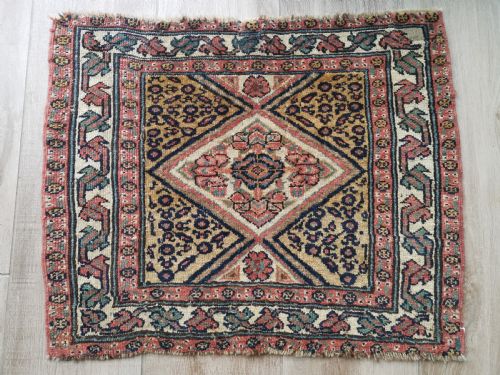
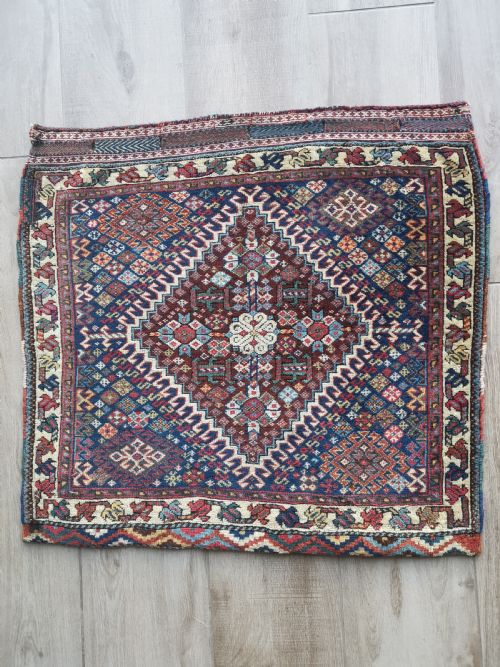

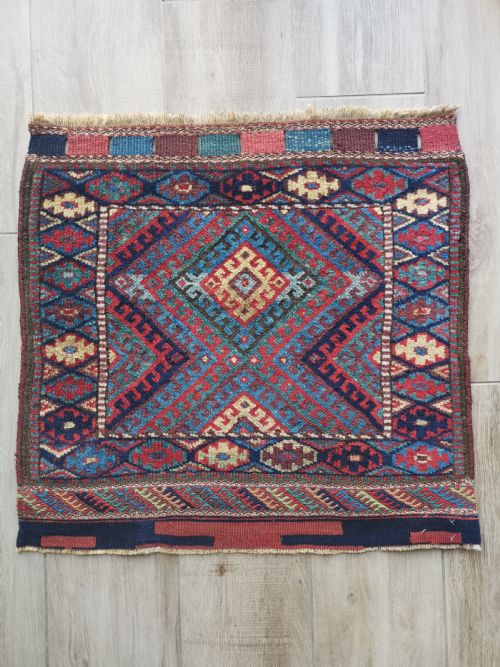

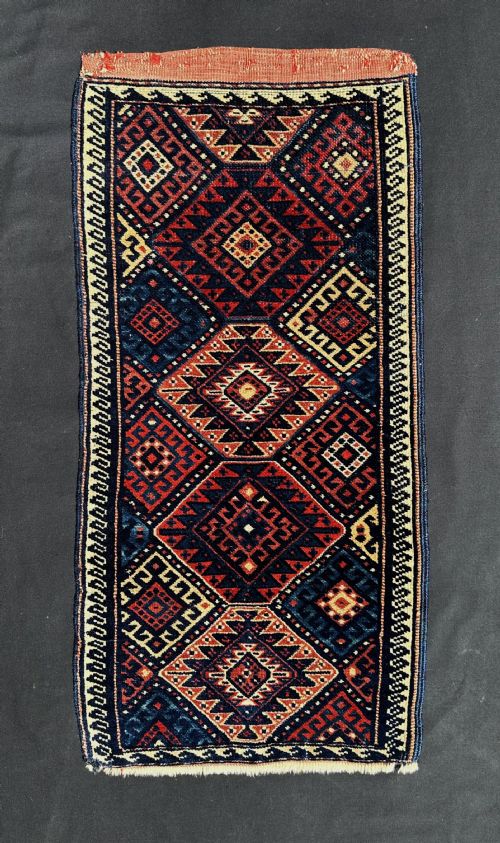


Red Wool Rug Fragment
A red wool rug fragment brings the rich texture and tribal heritage of nomadic weaving into a modern interior.
Red Wool Rug Fragment
A red wool rug fragment represents surviving portions of larger nomadic weavings, including bag faces, torbas, and chuvals made by tribal groups across Persia, Central Asia, and the Caucasus. These pieces originate primarily from the eighteenth and nineteenth centuries, reflecting traditional domestic and utilitarian items produced by weavers such as the Yomut, Tekke, Ersari, and Qashqai tribes.
The items found here include sections of saddle bags, tent bands, and personal pouches that have survived through generations due to the durability of their materials. Buyers searching for a red wool rug fragment will encounter smaller format remnants rather than complete room-size carpets, retaining the intricate geometric guls and tribal motifs characteristic of their original makers.
Materials and Hand-Spun Construction
The foundation of these textiles relies on hand-spun wool, cotton, and occasionally linen or silk, worked into dense pile or flatweave structures. Natural and vegetable dyes provide the deep red colour dominant in the pieces, working alongside contrasting ivory and dark wool tones.
Weavers utilised traditional knotting and weaving techniques suited to portable looms, resulting in fine structures capable of enduring decades of nomadic daily life. The integration of wool pile on sturdy cotton or wool foundations created resilient surfaces that aged gracefully as fragments.
The collection includes work from Persian, Turkmen, Caucasian, and Central Asian nomadic groups.
Evaluating Weave Density and Colour
Quality in these fragments is determined by the fineness of the weave, the clarity of the tribal drawing, and the vibrancy of the natural dyes. Tighter knot counts and precise geometric execution separate standard utilitarian pieces from exceptional examples of tribal art.
The preservation of the original field design and the condition of the remaining wool pile heavily influence the overall integrity of the fragment. Superior examples display balanced proportions within the surviving motifs and harmonious colour saturation across the red ground.
The Red Wool Rug Fragment Glossary
- Gul
- A primary medallion or repeating octagonal motif used extensively in Turkmen and Central Asian carpet designs. These tribal emblems often identify the specific clan or subtribe that produced the weaving.
- Torba
- A small storage bag or hanging sack produced by nomadic tribes for domestic use inside a yurt or tent. Surviving examples frequently appear as fragment faces cut from the original larger container.
- Chuval
- A large tent bag used for storing household goods during nomadic migrations. They are distinguished by rows of major guls across a rich red field.
- Sumac
- A flatweave technique involving wrapping supplementary weft threads around the warp to create a textured, durable surface. This method offers structural strength without a traditional wool pile.
- Bagface
- The decorative front panel of a utilitarian nomadic container, separated from its plain back after heavy wear or damage. These panels preserve the primary design work intended for display.
Red Wool Rug Fragment: Frequently Asked Questions
What is a red wool rug fragment?
A red wool rug fragment is a surviving portion of an antique nomadic textile, such as a tribal bag face, saddle bag, or larger carpet remnant. These pieces retain the original wool pile, natural dyes, and geometric motifs of the complete weaving.
Such items allow collectors to appreciate authentic tribal craftsmanship on a smaller scale, suitable for display as textile art or mounting on a wall.
How were these tribal fragments used originally?
Nomadic groups utilised these woven pieces as functional household items for storage, bedding transport, and tent decoration. Bags like torbas and chuvals held personal belongings, clothing, and domestic goods inside portable dwellings.
Over time, as the edges or backs wore out, the decorative faces were salvaged and preserved for their artistic and cultural value.
How do I care for an antique wool fragment?
Protect the textile from direct sunlight to prevent natural dye fading, and vacuum gently with a low-suction attachment without a rotating brush bar. Professional textile conservators should handle any deep cleaning.
For wall mounting, use a non-damaging support system such as cotton Velcro or a custom archival sleeve to distribute the weight evenly across the wool foundation.
How can I tell which tribe made a fragment?
Tribal attribution relies on specific design elements, such as the shape of the guls, border arrangements, and the specific palette of natural red and ivory dyes. For instance, Tekke and Yomut pieces feature distinct octagonal medallions and structural traits unique to their respective Central Asian regions.
Examining the weave density and foundation materials further clarifies whether a piece originates from Persian tribal groups or Caucasian weavers.