

Nomadic Central Asian Rug
When choosing a nomadic central asian rug, you are selecting a piece of tribal heritage woven for utility, ceremony, and daily life across the steppes.
Nomadic Central Asian Rug
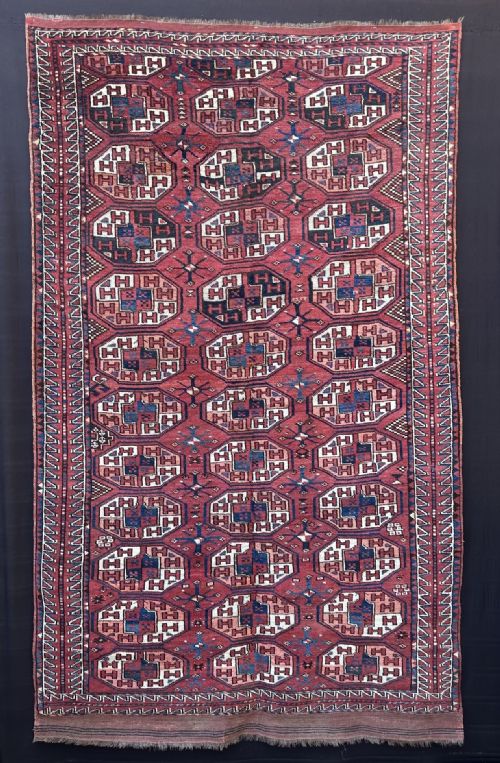
A nomadic central asian rug encompasses a rich variety of tribal textiles, from utilitarian saddle covers and tent bags to ceremonial hangings and wedding rugs originating from regions such as Turkmenistan and Uzbekistan. These pieces were produced by distinct tribal groups including the Yomut, Teke, Ersari, Saryk, and Lakai, reflecting the specific nomadic cultures of the nineteenth and early twentieth centuries.
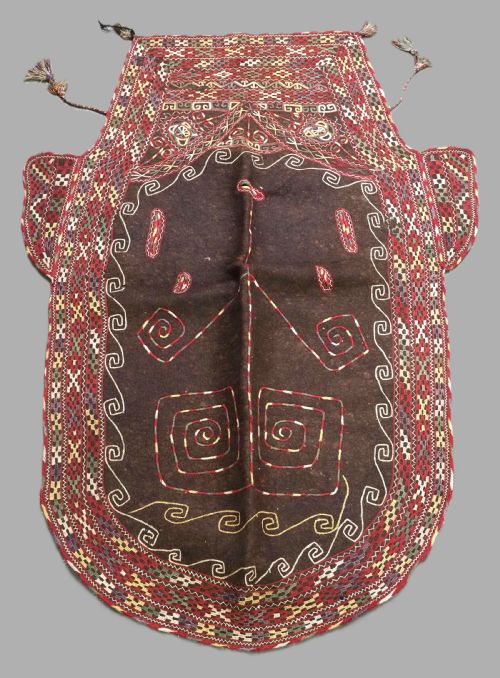
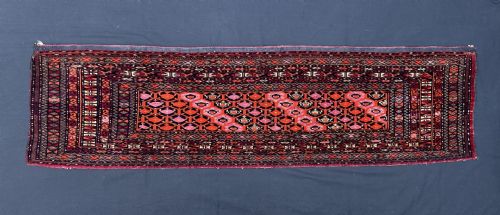
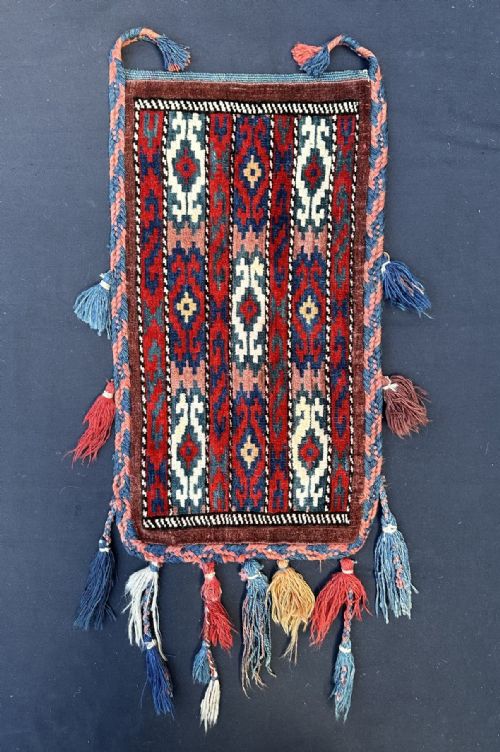
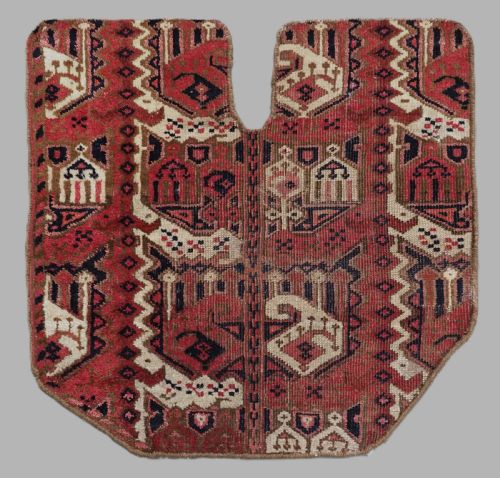
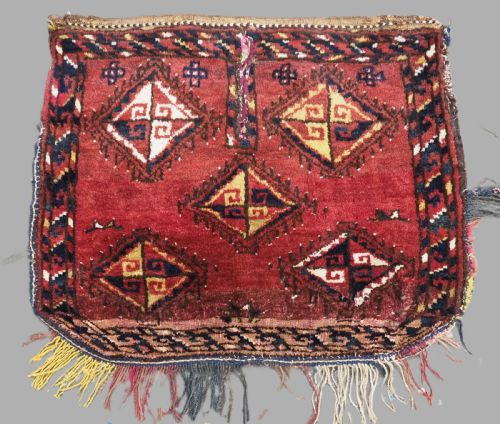
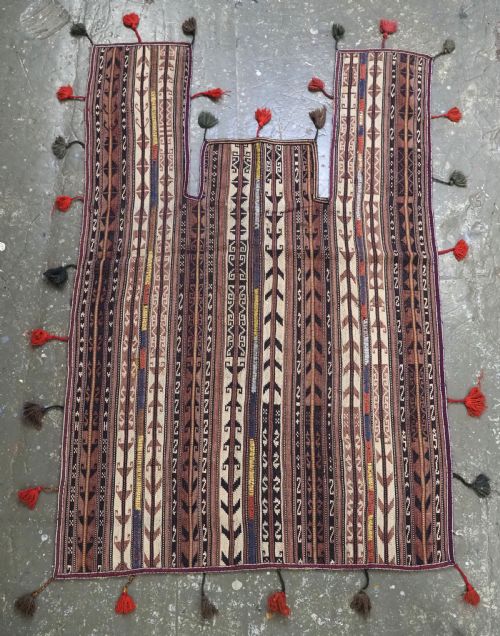
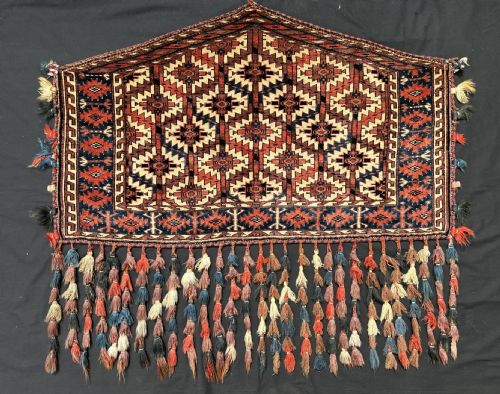
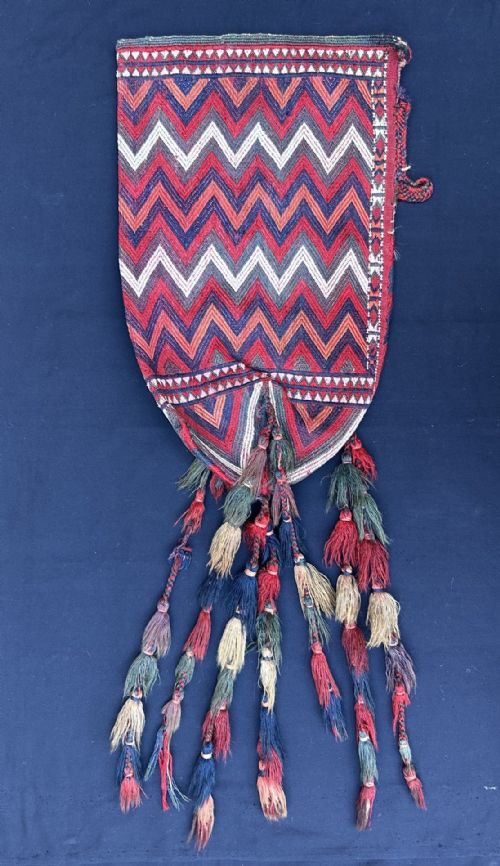
Buyers will encounter multiple functional forms on this page, notably chuvals, torbas, and asmalyks, which served practical purposes within yurt dwellings or during migration. Rather than standard floor coverings, many surviving examples function as wall hangings, storage bags, or horse blankets decorated with traditional motifs.
Dating primarily from the mid-nineteenth century to the early twentieth century, these textiles demonstrate the enduring traditions of pastoral communities. The selection ranges from flatwoven utility bags to finely knotted pile rugs and embroidered felt panels.
How They Were Made
Weavers relied principally on locally sourced wool for pile and foundation yarns, often supplemented by cotton for structural integrity and silk for decorative highlights in embroidery. Felt and felted wool also served as substantial base materials, particularly for blankets and wall panels requiring insulation against steppe climates.
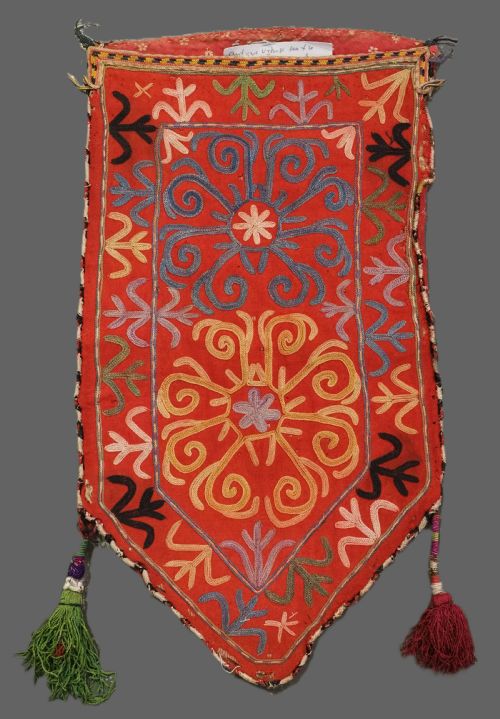
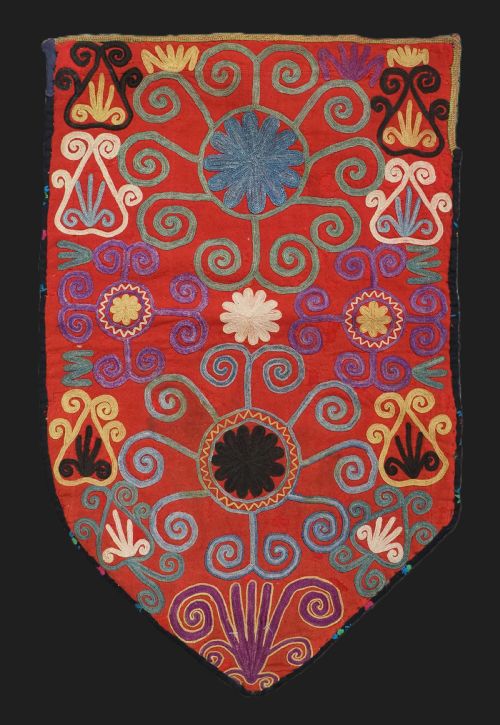
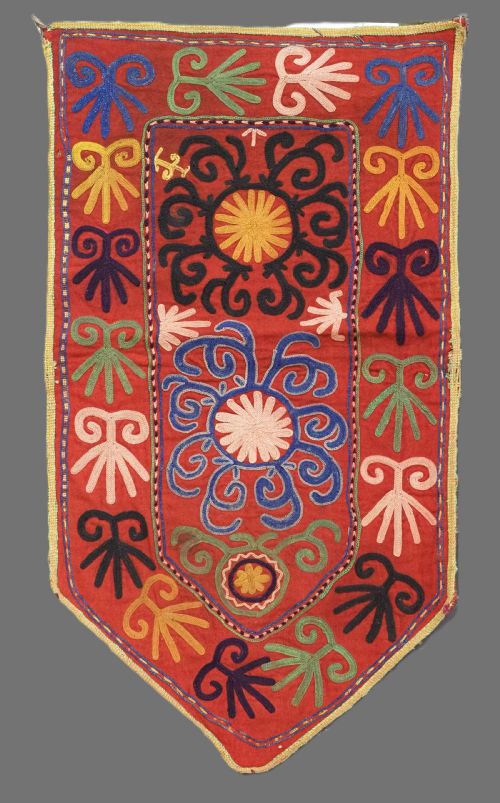
Natural dyes imparted the characteristic palette found across these textiles, working in tandem with meticulous hand-knotting, flatweaving, and detailed needlework. Artisans utilised silk and cotton thread to execute precise geometric embroidery, particularly evident in the dynamic compositions of Lakai dowry pieces.
The listings span from 1850 to 1920, incorporating materials such as natural dyes, silk, felt, and wool across diverse tribal forms.
What Varies in Quality
The density and fineness of the weave fundamentally separate standard utility items from masterwork examples, reflecting the weaver's skill and the time invested in production. A tighter knot count or more intricate embroidery work generally indicates a higher tier of craftsmanship.
The vibrancy and condition of natural dyes, alongside the survival of original structural elements like plain-weave backs, tassels, and applied fringes, heavily influence the standing of a piece. Well-preserved tribal textiles that retain their structural integrity and original decorative components demonstrate superior historical and aesthetic value.
The Nomadic Central Asian Rug Glossary
- Gul
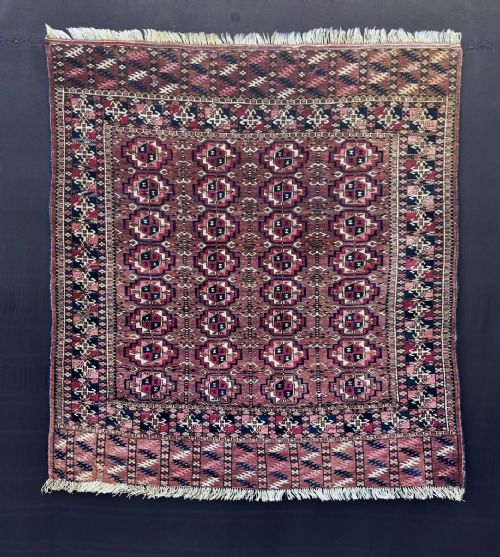
- A primary repeating medallion or octagonal design motif characteristic of Turkmen tribal weaving. Different tribes utilised distinct gul patterns to signify identity and heritage.
- Torba
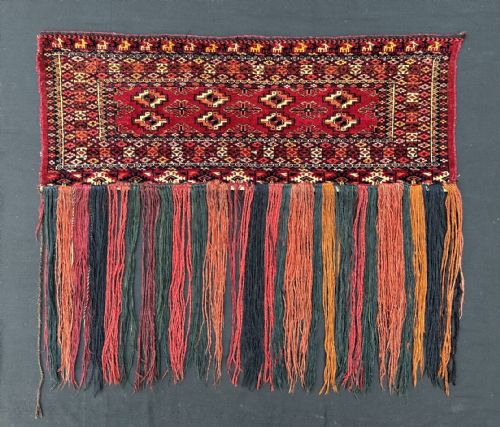
- A small storage bag or torba face traditionally used within a yurt for household organisation. These rectangular pieces frequently display intricate field designs.
- Chuval
- A large tent bag used for storing bedding and possessions during nomadic migration. Surviving examples often appear as front panels trimmed from the original backing.
- Asmalyk
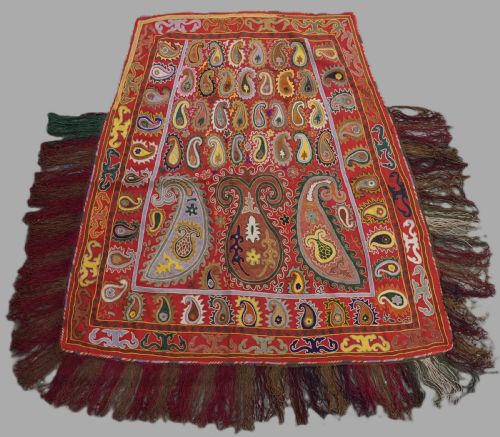
- A large, pentagonal or polygon-shaped trapping used to decorate camel flanks during wedding processions. These ceremonial objects are highly regarded by collectors.
- Ilgich
- An embroidered dowry hanging produced by the Lakai tribe of Uzbekistan. They are characterised by lively, curved geometric motifs executed in vibrant silk thread on a wool or cotton ground.
Nomadic Central Asian Rug: Frequently Asked Questions
What is a nomad tent bag used for?
Nomadic groups utilised tent bags like chuvals and torbas for storing household goods, clothing, and bedding inside portable yurt dwellings. Their structured formats kept belongings organised during seasonal migrations across the steppes.
Over time, many of these functional textile faces were preserved as decorative wall hangings or collector items due to their intricate tribal patterns.
How do I identify different Turkmen tribes?
Tribal attribution relies heavily on the specific repeating medallion designs, known as guls, as well as the border ornaments and colour palettes unique to each group. Yomut, Teke, Ersari, and Saryk weavers each employed characteristic structural formats and wool qualities.
Examining the secondary colours and weave structure provides further clues regarding whether a piece originated from the Merv Oasis or the Trans-Caspian steppes.
What is a Lakai embroidery?
Lakai embroideries originate from Uzbek tribal groups and are distinguished by energetic, curvilinear motifs worked in lustrous silk thread. These pieces were typically created as dowry items, such as uut kap ilgich wall hangings.
The dynamic use of colour and asymmetric design sets Lakai needlework apart from the structured, geometric pile carpets of their Turkmen neighbours.