

Central Asian Woven Carpet
When you search for a central asian woven carpet, you explore nomadic and tribal textile traditions spanning the nineteenth and early twentieth centuries.
Central Asian Woven Carpet
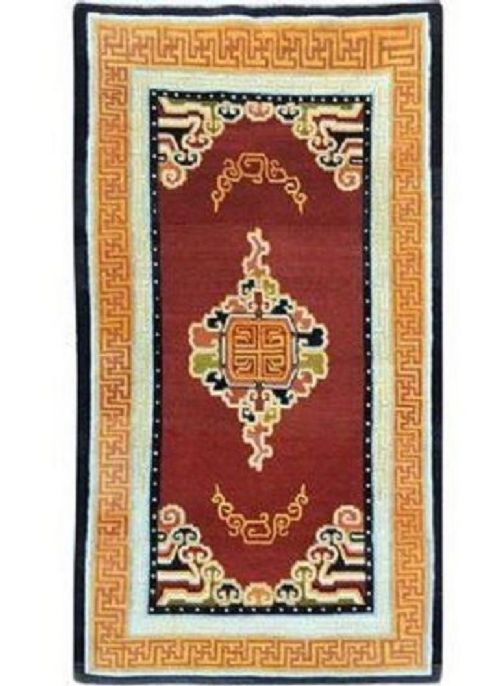
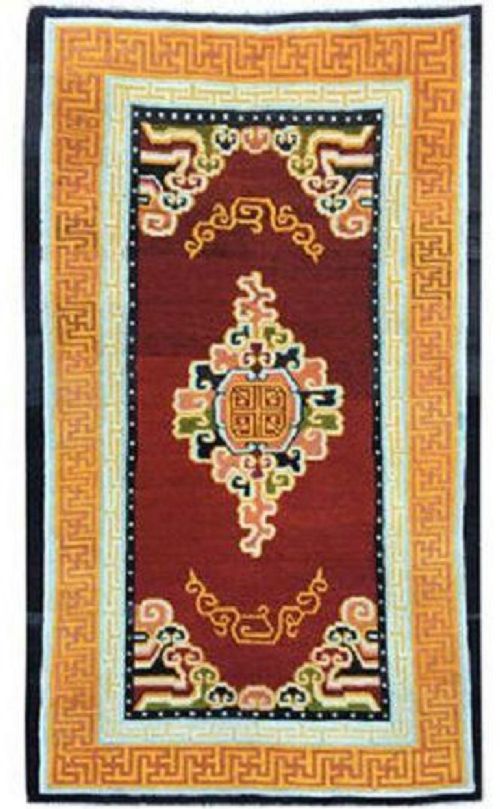
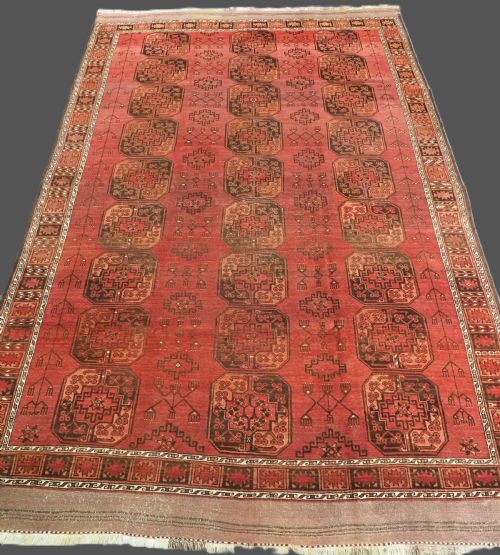
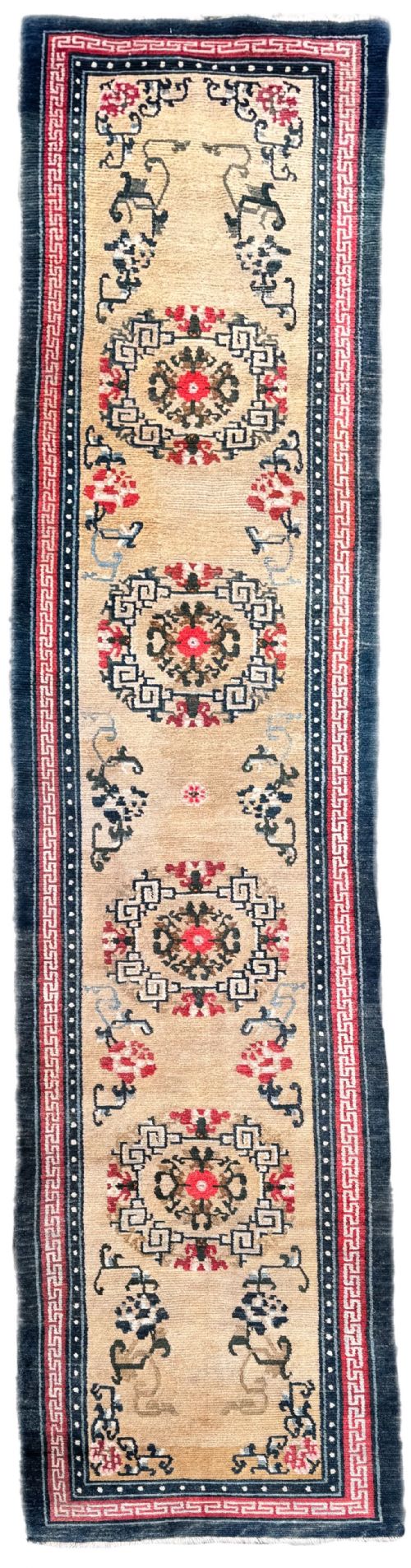
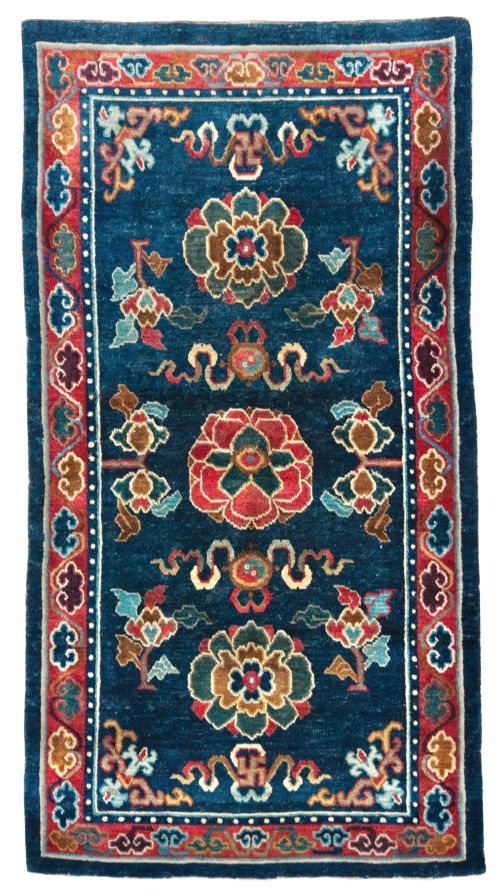
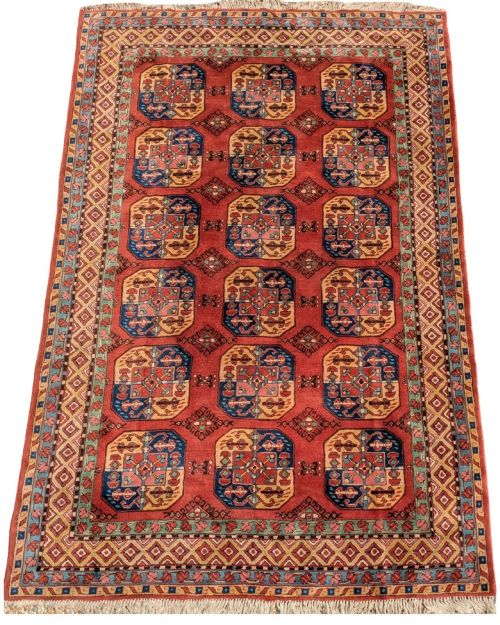
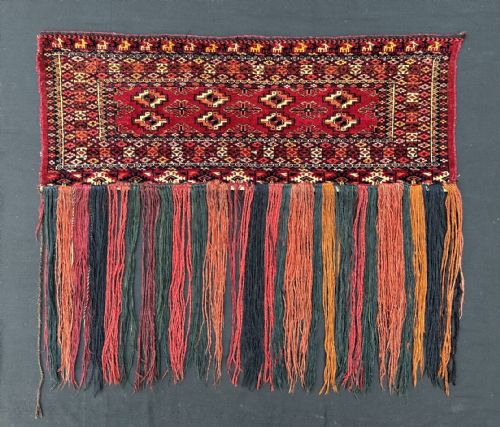
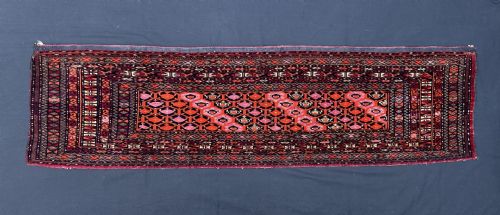
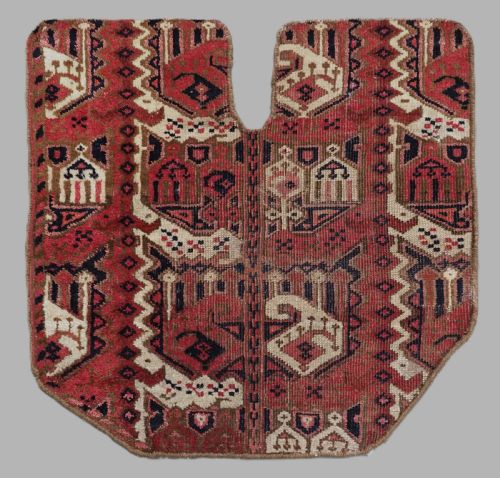
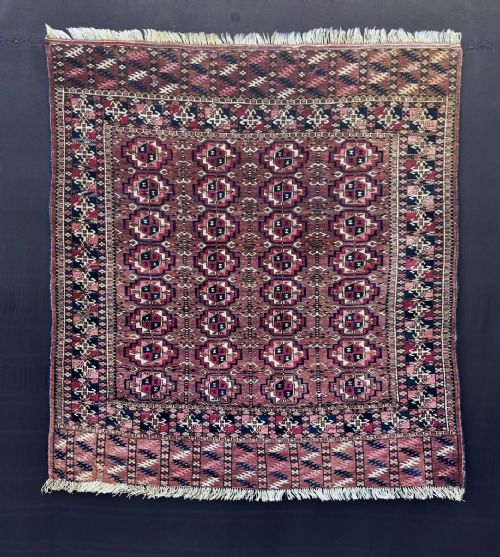
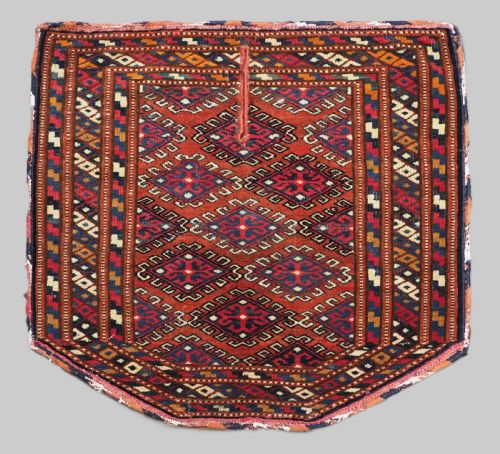
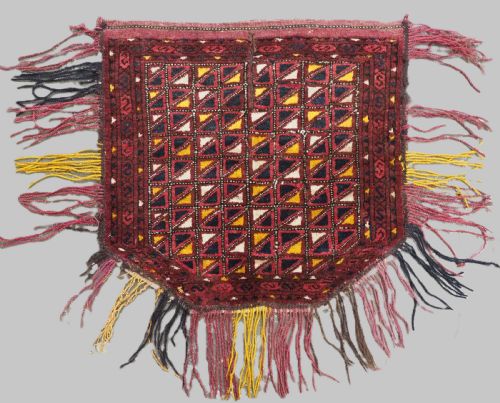
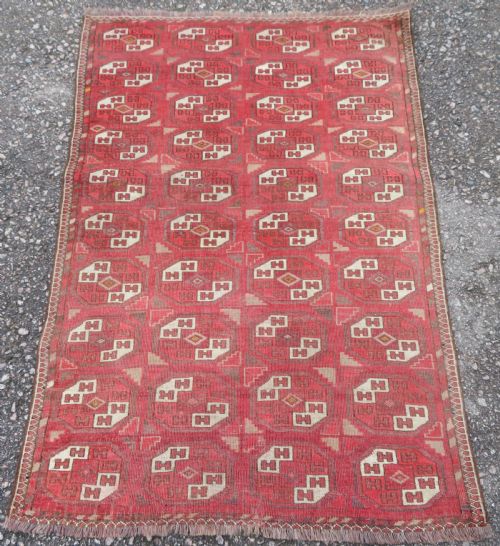
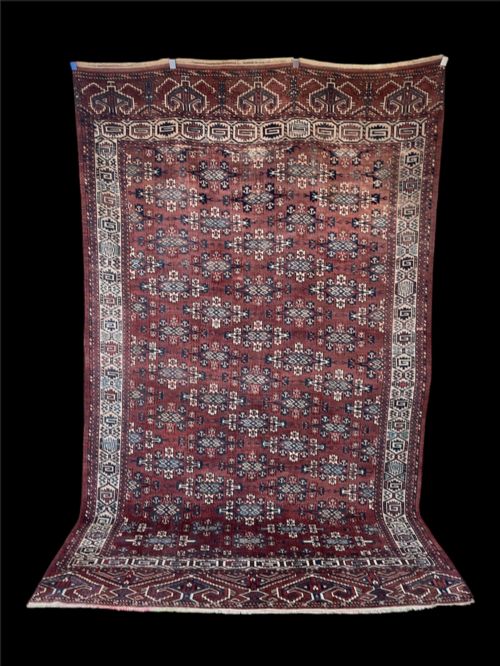
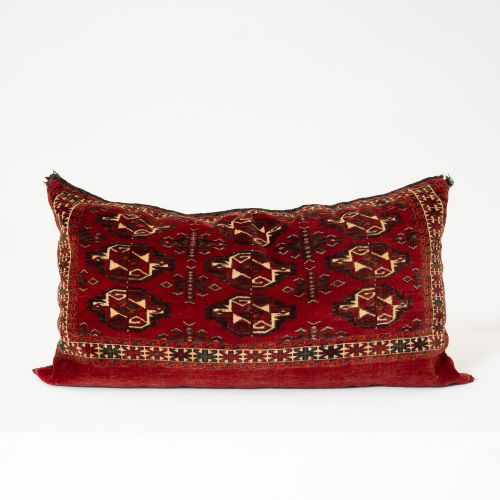
A central asian woven carpet encompasses floor coverings, tent door rugs, saddle covers, and dowry hangings originating from tribal groups across the region. The selections on this page are dominated by Turkmen tribal weaving, including pieces from the Tekke, Ersari, Yomut, and Saryk tribes, alongside Tibetan examples.
These textiles served practical and ceremonial functions within nomadic and settled communities, often forming part of a bride's dowry or furnishing yurt interiors. The formats range from large main carpets down to smaller bags, torbas, and chuvals utilised for storage and decoration.
How they were made
Weavers relied primarily on wool and hand-spun wool, sometimes incorporating cotton foundations or silk highlights for structural contrast and detail. Natural dyes provided the deep reds, ivories, and secondary tones characteristic of the period.
The construction relies on sturdy knotting techniques suited to nomadic life, producing dense piles alongside flatwoven sections on utilitarian pieces like torbas and mafra</i>sh faces.
The listings span eight distinct decades of production from the mid nineteenth century through to the early twentieth century.
What varies in quality
The fineness of the weave and the complexity of the gul designs separate standard utility pieces from exceptional tribal examples. Greater knot density allows for sharper definition in geometric motifs and secondary ornaments.
The vibrancy and depth of the natural dyes, alongside the survival of original tassels or plain weave backs, heavily influence the overall character and integrity of a surviving textile.
The Central Asian Woven Carpet Glossary
- Gul
- The primary repeating geometric medallion found across Turkmen carpets and bag faces. These motifs often identify the specific tribe or subtribe responsible for the weaving.
- Torba
- A small storage bag utilised within nomadic tents for household possessions. These faces are frequently preserved independently after the utilitarian backing has worn away.
- Chuval
- A large tent storage bag traditionally used for bedding and clothes. They display elaborate gul patterns arranged across the main field.
- Engsi
- A tribal rug designed specifically to hang as a door flap at the entrance of a yurt. They typically feature a quartered cruciform design separating distinct field panels.
- Asmalyk
- A pentagonal trapping hung on the flank of a camel during wedding processions. These pieces showcase some of the most elaborate design work within tribal repertoires.
Central Asian Woven Carpet: Frequently Asked Questions
How were central asian carpets used in nomadic daily life?
Nomadic families utilised these woven pieces for practical storage, tent decoration, and floor insulation within portable dwellings. They formed an essential part of daily life, doubling as functional containers and portable wealth.
Wedding trappings and dowry rugs additionally marked significant life events, serving ceremonial roles before eventually entering domestic use inside the yurt or tent.
How can I tell different tribal designs apart?
Tribal attribution relies heavily on the specific shape and arrangement of the repeating gul medallions across the field. Tekke, Ersari, Yomut, and Saryk weavers each employed distinct structural palettes and secondary ornamentation.
Examining the border configurations and minor guls further clarifies which regional group or oasis produced the textile.
Where should I place a tribal carpet in my home?
Smaller formats such as torbas, saddle covers, and bag faces suit wall display or placement on smaller tables and benches. Main carpets and runners fit comfortably in hallways, studies, or low-traffic living areas where their patterns remain visible.
Keeping them away from direct sunlight protects the natural dyes from fading over time.
What maintenance do these antique wool textiles require?
Regular gentle vacuuming without a beater bar prevents dust accumulation within the wool pile. Professional cleaning by specialists in antique textiles is recommended when deep maintenance becomes necessary.
Ensuring proper ventilation beneath larger floor coverings prevents moisture retention in the wool and cotton foundations.