




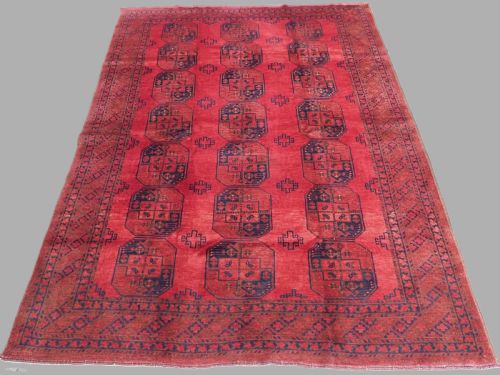
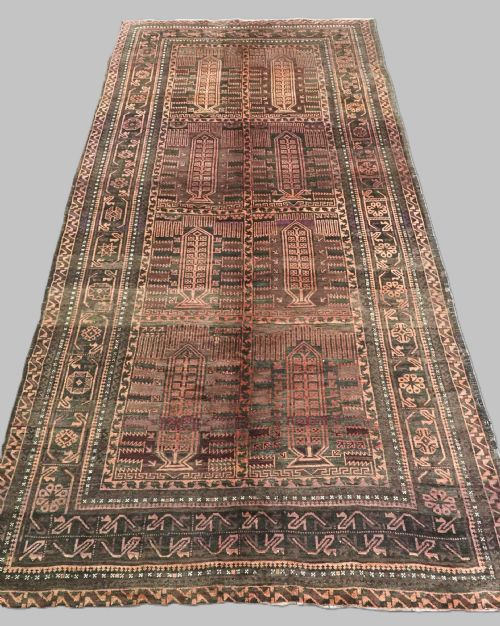
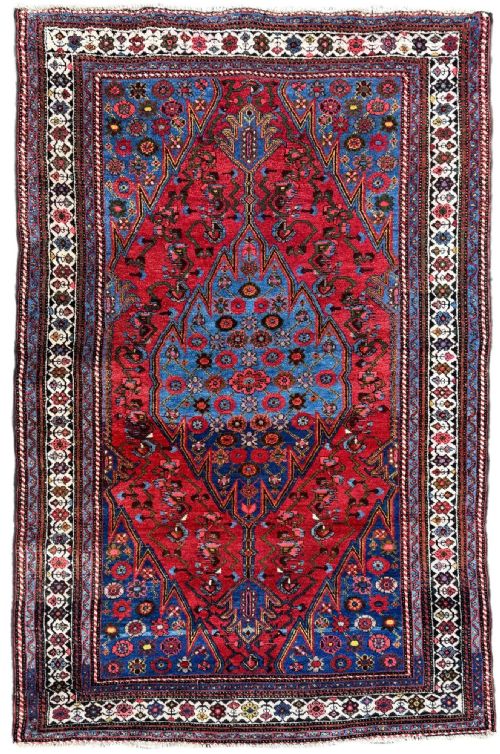
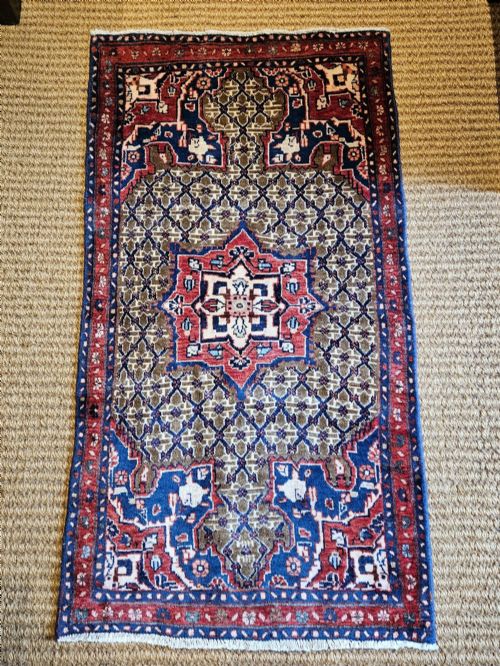
Red Tribal Floor Rug
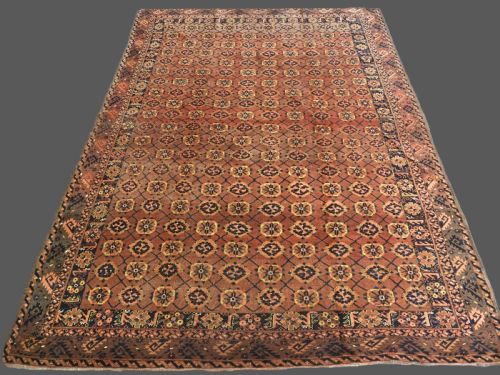
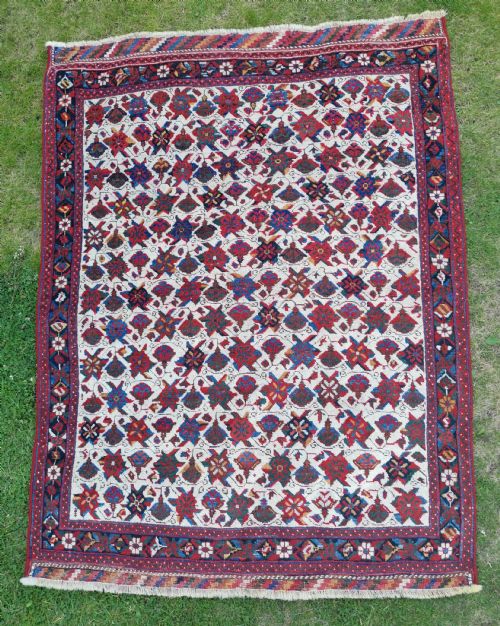
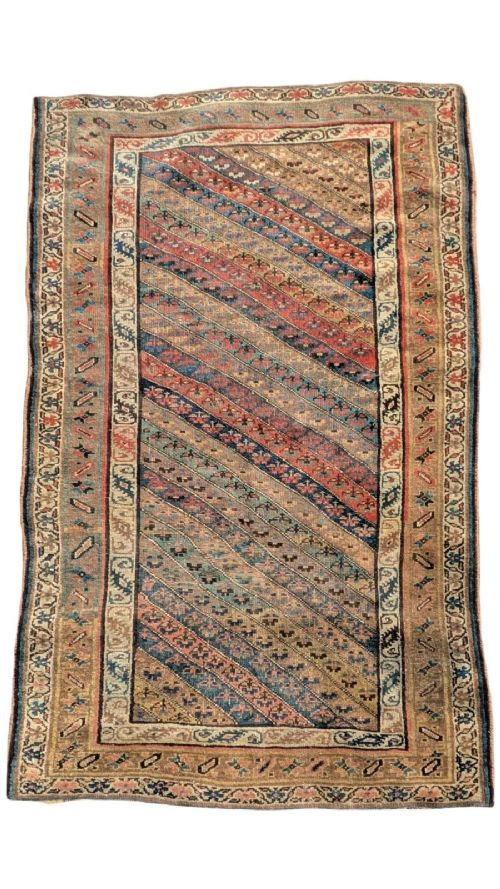
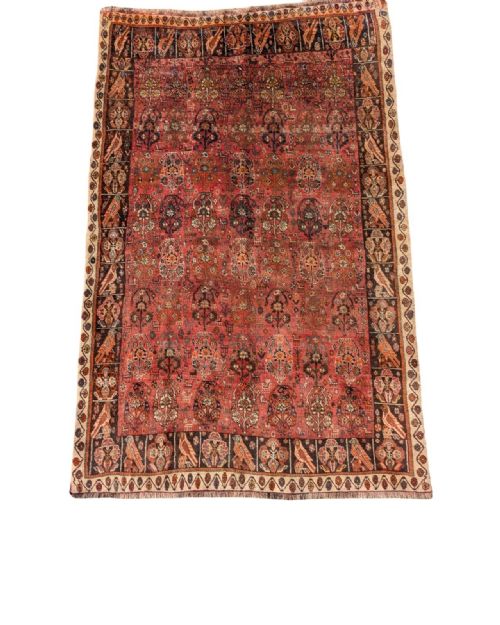
A red tribal floor rug brings distinct character and rich history to a room through traditional hand-knotted patterns.
Red Tribal Floor Rug
A red tribal floor rug encompasses hand-knotted carpets and runners produced by nomadic and village weavers across Persia, the Caucasus, and Central Asia. These textiles arrive in various formats, ranging from small hearth-sized mats to large carpets and long hallway runners.
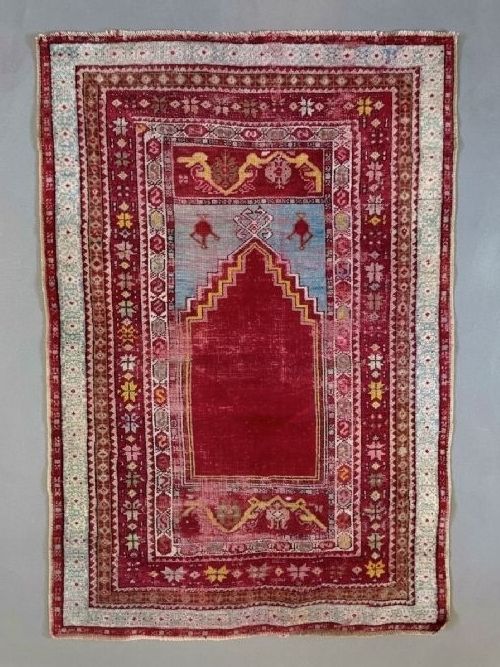
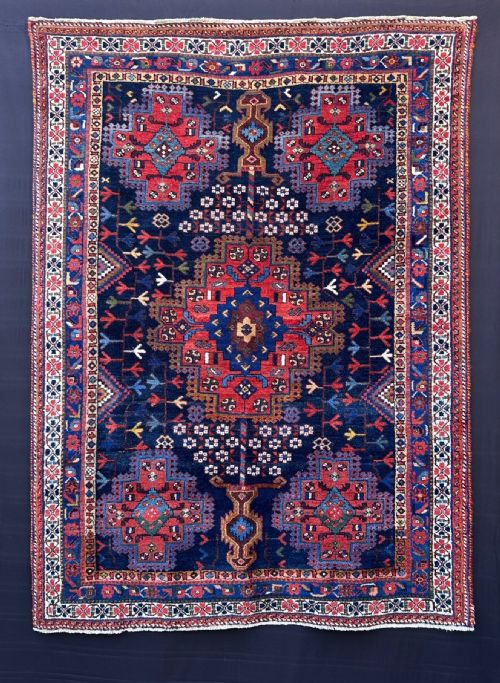
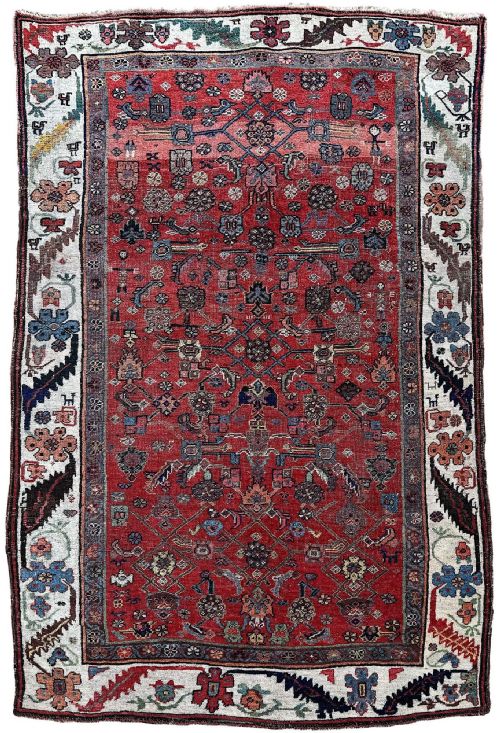
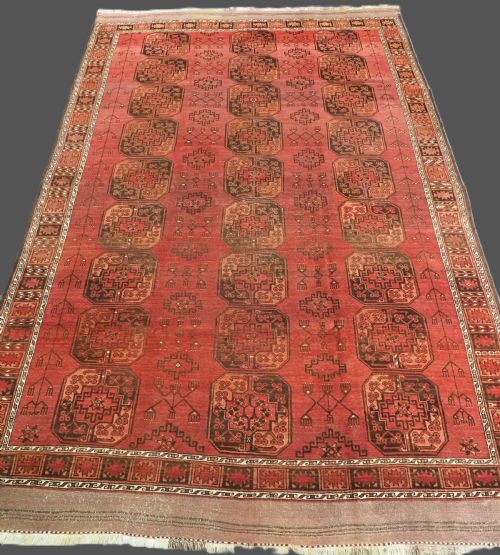
The pieces on this page span the late nineteenth century into the mid-twentieth century, showcasing regional motifs distinct to groups such as the Afshar, Bakhtiar, Qashqai, and Turkmen tribes. Buyers encounter both room-sized carpets and smaller formats suited to specific spaces.
Village and tribal workshops produced these floor coverings for practical domestic use rather than court display, resulting in honest craftsmanship and direct connection to maker traditions.
Materials and construction methods
Makers utilised resilient wool for the pile and foundation structure, sometimes combining it with cotton for warps and wefts to provide dimensional stability. This natural fibre combination ensures durability under regular foot traffic.
Weavers knotted the wool by hand onto upright looms, employing traditional geometric and floral lattice designs passed down through generations. Natural dye stuffs yielded the deep red grounds characteristic of these village and tribal productions.
Listings span production dates from the 1850s through to the 1940s, utilising wool and cotton materials across Persian, Caucasian, and Turkmen styles.
Assessing quality in hand-knotted textiles
Knot density and structural tightness determine the crispness of the geometric motifs and the longevity of the pile. Finer knotting allows intricate patterns to emerge with sharp definition.
The richness and depth of the red dye palette, alongside the balance of secondary colours, separate standard utility pieces from exceptional examples. Original edge finishes and complete borders also influence the overall standing of a rug.
The Red Tribal Floor Rug Glossary
- Pile
- The upright wool fibres forming the usable surface of the rug. This soft layer absorbs wear and displays the woven design.
- Warp
- The vertical threads stretched lengthwise on the loom before knotting begins. These foundational cords support the entire structure.
- Weft
- The horizontal threads passed across the warps between rows of knots. They bind the structure together firmly.
- Prayer rug
- A small format textile featuring a niche or arch design at one end. Weavers historically used these mats for personal daily devotions.
- Runner
- A long, narrow carpet format designed for hallways and corridors. These pieces guide movement through domestic spaces.
Red Tribal Floor Rug: Frequently Asked Questions
How do I clean an antique rug?
Gentle surface brushing and regular light vacuuming without a beater bar remove loose dust effectively. Professional textile cleaning is necessary for deep washing to protect the natural wool and dyes.
Avoid chemical spot treatments or soaking the foundation at home, as moisture can compromise nineteenth-century fibres and historical dyes.
Are these rugs suitable for high traffic areas?
Hand-knotted wool textiles withstand regular foot traffic well due to the inherent resilience of natural animal fibres. Placing a quality underlay beneath the piece prevents slipping and reduces friction against the floor.
Rotating the layout periodically ensures even wear across the surface over decades of daily domestic use.
How do I identify different tribal designs?
Regional aesthetics appear through specific geometric vocabularies, border arrangements, and colour saturations. Afshar and Qashqai pieces often display distinct medallion or all-over formats rooted in southern traditions.
Comparative study of knot structures and regional palettes helps differentiate between Caucasian, Persian, and Turkmen village outputs.
What is a main carpet versus a scatter rug?
Main carpets are larger room-sized floor coverings designed to anchor principal living spaces or reception areas. Scatter rugs and hearth formats are smaller dimensions intended for bedside placement or specific smaller zones.
Both categories utilise identical hand-knotting techniques but serve different architectural scales within traditional homes.