


Red Wool Flatweave
When you handle a red wool flatweave, you hold the utilitarian textile of nomadic and village weavers from Persia, the Caucasus, Anatolia and Central Asia.
Red Wool Flatweave
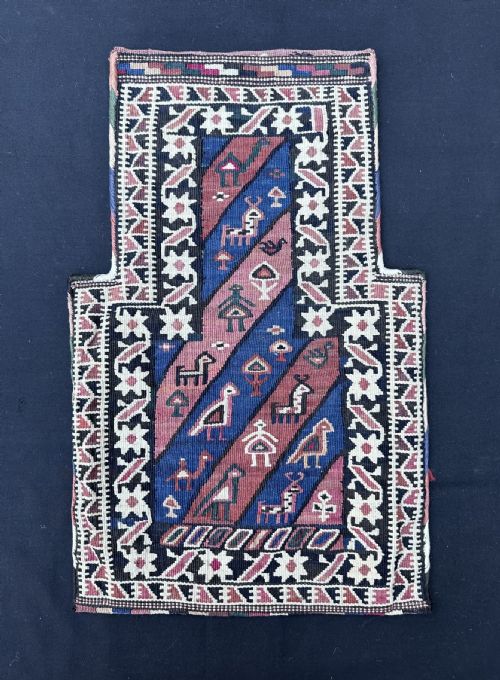
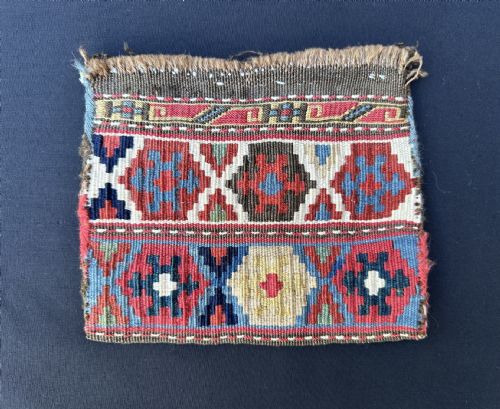
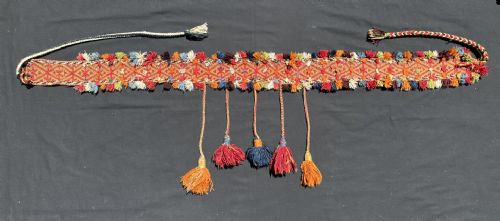
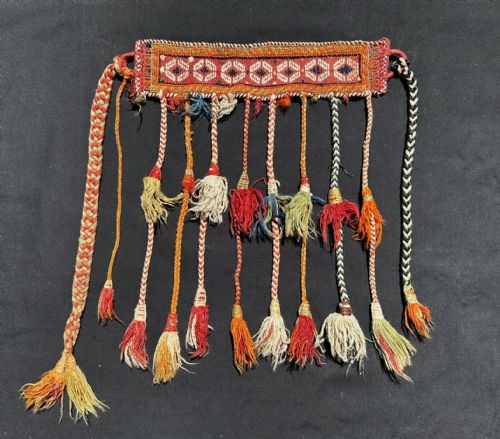
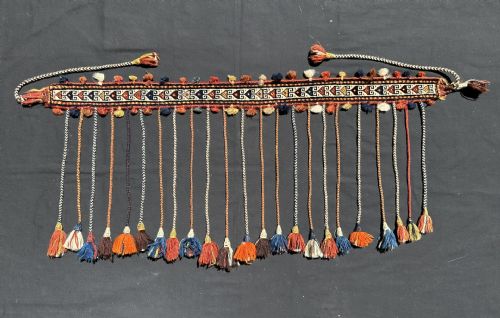
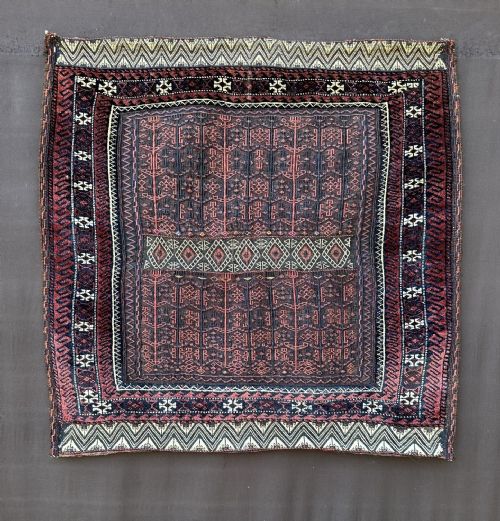
A red wool flatweave encompasses utilitarian tribal items such as kilim rugs, salt-bags, bread sofrehs, animal trappings and storage bags created across the nineteenth and twentieth centuries. These textiles originate from specific regional groups including the Qashqai, Shahsevan, Yomut, Tekke and Bakhtiari tribes.
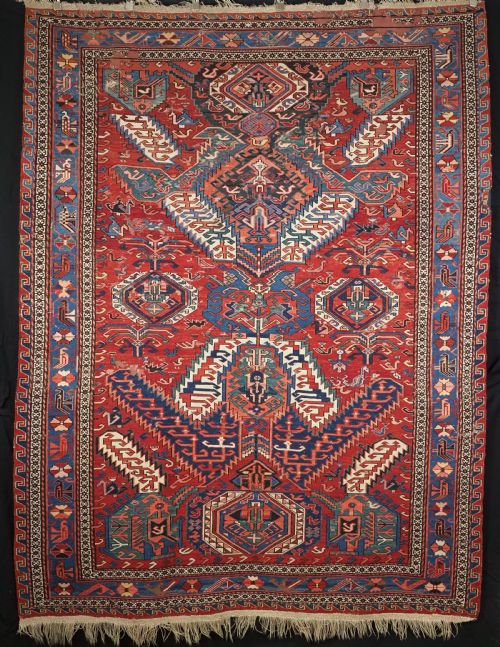
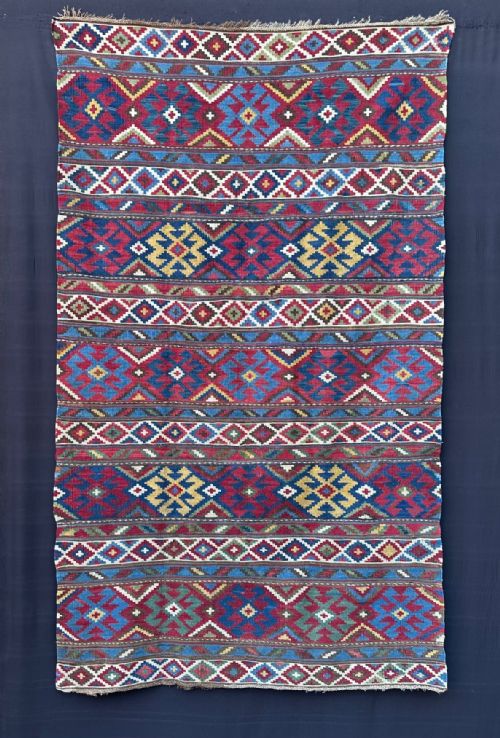
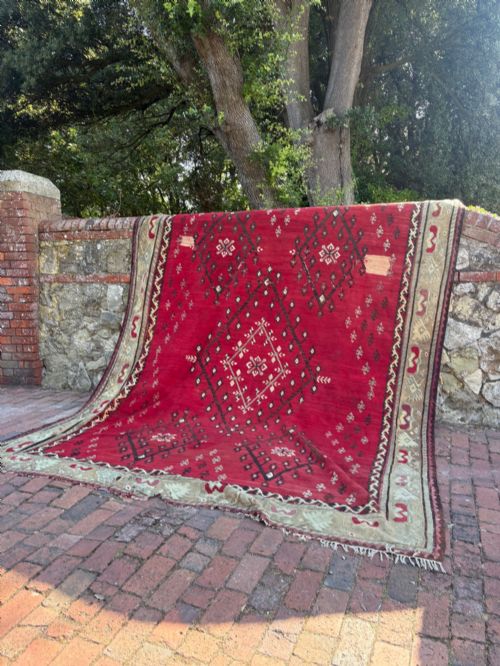
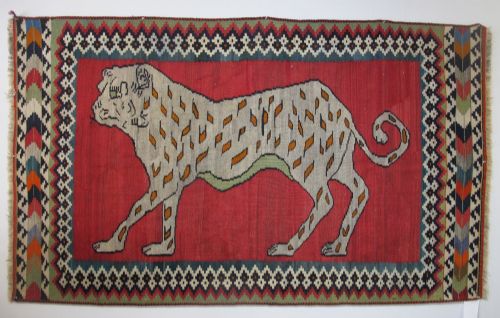
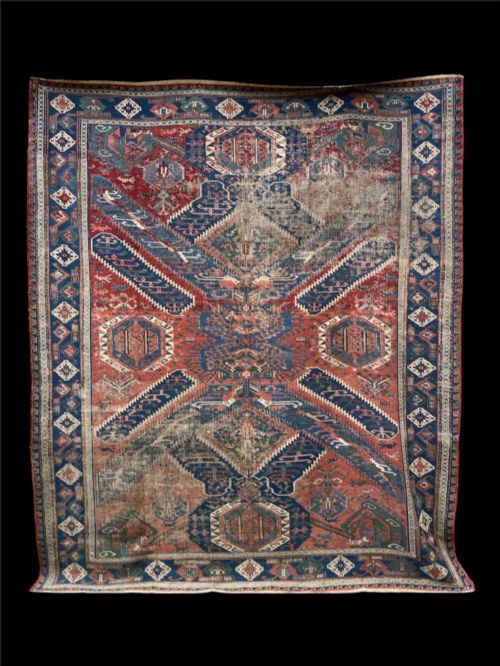
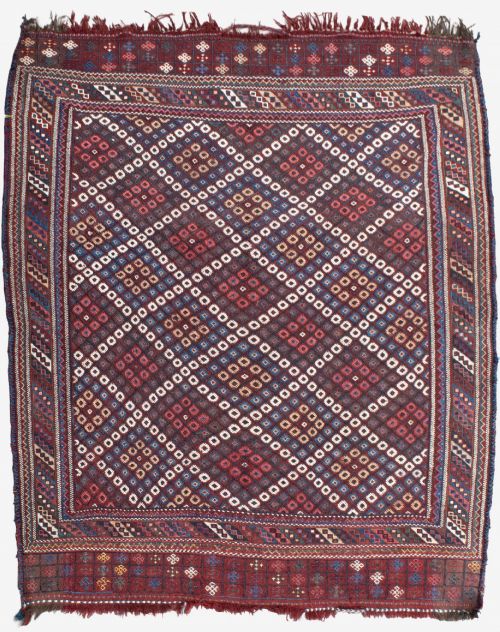
The version most commonly encountered on this page is the tribal rug or flatweave panel rendered in rich madder reds, often featuring geometric medallions, diagonal bands or stark animal motifs. Such pieces served practical functions in nomadic daily life before entering the decorative market.
Items range from large room-sized carpets down to compact personal bags and dining cloths, reflecting the varied domestic needs of pastoral communities. Their enduring appeal lies in the direct translation of tribal iconography into durable floor coverings and wall hangings.
Materials and construction methods
Weavers relied primarily on hand-spun wool and cotton foundation warps, utilising natural dyes derived from local flora and fauna to achieve deep reds and contrasting dark tones. The resulting fabric is untufted, relying instead on interlocking or slit-tapestry weaving techniques to build pattern directly into the structure.
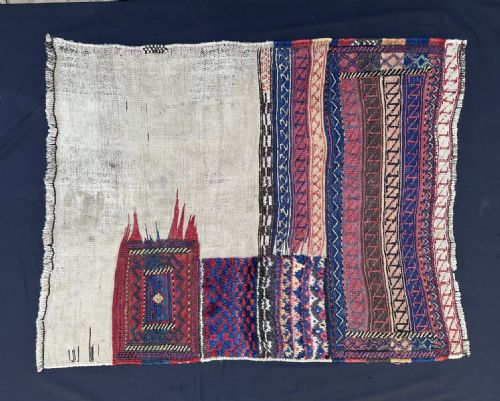
Nomadic workshops produced these flatweaves on portable horizontal looms, which accounts for the narrower panel widths often joined together to form larger carpets or storage containers. The combination of resilient wool and stable natural colorants ensures the survival of crisp graphic lines across decades of use.
Some flatweaves still carry the faint scent of woodsmoke from nomadic tents.
Distinguishing quality in flatweaves
Quality in a red wool flatweave rests upon the tightness of the weave, the clarity of the geometric drawing and the depth of the dye palette. Finer examples display meticulous control over the tapestry slits and precise execution of complex tribal symbols without distortion.
The choice of materials also dictates the standing of a piece, with finer hand-spun wool yielding a tactile handle and subtle abrash in the red fields. Superior condition and the retention of complete original edges or fringes elevate an example above standard utility grades.
The Red Wool Flatweave Glossary
- Kilim
- A flat-weave carpet or rug produced by tightly interweaving warp and weft strands without a pile. These textiles are known for their lightweight versatility and sharp geometric patterns.
- Sofreh
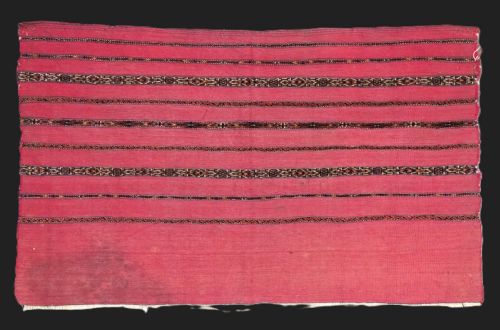
- A spread or cloth used traditionally for dining, kneading bread or general domestic service among nomadic households. They frequently display minimalist field designs flanked by border motifs.
- Mafrash
- A large rectangular storage bag or chest panel used by nomadic tribes for bedding and household possessions during migration. They are typically constructed in sections before being assembled into containers.
- Chuval
- A large face-bag utilised by Turkmen tribes for domestic storage within the yurt. These items often feature characteristic gul motifs arranged in regimented rows.
- Abrash
- Natural tonal variation within a single field of colour caused by changes in dye batches or wool lots over time. This characteristic adds visual depth to traditional tribal textiles.
- Sumak
- A technique of wrapping supplementary weft threads around the warp to produce a textured, durable surface resembling embroidery. It yields a heavier structure than standard slit-tapestry weaving.
Red Wool Flatweave: Frequently Asked Questions
What is a red wool flatweave?
A red wool flatweave is a pileless textile woven by nomadic and village communities in regions such as Persia, the Caucasus and Central Asia.
These pieces include floor rugs, animal trappings, bread cloths and storage bags defined by their red colorways and geometric designs.
How were these tribal textiles used?
Nomadic groups utilised these flatweaves for practical domestic purposes, ranging from floor coverings and tent partitions to receptacles for food and bedding.
Smaller pieces functioned as grain bags or dining cloths, while larger formats served as interior furnishings for tribal dwellings.
How do I care for a flatweave?
Protect your flatweave by using a quality underlay to prevent sliding and vacuuming gently without a rotating brush bar.
Keep the textile out of direct, prolonged sunlight to safeguard the natural dyes from fading over the years.
How can I tell different tribal styles apart?
Distinct tribal styles are identified by their specific regional palettes, structural techniques and characteristic geometric vocabulary.
For instance, Shahsevan and Qashqai pieces display different panel arrangements and border motifs compared to Yomut or Tekke Turkmen flatweaves.