





Afshar Flatweave Rug
An afshar flatweave rug brings authentic Persian tribal character into a room through geometric wool textiles woven by nomadic communities.
Afshar Flatweave Rug
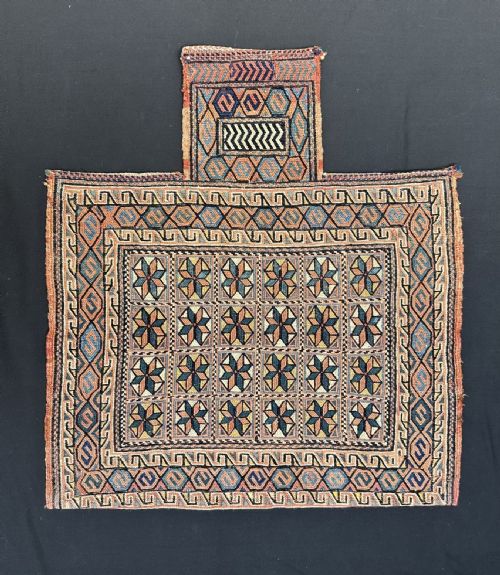
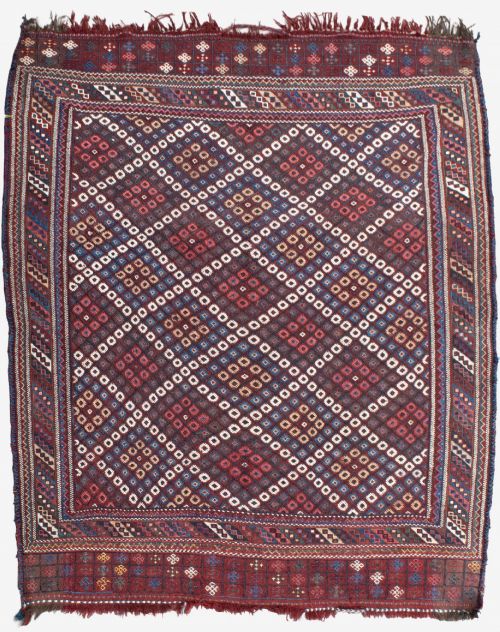
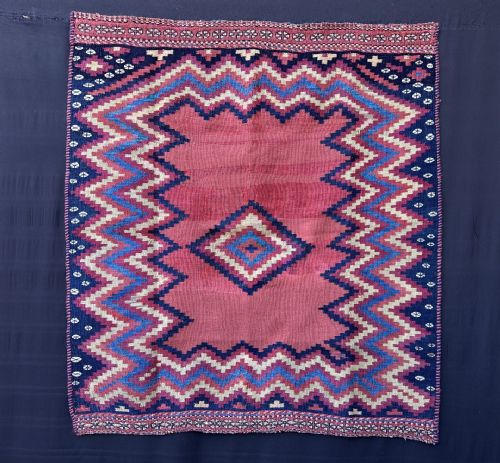
The afshar flatweave rug category encompasses practical nomadic textiles created by the Afshar tribes originating from the Kerman province of South Persia. These pieces include utilitarian items such as bread sofreh, salt bags, saddle bags, and vanity bags alongside flatweave rugs and soumak weaves.
Buyers encounter genuine antique examples dating from the late nineteenth century up to the early twentieth century, specifically spanning the decades around 1880, 1900, 1910, and 1920. The selection ranges from square dining cloths to tribal textile bags complete with plain weave backs.
What varies in quality
Quality differences lie in the fineness of the flatweave or soumak technique and the complexity of the tribal geometric patterns. Tighter structural weaves and well-preserved natural dye palettes distinguish the finer examples.
The degree of completeness, such as retaining original plain weave backs on bags or intact edges on sofreh cloths, influences the standing of individual pieces. Survival of ancillary decorative elements like cowrie shells also marks superior examples.
Nomads occasionally stitched tiny cowrie shells onto their bags, ensuring your salt pouch came with built-in good fortune.
The Afshar Flatweave Rug Glossary
- Sofreh
- A woven spread or cloth used by nomads for dining, food preparation, or bread making. These textiles often feature distinct geometric fields suited to their domestic purpose.
- Soumak
- A flatweave technique involving wrapping weft threads over warp threads in a herringbone or braided pattern. This method creates a thicker, sturdier textile than standard plain weave.
- Plain weave
- A fundamental textile structure where warp and weft threads cross alternately to create a flat surface. It frequently forms the backing or reverse of nomadic bags.
- Cowrie shells
- Marine gastropod shells sewn onto tribal textiles for ornamentation or protective talismanic purposes. They appear on select Afshar pieces as decorative accents.
Afshar Flatweave Rug: Frequently Asked Questions
How were sofreh cloths used?
Sofreh cloths served as eating cloths or bread-making surfaces for nomadic families in South Persia. Placed on the ground, they provided a clean space for dining and food preparation.
After use, these flatweave textiles could be folded or hung on walls for display. Their designs combined practical utility with traditional tribal aesthetics.
How can I tell the period?
Dating relies on examining the structural materials, natural dye characteristics, and regional attribution markers within the weave. Antique pieces typically date from the 1880s through the 1920s.
Specific weaving structures like soumak work and the inclusion of elements such as cowrie shells help contextualise the era of production. Documentation of tribal origins in regions like Bardsir further assists in period identification.
How do I live with them?
These flatweave rugs and textile bags suit placement on floors in low-traffic areas, or mounting as wall hangings to protect the weave. Their slim, pileless profile makes them versatile for interior display.
Proper care involves gentle vacuuming without a beater bar and keeping them away from direct sunlight. This preserves the natural dyes and wool fibres of the antique textiles.