


Red Wood Sculpture
These red wood sculpture pieces span centuries of global carving traditions, offering figurative statues, saints and temple figures carved from solid timber.
Red Wood Sculpture
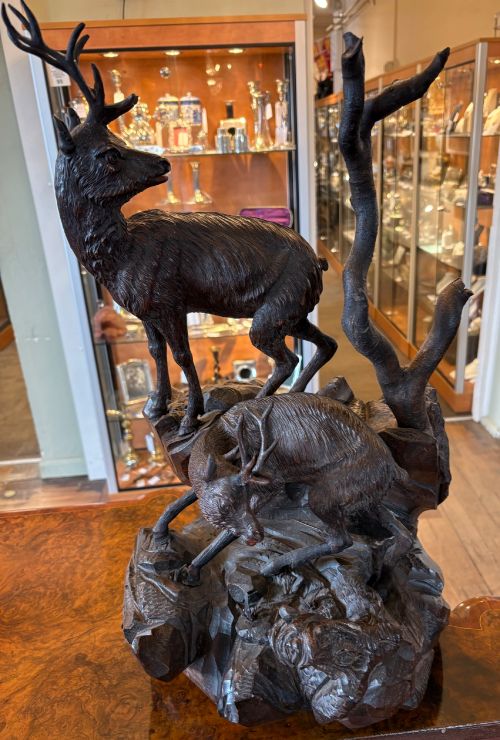
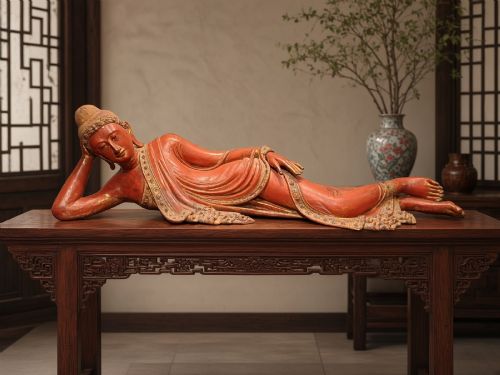
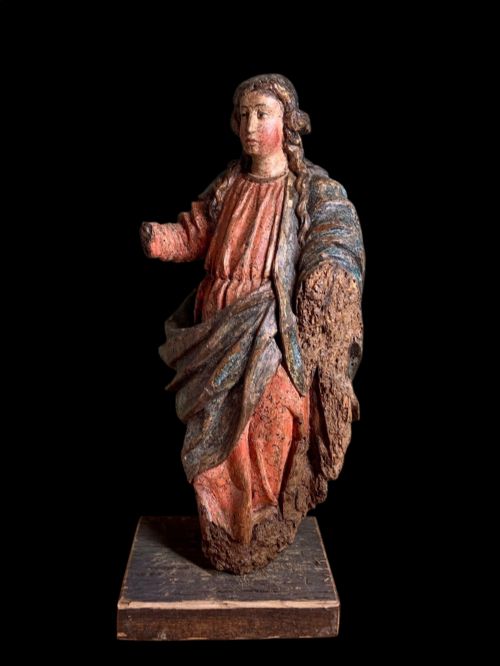
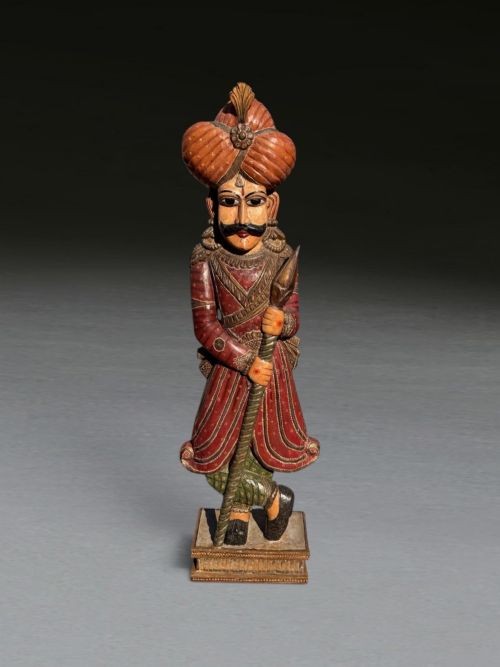
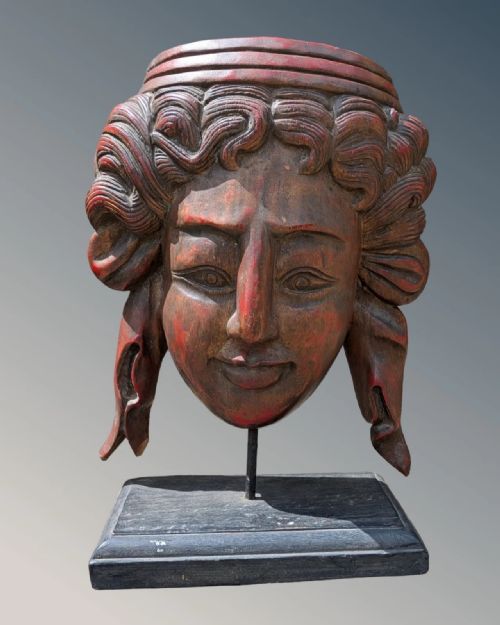
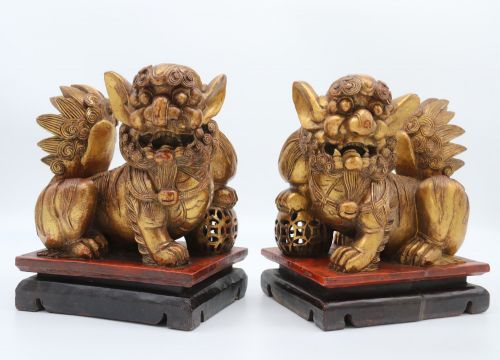
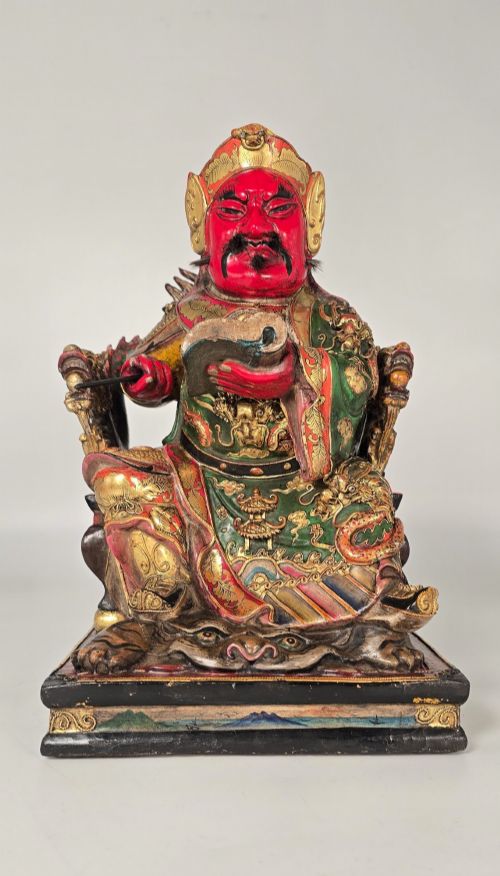
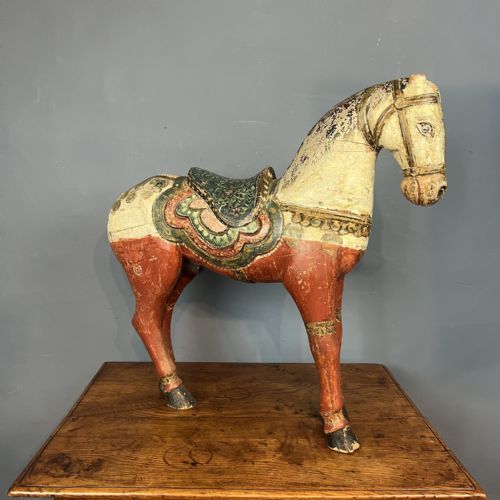
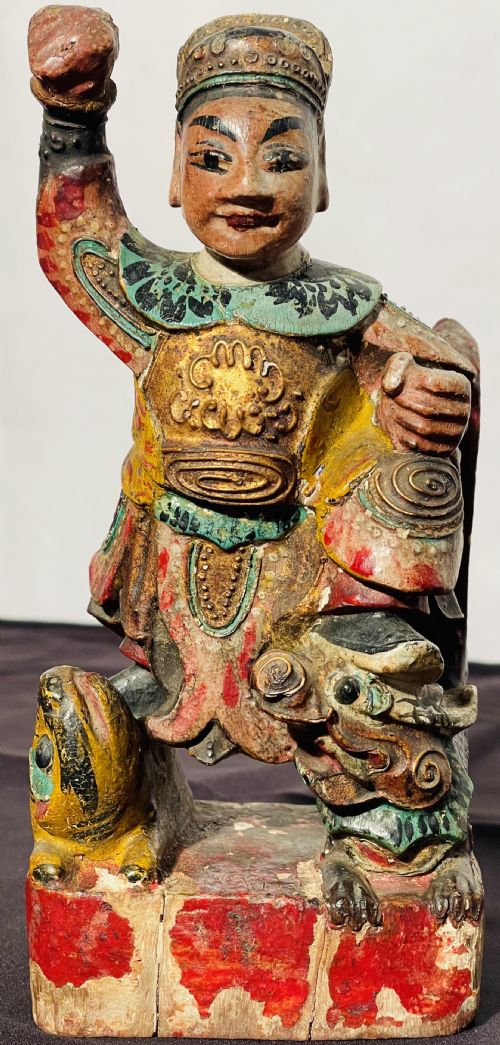
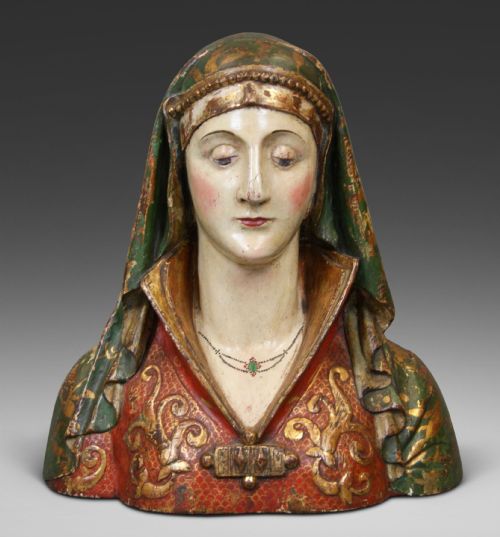
When you search for red wood sculpture, you encounter a diverse international selection of carved wooden figures, statues, wall plaques and pedestals spanning from the sixteenth century into the twentieth century. The inventory includes religious figures such as saints, Buddha statues, Quan Yin, and temple officials alongside decorative pieces like Black Forest animals, Indian soldiers, and folk-art bedpost figures.
Regional styles vary widely across the selection, featuring Qing Dynasty works, South East Asian temple carvings, Burmese figures, Anglo-Indian items, and European religious subjects. Forms range from freestanding statues and reclining Buddhas to wall plaques and solid mahogany pedestals designed to display them.
The materials and finishes applied to these wooden bases are equally varied, incorporating applied lacquer, gold leaf, polychrome paint, and gesso over carved timber. Pieces originate from diverse cultural contexts, uniting European craftsmanship, Chinese artistry, and South East Asian traditions under the broad umbrella of carved wooden sculpture.
How they were made
Makers shaped these sculptures primarily from solid woods including lime wood, mahogany, and general hardwoods, utilising traditional hand-carving techniques to establish complex figurative forms. Woodcarvers worked the timber directly, creating depth and dimension in subjects ranging from animal studies to human figures and religious icons.
Many surfaces received applied decorative layers after the initial carving process, notably gesso priming followed by polychrome paint, lacquer, and gold leaf gilding. These painted and gilded finishes added rich colour and protective coatings to the underlying wooden structure, particularly on religious and temple figures.
Object types include wall plaques, pedestals and stands alongside religious busts and freestanding statues.
What varies in quality
The standard of carving defines the upper tier of these works, where anatomical precision, facial expression, and deep relief work demonstrate superior artistic execution. Finer examples retain crisp details in drapery folds, hair, and ornamentation without excessive smoothing or loss of definition.
Preservation of original surface treatments also separates finer examples from lesser ones, specifically the intact survival of early polychrome paint, gold leaf, and lacquer work. Pieces that retain their original layered finishes without heavy overpainting provide a more authentic historical record of their period of origin.
The Red Wood Sculpture Glossary
- Polychrome paint
- Decorated in several colours. This surface treatment is frequently found on antique wooden figures and religious statues to add lifelike detail.
- Gesso
- A plaster mixture used as a smooth base for paint or gold leaf on wood. It provides a stable ground for delicate gilding and polychrome work.
- Lacquer
- A clear or coloured varnish applied in multiple coats to wood. It produces a hard, durable and glossy protective finish seen on Asian works.
- Gold leaf
- Gold beaten into extremely thin sheets used for gilding wooden surfaces. It highlights specific architectural or sculptural elements with a metallic sheen.
- Lime wood
- A pale, fine-grained timber favoured by European carvers. Its consistent density allows for intricate and detailed undercut carving without splintering.
Red Wood Sculpture: Frequently Asked Questions
What periods do these sculptures cover?
The pieces span multiple centuries, ranging from early European religious carvings of the sixteenth century through seventeenth-century temple figures and eighteenth-century saints.
Nineteenth-century works form a substantial portion of the selection, including Victorian pieces, Black Forest animal studies, and Burmese statues from the 1900s.
Where do these wooden sculptures originate?
Geographical origins are remarkably diverse, encompassing European workshops, Chinese dynasties, and South East Asian traditions.
You will find items representing Chinese Buddhist art, Burmese Nats, Indian folk art, and European ecclesiastical traditions alongside Black Forest studies.
How should I display a wooden sculpture?
Freestanding statues and figures require stable placement away from direct heat sources and fluctuating humidity, which can cause timber to split.
Many collectors utilise dedicated wooden pedestals or wall plaques, both of which appear alongside statues in this inventory to support proper display.
What materials are beneath the paint?
The underlying material is solid carved wood, with specific listings noting lime wood, mahogany, and general hardwoods.
Carvers shaped these timbers before applying decorative surfaces such as gesso, lacquer, polychrome paint, or gold leaf.