




Carved Asian Head
These carved asian head pieces bring ancient sculpture and intricate woodwork into a room.
Carved Asian Head
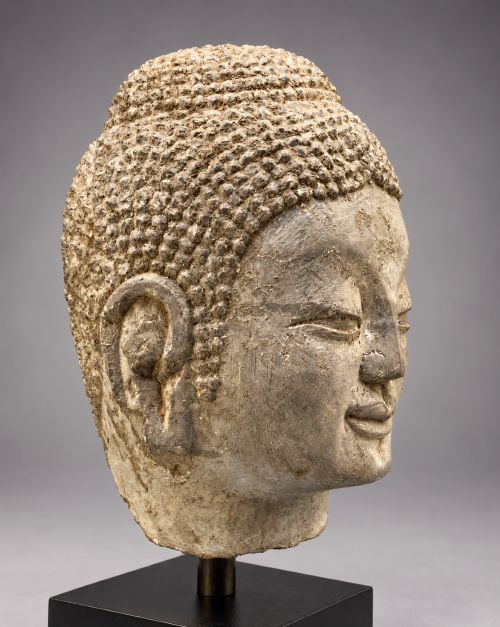
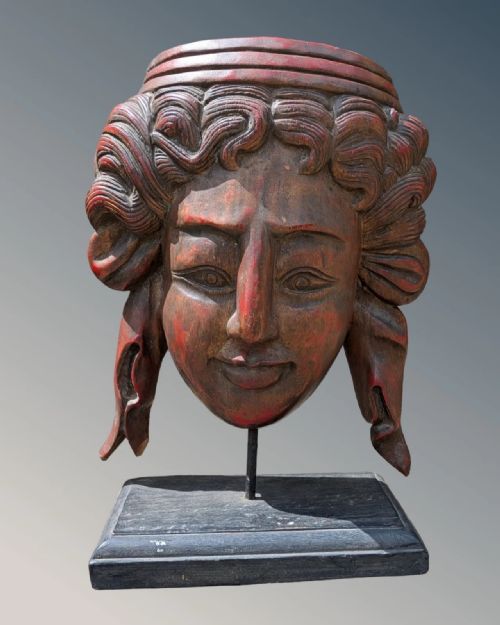
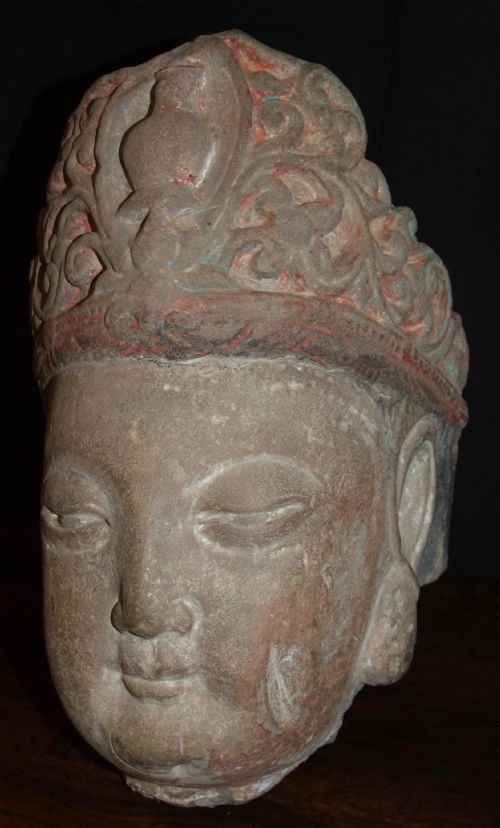
A carved asian head search uncovers a diverse array of sculptures, furniture details, and scholarly objects spanning multiple centuries. Buyers encounter material manifestations from limestone Buddha heads of the Ming Dynasty to polychrome mask carvings from South East Asia and painted Indonesian figures.
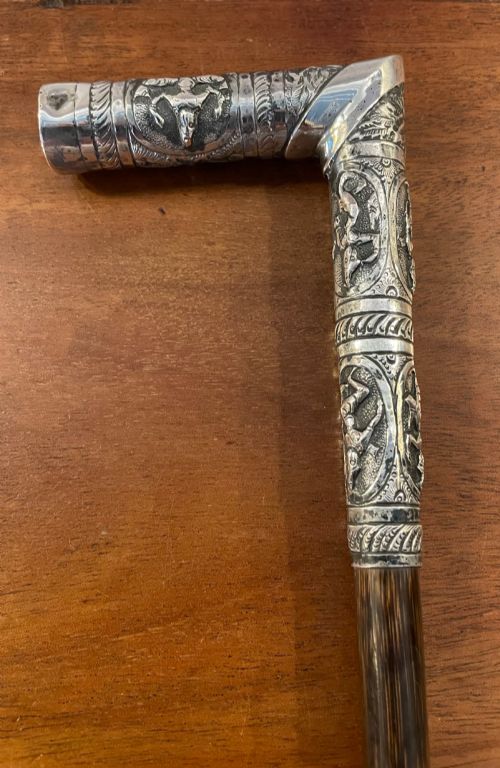
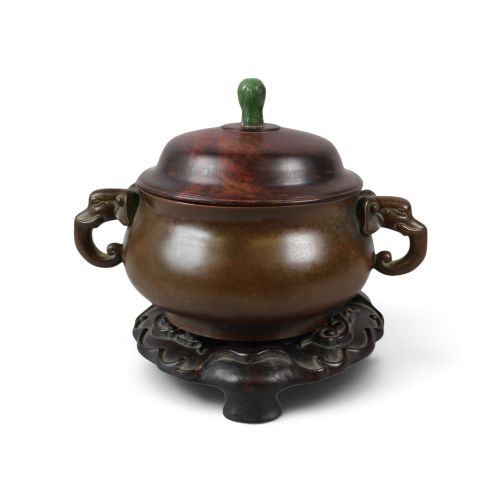
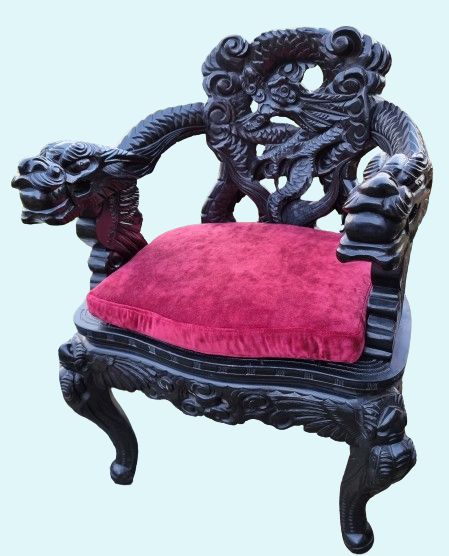
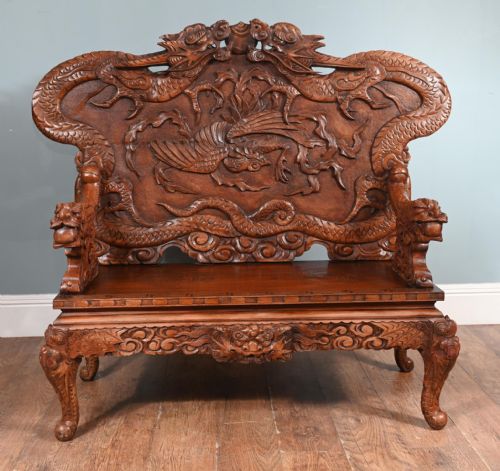
The selection ranges widely across forms, taking in walking stick handles, bronze censer mounts with elephant-head details, dragon benches, and bamboo head rests. Pieces originate from distinct regional traditions including Chinese export, Chinese archaistic, and Balinese art deco styles.
Nineteenth-century items appear most frequently on this page, alongside earlier pre-sixteenth century sandstone and limestone fragments. Wooden and hardwood sculptures form the backbone of the selection, complemented by lacquer, silver, and stone artefacts.
How they were made
Wood and hardwood serve as the primary media for these carvings, shaped into detailed panels, figurative sculptures, and functional objects like armchairs and head rests. Artisans applied polychrome paint and giltwood layers to surfaces such as South East Asian masks and wooden plaques.
Listings feature items from the pre-sixteenth century up to the twentieth century, utilising wood, limestone, bronze, silver, and lacquer.
What varies in quality
The preservation of original surface treatments, including polychrome pigments, gilding, and lacquer finishes, influences the integrity of the object. Integrated custom stands and secondary materials like jade finials or silver mounts also indicate the original status of the piece.
The Carved Asian Head Glossary
- Archaistic
- Describing later objects that consciously emulate the forms, motifs, and styles of ancient dynasties. This approach appears frequently in bronze work.
- Cinnabar lacquer
- A technique involving multiple layers of coloured tree sap carved into intricate relief designs. It provides a durable and textured surface for furniture panels.
- Polychrome
- Painted in several colours to decorate the surface of wood or stone sculptures. This finish enhances the visual depth of figurative masks and dance figures.
- Giltwood
- Timber that has been coated with a thin layer of gold leaf or gold paint. It highlights specific carved details on ritual or decorative objects.
Carved Asian Head: Frequently Asked Questions
What periods do these carved pieces come from?
The inventory spans several centuries, starting from pre-sixteenth century Ming Dynasty stone sculptures up through eighteenth and nineteenth-century works. Later examples extend into early twentieth-century creations from South East Asia.
Material choices shift across these eras, moving from ancient sandstone and limestone to nineteenth-century hardwoods, bamboo, and painted wooden artefacts.
How were these items used originally?
Many stone and wooden heads served devotional or religious functions in temples and domestic shrines. Other items fulfilled practical domestic roles, acting as head rests, walking stick handles, furniture components, or gongs.
Scholarly and decorative objects also appear, designed to display elite taste through intricate carving and specialised materials like cinnabar lacquer.
How do I care for wooden and stone sculptures?
Wooden and lacquer pieces require stable indoor humidity levels to prevent cracking or warping of the organic material. Direct sunlight should be avoided to protect painted surfaces and giltwood finishes from fading.
Stone sculptures need minimal intervention beyond gentle dusting with a dry, soft cloth. Avoid using liquid cleaners on porous stone or painted wooden surfaces.
How can I tell different regional styles apart?
Chinese regional and export pieces often incorporate traditional motifs like dragons, archaistic bronze forms, and carved lacquer. South East Asian items, including Balinese and Indonesian works, typically feature distinct figurative dance masks and polychrome details.
Materials also offer clues, as specific woods, stones, and lacquers align closely with the traditional workshops of their respective geographical origins.