





Ethnographic Wooden Art
Ethnographic wooden art encompasses carved cultural objects and sculptures from global traditions, prized for their striking forms and ritual significance.
Ethnographic Wooden Art
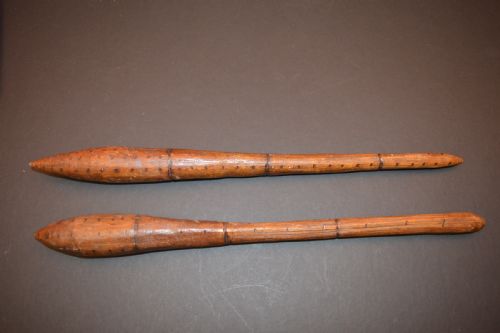
When you search for ethnographic wooden art, you encounter a diverse range of objects originating from African, Oceanic, South East Asian and Indigenous Australian traditions. These pieces span from the eighteenth century through to the mid twentieth century, encompassing utilitarian items, ritual figures and ceremonial regalia. The selection frequently includes clubs, masks, panels and religious artefacts.
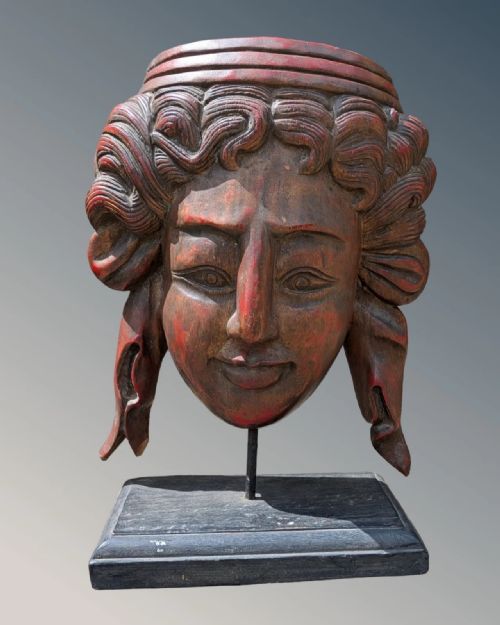
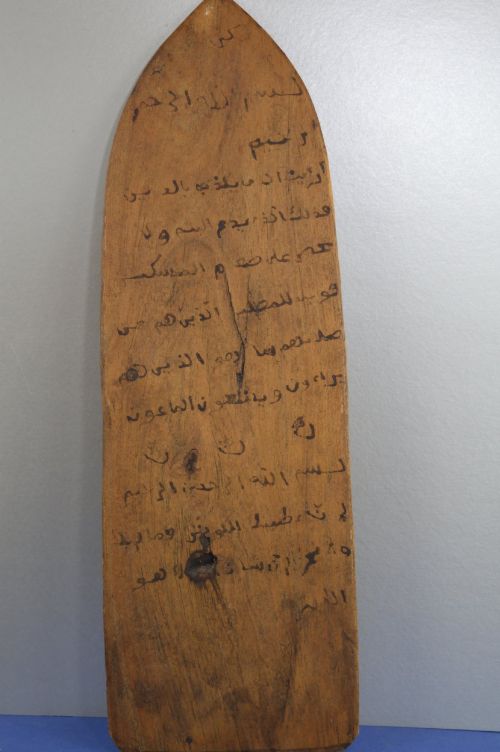
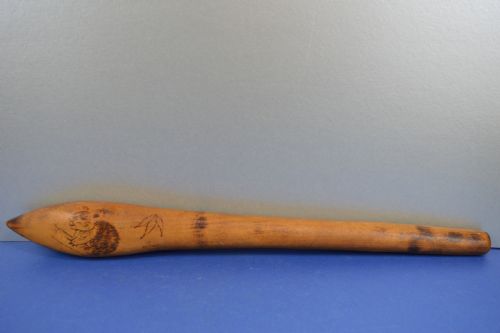
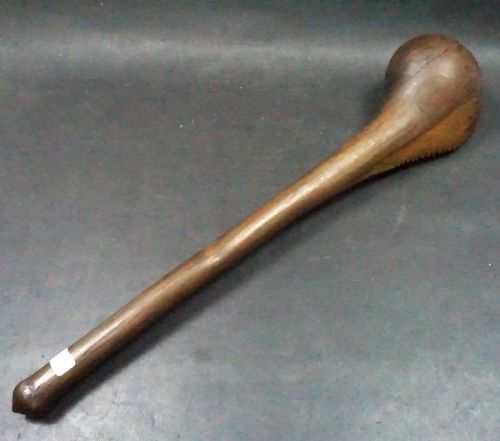
Sculptural forms and vessels dominate the offerings, showcasing distinct regional aesthetics such as West African Islamic scholarship boards and Southern African weaponry. You are most likely to meet nineteenth century throwing clubs, reliquary guardian heads and carved wooden figures. Each piece carries the distinct stylistic markers of its specific cultural origin and period.
Materials and construction
Carvers utilised dense local hardwoods to shape functional objects and ceremonial pieces, ensuring durability for weapons and ritual items. The surfaces frequently display the tool marks of traditional hand-carving techniques executed with simple implements.
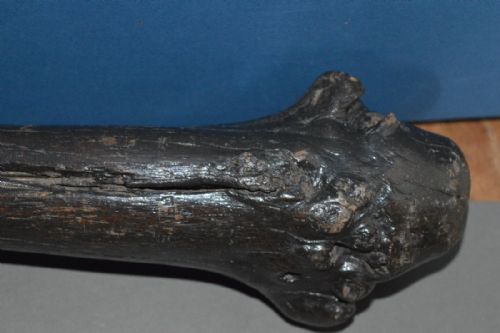
Makers applied pigments, paint, metal and ink to enhance the visual impact of masks, panels and guardian figures. Natural handling and age contribute to the deep patinated wood surfaces seen across these historical works.
Listings feature items from the eighteenth, nineteenth and twentieth centuries, using hardwood, pigment, metal and ink.
Assessing quality and authenticity
Quality rests upon the sculptural vigour of the carving and the integrity of the original surface patination. Pieces that retain their early pigment, paint or native wear demonstrate greater visual and historical coherence.
The sophistication of the form, whether in a detailed reliquary head or a carved war club, separates standard utility work from master-carved ritual objects.
The Ethnographic Wooden Art Glossary
- Patinated wood
- Wood surfaces altered over time through handling, exposure and natural ageing. This creates a lustrous, darkened skin that collectors value for authenticity.
- Pigment
- Natural colouring materials applied to the surface of carvings. These substances enhance the ritual or decorative function of masks and figures.
- Reliquary guardian
- A sculptural figure placed upon or near a container holding ancestral remains. These pieces protect the sacred contents and connect the living to their lineage.
- Nulla-nulla
- An Indigenous Australian wooden club or throwing stick. These items served both as hunting weapons and ceremonial implements.
Ethnographic Wooden Art: Frequently Asked Questions
What is ethnographic wooden art?
Ethnographic wooden art comprises carved objects, sculptures and weapons created by Indigenous and traditional cultures worldwide. These pieces reflect the spiritual, social and daily lives of their makers.
They include items ranging from ritual masks and marriage figures to utilitarian bowls and throwing clubs.
How do I care for wooden tribal art?
Keep wooden artefacts away from direct sunlight and severe fluctuations in temperature or humidity. Stable indoor conditions preserve the integrity of the wood and any original pigment.
Avoid applying modern polishes or oils to patinated surfaces, as these can alter the historical finish.
Were these objects used or decorative?
Many of these items served active roles in rituals, warfare, governance or daily domestic tasks before entering collections. Weapons were deployed in combat, while figures and boards held spiritual or educational purposes.
Even ceremonial pieces were created for active participation in cultural practices rather than static display.