

Red Silk Embroidery
Red silk embroidery spans centuries of global needlework, offering striking wall hangings and textile panels that bring rich colour and history into a room.
What these pieces are
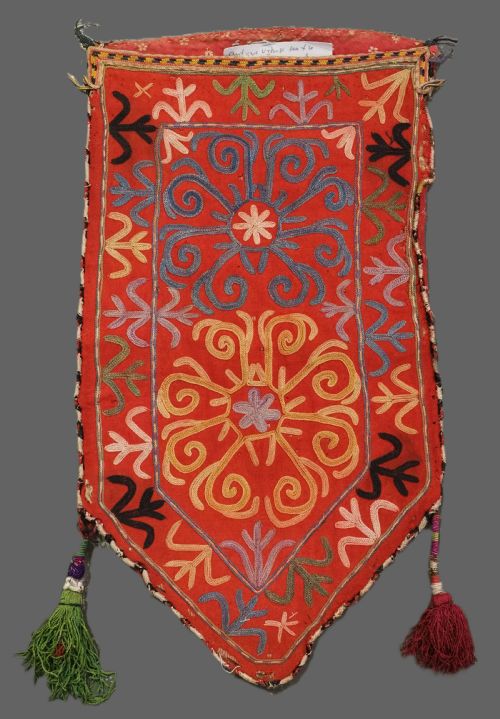
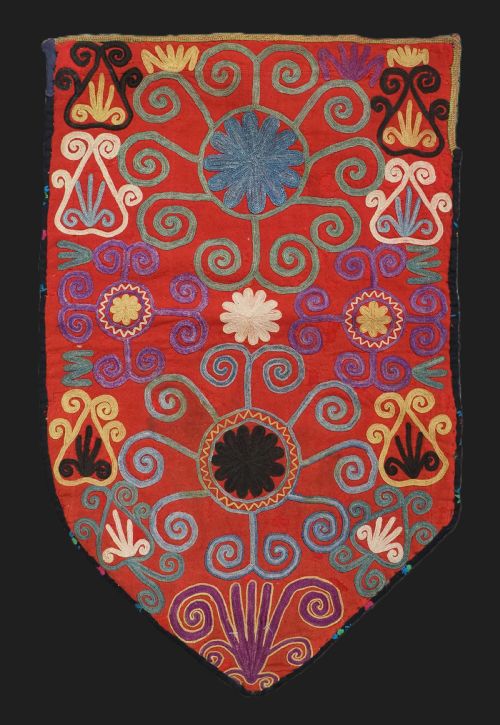
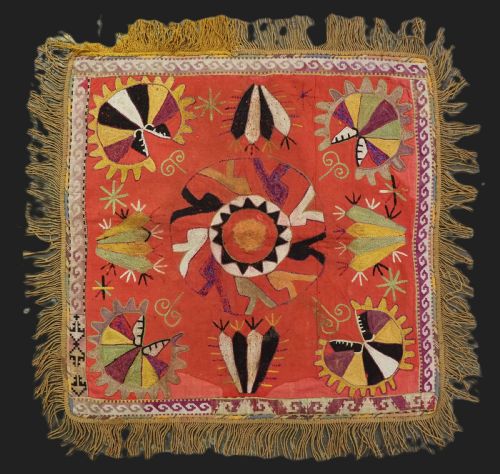
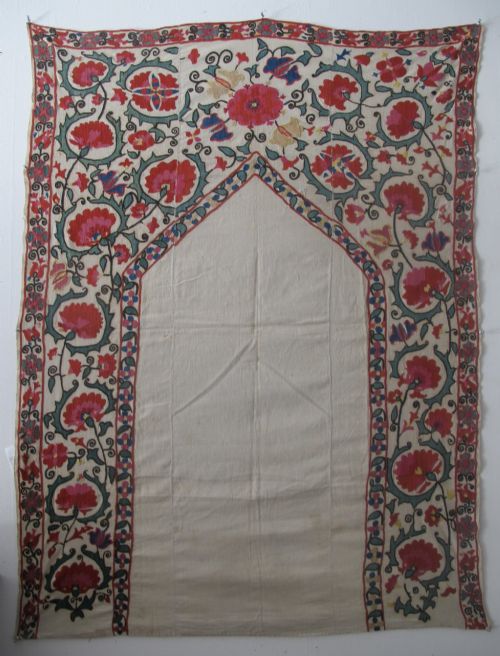
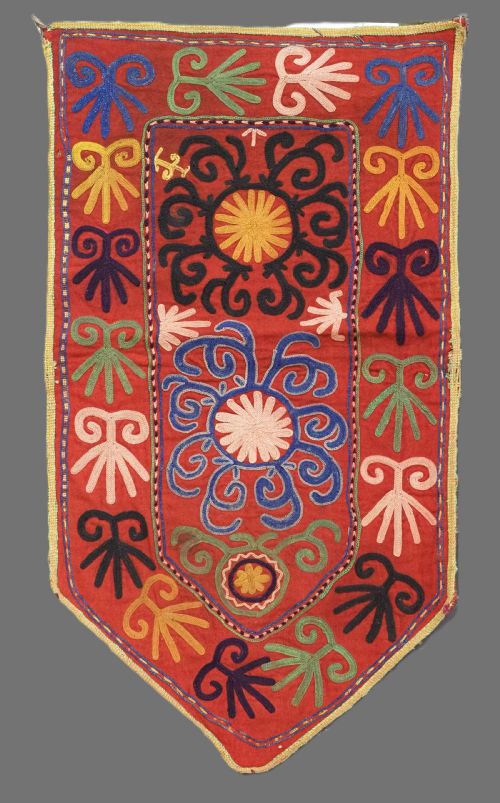
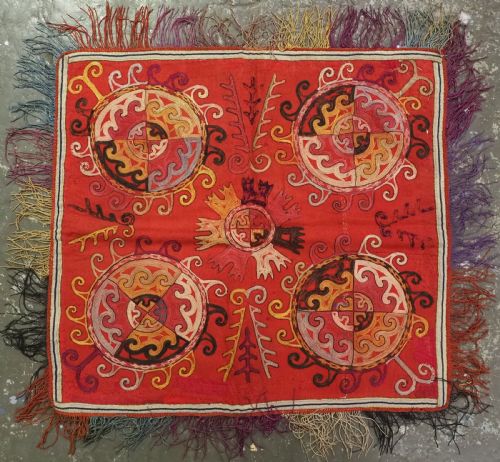
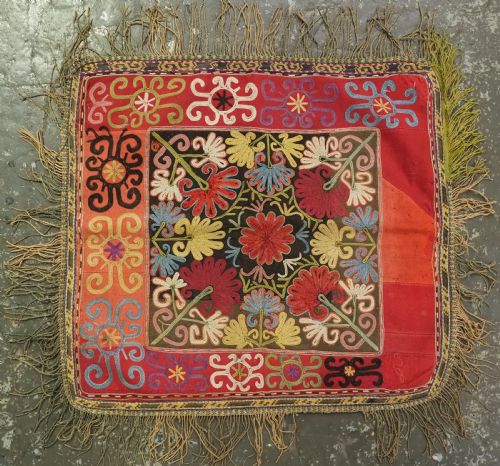
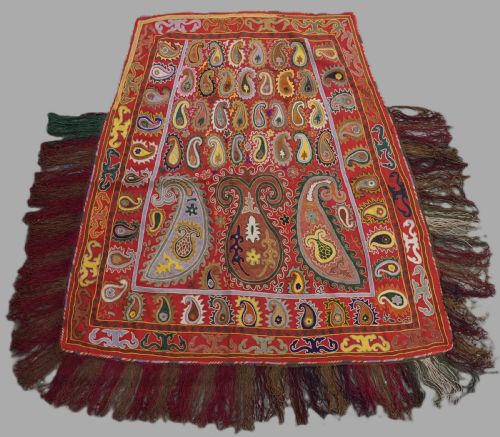
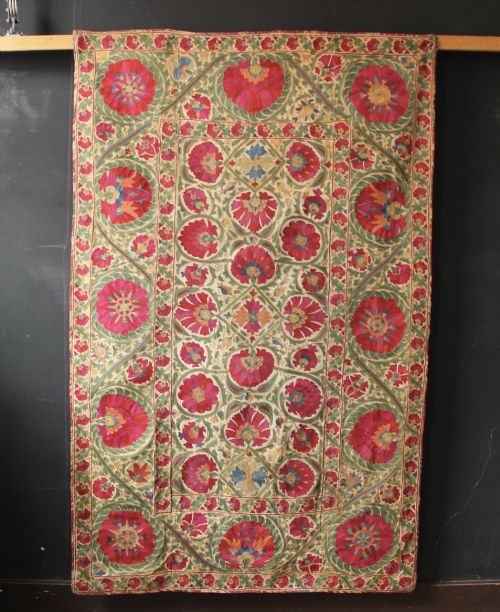
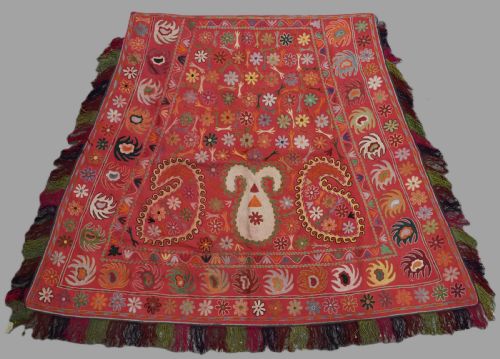
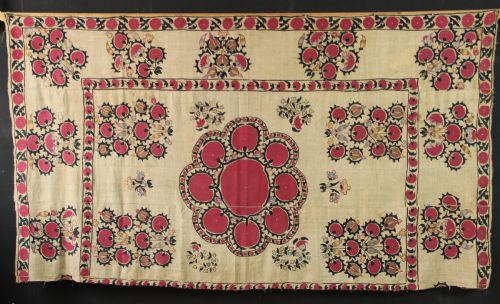
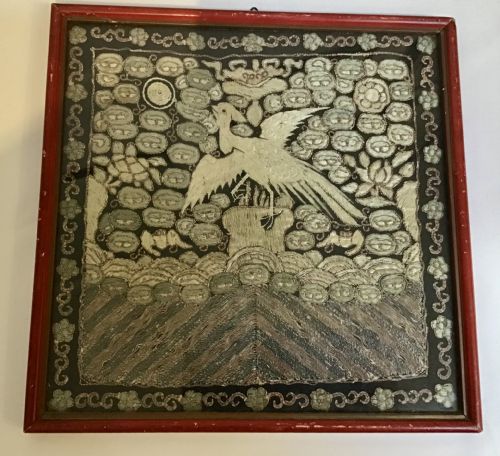
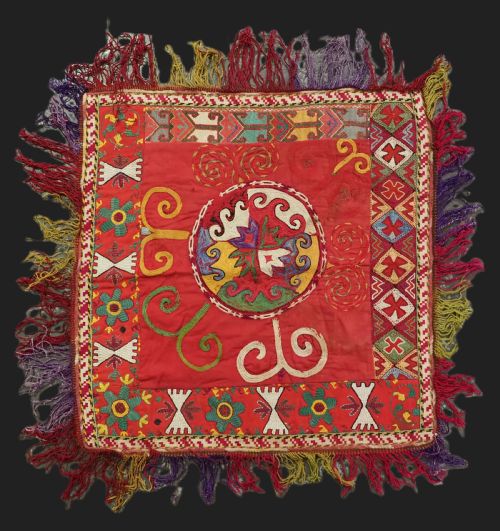
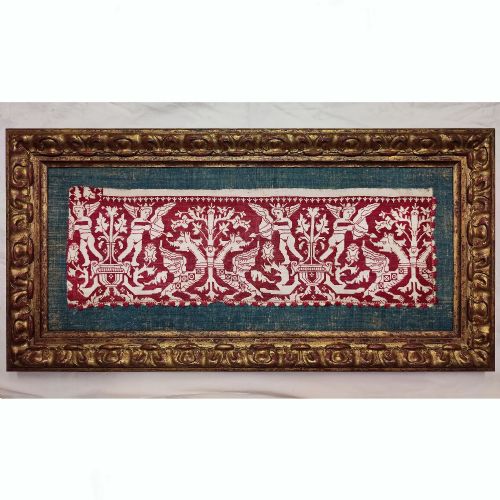
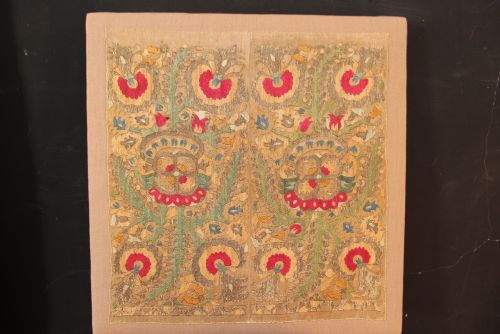
When you search for red silk embroidery, you encounter a diverse range of historic needlework pieces spanning from the seventeenth century through to the early twentieth century. The selection includes framed textile panels, wall hangings, and decorative borders originating from regions such as Central Asia, Italy, and the Greek Islands.
You are most likely to meet Central Asian tribal and folk art pieces, including Suzani and dowry embroideries created on vibrant backgrounds, alongside European textile fragments and Greek island bedsheet borders. These works represent traditional domestic and tribal craftsmanship preserved across generations.
How they were made
These textiles rely on a foundation of natural fibres, predominantly silk, linen, cotton, wool, and red wool felt. Artisans worked needle and thread across these supportive grounds to build intricate patterns.
Stitching incorporated metallic thread and supplementary yarns to add texture and catch the light against the dominant red backdrops. Many panels utilise fine hand needlework techniques passed down through regional workshops and nomadic traditions.
Retail Price Guide 2026
Typical UK retail prices for red silk embroidery, calculated from the Sellingantiques database of over a million retail prices indexed since 2003. This retail price guide relies exclusively on Sellingantiques data; no external sources or auction records are used, so the figures do not describe the wider market.
One past piece once served to screen firesides before finding new life as a collector's silk needlework panel.
What varies in quality
The distinction between ordinary and exceptional pieces lies in the complexity of the needlework and the harmony of the regional design. Finer examples display meticulous stitch density and sophisticated iconography, such as star medallions or detailed folk motifs.
Material preservation also dictates the standing of a piece within the range. Survival of the original silk threads and the stability of the wool or linen ground determine the integrity of the surviving textile.
The Red Silk Embroidery Glossary
- Suzani
- A type of embroidered tribal hanging originating from Central Asia, traditionally made by brides as part of their dowry. These large panels feature bold botanical and geometric motifs in vibrant silk thread.
- Ilgich
- A specific form of Central Asian embroidery used for domestic decoration or hanging within the yurt. They often display distinctive tribal patterns characteristic of nomadic makers.
- Border
- A long, narrow strip of decorative textile designed to edge larger furnishings, bedsheets, or architectural spaces. These fragments highlight repeating regional patterns.
- Felt
- A non-woven textile produced by matting, condensing and pressing fibres together. In Persian examples, red felt serves as a sturdy backing for fine silk embroidery.
- Fragment
- A surviving portion of a larger historic textile that has broken apart or been cut down over time. These mounted pieces allow close study of historical stitching techniques.
Frequently Asked Questions
How were antique red silk embroideries used?
Historic embroideries served multiple domestic and ceremonial functions across different cultures. Many functioned as wall hangings, dowry items, or decorative borders for bedsheets and furnishings.
Nomadic and village communities created these textiles to adorn living spaces or mark significant life events. Today, collectors typically mount and frame them as textile art.
How do I care for antique silk textiles?
Protect antique silk and wool pieces from direct sunlight to prevent the red dyes and silk fibres from fading. Keep them away from high humidity and excessive heat.
Display wall hangings behind UV-filtered glass if framed, or consult a professional textile conservator for mounting. Avoid washing these delicate historical items with water.
How can I tell regional styles apart?
Regional styles reveal themselves through distinct motifs, colour palettes, and stitching structures. Central Asian pieces often feature large star medallions and bold floral sprays on felt or cotton.
European and Greek island borders tend to display repeating geometric or classical motifs executed on fine linen or wool grounds. Examining the density and twist of the thread clarifies origin.
What periods do these embroideries come from?
The available pieces span several distinct eras, stretching from the seventeenth century through the seventeen-hundreds and into the early twentieth century. Seventeenth-century examples represent early European needlework.
Pieces from the late nineteenth and early twentieth centuries reflect traditional folk art practices in Central Asia and Greece. Each period brings specific stylistic conventions and material uses.