


Red Military Oil Painting
A red military oil painting captures the striking scarlet coats and uniforms of historical officers and regiments, offering a direct window into military heritage.
Red Military Oil Painting
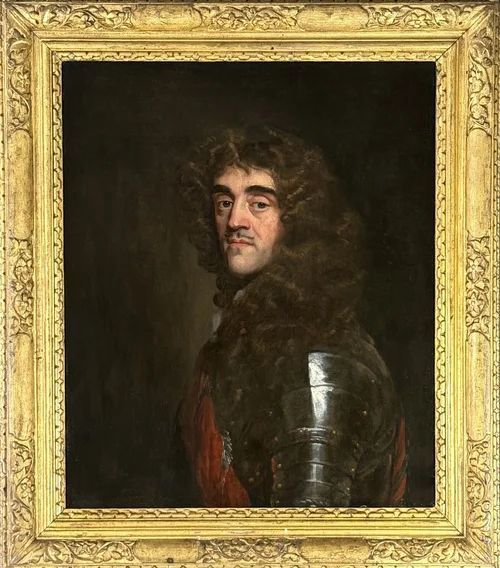
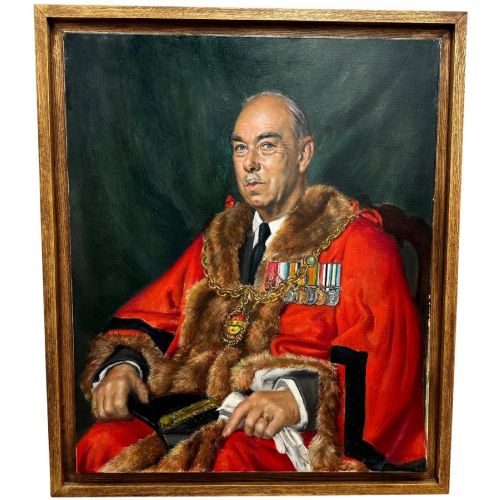
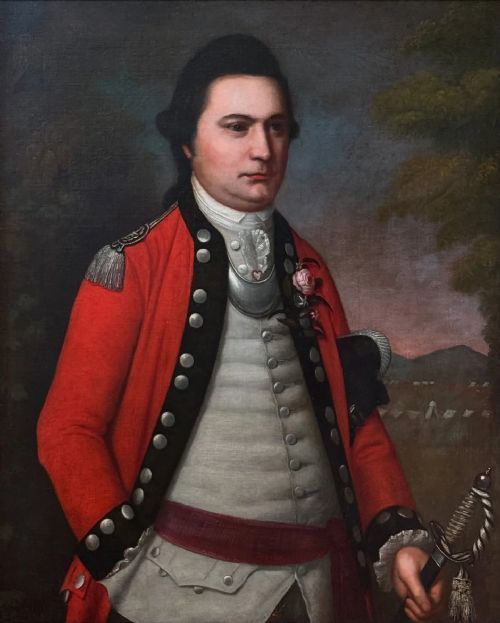
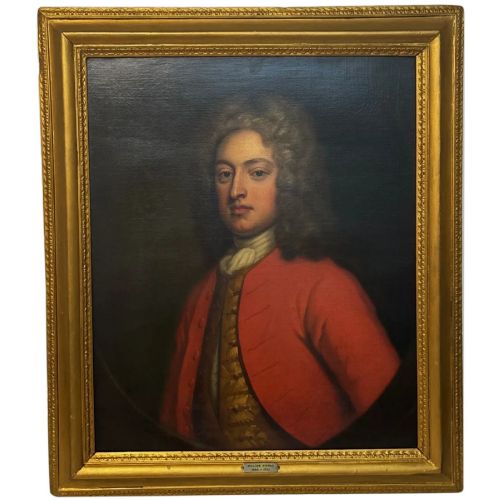
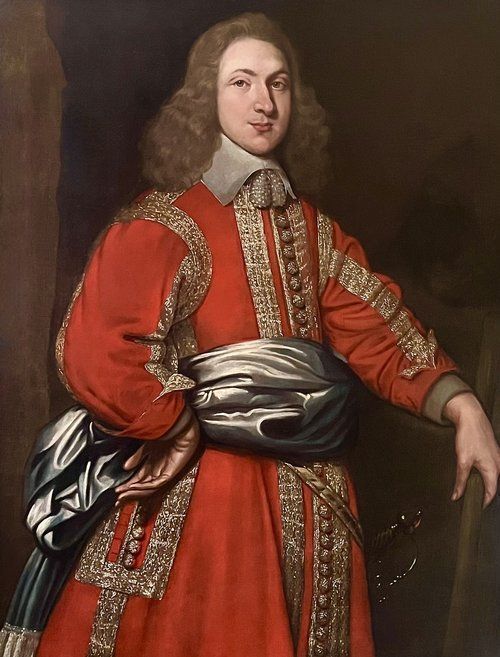
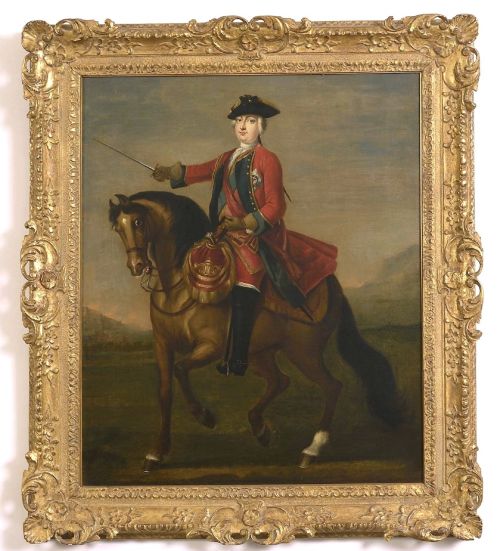
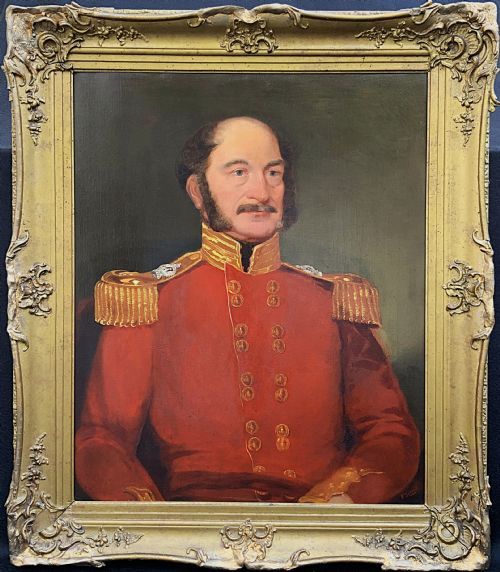
A red military oil painting primarily depicts officers, generals, and soldiers wearing traditional red tunics, coats, and sashes. These works span multiple centuries, originating from the seventeenth century through the Victorian era and into twentieth-century interpretations.
The subjects appear in various formats, ranging from half-length portraiture in armour to full regimental scenes and mounted cavalry depictions. Canvas works dominate the selection, framed frequently in giltwood or solid wood structures.
This genre records the visual history of British regiments, cavalry units, and colonial service personnel. Buyers encounter formal commissions of specific historical figures alongside broader folk art and school interpretations.
How They Were Made
Artists painted primarily using oil on canvas, applying pigment to stretched fabric to achieve depth and rich colour in the scarlet uniforms. Wooden supports appear occasionally in the form of oil on board.
Framing forms an integral part of the physical object, utilising gilt wood and decorated wooden mouldings to complement the painted canvas. The interplay of oil paint and canvas allows for the preservation of fine facial details and uniform regalia over centuries.
The inventory records works attributed to named artists alongside pieces originating from established British and Dutch schools.
What Varies In Quality
The standard of portraiture depends heavily upon the precision of the facial likeness and the rendering of military insignia. Master works capture the texture of wool tweed, medals, and braided uniforms with sharp anatomical accuracy, whereas simpler pieces rely on standard formulae.
The provenance and attribution to named artists or recognised schools elevate the standing of a canvas. Furthermore, the preservation of the original oil paint and the integrity of the period frame influence the overall character of the piece.
Bernard Hailstone·Stickland Lowry·John Greenhill·Francis Russell Flint·Henry Hoppner Meyer·William Carter·Alfred Egerton Cooper
The Red Military Oil Painting Glossary
- Oil on Canvas
- A traditional painting medium where oil paints are applied to a woven fabric surface stretched across a wooden frame. This combination allows for lasting colour richness and subtle blending.
- Giltwood
- Wood that has been coated with a thin layer of gold leaf or gold paint. Frames constructed from this material frequently accompany formal historical portraits.
- Cavalier
- A term used to describe a horse soldier or gentleman depicted in seventeenth-century attire, often wearing armour and a sash. These figures form a distinct category within early military portraiture.
- Regiment
- An operational military unit whose officers and soldiers are the subjects of many historical commissions. Uniform details such as red tunics identify specific units across different campaigns.
Red Military Oil Painting: Frequently Asked Questions
What periods do these paintings cover?
The available works span from the seventeenth century through the Georgian and Victorian periods up to the mid-twentieth century. Earlier examples often feature officers in armour with red sashes, while later pieces showcase nineteenth-century red tunics.
Dates are determined by historical dress, recorded sitter lifespans, and stylistic markers of the respective schools of painting.
How do I identify the regiment?
Regiments and military branches are identified through specific uniform details, including the cut of the red coat, collar colours, braiding, and displayed medals. Many titles and inscriptions on the canvas or frame record the specific regiment, such as the Scots Greys or the 15th King's Hussars.
Researching the sitter's recorded service history further clarifies the exact military unit and campaign context.
Where should I hang a military portrait?
These works suit traditional reception rooms, studies, and libraries where historic art complements period interiors. Positioning them away from direct sunlight protects the oil pigments and the integrity of the canvas.
Pairing the painting with complementary lighting highlights the rich reds of the uniforms and the detail of the giltwood frames.
Are all the subjects British soldiers?
While the majority represent British regiments, militia, and colonial services like the Madras Presidency, the selection also includes Anglo-Dutch school works and continental military figures. Sitters range from high-ranking generals and lieutenant colonels to lesser-known officers and militia members.
Each portrait reflects the prevailing military dress and portraiture style of its specific production era.